

A laneway house permit in Toronto supports small urban homes that sit at the rear of residential lots and face public laneways, and strong planning helps owners follow zoning rules with clarity because each step shapes project success while guiding safe and practical design choices that improve approval speed and long-term property value.
Understanding a Laneway House Permit in Toronto
A laneway house permit in Toronto controls how small secondary homes fit within residential lots because zoning rules guide every decision. Clear knowledge helps owners avoid problems because each rule shapes layout and size. Strong preparation reduces delays because early planning prevents design errors. Elmid Design Inc supports these steps because licensed engineers explain zoning limits with simple language.
Why Toronto Encourages Laneway House Development
Toronto promotes laneway houses because these homes increase gentle density within existing neighbourhoods. Many owners like this option because it adds living space without changing the main house. Good zoning rules protect neighbourhood character because they set firm building limits. Strong guidance helps owners understand these rules because zoning details often confuse first-time builders.
Key Zoning Factors for a Laneway House Permit
A laneway house must follow height, size, and placement rules because each lot requires careful space planning. Good review helps owners meet these limits because proper design avoids costly revisions. Strong understanding reduces uncertainty because zoning maps define clear boundaries. Elmid Design Inc supports this work because engineering knowledge improves zoning accuracy.
Confirming Laneway Access for Permit Approval
Laneway houses need a lot line touching a public laneway because access ensures safety and service reach. Good verification helps owners confirm eligibility because some lanes do not meet required standards. Strong review prevents wasted time because early checks confirm actual access. Clear guidance from skilled professionals strengthens planning because zoning rules leave no room for guesswork.
Separation Distance Rules for Laneway Houses
Separation distance between the main house and the laneway house matters because safe spacing prevents structural and fire conflicts. Accurate measurements protect project design because distance rules change layout choices. Good planning avoids mistakes because each separation rule supports safety. Elmid Design Inc reviews these distances carefully because expert oversight ensures precise compliance.
Height Limits Within Laneway House Planning
Laneway houses follow strict height limits because neighbourhood scale must remain stable. Many owners expect taller designs, yet zoning rules restrict height. Careful planning supports better outcomes because correct height guides roof form and levels. Strong design choices improve approval chances because plans stay within defined limits. Engineering support from Elmid Design Inc clarifies these rules because height calculations require accuracy.
Understanding Lot Coverage for Laneway Suites
Lot coverage rules limit how much land a laneway house may occupy because balanced site use protects outdoor space. Good planning ensures compliance because designers adjust building size to meet coverage limits. Strong awareness prevents redesign work because zoning checks catch issues early. Elmid Design Inc offers guidance because licensed teams understand lot coverage rules deeply.
Soft Landscaping Rules for a Laneway House Permit
Soft landscaping requirements support healthy drainage and neighbourhood character because green space improves each lot. Owners follow these rules because landscaping affects final approval. Strong planning helps meet these needs because design teams balance structures with required green areas. Skilled guidance from Elmid Design Inc improves landscaping compliance because zoning rules specify clear area ratios.
Fire Access Requirements for Laneway House Approval
Fire access rules protect residents because emergency teams need clear entry routes. Good design supports safe access because pathways and openings follow strict measurements. Strong awareness reduces approval issues because fire access errors delay projects. Elmid Design Inc ensures proper planning because licensed engineers understand safety expectations deeply.
Parking Rules for Laneway Suites
Parking rules influence laneway house design because some lots require dedicated spaces. Many owners seek flexibility, yet zoning outlines clear conditions. Good research helps owners understand these rules because each lot differs in size and access. Strong design choices simplify review because compliant plans match zoning expectations. Elmid Design Inc guides owners through these steps because expert insight reduces confusion.
Utility and Servicing Requirements for Permit Approval
Laneway houses rely on proper servicing because water, drainage, and electrical needs must connect safely. Good planning ensures correct connections because zoning and building rules guide these systems. Strong coordination prevents costly delays because clear drawings help reviewers understand each service. Elmid Design Inc supports these tasks because engineering experience shapes accurate service planning.
Preparing Drawings for a Laneway House Permit
High-quality drawings improve review speed because clear plans answer most reviewer questions. Good drawings show size, placement, and access because zoning demands full detail. Strong preparation reduces confusion because precise information explains each design. Elmid Design Inc prepares professional drawings because licensed engineers understand permit expectations.
Survey Requirements for Laneway House Design
Accurate surveys define exact property boundaries because laneway houses rely on precise measurements. Good surveys support correct placement because setbacks depend on real dimensions. Strong accuracy prevents zoning conflicts because errors slow permit review. Elmid Design Inc interprets surveys carefully because engineering insight ensures correct planning.
Preparing the Permit Application Package
A complete permit package includes drawings, surveys, forms, and detailed zoning checks because reviewers need full information. Good organization speeds approval because clear submissions reduce questions. Strong preparation improves confidence because complete packages follow permit rules. Skilled support from Elmid Design Inc strengthens each submission because licensed teams understand zoning complexity.
Coordinating With Designers and Engineers
Good coordination helps teams align drawings with zoning rules because each detail affects final approval. Strong teamwork improves results because designers adjust plans based on engineering review. Clear communication removes confusion because zoning terms require accurate design choices. Elmid Design Inc supports teams throughout the process because professional insight guides important decisions.
Managing Design Changes During Zoning Review
Design changes occur when zoning rules limit early ideas. Good response planning helps adjust layouts because flexibility prevents delays. Strong review avoids guesswork because zoning details lead each change. Elmid Design Inc supports revisions because engineering oversight ensures accurate updates that follow permit expectations.
Common Mistakes in Laneway House Applications
Many owners overlook spacing rules or height limits, yet each mistake slows review. Good awareness reduces these problems because zoning demands careful attention. Strong guidance helps owners avoid costly errors because expert involvement improves understanding. Elmid Design Inc identifies issues early because experienced teams recognize common zoning conflicts.
Benefits of Professional Support With Laneway Permits
Professional support improves permit success because experts understand complex zoning language. Good guidance reduces stress because owners follow clear steps. Strong engineering input creates better designs because skilled teams understand technical demands. Elmid Design Inc provides this support because licensed engineers offer trusted expertise that strengthens every application.
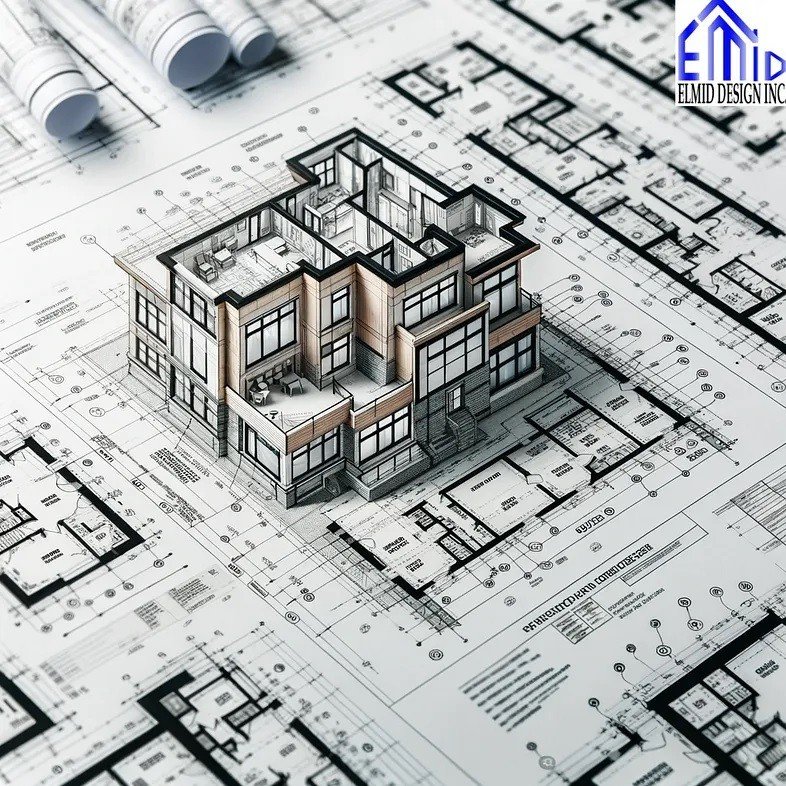
Navigating Technical Design Needs for a Laneway House
Technical design shapes each laneway house because zoning rules demand accurate details for walls, openings, and roof forms. Strong design choices follow zoning limits because each element affects safety and function. Careful planning simplifies construction because builders rely on clear drawings. Skilled engineering teams strengthen this stage because professional insight removes confusion. Elmid Design Inc supports these tasks because licensed engineers understand the technical expectations that shape successful permit approvals.
Structural Planning for Laneway Suite Development
Structural planning matters for every laneway house because each building requires safe load support. Good analysis prevents issues because zoning and building rules guide foundation and framing needs. Strong planning helps owners understand correct structural paths because accurate data shapes practical designs. Elmid Design Inc prepares reliable structural plans because licensed experience ensures safe and compliant layouts.
Mechanical and Electrical Needs Within Permit Preparation
Mechanical and electrical systems require careful design because each service affects comfort and safety. Good coordination guides proper placement because zoning and building rules influence routing and access. Strong clarity helps owners avoid expensive changes because correct system planning supports final approvals. Elmid Design Inc manages these details because engineering insight helps align systems with zoning expectations.
Drainage and Grading Rules for Laneway House Approval
Drainage and grading affect laneway house permits because water flow shapes safe site conditions. Good grading plans protect neighbouring properties because balanced slopes reduce risks. Strong drainage design improves permit quality because zoning reviews expect clear solutions. Elmid Design Inc supports this stage because licensed engineers understand proper grading standards for laneway suites.
Fire Safety Design for Laneway Houses
Fire safety drives many zoning rules because laneway houses must allow safe emergency access. Good design choices support this goal because window placement, walkway width, and clear routes matter. Strong planning prevents delays because safety features must match zoning expectations. Elmid Design Inc helps owners understand fire rules because engineering expertise clarifies complex safety requirements.
Privacy Design Considerations in Laneway House Plans
Privacy matters during laneway house planning because window placement affects nearby homes. Good design respects surrounding properties because careful positioning protects comfort. Strong planning improves approval chances because zoning rules expect thoughtful layouts. Elmid Design Inc reviews these elements because experienced teams understand how to balance privacy with design needs.
Interior Layout Planning for Small Footprints
Interior planning becomes more important in laneway houses because limited space requires efficiency. Good layouts improve comfort because each square foot supports functional living. Strong design choices prevent wasted space because thoughtful planning creates flexible rooms. Elmid Design Inc assists with layout optimization because engineering understanding helps shape practical and comfortable interior spaces.
Energy Efficiency Expectations for Laneway Suites
Energy requirements apply to laneway houses because Toronto promotes efficient buildings. Good planning supports energy goals because insulation, windows, and systems affect performance. Strong design reduces long-term costs because efficient choices improve comfort. Elmid Design Inc guides owners through energy expectations because engineering knowledge simplifies compliance with efficiency standards.
Construction Planning After Zoning Compliance
Construction planning begins once zoning rules align with final designs. Good preparation supports smooth building stages because contractors rely on accurate drawings. Strong communication improves progress because teams understand zoning limits clearly. Elmid Design Inc helps owners prepare for construction because detailed engineering plans guide effective building sequences.
Cost Planning for a Laneway House in Toronto
Cost planning depends on zoning needs because each rule affects design complexity and material use. Good budgeting protects owners from surprise expenses because informed planning supports realistic estimates. Strong research improves financial control because early information shapes smarter decisions. Elmid Design Inc assists with cost understanding because engineers clarify how zoning requirements influence project budgets.
Timeline Expectations for Laneway House Permit Approval
Timeline expectations vary by project because design clarity affects review speed. Good preparation supports faster progress because complete submissions reduce questions. Strong organization improves each step because reviewers prefer clear and accurate files. Elmid Design Inc helps owners prepare efficient submissions because licensed experience strengthens permit quality.
Working With Engineers for Successful Permit Results
Engineers support laneway house projects because zoning rules require technical accuracy. Good collaboration improves outcomes because owners receive clear guidance. Strong engineering insight prevents design errors because experienced teams understand zoning challenges. Elmid Design Inc provides dependable support because licensed engineers deliver trusted solutions for laneway house permits.
Understanding Long-Term Benefits of Laneway Houses
Laneway houses add long-term value because they offer flexible living or rental space. Good design planning strengthens property usefulness because thoughtful layouts support multiple needs. Strong compliance ensures stable value because approved laneway suites follow safe and legal standards. Elmid Design Inc helps owners plan for long-term benefits because engineering clarity supports strategic property growth.
Coordinating Inspections After Permit Issuance
Inspections follow permit approval because safe construction requires consistent checks. Good coordination keeps projects moving because inspectors expect accurate progress. Strong communication helps owners address issues quickly because clear guidance streamlines corrections. Elmid Design Inc assists during inspection stages because engineering oversight ensures proper alignment with original approved plans.
Final Review Steps for Laneway House Completion
Final review steps confirm that construction meets all zoning and building expectations. Good preparation protects owners from delays because inspectors rely on complete documentation. Strong accuracy supports successful completion because proper records reflect correct work. Elmid Design Inc helps owners finish these steps because licensed teams understand closing requirements.
Expanding Design Flexibility Within Zoning Limits
Laneway house projects gain flexibility when owners understand zoning limits clearly because informed choices guide smarter layouts. Careful design work protects creative ideas because zoning rules leave room for efficient solutions. Thoughtful planning improves use of compact spaces because each section supports daily comfort. Elmid Design Inc strengthens this process because engineering insight helps owners adjust designs while staying fully compliant.
Improving Long-Term Durability Through Smart Material Planning
Durability matters for laneway houses because small structures face strong weather exposure throughout the year. Good material choices support long-term value because quality products increase lifespan and reduce maintenance. Careful selection improves comfort because insulation, windows, and siding influence indoor temperature. Elmid Design Inc guides these decisions because engineers understand how materials affect structural stability and performance.
Enhancing Neighbourhood Compatibility With Thoughtful Exterior Design
Neighbourhood compatibility improves approval outcomes because planners favour designs that blend naturally with surrounding homes. Thoughtful exterior choices support visual harmony because simple forms and balanced proportions fit better on compact lots. Careful detailing strengthens curb appeal because quality finishes create inviting spaces. Elmid Design Inc helps refine these elements because professional guidance shapes attractive and compliant exterior designs.
Adapting Laneway House Plans to Unique Lot Conditions
Each lot presents unique challenges because width, slope, and access vary across neighbourhoods. Smart adjustments improve layout choices because flexible planning responds to real site conditions. Strong understanding supports efficient solutions because zoning rules interact with physical space. Elmid Design Inc analyzes these conditions carefully because engineering expertise reveals opportunities that owners often miss.
Strengthening Privacy Through Strategic Planning
Privacy improves comfort for residents because strong separation protects quiet living. Smart window placement reduces sightline issues because careful angles reduce direct views. Thoughtful landscape features enhance discretion because trees and shrubs soften neighbouring exposure. Elmid Design Inc helps owners evaluate privacy needs because engineers consider visual impact throughout the design process.
Supporting Rental Opportunities With Compliant Design
Rental demand increases interest in laneway houses because many residents seek compact and private living options. Proper zoning compliance protects future rental plans because legal suites require complete approval. Well-planned layouts improve tenant comfort because functional rooms enhance livability. Elmid Design Inc supports rental-focused designs because engineering insight strengthens long-term property performance.
Improving Property Value Through High-Quality Laneway Development
Laneway houses increase property value because secondary units offer income or family housing. Strong design decisions enhance value because efficient layouts appeal to future occupants. Good zoning compliance strengthens investment security because legal suites remain dependable assets. Elmid Design Inc assists owners with these goals because licensed engineers support safe and profitable development choices.
Understanding the Inspection Process After Construction
Inspections confirm safe construction because each phase checks structural, mechanical, and electrical elements. Careful coordination keeps progress steady because timely visits reduce project delays. Strong documentation supports smooth inspection flow because clear records help inspectors verify details. Elmid Design Inc guides owners through inspection stages because engineering oversight ensures accurate and safe workmanship.
FAQ
What qualifies a property for a laneway house in Toronto?
A property qualifies when a lot line touches a public laneway because access and safety depend on direct contact with the lane. Eligibility improves when zoning limits match proposed layouts because compliant designs support permit success.
How large can a laneway house be in Toronto?
Size depends on zoning because each lot follows strict height, coverage, and setback rules. Designers use these limits to shape practical and comfortable layouts.
Why do laneway houses require special fire access?
Fire access protects residents because emergency teams need safe and direct entry routes. Clear paths and proper openings support quick response during emergencies.
How long does the laneway house permit process take?
Timelines vary by project because design clarity affects review speed. Complete submissions help reduce delays because reviewers handle accurate files faster.
Do laneway houses add property value?
Laneway houses often raise property value because rental income and extra living space increase long-term appeal. Strong compliance improves value because legal suites create secure investment opportunities.

Elmid Design Inc and Its Expertise in Laneway House Permits
Elmid Design Inc supports laneway house projects with licensed engineering services that simplify zoning, structural planning, and permit preparation. The firm holds a certificate of authorization from Professional Engineers Ontario, and this credential strengthens trust during review stages because clear and compliant documentation improves approval success. Clients benefit from precise guidance because experienced engineers help shape safe, efficient, and fully compliant laneway house designs across Toronto.
Geographic Locations That We Service:
Our Licensed Professional Engineers specializing in Engineered Site Grading Plans offer the best-engineered site grading plan, lot grading and erosion plan, and drainage plan to obtain site plan approval and building permits in Ontario, including a wide range of municipalities. Each area boasts unique features and requirements, making our tailored approach essential for success.
Toronto and Surrounding Areas
In the vibrant heart of Ontario, we service Toronto (City of Toronto) and surrounding areas. Additionally, we cover Oshawa (City of Oshawa), Pickering (City of Pickering), and Clarington (Municipality of Clarington). Furthermore, our expertise extends to Ajax (Town of Ajax), Whitby (Town of Whitby), Brock (Township of Brock), Scugog (Township of Scugog and Uxbridge (Township of Uxbridge).
Halton Region
Moving to the Halton Region, our services encompass Burlington (City of Burlington) and Halton Hills (Town of Halton Hills). Also included are Milton (Town of Milton) and Oakville (Town of Oakville).
Peel Region
In the Peel Region, we provide services in Brampton (City of Brampton), Mississauga (City of Mississauga), and Caledon (Town of Caledon).
York Region
Our services in the York Region cover Vaughan (City of Vaughan), Aurora (Town of Aurora), and East Gwillimbury (Town of East Gwillimbury). We also cater to Georgina (Town of Georgina), Markham (City of Markham), Newmarket (Town of Newmarket), Richmond Hill (City of Richmond Hill), Whitchurch-Stouffville (Town of Whitchurch-Stouffville), King (Township of King), and Bradford-West Gwillimbury (Town of Bradford-West Gwillimbury). Each municipality here offers a distinct setting, requiring our specialized approach.
Other Southern Ontario Cities and Towns
We also serve many other cities and towns in Southern Ontario. These include Hamilton (City of Hamilton), St. Catharines (City of St. Catharines), Niagara on the Lake (Town of Niagara on the Lake), Brant (County of Brant), Cambridge (City of Cambridge), Kitchener (City of Kitchener), Waterloo (City of Waterloo), and Woodstock (City of Woodstock). Furthermore, we operate in Guelph (City of Guelph), Centre Wellington (Township of Centre Wellington), Shelburne (Town of Shelburne), Orangeville (Town of Orangeville), New Tecumseth (Town of New Tecumseth), Essa (Town of Essa), Collingwood (Town of Collingwood), Wasaga Beach (Town of Wasaga Beach), Barrie (City of Barrie), Midland (Town of Midland), Orillia (City of Orillia), Ramara (Town of Ramara), Minden Hills (Town of Minden Hills), North Kawartha (Town of North Kawartha), Kawartha Lakes (City of Kawartha Lakes), Peterborough (City of Peterborough), Selwyn (Town of Selwyn), and Brighton (Municipality of Brighton).