

A Stormwater Management Report King City supports responsible development planning while protecting natural resources and municipal infrastructure. Every proposed project changes site conditions and affects how stormwater moves across the land. Therefore, engineers must evaluate drainage impacts before construction begins. Proper planning reduces flood risks and protects nearby properties from excess runoff. In addition, stormwater analysis helps municipalities manage future growth without creating drainage problems. Developers must address quantity control, quality control, and erosion protection within their designs. Consequently, review agencies rely on technical reports to verify compliance with local requirements. This process creates safer communities and supports sustainable development throughout King City.
Existing Site Conditions Assessment
Engineers begin every Stormwater Management Report King City with a detailed review of existing site conditions. This assessment identifies drainage patterns, topography, vegetation, and surrounding infrastructure. Moreover, engineers collect information about soil characteristics and groundwater conditions. These factors influence how water infiltrates and flows across the property. Accurate site data improves design accuracy and reduces future risks. Furthermore, existing drainage features help engineers understand current runoff behavior. Municipal reviewers expect comprehensive site assessments because development decisions depend on reliable information. As a result, engineers spend significant effort gathering and analyzing field data before advancing design work.
Topographic Survey Requirements
A detailed topographic survey forms the foundation of a Stormwater Management Report King City. Survey information identifies elevations, slopes, drainage routes, and physical constraints. Engineers use this information to develop drainage models and grading plans. Without accurate elevation data, stormwater calculations may produce unreliable results. Additionally, survey data helps identify low areas that may experience flooding. Design teams also locate existing structures, utilities, and drainage features during the survey process. Therefore, accurate topographic information supports every stage of stormwater analysis and design development. Reliable surveys reduce uncertainty and improve project outcomes.
Understanding Watershed Conditions
Watershed conditions strongly influence stormwater management requirements in King City. Every site contributes runoff to a larger drainage system. Therefore, engineers must evaluate how development affects downstream areas. Watershed analysis considers stream health, flood risks, and environmental sensitivity. Moreover, agencies often establish specific criteria based on watershed objectives. These requirements guide the design of stormwater controls and mitigation measures. Engineers must understand watershed characteristics before proposing drainage solutions. Consequently, watershed planning helps balance development needs with environmental protection goals. This approach supports long-term sustainability across the region.
Stormwater Quantity Control
Stormwater quantity control manages runoff volumes and peak discharge rates from developed sites. As development increases impervious surfaces, runoff reaches drainage systems more quickly. Consequently, uncontrolled development may increase flooding risks downstream. Engineers design quantity control measures to maintain acceptable discharge rates. These systems temporarily store stormwater and release it gradually. Furthermore, quantity control facilities help protect municipal infrastructure from excessive flows. Review agencies carefully examine quantity control calculations during the approval process. Effective designs reduce flood impacts and support safe development throughout King City.
Importance of Peak Flow Analysis
Peak flow analysis represents a critical component of every Stormwater Management Report King City. Engineers calculate runoff rates during various storm events to evaluate potential impacts. These calculations compare existing conditions with proposed development conditions. If peak flows increase, engineers must introduce mitigation measures. Additionally, peak flow analysis helps determine storage requirements for stormwater facilities. Municipal reviewers rely on these calculations to assess flood protection performance. Therefore, accurate modeling remains essential throughout the design process. Proper analysis supports effective stormwater management strategies and regulatory compliance.
Stormwater Quality Control Measures
Stormwater quality control protects receiving water bodies from pollutants carried by runoff. Urban development introduces contaminants such as sediment, oil, nutrients, and debris. Therefore, stormwater systems must remove pollutants before discharge occurs. Engineers design treatment measures that improve runoff quality and protect aquatic ecosystems. Furthermore, water quality controls support broader environmental objectives within the watershed. Effective treatment systems reduce environmental impacts while supporting sustainable growth. Consequently, municipalities require water quality assessments as part of development approvals. These measures help preserve local streams and natural habitats.
Erosion Control Requirements
Erosion control forms an essential part of a Stormwater Management Report King City. Increased runoff velocities can damage stream channels and surrounding landscapes. Therefore, engineers assess erosion risks during stormwater analysis. Design solutions reduce flow velocities and minimize channel instability. Moreover, erosion control protects infrastructure, vegetation, and aquatic habitats. Agencies often require detailed erosion assessments for larger developments. Proper controls maintain watershed health and reduce long-term maintenance costs. Consequently, erosion management remains a key consideration during project planning and design.
Low Impact Development Practices
Low Impact Development practices improve stormwater management by mimicking natural hydrologic processes. These techniques encourage infiltration, filtration, and evaporation close to runoff sources. As a result, less water enters traditional drainage systems. Common practices include bioretention areas, infiltration systems, and permeable surfaces. Furthermore, these measures improve water quality while reducing runoff volumes. Municipalities increasingly encourage Low Impact Development because it supports environmental sustainability. Engineers often combine these practices with conventional infrastructure to achieve project objectives. Therefore, Low Impact Development continues to play an important role in modern stormwater management.
Infiltration Opportunities on Development Sites
Infiltration allows stormwater to soak into the ground rather than flow directly into drainage systems. This process helps restore natural water balance conditions. However, successful infiltration depends on suitable soil and groundwater conditions. Engineers evaluate infiltration opportunities during site investigations and geotechnical studies. Moreover, infiltration systems can reduce runoff volumes and improve water quality. These benefits support municipal and environmental objectives. Nevertheless, engineers must ensure infiltration practices function safely and effectively. Therefore, careful analysis remains essential before implementing infiltration measures on development sites.
Stormwater Storage Facilities
Stormwater storage facilities temporarily retain runoff generated during rainfall events. These facilities reduce peak discharge rates and improve downstream flood protection. Engineers determine storage requirements through hydrologic and hydraulic modeling. Furthermore, storage systems help manage runoff from large development areas. Facilities may include ponds, underground tanks, or other engineered structures. Municipal reviewers assess storage performance through detailed technical analysis. Consequently, storage facilities often become a central component of stormwater management strategies. Proper design ensures reliable performance during major storm events.
Hydraulic Modeling in Stormwater Reports
Hydraulic modeling helps engineers evaluate how water moves through drainage systems. This analysis considers pipes, channels, storage facilities, and outlet structures. Engineers use specialized software to simulate storm events and system performance. Moreover, hydraulic models identify capacity limitations and potential flooding concerns. Accurate modeling improves design reliability and supports informed decision-making. Review agencies often require detailed model results during technical reviews. Therefore, hydraulic analysis remains a fundamental part of a Stormwater Management Report King City. Effective modeling helps create resilient drainage infrastructure.
Grading Design and Drainage Patterns
Grading design directly affects stormwater performance on development sites. Proper grading directs runoff away from buildings and toward drainage infrastructure. Engineers establish elevations that support safe drainage while meeting project objectives. Additionally, grading plans influence infiltration opportunities and runoff pathways. Poor grading can create drainage problems and increase maintenance requirements. Therefore, municipalities carefully review grading plans during approvals. Effective grading design supports stormwater management goals and improves site functionality. Consequently, grading remains a critical element of project planning.
Municipal Review Process
Municipal staff review every Stormwater Management Report King City to ensure compliance with applicable requirements. Reviewers examine hydrologic analysis, hydraulic modeling, grading plans, and stormwater controls. Furthermore, agencies assess potential impacts on municipal infrastructure and environmental resources. Technical comments often require revisions before approvals proceed. Engineers respond to review comments and provide additional information when necessary. This collaborative process improves design quality and regulatory compliance. As a result, municipalities can support growth while protecting public interests and environmental resources.
Role of Professional Engineering Expertise
Qualified engineering professionals prepare Stormwater Management Report King City submissions using accepted industry standards and municipal criteria. Experienced engineers evaluate site constraints, perform technical analysis, and develop practical solutions. Furthermore, professional expertise improves design accuracy and regulatory compliance. Engineering firms such as Elmid Design Inc contribute valuable technical knowledge during development planning. Since Elmid Design Inc holds a Certificate of Authorization from Professional Engineers Ontario, the firm demonstrates commitment to professional engineering standards. Consequently, professional involvement supports high-quality stormwater management solutions that protect communities and natural resources.
Climate Change Considerations
Climate change continues to influence stormwater management planning across Ontario communities. More intense rainfall events can increase flooding and infrastructure stress. Therefore, engineers increasingly consider future climate conditions during design development. Modern stormwater systems must provide resilience under changing weather patterns. Furthermore, climate adaptation supports long-term infrastructure performance and public safety. Municipalities recognize these challenges and continue updating design expectations. As a result, climate considerations now play an important role in stormwater management planning and infrastructure design.
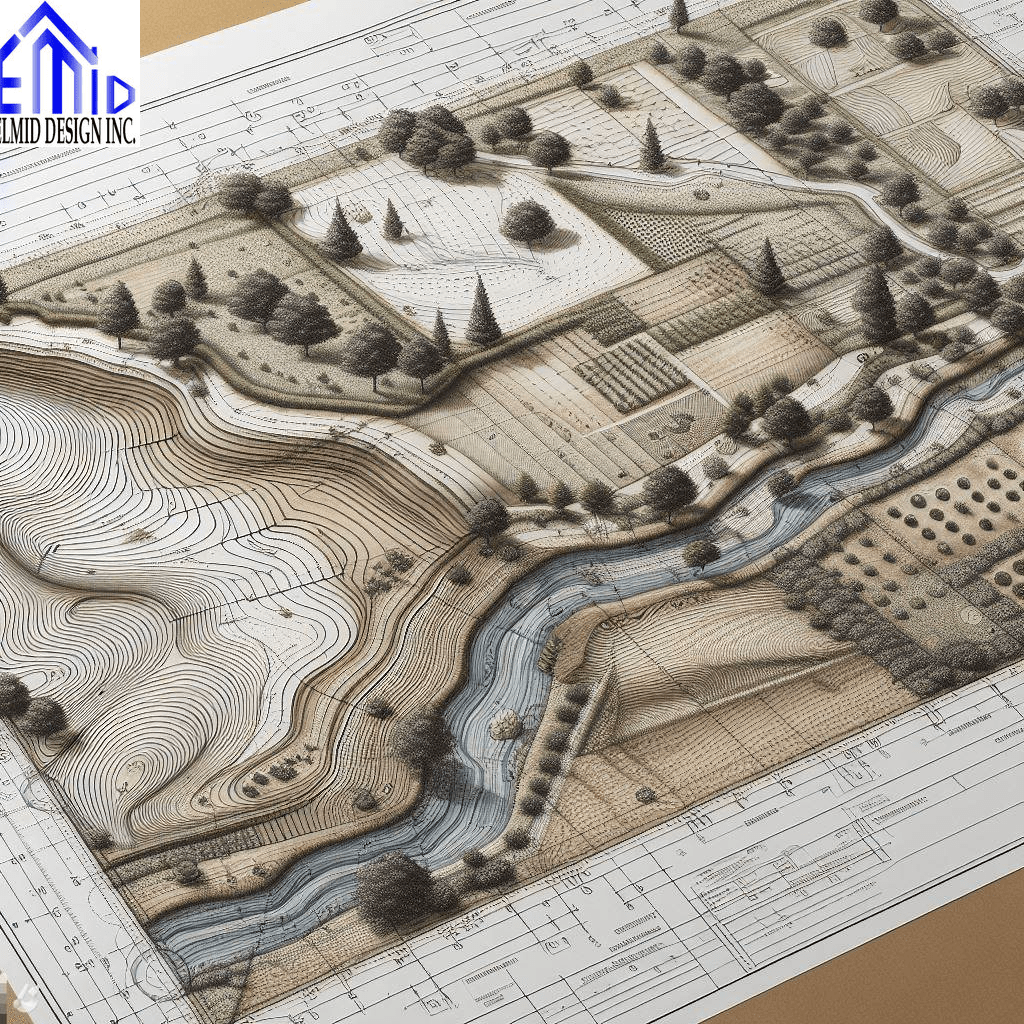
Stormwater Management Report King City Approval Requirements
A Stormwater Management Report King City must satisfy several technical requirements before municipal approval. Review agencies examine drainage design, hydrologic analysis, and environmental protection measures. Furthermore, staff evaluate consistency with local engineering standards and watershed objectives. Developers must provide complete documentation to support technical conclusions. Otherwise, delays may occur during the review process. Early coordination with municipal departments often improves approval timelines. Moreover, comprehensive submissions reduce the need for multiple revisions. Therefore, a well-prepared report strengthens project efficiency and supports successful development applications.
Hydrologic Analysis for Stormwater Management Report King City
Hydrologic analysis predicts how rainfall generates runoff across a development site. Engineers use recognized methods to estimate runoff volumes and peak flow rates. Furthermore, calculations consider land use, soil conditions, and drainage characteristics. Accurate hydrologic analysis supports reliable stormwater infrastructure design. In addition, municipal reviewers rely on these results when assessing project impacts. Poor assumptions may produce inaccurate conclusions and increase project risks. Consequently, engineers carefully evaluate all relevant site conditions before completing hydrologic calculations. This process creates a strong technical foundation for stormwater planning.
Design Storm Selection and Evaluation
Design storms help engineers evaluate drainage system performance under different rainfall conditions. Each storm event represents a specific rainfall intensity and duration. Therefore, engineers assess infrastructure performance across multiple storm scenarios. Smaller storms often focus on water quality objectives. Larger storms evaluate flood protection and system capacity. Moreover, design storm analysis identifies potential drainage limitations before construction begins. Municipal criteria establish minimum requirements for stormwater assessments. Consequently, proper storm selection ensures consistent analysis and reliable infrastructure performance throughout the project lifecycle.
Minor Drainage System Design
Minor drainage systems manage runoff generated during frequent rainfall events. These systems typically include catch basins, pipes, and local drainage infrastructure. Engineers design minor systems to convey runoff efficiently and safely. Furthermore, proper design reduces ponding and protects transportation infrastructure. Hydraulic calculations verify system capacity under expected conditions. Municipal reviewers carefully assess pipe sizing and flow characteristics. Therefore, engineers must coordinate drainage layouts with grading and servicing plans. Effective minor systems improve site functionality and support long-term infrastructure reliability.
Major Drainage System Planning
Major drainage systems manage runoff during larger storm events when minor systems reach capacity. These systems direct excess water along controlled flow paths. Engineers identify overland routes that minimize flood risks and property impacts. Furthermore, major systems provide an additional layer of protection during extreme rainfall events. Careful planning helps prevent uncontrolled flooding across developed areas. Municipal standards often specify performance requirements for major drainage networks. Consequently, engineers incorporate these systems into comprehensive stormwater management strategies. Proper planning strengthens community resilience and infrastructure protection.
Stormwater Management Ponds
Stormwater management ponds remain common components of drainage infrastructure throughout Ontario communities. These facilities provide quantity control, quality treatment, and operational flexibility. Engineers design ponds to capture runoff and release water gradually. Furthermore, ponds help reduce downstream flooding and environmental impacts. Vegetation and sediment storage areas improve water treatment performance. Municipal agencies often require pond maintenance programs to preserve functionality. Therefore, proper design and operation remain essential for long-term effectiveness. Well-designed ponds support both environmental and engineering objectives.
Underground Storage Systems
Underground storage systems provide stormwater management where surface space remains limited. These facilities store runoff beneath parking areas, roadways, or landscaped spaces. Engineers often select underground systems for urban development projects. Furthermore, these facilities preserve valuable land for other uses. Design teams must evaluate maintenance access and long-term performance. Hydraulic modeling determines storage requirements and discharge characteristics. Consequently, underground storage offers a practical solution for challenging development sites. Proper design ensures reliable operation and regulatory compliance.
Water Balance Assessment
Water balance assessment examines how development affects natural hydrologic processes. Engineers evaluate infiltration, evaporation, and runoff conditions before and after development. Furthermore, water balance analysis supports environmental sustainability objectives. Maintaining natural water movement helps protect groundwater resources and stream health. Municipal agencies increasingly emphasize water balance considerations during project reviews. Therefore, engineers incorporate infiltration measures where site conditions permit. Effective water balance strategies support watershed protection and sustainable land development. This approach aligns infrastructure planning with environmental stewardship goals.
Groundwater Considerations
Groundwater conditions influence many aspects of stormwater management design. Engineers evaluate groundwater elevations, seasonal fluctuations, and soil permeability. Furthermore, groundwater information helps determine infiltration feasibility and infrastructure requirements. High groundwater levels may limit certain stormwater management practices. Conversely, suitable conditions may support infiltration-based solutions. Accurate groundwater assessments improve design reliability and environmental protection. Consequently, geotechnical investigations often form an important part of project planning. Understanding groundwater behavior helps engineers develop practical and effective stormwater systems.
Construction Phase Stormwater Controls
Construction activities can generate sediment and increase erosion risks if unmanaged. Therefore, engineers develop temporary stormwater controls during site development. These measures reduce sediment transport and protect nearby watercourses. Furthermore, construction controls help maintain compliance with environmental requirements. Contractors must install and maintain these systems throughout construction activities. Regular inspections support effective performance and timely corrective actions. Consequently, construction-phase controls play a vital role in protecting environmental resources. Proper management reduces project risks and supports responsible development practices.
Sediment and Erosion Management Plans
Sediment and erosion management plans identify measures that protect natural features during construction. Engineers evaluate site conditions and determine appropriate control strategies. Furthermore, these plans establish inspection and maintenance requirements. Effective controls reduce sediment migration and preserve water quality. Municipal agencies often require detailed erosion management documentation. Therefore, project teams must integrate these measures into construction planning. Strong erosion management programs protect environmental resources and support regulatory compliance. Careful implementation helps maintain project performance throughout construction.
Environmental Protection Objectives
Environmental protection remains a central objective of every Stormwater Management Report King City. Development projects must balance growth with natural resource conservation. Therefore, engineers evaluate potential impacts on streams, wetlands, and vegetation. Furthermore, stormwater controls help reduce pollutant loads and erosion risks. Sustainable design practices strengthen environmental outcomes while supporting development objectives. Municipal and conservation authorities emphasize long-term watershed protection. Consequently, environmental considerations influence many technical decisions during project planning. This integrated approach promotes responsible and sustainable growth.
Integration with Municipal Infrastructure
Stormwater systems must integrate effectively with existing municipal infrastructure networks. Engineers evaluate downstream capacity and drainage system connections. Furthermore, infrastructure compatibility helps prevent operational conflicts and performance issues. Proper integration supports efficient water movement across the broader drainage network. Municipal reviewers assess these interactions during technical reviews. Therefore, engineers coordinate stormwater design with servicing and transportation infrastructure. Effective integration improves infrastructure performance and reduces long-term maintenance challenges. This coordinated approach supports sustainable community development.
Long-Term Maintenance Requirements
Every Stormwater Management Report King City should address long-term maintenance considerations. Stormwater facilities require regular inspections and maintenance activities. Furthermore, sediment removal and vegetation management support continued performance. Engineers develop maintenance recommendations based on facility characteristics and operational needs. Municipal agencies often review maintenance strategies during approvals. Proper maintenance protects infrastructure investments and environmental benefits. Consequently, long-term planning remains an essential component of stormwater management design. Reliable maintenance programs help ensure consistent system performance over time.
Role of Monitoring Programs
Monitoring programs help verify stormwater system performance after construction. Engineers and municipalities use monitoring data to assess operational effectiveness. Furthermore, monitoring identifies maintenance needs and potential performance concerns. Reliable data supports informed decision-making and continuous improvement. Many complex developments benefit from structured monitoring programs. Therefore, project teams often include monitoring recommendations within stormwater reports. Ongoing evaluation strengthens environmental protection and infrastructure management. Effective monitoring contributes to successful long-term stormwater management outcomes.
Future Trends in Stormwater Management Report King City
Modern stormwater management continues to evolve alongside changing environmental and development challenges. Engineers increasingly incorporate green infrastructure and climate adaptation strategies. Furthermore, advanced modeling tools improve analysis accuracy and design efficiency. Municipalities also encourage sustainable solutions that support watershed health. As regulations evolve, stormwater reports continue to become more comprehensive. Therefore, project teams must remain informed about emerging practices and technical requirements. Forward-looking planning supports resilient infrastructure and responsible growth throughout King City. These advancements will continue shaping stormwater management approaches in future developments.
Stormwater Management Report King City Submission Process
A Stormwater Management Report King City follows a structured submission process during development approvals. Developers typically submit the report alongside servicing, grading, and planning documents. Meanwhile, municipal staff review technical details and identify potential concerns. Engineers then address comments and provide updated information when necessary. Furthermore, early coordination often reduces review timelines and improves project efficiency. Strong submissions help agencies complete reviews more effectively. Consequently, applicants benefit from fewer revisions and faster approvals. Careful preparation remains essential throughout the submission process.
Technical Studies Supporting Stormwater Reports
Several technical studies support a Stormwater Management Report King City during the review process. Geotechnical investigations provide information about soil conditions and groundwater levels. Additionally, topographic surveys establish accurate drainage patterns and site elevations. Environmental studies may evaluate nearby natural features and ecological constraints. Traffic and servicing reports often support broader development planning objectives. Therefore, engineers integrate findings from multiple disciplines into one coordinated design strategy. This approach improves technical accuracy and strengthens regulatory compliance.
Common Stormwater Management Challenges
Many development projects face unique stormwater management challenges during planning and design. Limited space often restricts stormwater facility placement and sizing. Meanwhile, complex grading conditions may affect drainage performance. High groundwater levels can also limit infiltration opportunities. Furthermore, downstream infrastructure constraints may require additional mitigation measures. Engineers must balance technical requirements with site limitations and project goals. Therefore, successful projects rely on detailed analysis and creative design solutions. Early identification of challenges helps improve project outcomes.
Benefits of Early Stormwater Planning
Early stormwater planning creates significant advantages for development projects in King City. Design teams can identify drainage constraints before detailed engineering begins. Moreover, early planning reduces redesign efforts and approval delays. Developers gain a clearer understanding of infrastructure requirements and project costs. Municipal reviewers also benefit from better coordinated submissions. Consequently, projects often move through approvals more efficiently. Proactive planning supports stronger engineering solutions and improved project management. This approach helps reduce risks throughout the development process.
Stormwater Management Report King City for Residential Developments
Residential developments require comprehensive stormwater analysis to support municipal approvals. Engineers evaluate runoff impacts from roads, driveways, roofs, and landscaped areas. Furthermore, residential projects must protect nearby properties from drainage issues. Stormwater controls help maintain acceptable flow rates and water quality conditions. Effective planning also supports community safety and infrastructure performance. Therefore, residential developments rely heavily on detailed stormwater assessments. Proper design contributes to sustainable neighborhood growth and environmental protection.
Stormwater Management Report King City for Commercial Developments
Commercial developments often generate substantial runoff because large paved areas limit infiltration. Engineers must address runoff quantity, water quality, and operational requirements. Furthermore, commercial projects may require advanced stormwater treatment systems. Parking lots, loading areas, and building footprints influence drainage design decisions. Consequently, engineers develop site-specific solutions that satisfy municipal standards. Proper stormwater management supports business operations while protecting surrounding infrastructure. Careful planning helps commercial developments achieve regulatory compliance and long-term functionality.
Stormwater Management Report King City for Industrial Developments
Industrial developments often require detailed stormwater management strategies because operational activities may affect runoff quality. Engineers evaluate drainage conditions and identify appropriate treatment measures. Furthermore, industrial projects frequently include large building areas and extensive paved surfaces. Stormwater controls help reduce environmental impacts and maintain regulatory compliance. Effective infrastructure also supports operational reliability and property protection. Therefore, industrial developments benefit from comprehensive stormwater planning and technical analysis. Proper design strengthens both environmental and business objectives.
Green Infrastructure and Stormwater Management
Green infrastructure continues to influence modern stormwater management practices across Ontario. Engineers increasingly incorporate natural features into drainage system designs. Moreover, green infrastructure supports infiltration, evaporation, and pollutant removal processes. Vegetated systems can improve water quality while reducing runoff volumes. Municipal agencies often encourage these approaches because they support sustainability goals. Consequently, many projects combine traditional infrastructure with green solutions. This balanced strategy improves environmental performance and long-term resilience.
Sustainable Development and Watershed Protection
Sustainable development depends on effective stormwater management and watershed protection strategies. Engineers seek solutions that balance growth with environmental responsibility. Furthermore, healthy watersheds support water quality, aquatic habitats, and community well-being. Stormwater controls help reduce erosion and pollutant transport throughout drainage systems. Consequently, development projects must consider both immediate and long-term impacts. Integrated planning strengthens environmental protection and infrastructure performance. This approach supports responsible growth throughout King City.
Engineering Standards and Best Practices
Engineering standards guide the preparation of every Stormwater Management Report King City. These standards establish expectations for analysis methods, design criteria, and documentation requirements. Furthermore, best practices help engineers develop reliable and efficient solutions. Consistent application of recognized standards improves technical quality and review outcomes. Municipal agencies depend on these standards during project evaluations. Therefore, engineers must remain current with evolving requirements and industry practices. Strong technical foundations support successful project delivery.
Importance of Professional Engineering Review
Professional engineering review ensures technical accuracy throughout the stormwater management process. Experienced engineers evaluate calculations, design assumptions, and infrastructure performance. Furthermore, professional oversight helps identify potential issues before construction begins. Reliable reviews improve project quality and reduce long-term risks. Firms such as Elmid Design Inc provide engineering expertise for stormwater planning and development projects. Since Elmid Design Inc maintains a Certificate of Authorization from Professional Engineers Ontario, clients benefit from recognized professional standards. Technical expertise remains essential for successful project outcomes.
Future Development Trends in King City
King City continues to experience growth that increases demand for effective stormwater infrastructure. Engineers must address evolving environmental and regulatory expectations. Meanwhile, municipalities continue refining development standards and technical requirements. Climate resilience also plays a growing role in infrastructure planning. Consequently, future projects will require increasingly sophisticated stormwater management strategies. Forward-thinking design approaches will help support sustainable development objectives. Ongoing innovation will continue shaping the future of stormwater management across the community.
FAQ
What is a Stormwater Management Report King City?
A Stormwater Management Report King City evaluates how a development manages runoff, protects water quality, and reduces flood risks. Engineers prepare the report to support development approvals and demonstrate compliance with municipal requirements.
Why does King City require a Stormwater Management Report?
King City requires stormwater reports to protect infrastructure, natural resources, and surrounding properties. The report helps reviewers assess potential impacts before construction begins.
Who prepares a Stormwater Management Report King City?
Qualified professional engineers prepare stormwater management reports. These specialists analyze drainage conditions, complete technical calculations, and design stormwater management systems.
What information does a Stormwater Management Report include?
The report typically includes site conditions, drainage analysis, hydrologic calculations, hydraulic modeling, grading information, and stormwater control measures. Supporting studies may also form part of the submission.
When should a Stormwater Management Report be completed?
Developers should complete stormwater studies during the early planning stages of a project. Early preparation helps identify constraints and supports efficient approvals.
What are stormwater quantity controls?
Stormwater quantity controls manage runoff volumes and peak flow rates. These measures help reduce flooding risks and protect downstream infrastructure.
What are stormwater quality controls?
Stormwater quality controls remove pollutants from runoff before discharge occurs. These systems help protect streams, groundwater resources, and aquatic ecosystems.
How do Low Impact Development practices help stormwater management?
Low Impact Development practices encourage infiltration and natural water movement. These techniques reduce runoff volumes and improve water quality performance.
Can a development proceed without a Stormwater Management Report King City?
Most development applications requiring municipal review cannot proceed without appropriate stormwater documentation. Approval agencies use the report to evaluate drainage and environmental impacts.
Why is professional engineering expertise important for stormwater management?
Professional engineers provide technical analysis, design expertise, and regulatory knowledge. Their work helps ensure safe, effective, and compliant stormwater management solutions.

Trusted Engineering Solutions for Stormwater Management and Land Development
Elmid Design Inc. provides professional engineering services for stormwater management, site servicing, grading design, and land development projects across Ontario. The firm holds a Certificate of Authorization from Professional Engineers Ontario, demonstrating its commitment to professional standards and technical excellence. With extensive experience in Stormwater Management Report preparation, Elmid Design Inc. helps developers, property owners, and municipalities achieve efficient, compliant, and sustainable project outcomes. Through practical engineering solutions and detailed technical analysis, the company supports successful development approvals while protecting infrastructure and environmental resources.
Geographic Locations That We Service:
Our Licensed Professional Engineers specializing in Engineered Site Grading Plans offer the best-engineered site grading plan, lot grading and erosion plan, and drainage plan to obtain site plan approval and building permits in Ontario, including a wide range of municipalities. Each area boasts unique features and requirements, making our tailored approach essential for success.
Toronto and Surrounding Areas
In the vibrant heart of Ontario, we service Toronto (City of Toronto) and surrounding areas. Additionally, we cover Oshawa (City of Oshawa), Pickering (City of Pickering), and Clarington (Municipality of Clarington). Furthermore, our expertise extends to Ajax (Town of Ajax), Whitby (Town of Whitby), Brock (Township of Brock), Scugog (Township of Scugog and Uxbridge (Township of Uxbridge).
Halton Region
Moving to the Halton Region, our services encompass Burlington (City of Burlington) and Halton Hills (Town of Halton Hills). Also included are Milton (Town of Milton) and Oakville (Town of Oakville).
Peel Region
In the Peel Region, we provide services in Brampton (City of Brampton), Mississauga (City of Mississauga), and Caledon (Town of Caledon).
York Region
Our services in the York Region cover Vaughan (City of Vaughan), Aurora (Town of Aurora), and East Gwillimbury (Town of East Gwillimbury). We also cater to Georgina (Town of Georgina), Markham (City of Markham), Newmarket (Town of Newmarket), Richmond Hill (City of Richmond Hill), Whitchurch-Stouffville (Town of Whitchurch-Stouffville), King (Township of King), and Bradford-West Gwillimbury (Town of Bradford-West Gwillimbury). Each municipality here offers a distinct setting, requiring our specialized approach.
Other Southern Ontario Cities and Towns
We also serve many other cities and towns in Southern Ontario. These include Hamilton (City of Hamilton), St. Catharines (City of St. Catharines), Niagara on the Lake (Town of Niagara on the Lake), Brant (County of Brant), Cambridge (City of Cambridge), Kitchener (City of Kitchener), Waterloo (City of Waterloo), and Woodstock (City of Woodstock). Furthermore, we operate in Guelph (City of Guelph), Centre Wellington (Township of Centre Wellington), Shelburne (Town of Shelburne), Orangeville (Town of Orangeville), New Tecumseth (Town of New Tecumseth), Essa (Town of Essa), Collingwood (Town of Collingwood), Wasaga Beach (Town of Wasaga Beach), Barrie (City of Barrie), Midland (Town of Midland), Orillia (City of Orillia), Ramara (Town of Ramara), Minden Hills (Town of Minden Hills), North Kawartha (Town of North Kawartha), Kawartha Lakes (City of Kawartha Lakes), Peterborough (City of Peterborough), Selwyn (Town of Selwyn), and Brighton (Municipality of Brighton).