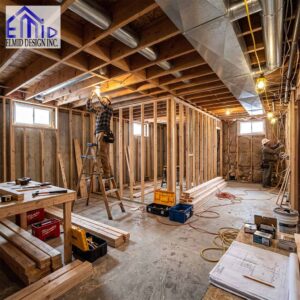
Grading permit Oakville ensures that land changes follow local rules and protect nearby properties. Proper permits help control drainage and prevent water damage. Many projects require approval before grading begins. Without a permit, work may lead to fines or delays. Therefore, homeowners and builders must understand permit requirements early. A clear grading plan supports faster approvals and safer construction. Professional guidance also improves success rates. Many property issues start with poor grading decisions. Smart planning helps avoid those risks. Strong compliance protects both property and investment.
What Is a Grading Permit Oakville
Grading permit Oakville allows property owners to change land elevation legally. This permit ensures grading work meets local safety standards. Contractors must follow approved plans during construction. These plans show slopes, drainage paths, and elevation changes. Without approval, grading work may harm nearby properties. Therefore, the permit protects both the owner and neighbors. It also ensures proper water management across the site. Many projects require permits before work begins. Legal approval helps avoid costly mistakes. Understanding permit rules supports smoother project flow.
Difference Between Grading Permit and Building Permit
A grading permit focuses on land shaping and drainage control. A building permit covers structural construction work. Both permits may apply to the same project. However, each serves a different purpose. Grading permits ensure safe land conditions before building starts. Building permits ensure structures meet safety codes. Therefore, both approvals work together for project success. Contractors must follow both sets of requirements carefully. Ignoring one permit can delay the project. Proper coordination helps avoid problems later.
Why Grading Permit Oakville Matters
Grading permit Oakville protects properties from drainage issues and soil problems. Without proper slopes, water can collect near foundations. This may lead to structural damage over time. Therefore, permits ensure correct grading design. Approved plans guide contractors during work. This reduces errors and improves site safety. Permits also protect neighboring properties from runoff changes. Good planning prevents disputes and damage claims. Owners gain peace of mind through compliance. Safe grading starts with proper approval.
When You Need a Grading Permit Oakville
Many projects require a grading permit in Oakville. New home construction often needs full grading approval. Major landscaping changes may also require permits. Pool installations can change drainage patterns significantly. Home additions often affect surrounding land slopes. Therefore, permits ensure safe adjustments. Any work that changes elevation may trigger requirements. Owners should confirm rules before starting work. Early approval avoids costly delays later. Knowing when permits apply saves time and money.
Residential Grading Permit Requirements
Residential grading permit Oakville requires detailed plans and documents. Contractors must show how water will flow across the property. Plans include elevation levels and slope directions. Drainage systems may also be required. These details help prevent water pooling. Inspectors review plans before approval. Owners must follow approved drawings during construction. Any changes may need new approval. Clear plans help speed up the process. Proper documentation supports successful projects.
Grading Plans for Permit Approval
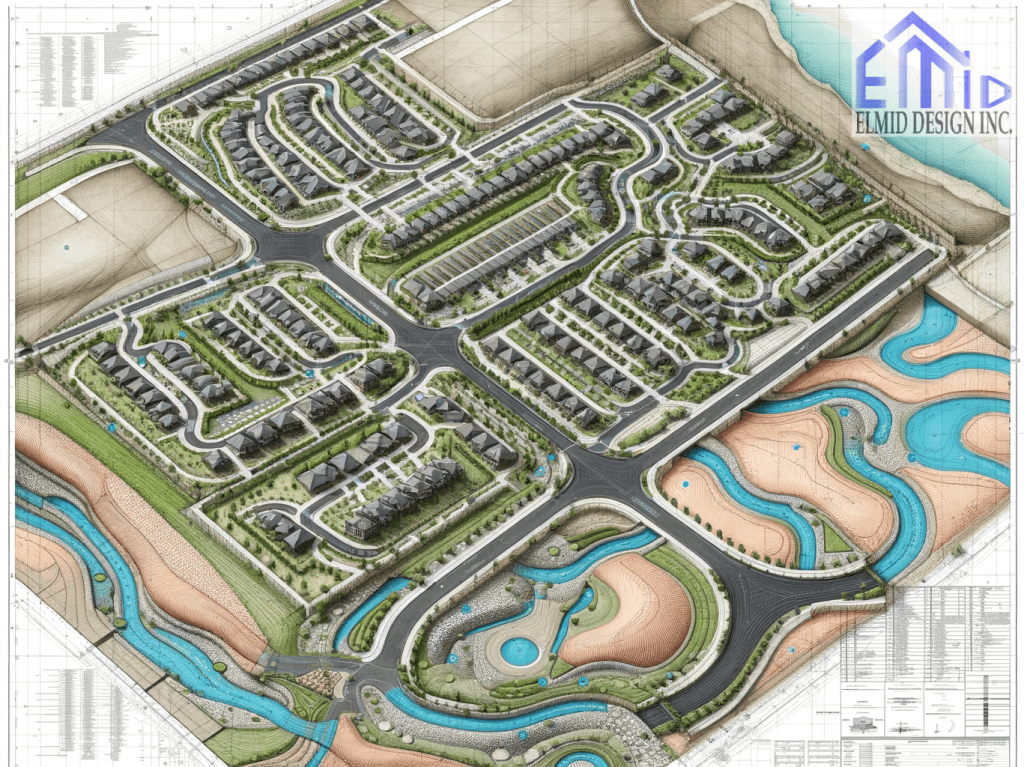
Grading plans play a key role in permit approval. Engineers or designers prepare these plans carefully. They show existing and proposed land elevations. They also explain how water will move across the site. Proper plans reduce risks during construction. Therefore, accurate design is very important. Inspectors rely on these drawings for approval. Good plans also guide contractors during work. Strong planning prevents costly changes later. Clear design supports smooth approvals.
Drainage Design Requirements
Drainage design ensures water flows safely away from structures. Contractors must include drainage solutions in grading plans. These may include swales or drainage systems. Proper design prevents standing water problems. It also protects nearby properties from runoff. Therefore, drainage planning is critical for approval. Engineers often review these systems carefully. Good drainage keeps foundations dry. Strong design reduces future repair costs. Safe water control improves property performance.
Elevation and Slope Control
Elevation control ensures proper height differences across the site. Slopes guide water flow away from buildings. Contractors must follow approved elevation levels. Small changes can affect drainage performance. Therefore, accurate measurements are important. Survey data helps create correct plans. Crews use tools to maintain proper slopes. Good elevation control improves safety and function. Strong slopes prevent water buildup. Proper grading depends on correct levels.
Inspection Process for Grading Permit
Inspectors review grading work during and after construction. They check slopes and drainage conditions. Contractors must follow approved plans closely. Any deviation may require correction. Therefore, inspections ensure compliance with standards. Owners should schedule inspections on time. Passing inspections confirms proper work completion. This step is important for project approval. Good preparation helps pass inspections easily. Careful work reduces reinspection risks.
Common Mistakes in Grading Permits
Many owners make mistakes during the permit process. Some start work without approval. Others submit incomplete grading plans. Incorrect slopes may also cause issues. These mistakes can delay projects significantly. Therefore, proper planning is essential. Contractors should review all requirements first. Clear communication helps avoid errors. Professional support reduces risk greatly. Avoiding mistakes saves time and money.
How Professionals Help with Grading Permits
Professionals guide owners through the grading permit process. They prepare accurate plans and documents. They also ensure compliance with local rules. This helps speed up approvals. Experts understand common challenges in grading work. Therefore, they provide practical solutions. Owners benefit from reduced stress and delays. Professional support improves project success rates. Clear guidance helps avoid costly errors. Skilled help adds real value.
Role of Engineering in Grading Permit Oakville
Engineering plays a key role in grading permit approval. Engineers design safe and effective grading plans. They calculate slopes and drainage systems carefully. Their work ensures compliance with standards. Elmid Design Inc provides expert engineering support for grading permits. Their team prepares detailed plans and guides clients through approvals. Strong engineering reduces delays and errors. Professional design improves project outcomes. Reliable expertise supports successful grading work.
How to Apply for Grading Permit Oakville
Applying for a grading permit Oakville requires clear steps and proper documents. First, owners review project requirements carefully. Next, they prepare grading plans with accurate details. Then, they submit the application to the local authority. After that, officials review the documents for compliance. If needed, they may request revisions. Therefore, complete submissions help avoid delays. Clear planning improves approval chances greatly. Early preparation keeps the process smooth. Following each step ensures faster results.
Documents Required for Grading Permit Oakville
Every grading permit application needs specific documents. First, applicants must include grading plans. Next, they provide elevation drawings and drainage details. In addition, surveys may be required for accuracy. These documents show how land will change. They also explain water flow across the site. Therefore, complete submissions support faster approval. Missing details may cause delays. Clear documentation helps reviewers understand the project. Strong preparation improves success rates.
Submission Process for Grading Permit
Submitting a grading permit Oakville application involves several steps. First, owners gather all required documents. Then, they complete the application form carefully. After that, they submit the package for review. Officials then check compliance with local rules. If issues appear, they request changes. Therefore, accurate submissions save time. Clear communication also helps the process move faster. Following instructions reduces rejection risks. Organized applications lead to smoother approvals.
Approval Timeline for Grading Permit Oakville
Approval time for grading permits varies by project size. Simple applications may move faster through review. Complex projects often take longer due to detailed checks. Therefore, early submission helps avoid delays. Reviewers assess grading plans and drainage design carefully. They ensure compliance with local standards. Clear and accurate plans speed up decisions. Incomplete applications may slow the process. Owners should plan timelines ahead. Good preparation supports faster approvals.
Cost of Grading Permit Oakville
Grading permit Oakville costs depend on project scope and requirements. Permit fees cover application review and inspections. In addition, engineering plans may add extra costs. Survey work may also increase expenses. However, proper permits prevent costly mistakes later. Therefore, owners should budget early. Clear estimates help manage expenses better. Investing in proper permits protects the project. Good planning reduces unexpected costs. Smart budgeting supports smooth progress.
Engineering Costs and Requirements
Engineering support plays a major role in grading permits. Engineers prepare grading plans and drainage designs. Their work ensures compliance with local rules. Therefore, engineering fees form part of the total cost. Accurate designs reduce approval delays. Professionals also help avoid costly errors. Owners benefit from expert guidance during the process. Strong engineering improves project outcomes. Reliable support adds long-term value. Proper design protects the investment.
Survey and Inspection Costs
Survey and inspection costs support grading permit approval. Surveyors measure land elevations and boundaries. This data ensures accurate grading plans. Inspectors review work during construction. They confirm compliance with approved drawings. Therefore, these costs help ensure quality. Skipping surveys may lead to errors. Proper inspection prevents future issues. Owners should include these costs in planning. Accurate work depends on proper checks.
Common Mistakes in Permit Applications
Many applicants face delays due to common mistakes. Some submit incomplete grading plans. Others ignore drainage requirements. Starting work without approval creates major issues. Therefore, careful preparation is important. Applicants should review requirements before submission. Clear communication helps avoid errors. Professional support reduces risks. Fixing mistakes can take time and money. Smart planning prevents these problems.
Starting Work Without Approval
Starting grading without a permit can cause serious issues. Authorities may stop the project immediately. Owners may face fines or penalties. In some cases, they must redo the work. Therefore, approval should come before any grading begins. Waiting for permits protects the project. Legal compliance ensures smoother progress. Early planning avoids unnecessary risks. Proper approval supports safe construction. Following rules prevents major setbacks.
Incorrect Grading Plans
Incorrect grading plans can delay approval significantly. Wrong slopes may cause drainage problems. Missing details can confuse reviewers. Therefore, plans must be accurate and complete. Engineers help create reliable designs. Clear drawings improve approval speed. Poor plans may require revisions. This adds time and cost to the project. Strong design reduces these risks. Accuracy matters in every plan.
Ignoring Inspection Requirements
Ignoring inspections can lead to project failure. Inspectors verify work during construction. They ensure grading matches approved plans. Missing inspections may result in penalties. Therefore, owners must schedule inspections on time. Proper coordination helps pass inspections smoothly. Contractors should follow requirements carefully. Good communication supports success. Inspections protect both property and investment. Compliance ensures final approval.
How Long Does It Take to Get a Permit
Permit timelines depend on project complexity. Simple applications may take less time. Larger projects require detailed reviews. Therefore, timelines can vary greatly. Early submission helps reduce waiting periods. Accurate plans also speed up approval. Delays often result from missing information. Owners should plan schedules carefully. Clear preparation improves timing. Efficient applications move faster.
Tips to Speed Up Permit Approval
Applicants can take steps to speed up approval. First, they should prepare complete documents. Next, they should review all requirements carefully. Then, they should work with professionals for plans. Clear communication helps resolve issues quickly. Accurate submissions reduce revision requests. Therefore, preparation saves time. Early planning improves approval speed. Organized applications perform better. Smart steps lead to faster results.
Why Choose Professional Support
Professional support improves the grading permit process. Experts understand local requirements and standards. They prepare accurate documents and plans. Therefore, approvals often move faster. Professionals also reduce errors and delays. Owners benefit from clear guidance throughout the process. Skilled help improves project success rates. Reliable support adds confidence to every step. Expert knowledge ensures compliance. Strong assistance leads to better outcomes.
Why Choose Elmid Design Inc
Elmid Design Inc supports grading permit Oakville with expert engineering services. Their team prepares grading plans and drainage designs carefully. In addition, they guide clients through the permit process. As a result, projects move forward with fewer delays. Moreover, strong planning reduces costly changes. The company focuses on accuracy and compliance. Therefore, reliable engineering improves approval success. Meanwhile, clients receive clear communication at every stage. Consequently, professional support creates lasting confidence.
Benefits of Getting a Grading Permit Oakville
Grading permit Oakville offers many benefits for property owners and developers. First, it ensures legal compliance with local regulations. Next, it protects properties from drainage issues. Proper grading prevents water from damaging foundations. In addition, approved plans guide safe construction work. As a result, projects move forward with fewer risks. Moreover, permits help avoid fines and delays. Therefore, early approval saves time and money. Owners gain peace of mind through compliance. Strong permits support long-term property performance.
Legal Compliance and Safety
Legal compliance plays a key role in grading projects. Without permits, work may violate local laws. This can lead to penalties or project shutdowns. Therefore, obtaining a grading permit Oakville protects owners legally. In addition, approved plans ensure safe land changes. Inspectors review work to confirm compliance. As a result, safety improves across the site. Moreover, proper grading protects nearby properties. Following rules reduces disputes with neighbors. Legal approval supports smooth project completion.
Better Drainage Control
Proper drainage control improves with approved grading plans. Water must flow away from buildings safely. Therefore, grading permits ensure correct slope design. Contractors follow these plans during construction. As a result, water pooling reduces significantly. In addition, drainage systems work more effectively. Good water control protects foundations from damage. Moreover, lawns and landscapes stay healthier. Strong drainage improves overall property function. Proper grading prevents long-term issues.
Avoiding Fines and Project Delays
Skipping permits can create serious problems. Authorities may stop work without approval. Owners may face fines or penalties. Therefore, obtaining a grading permit Oakville avoids these risks. In addition, approved plans prevent rework. As a result, projects stay on schedule. Clear compliance reduces stress during construction. Moreover, proper planning supports smooth inspections. Avoiding delays saves both time and money. Early approval keeps projects moving forward.
Grading Permit Oakville and Property Value
Grading permit Oakville can improve property value over time. Buyers prefer properties with proper drainage systems. Dry basements and stable land increase confidence. Therefore, approved grading plans add long-term value. In addition, compliance shows responsible ownership. As a result, properties become more attractive in the market. Strong grading reduces future repair concerns. Moreover, well-maintained land improves curb appeal. Smart planning supports higher resale potential.
Buyer Confidence and Market Appeal
Buyers often inspect drainage and land condition carefully. Poor grading may raise concerns quickly. Therefore, a grading permit Oakville increases buyer trust. Approved plans show that work meets standards. In addition, proper grading improves surface appearance. As a result, properties attract more interest. Clean and level land boosts first impressions. Moreover, strong drainage systems reduce risk for buyers. Confidence often leads to better offers.
Long-Term Investment Protection
Grading permits protect long-term investments effectively. Proper slopes prevent water damage over time. Therefore, owners avoid costly repairs later. In addition, stable land supports structures better. As a result, property lifespan increases. Strong grading reduces maintenance costs. Moreover, approved plans ensure consistent performance. Smart decisions today protect future value. Long-term protection starts with proper permits.
When to Review Grading After Approval
Grading work should be reviewed after completion. Seasonal changes can affect land performance. Therefore, owners should inspect slopes regularly. In addition, heavy rain may create new low spots. As a result, small adjustments may be needed. Contractors can fix minor issues quickly. Regular checks maintain proper drainage. Moreover, early repairs prevent larger problems. Ongoing review supports long-term success.
Role of Elmid Design Inc in Permit Success
Elmid Design Inc supports grading permit Oakville with expert engineering services. Their team prepares grading and drainage plans carefully. In addition, they guide clients through the approval process. As a result, projects move forward with fewer delays. Moreover, strong planning reduces costly changes. The company focuses on compliance and quality. Therefore, reliable engineering improves approval success. Meanwhile, clients receive clear communication at every step. Consequently, professional support ensures better outcomes.
FAQ
What is a grading permit Oakville?
A grading permit Oakville allows property owners to change land elevation legally. It ensures proper drainage and compliance with local regulations.
Do I always need a grading permit in Oakville?
Not every project needs a permit, but many do. New construction and major grading changes usually require approval.
How much does a grading permit Oakville cost?
Costs vary based on project size and requirements. Fees may include permit charges, engineering costs, and inspections.
Who prepares grading plans for permits?
Qualified engineers and professionals prepare grading plans. Elmid Design Inc provides expert support for accurate designs.
How long does it take to get approval?
Approval timelines depend on project complexity. Simple projects may take less time, while larger projects require detailed review.
Can I grade my property without a permit?
Grading without a permit can lead to fines and delays. It is safer to obtain approval before starting work.
What happens if I don’t get a grading permit?
Authorities may stop your project or require corrections. You may also face penalties or additional costs.
Do I need an engineer for grading permit Oakville?
Many projects require engineering support for grading plans. Engineers ensure compliance with local standards and improve approval success.
Can grading permits improve property value?
Yes, proper grading and permits improve drainage and stability. This increases buyer confidence and property value.
How often should I inspect graded land?
Owners should check grading yearly and after heavy rain. Regular inspections help maintain proper drainage and prevent issues.

Reliable Engineering Support for Grading and Permits
Elmid Design Inc. delivers trusted engineering services for grading permits, drainage design, and site development. Our experienced team prepares accurate grading plans that meet local requirements and support fast approvals. In addition, we guide clients through every step with clear communication and practical solutions. As a result, projects move forward smoothly and stay compliant. Moreover, our focus on quality and precision helps reduce delays and costly revisions. Therefore, Elmid Design Inc. provides dependable support for successful and efficient project outcomes.
Geographic Locations That We Service:
Our Licensed Professional Engineers specializing in Engineered Site Grading Plans offer the best-engineered site grading plan, lot grading and erosion plan, and drainage plan to obtain site plan approval and building permits in Ontario, including a wide range of municipalities. Each area boasts unique features and requirements, making our tailored approach essential for success.
Toronto and Surrounding Areas
In the vibrant heart of Ontario, we service Toronto (City of Toronto) and surrounding areas. Additionally, we cover Oshawa (City of Oshawa), Pickering (City of Pickering), and Clarington (Municipality of Clarington). Furthermore, our expertise extends to Ajax (Town of Ajax), Whitby (Town of Whitby), Brock (Township of Brock), Scugog (Township of Scugog and Uxbridge (Township of Uxbridge).
Halton Region
Moving to the Halton Region, our services encompass Burlington (City of Burlington) and Halton Hills (Town of Halton Hills). Also included are Milton (Town of Milton) and Oakville (Town of Oakville).
Peel Region
In the Peel Region, we provide services in Brampton (City of Brampton), Mississauga (City of Mississauga), and Caledon (Town of Caledon).
York Region
Our services in the York Region cover Vaughan (City of Vaughan), Aurora (Town of Aurora), and East Gwillimbury (Town of East Gwillimbury). We also cater to Georgina (Town of Georgina), Markham (City of Markham), Newmarket (Town of Newmarket), Richmond Hill (City of Richmond Hill), Whitchurch-Stouffville (Town of Whitchurch-Stouffville), King (Township of King), and Bradford-West Gwillimbury (Town of Bradford-West Gwillimbury). Each municipality here offers a distinct setting, requiring our specialized approach.
Other Southern Ontario Cities and Towns
We also serve many other cities and towns in Southern Ontario. These include Hamilton (City of Hamilton), St. Catharines (City of St. Catharines), Niagara on the Lake (Town of Niagara on the Lake), Brant (County of Brant), Cambridge (City of Cambridge), Kitchener (City of Kitchener), Waterloo (City of Waterloo), and Woodstock (City of Woodstock). Furthermore, we operate in Guelph (City of Guelph), Centre Wellington (Township of Centre Wellington), Shelburne (Town of Shelburne), Orangeville (Town of Orangeville), New Tecumseth (Town of New Tecumseth), Essa (Town of Essa), Collingwood (Town of Collingwood), Wasaga Beach (Town of Wasaga Beach), Barrie (City of Barrie), Midland (Town of Midland), Orillia (City of Orillia), Ramara (Town of Ramara), Minden Hills (Town of Minden Hills), North Kawartha (Town of North Kawartha), Kawartha Lakes (City of Kawartha Lakes), Peterborough (City of Peterborough), Selwyn (Town of Selwyn), and Brighton (Municipality of Brighton).