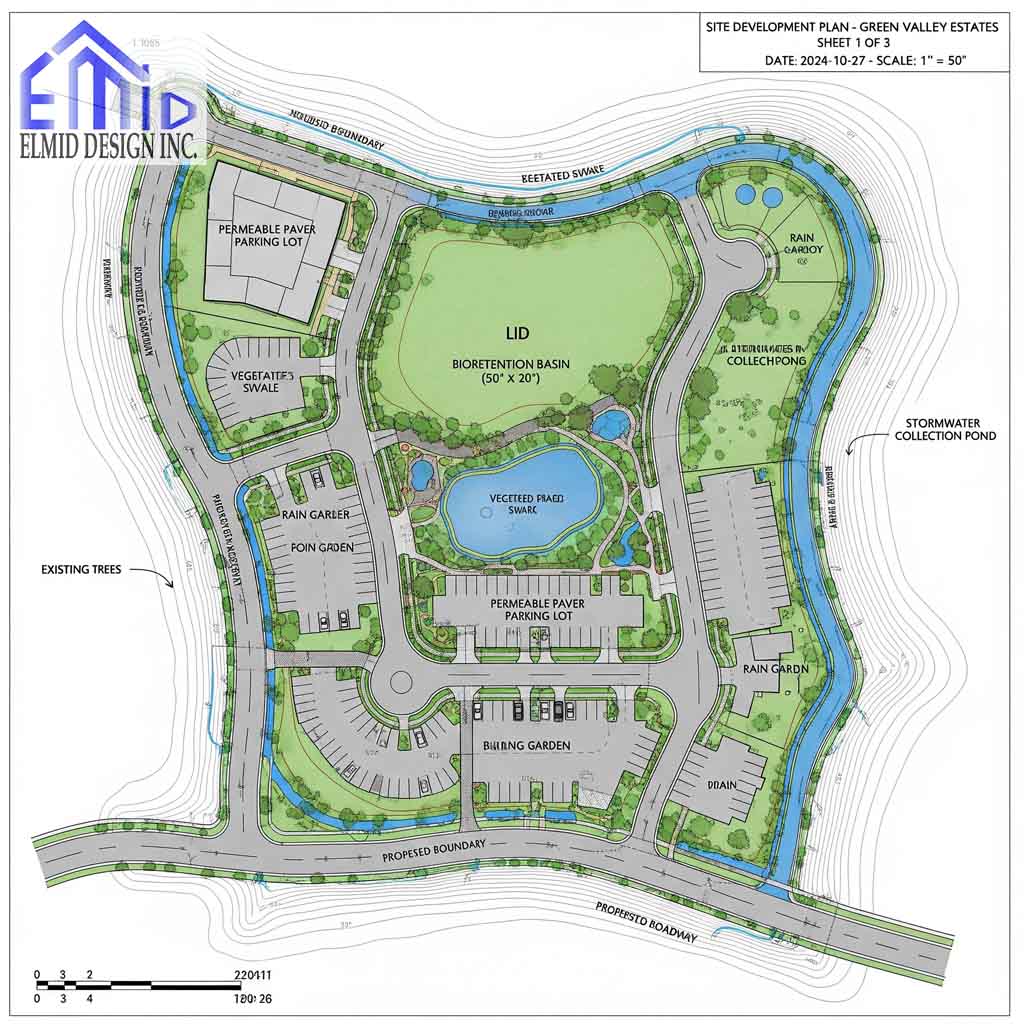
Stormwater engineer Richmond Hill has become an important search term as homeowners, builders, and property managers across the city look for reliable solutions that control runoff, prevent flooding, and support safe development. Richmond Hill grows quickly and changes to the land create new challenges with every storm. Hard surfaces increase, natural spaces shrink, and intense rainfall creates more pressure on the drainage system. Because of this shift, the city depends on trained stormwater engineers who understand how water moves through neighbourhoods and how to create systems that protect homes and businesses. This article explains the role of stormwater engineers in Richmond Hill, the challenges they solve, the systems they design, and the impact their work has on safety, infrastructure, and environmental health.
What Stormwater Means for Richmond Hill
Stormwater in Richmond Hill refers to rainfall and snowmelt that flows over paved surfaces, rooftops, driveways, and compacted soil. As water moves across these surfaces, it picks up speed and volume, especially during strong storms. Because Richmond Hill includes hills, valleys, creeks, and dense development, stormwater follows complex paths through the city. Stormwater engineers study these paths and design drainage systems that guide water safely to controlled outlets. This helps reduce flooding, prevent erosion, and protect both properties and natural waterways. When stormwater is managed correctly, the city stays safe during heavy rain and remains prepared for seasonal changes.
Why Richmond Hill Needs Stormwater Engineers
Richmond Hill needs stormwater engineers because the city combines older neighbourhoods, new subdivisions, and sensitive natural areas. As development spreads, stormwater increases and flows more quickly across surfaces that once absorbed rainfall. This extra runoff creates new risks during storms. Stormwater engineers reduce these risks by examining rainfall patterns, land slopes, and soil conditions. They design structures that control runoff and prevent damage to homes, roads, and parks. Because climate change causes stronger storms, their work becomes even more important. Engineers in Richmond Hill create solutions that support both current needs and future weather conditions.
The Main Responsibilities of a Stormwater Engineer Richmond Hill
A stormwater engineer Richmond Hill handles design work, field inspections, technical analysis, and planning with developers and city staff. They design storm sewers, culverts, ponds, ditches, and swales that control water during storms, they review development plans to confirm the land drains safely and meets local engineering requirements. They assess older areas of the city to identify locations where upgrades improve safety. Their daily tasks combine fieldwork, computer modelling, and communication with clients and municipalities. Through these responsibilities, they help Richmond Hill manage stormwater with consistency and protect neighbourhoods during strong rainfall events.
Understanding Richmond Hill’s Stormwater Infrastructure
Richmond Hill’s stormwater infrastructure includes underground pipes, catch basins, manholes, drainage ditches, stormwater management ponds, and natural waterways. Each component plays a specific role in directing water through the city. Stormwater engineers analyze how each part interacts with the rest of the system and confirm that water moves safely during storms. They design components that connect smoothly with existing infrastructure. Because Richmond Hill contains both older and newer areas, engineers pay attention to how modern features integrate with past designs. When all pieces work together, the city remains prepared for heavy rainfall and long-term climate changes.
Challenges in Older Richmond Hill Neighbourhoods
Older neighbourhoods in Richmond Hill face unique stormwater challenges because some drainage systems were built before today’s standards existed. Smaller pipes and limited storage capacity make these areas more sensitive to intense storms. Some properties also sit lower than surrounding land, which increases flood risk. Stormwater engineers study these areas, perform field inspections, and create upgrade plans that increase capacity and improve drainage. They also adjust grading and reshape problem areas to guide water into safer routes. These improvements help protect communities and reduce flooding during strong rainfall events.
Stormwater and New Development in Richmond Hill
New developments in Richmond Hill change how water moves across the land. As open areas become homes, plazas, and roads, water flows faster during storms. Stormwater engineers work with developers to design safe drainage systems that match the city’s rules. They confirm that each project includes proper grading, pipes, and storage areas. They also consider how new developments impact nearby neighbourhoods. Through careful planning, engineers help Richmond Hill grow without increasing flood risk. Their involvement ensures that large and small projects support long-term safety and efficient water movement.
Stormwater Engineers and Sustainable Growth
Stormwater engineers support sustainable growth in Richmond Hill by designing systems that combine engineering and natural features. They use ponds, channels, swales, and landscaped areas to manage water in simple and effective ways. These systems help reduce pollution and improve the environment. Engineers plan layouts that slow water before it enters natural creeks and wetlands. This protects sensitive ecosystems and supports healthy green spaces. Their sustainable approach creates neighbourhoods that balance development with environmental care. As the city grows, this balance supports long-term resilience.
Flooding Risks Across Richmond Hill
Flooding risks rise as storms become more intense and development increases. Low-lying neighbourhoods experience water buildup faster during heavy rainfall. Stormwater engineers identify these risk zones and design solutions that guide water away from properties. They also design storage areas that hold water during peak storms and release it slowly. Their planning protects structures and improves community safety. Strong stormwater design helps Richmond Hill prepare for sudden weather changes. As flood risks continue to grow, engineers play a central role in reducing damage and protecting the city.
Ensuring Professional Standards in Stormwater Design
Professional standards matter in stormwater design because drainage systems affect safety and property value. Engineering firms must follow provincial guidelines and ensure accuracy in every project. A firm like Elmid Design Inc holds a Certificate of Authorization from Professional Engineers Ontario, which confirms the firm meets strict engineering and accountability requirements. This certification allows clients to rely on expert guidance and stable design decisions. With licensed firms, homeowners and developers gain confidence that each stormwater system functions safely and supports long-term community protection.
Stormwater Engineering and Environmental Protection
Stormwater engineering protects the environment in Richmond Hill by preventing pollutants from entering creeks, streams, and wetlands. When rain flows across roads and parking lots, it gathers oil, dirt, and debris. Engineers design systems that slow the water and allow natural filtration. They also use natural plant systems that improve soil stability and reduce erosion. These environmental designs help maintain clean water and healthy ecosystems. As Richmond Hill grows, stormwater engineers play a key role in supporting local wildlife and natural landscapes.
Climate Change and Richmond Hill’s Stormwater Needs
Climate change creates stronger storms and unpredictable rainfall patterns. Richmond Hill experiences heavier downpours that test the limits of older systems. Stormwater engineers respond by designing systems that handle larger volumes and faster flow rates. They analyze weather data, predict storm patterns, and upgrade existing drainage networks. This climate-ready approach reduces the risk of flooding and protects vulnerable areas. Because weather continues to shift, stormwater engineers help Richmond Hill remain resilient during extreme conditions.
Using Technology to Improve Stormwater Engineering
Technology supports better stormwater engineering in Richmond Hill by giving engineers accurate tools to predict, design, and monitor water flow. Digital modelling shows how water moves across each property and highlights areas where problems may occur. Engineers use mapping software to study land slopes, soil types, and catchment areas. Some systems include sensors that track water levels during storms. This data helps engineers adjust designs and plan upgrades. Modern technology creates stronger, safer, and more reliable stormwater systems for the community.

Skills Required for a Stormwater Engineer Richmond Hill
A stormwater engineer Richmond Hill uses strong analytical skills because storms affect each neighbourhood in different ways. They study rainfall, soil conditions, and land elevation so they understand how water moves during heavy weather, they design drainage systems that guide water safely away from homes and roads. They communicate with builders, inspectors, and property owners so projects stay clear and organized. These skills help them improve drainage across new and old areas of Richmond Hill. Their expertise supports reliable systems that keep the community prepared for strong storms.
Education and Training for Stormwater Engineering
Stormwater engineers build knowledge through formal education and practical training. Most begin with a civil engineering degree that teaches hydrology, hydraulics, grading design, and environmental systems. They learn how water behaves on land during storms and how to design routes that move water safely. After graduation, they gain real experience through consultations, field inspections, and development review work. They also pursue licensing through Professional Engineers Ontario so they take full responsibility for technical decisions. This combination of knowledge and training builds strong public trust.
Licensing and Professional Responsibility
Professional responsibility forms the foundation of stormwater engineering in Richmond Hill. The public relies on engineers who follow strict safety rules and technical standards. Engineering firms like Elmid Design Inc maintain a Certificate of Authorization from Professional Engineers Ontario, which guarantees strong accountability. This certification confirms the firm meets legal, ethical, and technical requirements. It also gives clients confidence in the design work. When a licensed firm manages stormwater engineering, homeowners and developers feel secure because the work follows proven engineering standards.
Collaboration With Developers Across Richmond Hill
Stormwater engineers collaborate with developers across Richmond Hill because each new project changes how water moves. Engineers review preliminary plans, drainage layouts, and grading concepts so they match the city’s requirements. They show developers how to guide runoff safely to ponds, sewers, and natural channels. They also visit construction sites to confirm the system works with the actual land conditions. This collaboration keeps development safe and reduces future drainage issues. Through teamwork, engineers help create new neighbourhoods that remain safe during storms.
Stormwater Needs for Commercial and Industrial Properties
Commercial and industrial properties in Richmond Hill need strong stormwater planning because large roofs and paved areas create fast-moving runoff. Stormwater engineers design systems that manage this water and prevent flooding around loading zones, parking lots, and access roads. They also design features that remove pollutants before water reaches creeks or stormwater ponds. Engineers consider vehicle flow, building placement, and landscaping as they create safe drainage routes. Their careful planning protects businesses and supports the city’s long-term environmental goals.
Protecting Natural Waterways in Richmond Hill
Richmond Hill includes many natural waterways that respond quickly to storms. Stormwater engineers protect these features by designing systems that slow down runoff and reduce sudden surges. They improve creek banks, add stabilizing vegetation, and shape channels to support natural water movement. They also design structures that store water upstream so creeks receive water at a steady pace. This helps protect fish, plants, and wildlife. Their work preserves the natural balance of the area and keeps local ecosystems healthy.
Upgrading Aging Drainage Systems in Richmond Hill
Aging drainage systems in Richmond Hill need upgrades because stronger storms push old infrastructure beyond its limits. Stormwater engineers study these older systems and identify where capacity improvements create safer conditions. They redesign pipe routes, update grading, and add new storage areas that handle more water. They also recommend maintenance programs that keep the system clear and effective. These upgrades help older neighbourhoods stay safe during harsh weather and reduce the risk of flooding for residents.
Climate-Ready Stormwater Design for Richmond Hill
Climate-ready design supports Richmond Hill as storms grow stronger and less predictable. Stormwater engineers analyze updated rainfall patterns and create drainage systems that manage larger volumes. They design storage areas that hold water during extreme storms and release it slowly so downstream areas stay safe. They also plan for long-term climate changes and prepare neighbourhoods for future storm conditions. This planning protects homes and roadways and helps Richmond Hill adapt to evolving weather.
How Technology Improves Stormwater Engineering
Technology improves stormwater engineering in Richmond Hill by offering accurate tools that show how water behaves on different types of land. Engineers use digital modelling to test drainage plans and identify areas that need improvements. They use mapping software that displays slopes and elevations so designs stay precise. In some areas, they use monitoring devices that track water levels during storms. This real-time information helps them adjust designs and maintain system performance. Technology supports stronger decisions and safer outcomes.
Supporting Property Value Through Quality Stormwater Design
Quality stormwater design improves property value in Richmond Hill because safe drainage protects homes and businesses from flooding. Engineers create systems that move water away from foundations and prevent pooling on driveways and lawns. They also integrate natural features such as swales and landscaped areas that improve curb appeal and reduce erosion. When drainage works well, homeowners feel secure and the neighbourhood becomes more desirable. Strong stormwater engineering supports both safety and property confidence.
The Future Role of Stormwater Engineers in Richmond Hill
The future role of stormwater engineers in Richmond Hill continues to grow as the city expands and weather patterns shift. Engineers design systems that support new subdivisions while upgrading older drainage networks. They work with planners to create long-term strategies for water movement. They also guide developers toward sustainable designs that protect both people and the environment. Their expertise shapes Richmond Hill’s ability to manage stronger storms and support healthy growth.
Advanced Stormwater Strategies in Richmond Hill
Advanced stormwater strategies support Richmond Hill by giving the city strong and flexible systems that respond well to sudden storms. Engineers design storage facilities that hold large volumes during peak rainfall and release water slowly to avoid flooding. They also use controlled flow routes that direct water safely through neighbourhoods. These strategies reduce pressure on older pipes and help new communities stay safe during strong weather. Engineers choose methods that match the land and create stable long-term results across the city.
Green Infrastructure Options in Stormwater Design
Green infrastructure improves stormwater systems in Richmond Hill because it uses natural features to control runoff. Engineers design rain gardens, vegetated swales, and planted channels that absorb water and filter pollutants before they enter creeks. These natural systems create healthier soil, support plant growth, and reduce erosion after storms. They also improve the appearance of communities by adding green spaces to urban areas. As Richmond Hill expands, green infrastructure helps balance development with environmental protection.
Importance of Engineering Firms in Richmond Hill Stormwater Work
Engineering firms support Richmond Hill stormwater work by providing professional oversight, accurate designs, and reliable technical guidance. Firms such as Elmid Design Inc maintain a Certificate of Authorization from Professional Engineers Ontario, which confirms their commitment to quality and public safety. These firms manage detailed analysis and offer trusted advice on drainage systems for residential, commercial, and industrial sites. Their role strengthens the safety of the city and builds confidence for property owners and developers.
Working With Developers to Improve Water Management
Stormwater engineers work closely with developers in Richmond Hill because each new project changes runoff patterns. Engineers review land slopes, soil types, and layout designs to create systems that move water safely. They guide developers toward solutions that match local standards and help avoid drainage problems. Engineers also complete site reviews during construction to ensure everything follows the design. This teamwork protects both new developments and existing communities from stormwater issues.
Stormwater Considerations for Industrial Zones
Industrial zones in Richmond Hill create fast runoff because they include large roofs, storage yards, and paved surfaces. Stormwater engineers design systems that control this runoff and prevent flooding near building entrances and loading areas. They also choose features that reduce pollutants before water enters natural channels. These designs support environmental protection and help businesses meet local stormwater requirements. Their work improves safety and reduces long-term maintenance concerns.
Protecting Natural Creeks and Wildlife Areas
Richmond Hill contains sensitive creek systems that respond quickly to storms. Stormwater engineers protect these areas by designing systems that slow down water before it reaches natural channels. They stabilize banks, restore vegetation, and shape channels to improve natural flow. They also design upstream storage areas that prevent sudden surges. These efforts protect wildlife habitats and maintain natural balance within the environment. Their approach keeps creeks stable during storms and supports long-term ecological health.
Planning Stormwater Upgrades for the Future
Stormwater engineers plan upgrades across Richmond Hill to improve capacity and reduce flooding risks. They study rainfall patterns, flow data, and soil conditions to identify weak areas. They design improvements that increase storage, improve flow routes, and modernize older parts of the system. These upgrades help neighbourhoods stay safe during heavy rainfall and ensure the city can handle stronger storms. Long-term planning helps Richmond Hill grow while staying resilient.
Technology That Improves Richmond Hill Stormwater Systems
Technology improves stormwater work in Richmond Hill by giving engineers accurate tools to test designs and predict issues. Digital modelling shows how water behaves during extreme rainfall. Mapping tools highlight elevation changes that influence flow. Some areas include sensors that monitor water levels and provide real-time data. Engineers use this information to adjust plans and create stronger designs. Technology helps them respond quickly and improve the performance of the entire stormwater network.
How Strong Drainage Supports Property Stability
Strong drainage systems improve property stability in Richmond Hill because they move water away from buildings and landscaped areas. Engineers design routes that prevent pooling on driveways, lawns, and low sections of land. They also use storage features that reduce pressure on nearby structures. Safe drainage increases property confidence and protects long-term value. Homeowners and businesses benefit from well-designed systems that keep the land dry and secure.
The Growing Importance of Stormwater Engineers in Richmond Hill
Stormwater engineers grow more important each year because Richmond Hill continues to expand and faces stronger storms. They design drainage systems that fit new communities while improving older neighbourhoods. Engineers guide the city toward safer infrastructure and support new development with clear design standards. Their knowledge helps Richmond Hill prepare for future storm events and maintain safe, healthy neighbourhoods for residents.
FAQs
What does a stormwater engineer Richmond Hill do?
A stormwater engineer Richmond Hill studies how rainwater flows across neighbourhoods and designs systems that guide water safely away from buildings, streets, and natural areas. They review development plans, inspect drainage features, and create solutions that prevent flooding.
Why does Richmond Hill need stormwater engineering?
Richmond Hill needs stormwater engineering because development increases runoff and stronger storms create higher flood risks. Engineers manage these risks with safe designs that protect homes, businesses, and natural waterways.
How does stormwater engineering protect the environment?
Stormwater engineering protects the environment by slowing runoff, filtering pollutants, and supporting natural creek systems. Engineers design features that keep waterways clean and reduce erosion during strong storms.
What qualifications should a stormwater engineer in Richmond Hill have?
A stormwater engineer in Richmond Hill should hold a civil engineering degree and training in hydrology, hydraulics, and drainage design. Many residents and developers choose licensed firms such as Elmid Design Inc for professional expertise.
How do stormwater engineers support new developments in Richmond Hill?
Stormwater engineers support new developments by reviewing grading plans, designing drainage systems, and ensuring each project follows local standards. Their work helps new communities drain safely and avoid future stormwater issues.
How does climate change affect stormwater systems in Richmond Hill?
Climate change affects stormwater systems by creating stronger storms and sudden heavy rainfall. Engineers design systems that handle larger volumes and reduce flood risk as weather patterns continue to change.

Why Richmond Hill Trusts Elmid Design Inc for Stormwater Engineering
Elmid Design Inc provides dependable stormwater engineering services in Richmond Hill through licensed expertise and strong technical standards. The firm holds a Certificate of Authorization from Professional Engineers Ontario, which confirms full professional accountability and high-quality design work. Clients rely on the team for clear guidance, accurate drainage solutions, and practical engineering that protects homes, businesses, and natural areas. With experience across residential and commercial projects, Elmid Design Inc supports safe development and long-term resilience throughout Richmond Hill.
Geographic Locations That We Service:
Our Licensed Professional Engineers specializing in Engineered Site Grading Plans offer the best-engineered site grading plan, lot grading and erosion plan, and drainage plan to obtain site plan approval and building permits in Ontario, including a wide range of municipalities. Each area boasts unique features and requirements, making our tailored approach essential for success.
Toronto and Surrounding Areas
In the vibrant heart of Ontario, we service Toronto (City of Toronto) and surrounding areas. Additionally, we cover Oshawa (City of Oshawa), Pickering (City of Pickering), and Clarington (Municipality of Clarington). Furthermore, our expertise extends to Ajax (Town of Ajax), Whitby (Town of Whitby), Brock (Township of Brock), Scugog (Township of Scugog and Uxbridge (Township of Uxbridge).
Halton Region
Moving to the Halton Region, our services encompass Burlington (City of Burlington) and Halton Hills (Town of Halton Hills). Also included are Milton (Town of Milton) and Oakville (Town of Oakville).
Peel Region
In the Peel Region, we provide services in Brampton (City of Brampton), Mississauga (City of Mississauga), and Caledon (Town of Caledon).
York Region
Our services in the York Region cover Vaughan (City of Vaughan), Aurora (Town of Aurora), and East Gwillimbury (Town of East Gwillimbury). We also cater to Georgina (Town of Georgina), Markham (City of Markham), Newmarket (Town of Newmarket), Richmond Hill (City of Richmond Hill), Whitchurch-Stouffville (Town of Whitchurch-Stouffville), King (Township of King), and Bradford-West Gwillimbury (Town of Bradford-West Gwillimbury). Each municipality here offers a distinct setting, requiring our specialized approach.
Other Southern Ontario Cities and Towns
We also serve many other cities and towns in Southern Ontario. These include Hamilton (City of Hamilton), St. Catharines (City of St. Catharines), Niagara on the Lake (Town of Niagara on the Lake), Brant (County of Brant), Cambridge (City of Cambridge), Kitchener (City of Kitchener), Waterloo (City of Waterloo), and Woodstock (City of Woodstock). Furthermore, we operate in Guelph (City of Guelph), Centre Wellington (Township of Centre Wellington), Shelburne (Town of Shelburne), Orangeville (Town of Orangeville), New Tecumseth (Town of New Tecumseth), Essa (Town of Essa), Collingwood (Town of Collingwood), Wasaga Beach (Town of Wasaga Beach), Barrie (City of Barrie), Midland (Town of Midland), Orillia (City of Orillia), Ramara (Town of Ramara), Minden Hills (Town of Minden Hills), North Kawartha (Town of North Kawartha), Kawartha Lakes (City of Kawartha Lakes), Peterborough (City of Peterborough), Selwyn (Town of Selwyn), and Brighton (Municipality of Brighton).