A home addition permit in Toronto ensures that expansions follow zoning rules, structural standards, and building code requirements because safe construction depends on accurate planning, and strong preparation helps homeowners avoid delays while improving property value, long-term durability, and comfort through carefully designed and well-regulated additions.
Understanding the Home Addition Permit in Toronto
A home addition permit in Toronto confirms that expanded spaces meet safety and zoning expectations because additions change building size and form. Careful review supports proper planning because the city checks every detail. Strong awareness improves approval chances because prepared homeowners submit complete drawings. Elmid Design Inc assists with planning because engineers understand addition requirements clearly.
Reasons Toronto Requires Home Addition Permits
Toronto requires permits because structural changes affect safety, neighbourhood character, and long-term performance. Strict rules protect communities because scale and form influence sunlight, privacy, and drainage. Coordinated review improves quality because multiple systems interact. Elmid Design Inc supports safe additions because engineering analysis strengthens the entire design process.
Identifying When a Home Addition Permit Is Needed
Home additions require permits when owners increase floor area because structural loads change. Altered exterior walls demand review because setbacks restrict placement. Converted attic spaces also require approval because ceiling height and egress matter. Elmid Design Inc helps identify permit needs because engineers evaluate structural modifications.
Zoning Requirements for Home Addition Approval
Zoning rules control building height because neighbourhood scale must remain balanced. Lot coverage limits shape addition size because excessive mass affects drainage and open space. Setback rules protect privacy because distance between homes ensures comfort. Elmid Design Inc analyzes zoning conditions because engineers understand spatial restrictions.
Designing Site Plans for Home Additions
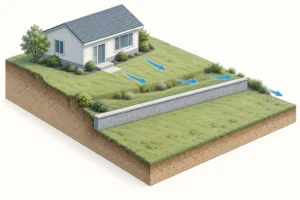
Site plans show property layout because reviewers need clear building placement. Grading information protects foundations because controlled slopes guide water away. Access routes help inspectors understand circulation because walkways influence usability. Elmid Design Inc prepares accurate site plans because engineers evaluate spatial and drainage needs.
Structural Requirements for Safe Home Additions
Structural planning ensures safe additions because beams, joists, and foundations support increased load. Strong calculations prevent failure because balanced forces maintain stability. Reinforced framing improves durability because additions extend the home’s lifespan. Elmid Design Inc develops structural systems because engineers analyze load behavior precisely.
Architectural Drawing Expectations for Permit Submission
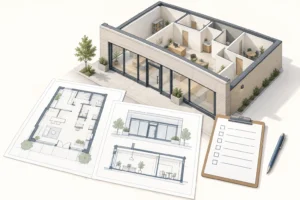
Architectural drawings illustrate layout changes because rooms must meet city standards. Clear dimensions guide review because accuracy prevents confusion. Detailed elevations show exterior appearance because visual impact matters. Elmid Design Inc prepares architectural drawings because engineers coordinate layout with structural needs.
Mechanical System Considerations for Home Additions
Mechanical systems affect comfort because heating and cooling loads increase with new space. Balanced airflow ensures stable temperatures because duct routes influence performance. Equipment upgrades improve efficiency because undersized units struggle. Elmid Design Inc evaluates mechanical needs because engineers understand energy loads.
Plumbing Requirements for Home Additions
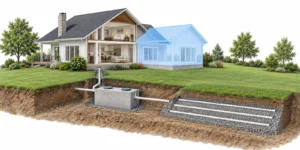
Plumbing changes need careful planning because added bathrooms or kitchens alter water use. Proper routing improves function because slopes guide drainage. Venting design protects health because sewer gas must exit safely. Elmid Design Inc designs plumbing layouts because engineers understand flow patterns.
Electrical Requirements for Expanded Homes
Electrical systems must meet increased demand because additions require outlets and lighting. Panel upgrades improve safety because overloaded circuits cause hazards. Correct wiring enhances reliability because clear pathways prevent overheating. Elmid Design Inc plans electrical routes because engineers calculate electrical loads accurately.
Fire Safety Requirements for Home Additions
Fire safety rules guide exit routes because additions must support safe evacuation. Fire separation helps protect adjoining spaces because controlled spread saves lives. Smoke alarm placement improves early warning because additions create new risk zones. Elmid Design Inc includes fire details because engineers study safety standards.
Energy Efficiency Standards for Home Addition Permits
Energy efficiency improves comfort because insulation regulates interior temperature. High-performance windows reduce heat loss because advanced glazing stabilizes airflow. Airtight building envelopes lower cost because reduced leakage increases efficiency. Elmid Design Inc incorporates energy standards because engineers understand environmental performance.
Survey Requirements for Accurate Addition Planning
Surveys confirm property boundaries because additions must respect legal limits. Accurate terrain mapping aids grading because slopes influence water movement. Clarified dimensions prevent zoning conflicts because setbacks rely on precise data. Elmid Design Inc interprets surveys because engineers ensure measurement accuracy.
Preparing Permit Drawings for Submission
Complete drawing sets improve review because detailed documents reduce uncertainty. Proper labels guide interpretation because consistent formatting helps officials locate information quickly. Accurate notes strengthen approval because inspectors rely on clarity. Elmid Design Inc prepares full drawing packages because engineers understand permit expectations.
Managing Building Code Requirements for Additions
Building codes guide safe design because structural, mechanical, and fire rules protect occupants. Proper compliance avoids rejection because officials demand accurate alignment. Detailed planning simplifies construction because organized requirements guide builders. Elmid Design Inc manages code alignment because engineers track standards carefully.
Responding to City Comments During Review
City reviewers may request changes because complex additions raise questions. Fast responses preserve timelines because revised drawings support continued progress. Clear communication reduces issues because coordinated updates satisfy reviewer concerns. Elmid Design Inc responds efficiently because engineers understand technical corrections.
Inspection Requirements for Home Addition Projects
Inspections confirm safe construction because structural and mechanical systems need verification. Proper scheduling supports momentum because inspected stages must finish before continuing. Clear access helps inspectors work efficiently because reachable areas accelerate checks. Elmid Design Inc prepares sites for inspection because engineers coordinate readiness.
Benefits of Professional Engineering Support for Home Additions
Professional engineering support strengthens home additions because precise calculations ensure safe modifications. Coordinated planning enhances performance because structural and mechanical systems must align. Accurate documentation improves approval speed because clear plans reduce revisions. Elmid Design Inc delivers reliable guidance because licensed engineers manage technical requirements.

Strengthening Home Addition Design Through Early Planning
Early planning strengthens home addition design because thoughtful preparation prevents zoning conflicts and construction delays. Thorough evaluation improves direction because site limits influence layout choices. Consistent planning creates smoother progress because coordinated steps reduce unnecessary changes. Elmid Design Inc supports early planning because engineers understand structural and zoning requirements clearly.
Improving Addition Layout Quality With Detailed Measurements
Detailed measurements improve layout quality because accurate dimensions guide safe structural design. Careful measurement increases precision because misalignment affects framing and support. Consistent verification strengthens outcomes because correct spacing maintains design integrity. Elmid Design Inc reviews measurements carefully because engineers understand how small errors affect performance.
Coordinating Structural and Architectural Designs for Additions
Structural and architectural coordination shapes addition success because framing and layout must align perfectly. Thoughtful integration improves stability because strong structural paths support expanded spaces. Consistent collaboration enhances design clarity because unified drawings reduce confusion. Elmid Design Inc coordinates both disciplines because engineers balance layout function and structural safety.
Supporting Smooth Construction Through Clear Permit Drawings
Clear permit drawings support smooth construction because builders rely on detailed information to avoid mistakes. Thorough documentation improves inspection readiness because inspectors recognize required elements easily. Consistent clarity strengthens workflow because well-prepared drawings limit jobsite conflict. Elmid Design Inc prepares complete drawing sets because engineers understand each construction stage.
Enhancing Natural Light and Comfort in Home Additions
Natural light enhances comfort because bright rooms feel larger and more inviting. Proper window placement improves energy performance because sunlight reduces heating demand. Consistent daylighting strengthens usability because balanced light supports daily activities. Elmid Design Inc evaluates lighting strategies because engineers understand thermal and visual comfort.
Improving Thermal Efficiency Through Better Envelope Design
Thermal efficiency improves comfort because insulation stabilizes indoor temperatures. High-quality windows reduce heat loss because advanced glazing blocks drafts. Consistent air sealing lowers energy waste because tight envelopes prevent leakage. Elmid Design Inc designs efficient envelopes because engineers understand how materials influence heat flow.
Ensuring Proper Foundation Planning for Home Additions
Foundation planning ensures safe additions because structural loads require strong support. Soil evaluation improves foundation choices because different soils carry different strengths. Consistent reinforcement protects stability because balanced loads prevent shifting. Elmid Design Inc evaluates foundation options because engineers understand soil and load interaction.
Supporting Safe Roof Integration Between Old and New Areas
Roof integration protects homes because improper connections cause leaks and structural issues. Smart alignment improves drainage because correct slopes guide water away. Consistent detailing prevents moisture infiltration because sealed joints protect interior areas. Elmid Design Inc manages roof transitions because engineers study water flow and load patterns.
Improving HVAC Performance After Home Expansion
HVAC design supports comfort because expanded spaces require balanced airflow. Proper equipment sizing improves performance because undersized units struggle to heat or cool new areas. Consistent duct layout enhances efficiency because smooth airflow stabilizes indoor conditions. Elmid Design Inc evaluates HVAC needs because engineers calculate thermal loads accurately.
Supporting Electrical Safety Throughout Expanded Spaces
Electrical safety improves with careful planning because added rooms require outlets, lighting, and circuits that must handle increased demand. Proper panel upgrades increase protection because overloaded systems cause hazards. Consistent wiring organization strengthens reliability because clear routing prevents overheating. Elmid Design Inc manages electrical planning because engineers follow strict safety standards.
Strengthening Plumbing Layouts for New Bathrooms or Kitchens
Plumbing layout planning improves functionality because water and drainage require smooth flow paths. Proper venting improves health because safe systems release harmful gases. Consistent pipe alignment strengthens performance because predictable slopes reduce blockage risk. Elmid Design Inc designs plumbing networks because engineers understand fluid behavior and structural constraints.
Enhancing Exterior Appearance With Balanced Addition Design
Balanced exterior design improves curb appeal because cohesive integration blends old and new architecture. Correct proportions maintain harmony because mismatched shapes disrupt visual flow. Consistent detailing supports beauty because trim, windows, and materials create unity. Elmid Design Inc evaluates exterior design because engineers understand structural spacing and aesthetic balance.
Managing Grading Adjustments Around the New Addition
Grading adjustments protect foundations because water must drain away from exterior walls. Smooth slopes improve soil stability because controlled movement prevents erosion. Consistent grading reduces moisture issues because dry soil safeguards basements. Elmid Design Inc prepares grading plans because engineers understand water patterns on residential sites.
Preparing Construction Teams for Inspection Stages
Construction teams prepare better when information stays organized because confusion delays inspections. Clear direction improves progress because teams understand required steps. Consistent site readiness strengthens inspection outcomes because clean access supports thorough review. Elmid Design Inc helps coordinate preparations because engineers understand inspection expectations.
Responding Quickly to Review Comments From City Officials
Timely responses support faster permit approval because unresolved questions stall progress. Proper adjustments improve compliance because clear updates satisfy reviewer concerns. Consistent communication reduces delays because steady progress depends on accurate coordination. Elmid Design Inc manages updates because engineers interpret technical feedback correctly.
Strengthening Long-Term Value Through Safe Home Additions
Long-term value increases when additions meet structural, energy, and zoning rules because compliant work remains durable. Quality materials improve lifespan because strong products withstand daily stress. Consistent design planning protects investment because safe expansions add useful space. Elmid Design Inc supports value retention because engineers focus on durable solutions.
Strengthening Home Addition Projects Through Clear Communication
Clear communication strengthens home addition progress because inspectors, designers, and builders rely on accurate information during every stage. Timely updates reduce confusion because aligned decisions prevent unexpected changes. Organized preparation supports smoother reviews because inspectors locate details easily. Elmid Design Inc helps homeowners communicate effectively because engineers explain technical needs with clarity.
Improving Structural Confidence With Thorough On-Site Checks
Thorough on-site checks improve structural confidence because inspectors confirm that framing and foundations follow approved plans. Careful review reveals issues early because minor deviations impact safety. Strong attention prevents major corrections because accurate work supports stability. Elmid Design Inc guides these checks because engineers understand how structural elements interact.
Enhancing Comfort Through Better Mechanical Planning
Better mechanical planning enhances comfort because expanded layouts change airflow patterns. Smart duct placement improves temperature balance because air must reach every new area. Consistent sizing increases efficiency because proper equipment handles additional demand. Elmid Design Inc evaluates mechanical strategies because engineers study airflow behavior.
Supporting Safe Construction Through Proper Material Selection
Proper material selection supports safe construction because addition areas require strong and predictable performance. Durable materials improve longevity because weather and load conditions stress every component. Smart choices reduce maintenance because stable materials resist deterioration. Elmid Design Inc recommends suitable products because engineers understand structural and environmental pressures.
Improving Weather Protection When Connecting Old and New Spaces
Weather protection improves durability because transitions between existing and new sections remain vulnerable to leaks. Sealed joints prevent infiltration because proper detailing blocks moisture. Balanced slopes improve drainage because controlled water flow protects walls. Elmid Design Inc oversees transitions because engineers study exterior envelope performance.
Strengthening Planning for Multi-Level Home Additions
Multi-level additions require strong planning because vertical loads increase significantly. Proper distribution prevents shifting because floors must support consistent weight. Careful integration enhances circulation because stairs and corridors influence layout. Elmid Design Inc manages these complexities because engineers evaluate load paths and spatial flow.
Supporting Efficient Construction Through Organized Scheduling
Organized scheduling supports efficient progress because each stage depends on completed work. Coordinated timelines improve inspection readiness because predictable sequences reduce conflicts. Clear direction increases accuracy because trades understand required tasks. Elmid Design Inc prepares scheduling plans because engineers track step-by-step construction needs.
Improving Final Addition Quality Through Detailed Reviews
Detailed reviews improve final addition quality because small corrections shape long-term performance. Thorough checks reveal gaps because missed details affect safety, comfort, and usability. Careful refinement supports stronger results because complete work enhances durability. Elmid Design Inc conducts detailed reviews because engineers focus on safe and refined outcomes.
FAQ
What is a home addition permit in Toronto?
A home addition permit authorizes structural, architectural, and mechanical changes because expansions must follow zoning and building code rules. The permit ensures safe, compliant development.
When do I need a home addition permit in Toronto?
A permit is needed when increasing floor area, altering exterior walls, or changing structural elements because these modifications influence safety and neighbourhood impact.
How long does it take to get a home addition permit?
Timelines vary because project complexity, drawing quality, and review cycles influence approval speed. Complete submissions reduce delays because reviewers find answers quickly.
What drawings are required for a home addition permit?
Required drawings include architectural, structural, mechanical, electrical, and site plans because inspectors verify every component for safety and compliance.
Can I build without a home addition permit?
Construction without a permit violates city rules because unreviewed work may fail safety standards. Unpermitted additions risk fines and costly reconstruction.
What inspections occur during a home addition?
Inspections occur at framing, structural connections, plumbing, electrical, and final stages because inspectors confirm compliant progress before allowing continuation.
Why should I involve an engineer for my home addition?
Engineers manage structural, zoning, and mechanical requirements because additions influence multiple systems. Professional guidance improves safety and approval chances.

Elmid Design Inc and Its Role in Toronto Home Addition Permits
Elmid Design Inc provides homeowners with precise engineering support for Toronto home addition permits through accurate drawings, structural analysis, and clear code compliance guidance. The firm holds a Professional Engineers Ontario certificate of authorization, which improves trust during review because licensed engineers ensure safe and compliant designs. Homeowners gain reliable expertise because every addition receives careful technical evaluation and strong documentation.
Geographic Locations That We Service:
Our Licensed Professional Engineers specializing in Engineered Site Grading Plans offer the best-engineered site grading plan, lot grading and erosion plan, and drainage plan to obtain site plan approval and building permits in Ontario, including a wide range of municipalities. Each area boasts unique features and requirements, making our tailored approach essential for success.
Toronto and Surrounding Areas
In the vibrant heart of Ontario, we service Toronto (City of Toronto) and surrounding areas. Additionally, we cover Oshawa (City of Oshawa), Pickering (City of Pickering), and Clarington (Municipality of Clarington). Furthermore, our expertise extends to Ajax (Town of Ajax), Whitby (Town of Whitby), Brock (Township of Brock), Scugog (Township of Scugog and Uxbridge (Township of Uxbridge).
Halton Region
Moving to the Halton Region, our services encompass Burlington (City of Burlington) and Halton Hills (Town of Halton Hills). Also included are Milton (Town of Milton) and Oakville (Town of Oakville).
Peel Region
In the Peel Region, we provide services in Brampton (City of Brampton), Mississauga (City of Mississauga), and Caledon (Town of Caledon).
York Region
Our services in the York Region cover Vaughan (City of Vaughan), Aurora (Town of Aurora), and East Gwillimbury (Town of East Gwillimbury). We also cater to Georgina (Town of Georgina), Markham (City of Markham), Newmarket (Town of Newmarket), Richmond Hill (City of Richmond Hill), Whitchurch-Stouffville (Town of Whitchurch-Stouffville), King (Township of King), and Bradford-West Gwillimbury (Town of Bradford-West Gwillimbury). Each municipality here offers a distinct setting, requiring our specialized approach.
Other Southern Ontario Cities and Towns
We also serve many other cities and towns in Southern Ontario. These include Hamilton (City of Hamilton), St. Catharines (City of St. Catharines), Niagara on the Lake (Town of Niagara on the Lake), Brant (County of Brant), Cambridge (City of Cambridge), Kitchener (City of Kitchener), Waterloo (City of Waterloo), and Woodstock (City of Woodstock). Furthermore, we operate in Guelph (City of Guelph), Centre Wellington (Township of Centre Wellington), Shelburne (Town of Shelburne), Orangeville (Town of Orangeville), New Tecumseth (Town of New Tecumseth), Essa (Town of Essa), Collingwood (Town of Collingwood), Wasaga Beach (Town of Wasaga Beach), Barrie (City of Barrie), Midland (Town of Midland), Orillia (City of Orillia), Ramara (Town of Ramara), Minden Hills (Town of Minden Hills), North Kawartha (Town of North Kawartha), Kawartha Lakes (City of Kawartha Lakes), Peterborough (City of Peterborough), Selwyn (Town of Selwyn), and Brighton (Municipality of Brighton).