Stormwater management design Toronto helps control rainwater before it damages buildings, roads, and the environment. As Toronto grows, more buildings and paved areas increase the amount of runoff after every storm. Therefore, every new development needs a strong drainage plan that manages water safely and meets local engineering standards. A good design lowers flood risks, protects nearby rivers, and supports long-term property value. It also helps projects move through the approval process with fewer delays. Because every site has different conditions, engineers study the land before they design the best stormwater management system.
What Is Stormwater Management Design in Toronto?
Stormwater management design Toronto is the process of collecting, storing, treating, and releasing rainwater in a safe way. Engineers study how water moves across a site before they prepare a drainage design. Next, they calculate runoff and choose systems that reduce flooding and protect nearby properties. They also design solutions that improve water quality before runoff enters rivers or lakes. As a result, every part of the system works together to control water during small and large storms. This process supports safe development while protecting both public infrastructure and the natural environment.
Why Stormwater Management Design Matters
Stormwater management design protects people, buildings, roads, and underground services from water damage. Without proper planning, rainwater moves quickly across hard surfaces and creates flooding problems. Consequently, streets collect water, foundations weaken, and drainage systems become overloaded. A well-planned system slows runoff and controls where water flows. In addition, it removes many pollutants before water reaches natural waterways. Because developers reduce future risks with good drainage design, they also lower maintenance costs and improve the performance of their projects for many years.
How Urban Development Changes Drainage
Natural ground absorbs rainwater through soil and plants. However, buildings, parking lots, and roads block that natural process. Therefore, rainwater flows across hard surfaces instead of soaking into the ground. As runoff increases, nearby storm sewers receive more water in a shorter time. Consequently, flood risks increase across developed areas. Engineers study these changes before they prepare a stormwater management design. They create systems that slow runoff, store excess water, and reduce pressure on municipal infrastructure. As a result, new developments work better during heavy rainfall.
Main Goals of Stormwater Management Design Toronto
Stormwater management design Toronto focuses on four main goals. First, engineers reduce the amount of runoff that leaves a site. Next, they improve water quality by removing sediment and pollutants. They also reduce erosion because fast-moving water damages streams and riverbanks. Finally, they protect nearby properties from flooding during heavy storms. Every design balances these goals while meeting municipal requirements. Therefore, engineers create systems that support safe development, protect natural resources, and improve long-term infrastructure performance.
Why Stormwater Management Is Important in Toronto
Toronto continues to grow every year, and new developments increase the amount of runoff across the city. At the same time, stronger storms create larger drainage challenges. Therefore, engineers must design systems that handle higher water volumes. Good stormwater management lowers flood risks and protects roads, homes, businesses, and public utilities. Moreover, it helps preserve rivers and streams by reducing pollution. Because reliable drainage supports both people and the environment, stormwater management has become an essential part of every successful development project.
Urban Flooding and Property Protection
Heavy rainfall often creates flooding when drainage systems cannot carry water fast enough. Consequently, water collects on roads, parking lots, and private properties. Stormwater management design reduces these risks by slowing runoff before it reaches public infrastructure. Engineers calculate storage needs and control discharge rates throughout the site. As a result, drainage systems perform better during intense storms. Property owners also avoid expensive repairs because well-designed systems protect foundations, landscaping, and paved surfaces from water damage.
Climate Change Increases Stormwater Challenges
Climate change brings stronger storms and heavier rainfall to many parts of Ontario. Therefore, drainage systems must handle larger runoff volumes than before. Engineers now design stormwater systems that perform well during future weather conditions. They also include features that improve water storage and natural infiltration whenever possible. In addition, modern designs increase system reliability during extreme rainfall events. Because resilient infrastructure reduces future risks, developers invest in stronger stormwater management solutions from the beginning of every project.
Older Sewer Systems Need Better Stormwater Control
Many older neighbourhoods still rely on drainage systems that serve growing communities. During heavy rainfall, these systems receive more water than they can safely manage. Consequently, flooding and sewer problems become more likely. Stormwater management design reduces pressure on existing infrastructure by controlling runoff before discharge. Engineers often add detention systems, infiltration facilities, and green infrastructure to improve drainage. As a result, municipalities protect existing utilities while supporting future development across the city.
Protecting Rivers and Lake Ontario
Stormwater runoff carries dirt, oil, road salt, garbage, and other pollutants across developed areas. Without treatment, those pollutants enter nearby rivers and Lake Ontario. Therefore, engineers include treatment measures that clean runoff before discharge. These systems trap sediment and reduce harmful contaminants. Furthermore, cleaner water supports fish, wildlife, and healthy ecosystems. Better water quality also protects valuable natural resources for future generations. Strong stormwater management creates environmental benefits while supporting responsible urban development.
Preventing Basement Flooding
Basement flooding causes costly repairs and disrupts daily life. Fortunately, good stormwater management reduces that risk. Engineers direct water away from buildings through proper grading and drainage design. They also provide enough storage to control runoff during heavy storms. Consequently, less water reaches building foundations and municipal drainage systems. Property owners benefit because they reduce flood risks and protect their investments. Careful planning also improves safety and increases the long-term performance of every development.
Stormwater Management Design Requirements in Toronto
Every stormwater management design must satisfy municipal engineering requirements before construction begins. Engineers study the site, complete drainage calculations, and prepare technical reports. Next, they show how the design controls runoff, improves water quality, and reduces erosion. They also explain how every system will perform during major storms. Because accurate reports support faster reviews, developers avoid unnecessary project delays. Strong engineering also improves construction quality and creates reliable drainage systems that perform for many years.
Engineering Standards for Stormwater Design
Engineering standards guide every stage of stormwater management design Toronto. Engineers follow established methods when they calculate runoff, size drainage systems, and prepare design drawings. They also coordinate grading, servicing, and drainage to improve overall project performance. Meanwhile, they check every calculation before submitting engineering documents for review. Careful planning reduces construction issues and improves long-term reliability. Therefore, following engineering standards protects both the development and the surrounding community.
Why Professional Engineers Matter
Professional engineers lead every stage of stormwater management design because they understand drainage, infrastructure, and municipal requirements. They review site conditions, prepare calculations, and develop practical engineering solutions. They also work with developers and municipalities throughout the approval process. As a result, projects move forward with fewer technical issues and better long-term performance. Experienced engineering firms such as Elmid Design Inc., which holds a Certificate of Authorization from Professional Engineers Ontario, provide stormwater management design, municipal servicing, grading design, and civil engineering services that support safe, efficient, and sustainable development across Toronto.
Low Impact Development in Stormwater Management Design Toronto
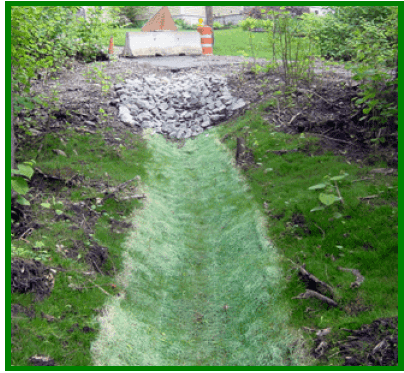
Low Impact Development, often called LID, helps manage rainwater where it falls instead of sending it directly into storm sewers. This approach slows runoff, improves infiltration, and protects nearby waterways at the same time. Moreover, it reduces pressure on municipal infrastructure during heavy storms. Engineers combine natural and engineered features to manage water across the site. As a result, developments improve environmental performance while meeting modern engineering requirements. Because Toronto encourages sustainable site design, Low Impact Development has become an important part of many stormwater management projects.
Common Low Impact Development Practices
Engineers choose Low Impact Development practices based on site conditions, available space, and project goals. Rain gardens collect runoff and allow water to soak into the ground. Bioswales move stormwater through planted channels while removing sediment and pollutants. Permeable pavement allows rainwater to pass through the surface instead of creating runoff. Green roofs reduce roof drainage by holding rainfall before release. In addition, infiltration trenches store water below ground and improve groundwater recharge. Together, these systems reduce runoff while improving water quality across the development.
Benefits of Low Impact Development
Low Impact Development provides environmental, financial, and engineering benefits throughout the life of a project. It reduces runoff, lowers flood risks, and improves water quality before discharge. Furthermore, it supports healthier streams and protects nearby ecosystems. Developers also reduce long-term maintenance costs because many systems work with natural drainage processes. Better site performance often improves project value and strengthens environmental responsibility. Therefore, many new developments include Low Impact Development features during the early design stage instead of adding them later.
Stormwater Management Report Requirements
A stormwater management report explains how a proposed development will control runoff and protect surrounding infrastructure. Engineers prepare the report after completing detailed site investigations and drainage calculations. Next, they describe existing conditions and compare them with proposed site conditions. They also explain how every stormwater facility will perform during different rainfall events. Clear technical information helps municipal reviewers understand the proposed design. Consequently, complete reports reduce review comments and improve the approval process.
Information Included in a Stormwater Management Report
Every stormwater management report includes technical information that supports the engineering design. Engineers describe existing drainage patterns, site grading, soil conditions, and proposed drainage improvements. They also provide hydrologic calculations, hydraulic analysis, and stormwater storage calculations. Design drawings show drainage layouts, pipe systems, and stormwater facilities. Meanwhile, supporting tables explain runoff rates before and after development. Together, these documents confirm that the proposed system meets municipal engineering requirements and protects nearby properties.
Stormwater Modeling and Engineering Analysis
Engineers use computer models to predict how stormwater systems will perform during different storm events. These models calculate runoff, storage, flow rates, and discharge timing. Next, engineers compare different design options before selecting the best solution. Accurate modeling improves design quality and reduces construction risks. Furthermore, municipalities expect reliable engineering analysis before approving many development projects. Careful calculations create confidence that every stormwater system will perform as planned under future rainfall conditions.
Software Used for Stormwater Management Design
Professional engineers use specialized software to prepare accurate stormwater management designs. PCSWMM helps evaluate drainage networks and runoff performance under many rainfall events. Visual OTTHYMO supports hydrologic analysis for land development projects across Ontario. Civil 3D improves grading design and storm sewer layout while increasing drawing accuracy. Engineers also use HEC-RAS when projects involve rivers, floodplains, or open channels. Together, these tools improve engineering decisions and produce reliable technical results for municipal review.
Common Stormwater Design Challenges in Toronto
Every development site presents different drainage challenges that require practical engineering solutions. Tight urban properties often provide limited space for stormwater facilities. Existing utilities may also restrict the location of underground infrastructure. In addition, poor soil conditions sometimes reduce infiltration opportunities. Engineers solve these challenges by combining careful analysis with efficient design methods. Therefore, every project receives a solution that fits both the site and municipal requirements while protecting nearby infrastructure.
High Groundwater and Poor Soil Conditions
Some sites contain high groundwater levels or soil that drains very slowly. These conditions reduce infiltration and limit certain stormwater management options. Engineers investigate soil characteristics before selecting appropriate drainage systems. They often recommend underground storage or controlled discharge when infiltration becomes impractical. At the same time, they protect nearby structures from groundwater impacts through careful design. Site investigations provide valuable information that improves engineering decisions and reduces future construction issues.
Floodplain and Watercourse Considerations
Projects located near rivers or streams require additional engineering studies before development begins. Engineers review flood levels, drainage patterns, and environmental constraints during the planning stage. They also design stormwater systems that protect natural watercourses from increased runoff. Careful planning reduces erosion and improves long-term environmental performance. Furthermore, responsible drainage design supports healthier ecosystems while reducing flood risks for nearby communities. Every decision balances development needs with environmental protection.
Cost of Stormwater Management Design in Toronto
Stormwater management design costs depend on project size, site complexity, and municipal requirements. Smaller residential projects usually require fewer engineering studies than commercial or industrial developments. Larger developments often need additional investigations, drainage modeling, and supporting technical reports. However, early engineering planning usually reduces construction changes and avoids expensive project delays. Investing in quality design also lowers long-term maintenance costs because reliable systems perform better throughout their service life.
Choosing the Right Stormwater Management Engineering Consultant
Selecting an experienced engineering consultant improves every stage of a development project. Qualified engineers understand municipal standards, drainage design, grading, and stormwater regulations. They also coordinate technical submissions and respond quickly to review comments. Strong communication helps developers avoid unnecessary delays during the approval process. Experience with local projects also improves design quality because engineers understand common site challenges. Choosing the right consultant creates long-term value through practical engineering solutions and dependable technical support.
Why Experience Matters in Stormwater Management Design Toronto
Experienced engineers identify drainage challenges before construction begins and develop practical solutions that save both time and money. They evaluate runoff, grading, servicing, and environmental conditions as one complete system. Consequently, projects move forward with fewer design revisions and stronger technical support. Firms such as Elmid Design Inc., which holds a Certificate of Authorization from Professional Engineers Ontario, provide stormwater management design, municipal servicing, grading design, and civil engineering services for residential, commercial, and industrial developments across Toronto. Their engineering experience supports safe, efficient, and sustainable land development while meeting municipal requirements.
Future Trends in Stormwater Management Design Toronto
Stormwater management design continues to evolve as cities respond to climate change and urban growth. Engineers now combine traditional drainage systems with sustainable infrastructure that improves environmental performance. Smart monitoring systems also provide better information about water levels and system performance. Meanwhile, new materials improve durability while reducing maintenance needs. Future projects will rely on stronger engineering methods that increase resilience and protect valuable infrastructure. As development continues across Toronto, modern stormwater management design will remain essential for safe, efficient, and sustainable communities.
Stormwater Management Design Approval Process in Toronto
Stormwater management design Toronto follows a structured approval process that starts during the early planning stage. Engineers first review the site and identify drainage constraints before preparing technical designs. Next, they complete stormwater calculations and supporting reports for municipal review. Meanwhile, reviewers examine every submission to confirm compliance with engineering standards. Engineers then answer comments and revise drawings when necessary. Consequently, complete and accurate submissions reduce review time and improve project efficiency. Early coordination also helps developers avoid costly redesigns during construction.
Site Investigation for Stormwater Management Design
Every successful stormwater management design starts with a detailed site investigation. Engineers inspect the property and collect information about grading, drainage patterns, soil conditions, and nearby infrastructure. They also review surrounding developments because neighboring properties often affect runoff. Furthermore, survey information provides accurate elevations for engineering calculations. Reliable field data supports better design decisions and improves overall project quality. Careful investigations reduce unexpected problems during construction and strengthen the final drainage solution.
Stormwater Drainage Design and Site Grading
Stormwater drainage design works closely with grading because both systems control how water moves across a property. Engineers shape the land to direct runoff toward approved collection points. They also maintain positive drainage around buildings to protect foundations. Meanwhile, grading plans reduce ponding and improve surface drainage after storms. Proper elevations help every drainage structure perform as intended. As a result, well-planned grading improves safety, protects infrastructure, and supports efficient stormwater management.
Storm Sewer Design for New Developments
Storm sewer systems collect runoff and transport water safely through underground pipes. Engineers calculate expected flow before selecting pipe sizes and drainage structures. Next, they design the network to maintain reliable flow during major storms. Proper pipe slopes improve drainage and reduce maintenance needs over time. In addition, catch basins collect surface runoff and direct water into the storm sewer system. Careful design protects roads, parking areas, and surrounding properties from flooding.
Water Quality Control in Stormwater Management Design
Water quality control removes pollutants before stormwater reaches rivers, streams, or lakes. Engineers select treatment systems based on runoff volume, land use, and environmental goals. Oil grit separators capture sediment, oil, and debris from parking lots and roadways. Vegetated systems also improve filtration through natural processes. Therefore, cleaner runoff protects aquatic habitats and improves overall environmental health. Effective treatment measures support sustainable development while satisfying municipal engineering requirements.
Stormwater Quantity Control
Stormwater quantity control limits the amount of runoff leaving a site during rainfall events. Engineers design storage facilities that hold excess water before controlled release. Consequently, downstream drainage systems receive manageable flow rates. Proper storage reduces flood risks and protects municipal infrastructure from overload. Every calculation considers rainfall intensity, drainage area, and storage capacity. Accurate engineering creates reliable systems that perform during both common and severe storms.
Erosion Control in Stormwater Management Design
Fast-moving runoff damages stream banks, removes soil, and harms nearby ecosystems. Engineers reduce these risks by controlling runoff speed before discharge. They also design outlet structures that release water safely into receiving systems. Vegetation provides another layer of protection because plant roots stabilize soil. Moreover, erosion control improves long-term environmental performance across developed sites. Strong engineering protects valuable natural resources while reducing maintenance costs.
Water Balance Assessment
A water balance assessment evaluates how development changes natural water movement across a site. Engineers compare existing conditions with proposed site conditions before finalizing the design. They also measure infiltration, evaporation, and runoff to understand overall site performance. Therefore, balanced drainage systems better protect groundwater resources and nearby ecosystems. Careful analysis supports sustainable development while improving environmental outcomes for future generations.
Green Infrastructure and Sustainable Development
Green infrastructure supports stormwater management by using natural systems to control runoff. Engineers often combine vegetation, permeable surfaces, and underground storage within one design. These features improve infiltration while reducing runoff volumes. Furthermore, green infrastructure enhances landscape appearance and supports healthier urban environments. Sustainable engineering creates long-term value because natural systems often require less maintenance than traditional solutions. Better environmental performance also strengthens modern development projects.
Stormwater Management for Residential Developments
Residential developments require stormwater systems that protect homes and neighborhood infrastructure. Engineers evaluate lot grading, driveway drainage, roof runoff, and municipal connections before preparing final designs. They also ensure every property drains safely without affecting neighboring homes. Proper drainage improves homeowner safety and reduces future maintenance costs. Consequently, well-designed residential systems provide reliable performance throughout every season.
Stormwater Management for Commercial Developments
Commercial properties generate significant runoff because they contain large roofs, parking lots, and paved areas. Engineers design drainage systems that manage higher runoff volumes while protecting surrounding infrastructure. They also include treatment measures that improve water quality before discharge. Efficient stormwater management supports business operations by reducing flood risks and protecting valuable assets. Careful planning also simplifies future site maintenance.
Stormwater Management for Industrial Developments
Industrial facilities often require advanced stormwater management because operational areas create unique drainage challenges. Engineers evaluate site activities before selecting suitable treatment and storage systems. They also consider environmental protection throughout the design process. Proper runoff control reduces pollution risks and improves regulatory compliance. Reliable engineering protects both the facility and nearby natural resources.
Why Choose Elmid Design Inc. for Stormwater Management Design Toronto
Elmid Design Inc. provides professional stormwater management design services for residential, commercial, and industrial developments throughout Toronto. The company holds a Certificate of Authorization from Professional Engineers Ontario, which demonstrates professional accountability and engineering competence. Experienced engineers prepare stormwater management reports, grading plans, municipal servicing designs, and drainage calculations that satisfy municipal requirements. Furthermore, the team works closely with clients throughout planning, design, and approvals. Practical engineering solutions help projects move forward efficiently while protecting infrastructure and the environment.
FAQ
What is stormwater management design?
Stormwater management design controls rainwater through engineered systems that collect, store, treat, and release runoff safely. Engineers design these systems to reduce flooding, improve water quality, and protect nearby infrastructure.
Why does Toronto require stormwater management design?
Toronto requires stormwater management design because urban development increases runoff and flood risks. Proper engineering protects public infrastructure, nearby waterways, and surrounding properties during heavy rainfall.
Who prepares a stormwater management report?
Licensed professional engineers prepare stormwater management reports after completing site investigations, drainage analysis, and engineering calculations. Their reports demonstrate how the proposed design satisfies municipal requirements.
When do developers need a stormwater management report?
Developers usually need a stormwater management report before obtaining approval for many residential, commercial, industrial, and redevelopment projects. Municipal authorities review the report during the planning process.
What information does a stormwater management report include?
A stormwater management report includes drainage analysis, runoff calculations, grading information, stormwater storage design, water quality measures, erosion control, and supporting engineering drawings.
What is Low Impact Development?
Low Impact Development manages rainfall close to where it lands by using natural drainage features. Rain gardens, bioswales, permeable pavement, and green roofs reduce runoff and improve infiltration.
How does stormwater management reduce flooding?
Stormwater management stores excess runoff and releases it at controlled rates. Consequently, drainage systems receive lower peak flows during heavy rainfall, which reduces flood risks.
What is the difference between stormwater quantity control and water quality control?
Stormwater quantity control limits runoff volume and discharge rates. Water quality control removes pollutants before runoff enters rivers, streams, or lakes.
What software do engineers use for stormwater management design?
Engineers commonly use PCSWMM, Visual OTTHYMO, Civil 3D, and HEC-RAS for stormwater analysis, drainage design, grading, and hydraulic modeling.
Why should I hire a professional engineering firm for stormwater management design Toronto?
Professional engineering firms understand municipal standards, drainage requirements, and approval processes. Experienced firms such as Elmid Design Inc. provide practical engineering solutions that improve project quality, reduce delays, and support successful development.

Trusted Stormwater Management Engineering Services in Toronto
Elmid Design Inc. provides professional stormwater management design services for residential, commercial, and industrial developments across Toronto and the GTA. The company holds a Certificate of Authorization from Professional Engineers Ontario, demonstrating its commitment to high engineering standards and professional accountability. Moreover, the team prepares stormwater management reports, grading plans, municipal servicing designs, and drainage solutions that meet local requirements. Clients choose Elmid Design Inc. because the firm delivers practical engineering solutions, supports smooth municipal approvals, and helps every project achieve safe, efficient, and sustainable development.
Geographic Locations That We Service:
Our Licensed Professional Engineers specializing in Engineered Site Grading Plans offer the best-engineered site grading plan, lot grading and erosion plan, and drainage plan to obtain site plan approval and building permits in Ontario, including a wide range of municipalities. Each area boasts unique features and requirements, making our tailored approach essential for success.
Toronto and Surrounding Areas
In the vibrant heart of Ontario, we service Toronto (City of Toronto) and surrounding areas. Additionally, we cover Oshawa (City of Oshawa), Pickering (City of Pickering), and Clarington (Municipality of Clarington). Furthermore, our expertise extends to Ajax (Town of Ajax), Whitby (Town of Whitby), Brock (Township of Brock), Scugog (Township of Scugog and Uxbridge (Township of Uxbridge).
Halton Region
Moving to the Halton Region, our services encompass Burlington (City of Burlington) and Halton Hills (Town of Halton Hills). Also included are Milton (Town of Milton) and Oakville (Town of Oakville).
Peel Region
In the Peel Region, we provide services in Brampton (City of Brampton), Mississauga (City of Mississauga), and Caledon (Town of Caledon).
York Region
Our services in the York Region cover Vaughan (City of Vaughan), Aurora (Town of Aurora), and East Gwillimbury (Town of East Gwillimbury). We also cater to Georgina (Town of Georgina), Markham (City of Markham), Newmarket (Town of Newmarket), Richmond Hill (City of Richmond Hill), Whitchurch-Stouffville (Town of Whitchurch-Stouffville), King (Township of King), and Bradford-West Gwillimbury (Town of Bradford-West Gwillimbury). Each municipality here offers a distinct setting, requiring our specialized approach.
Other Southern Ontario Cities and Towns
We also serve many other cities and towns in Southern Ontario. These include Hamilton (City of Hamilton), St. Catharines (City of St. Catharines), Niagara on the Lake (Town of Niagara on the Lake), Brant (County of Brant), Cambridge (City of Cambridge), Kitchener (City of Kitchener), Waterloo (City of Waterloo), and Woodstock (City of Woodstock). Furthermore, we operate in Guelph (City of Guelph), Centre Wellington (Township of Centre Wellington), Shelburne (Town of Shelburne), Orangeville (Town of Orangeville), New Tecumseth (Town of New Tecumseth), Essa (Town of Essa), Collingwood (Town of Collingwood), Wasaga Beach (Town of Wasaga Beach), Barrie (City of Barrie), Midland (Town of Midland), Orillia (City of Orillia), Ramara (Town of Ramara), Minden Hills (Town of Minden Hills), North Kawartha (Town of North Kawartha), Kawartha Lakes (City of Kawartha Lakes), Peterborough (City of Peterborough), Selwyn (Town of Selwyn), and Brighton (Municipality of Brighton).