Planning a construction project begins with understanding the septic permit Ajax process. Whether you want to build a new home, expand an existing house, or replace an aging septic system, you must meet local requirements before construction starts. A septic permit helps protect groundwater, nearby properties, and public health. More importantly, it confirms that your proposed sewage system matches Ontario Building Code requirements. Careful planning saves time, reduces unexpected expenses, and prevents costly delays. Throughout this guide, you will learn how the septic permit Ajax process works, why professional design matters, and how proper preparation creates a smoother approval process for every property owner.
What Is a Septic Permit Ajax?
A septic permit Ajax approval allows homeowners and property developers to install, replace, repair, or modify a private sewage system legally. Every septic system must safely collect, treat, and dispose of wastewater without harming surrounding land or water sources. Local authorities review each application carefully before granting approval. They evaluate the proposed design, property conditions, and wastewater calculations to ensure compliance with current regulations. Therefore, obtaining the correct permit protects your investment while reducing future environmental risks. Every approved system follows strict engineering standards that support long-term performance and public safety.
Why a Septic Permit Ajax Matters
Many property owners focus only on construction costs. However, the permit process deserves equal attention because every septic system affects nearby properties and groundwater. Without proper approval, homeowners may face project delays, additional expenses, or legal complications. Furthermore, an approved septic design ensures the system operates efficiently under normal household use. Proper planning also protects wells, streams, and neighboring properties from contamination. Consequently, obtaining a septic permit Ajax remains one of the most important steps before construction begins on any property using a private sewage system.
Properties That Need a Septic Permit Ajax
Many rural and estate properties require private sewage systems because municipal sanitary sewers remain unavailable. New home construction almost always requires a septic permit before excavation starts. Likewise, major home additions may also require approval when they increase wastewater production. Extra bedrooms often increase daily sewage flow, which changes septic system sizing requirements. Replacing an old septic tank or installing a new leaching bed also requires permit approval. Therefore, property owners should always confirm permit requirements before beginning any project involving wastewater systems.
How Private Septic Systems Work
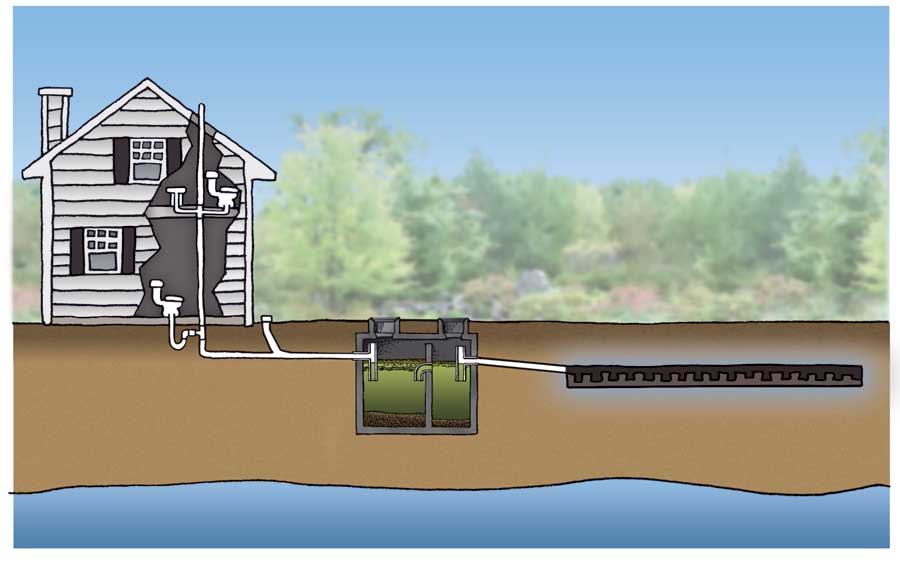
Every private septic system performs two important jobs. First, the septic tank separates solids from wastewater before partially treating the liquid. Next, the treated wastewater flows into the leaching bed, where surrounding soil completes the natural treatment process. Healthy soil removes harmful bacteria while filtering remaining contaminants. Consequently, the system safely returns treated water to the environment. Every component must work together properly because one failure can reduce the entire system’s performance. Routine maintenance also extends system life while reducing future repair costs.
Understanding Daily Sewage Flow
Daily sewage flow plays a major role during septic system design. Engineers calculate wastewater production using building size and expected occupancy. Larger homes usually generate higher wastewater volumes because additional bedrooms increase daily water use. Accurate flow calculations determine the required septic tank size and leaching bed area. Incorrect estimates may produce undersized systems that fail prematurely. Therefore, designers always calculate sewage flow carefully before preparing engineering drawings. Accurate numbers help ensure reliable long-term system performance.
Why Soil Conditions Matter
Every property contains different soil conditions. Some soils absorb water quickly, while others drain much more slowly. Engineers study these conditions before designing any septic system. Test pits reveal soil layers, groundwater levels, and drainage characteristics across the property. Strong soil conditions often support conventional septic systems. Challenging soil may require larger leaching beds or advanced treatment technologies. Proper soil evaluation protects groundwater while improving system efficiency. Therefore, professional site investigations remain essential before submitting any septic permit Ajax application.
Site Evaluations Before Design Begins
Every successful project starts with a detailed site evaluation. Engineers examine property boundaries, building locations, wells, driveways, slopes, and nearby water features. Existing trees and underground utilities also influence septic system placement. Available installation space determines whether the proposed design satisfies required setbacks. Early site evaluations identify potential challenges before engineering work begins. Consequently, property owners avoid costly redesigns later in the approval process. Careful planning creates more efficient designs while reducing unnecessary construction delays.
Septic System Design Requirements
Every septic permit Ajax application requires a complete system design prepared using accurate site information. Designers calculate wastewater flow before selecting the proper septic tank and leaching bed size. They also determine setback distances from wells, buildings, lot lines, and surface water. Every drawing must reflect actual site conditions because construction follows the approved plans. Clear engineering documents reduce confusion while supporting faster permit reviews. Accurate designs also simplify inspections during construction.
Information Needed for a Permit Application
A complete permit application contains several important documents. Applicants normally submit detailed site plans, engineering drawings, sewage flow calculations, and soil investigation results. Property surveys often help verify building locations and setbacks. Supporting documents should remain accurate because reviewers compare every drawing during the approval process. Missing information frequently delays permit decisions. Therefore, preparing complete documentation before submission saves valuable time while reducing requests for revisions.
Common Septic System Types
Many residential properties use conventional septic systems because they perform well under suitable soil conditions. These systems include a septic tank and a leaching bed designed for expected wastewater volumes. However, difficult properties sometimes require advanced treatment systems. Small lots, shallow soil, or high groundwater levels often create additional design challenges. Engineers evaluate each property individually before recommending the most suitable solution. Selecting the correct system improves reliability while reducing future maintenance concerns.
The Importance of Professional Engineering
Professional engineering adds significant value throughout the septic permit Ajax process. Engineers understand Ontario Building Code requirements and local approval procedures. They evaluate site conditions before preparing detailed engineering drawings. Careful calculations help prevent undersized or oversized systems. Professional reviews also identify design challenges before construction begins. As a result, property owners experience fewer delays and lower long-term costs. Experienced engineering support improves project quality while protecting your investment.
How Elmid Design Inc Supports Septic Projects
Elmid Design Inc provides professional engineering services for residential and commercial development projects across Ontario. The company holds a Certificate of Authorization from Professional Engineers Ontario, demonstrating its commitment to professional standards. Experienced engineers prepare septic system designs, grading plans, drainage plans, and permit drawings that support regulatory compliance. Every project receives careful technical review before submission. Professional guidance helps property owners avoid common design mistakes while improving approval timelines. Strong engineering documentation also supports smoother construction and successful inspections.
Common Mistakes During the Permit Process
Many delays occur because applicants overlook important details before submitting their documents. Incomplete site plans often prevent reviewers from confirming setback distances. Incorrect sewage flow calculations may also require design revisions. Some property owners begin construction before receiving permit approval, creating unnecessary complications. Others fail to complete proper soil investigations before engineering starts. Careful preparation prevents these common problems while improving application quality. Therefore, organized planning remains one of the best ways to reduce approval delays.
Construction Inspections After Permit Approval
Permit approval marks the beginning of construction rather than the final step. Inspectors visit the property during important construction stages to verify compliance with approved drawings. They examine excavation, septic tank placement, piping, and leaching bed installation carefully. Contractors should follow approved engineering plans throughout construction because unauthorized changes may require additional reviews. Successful inspections confirm proper installation while protecting long-term system performance. Careful workmanship also reduces maintenance concerns after the system enters service.
Septic Permit Ajax Costs and Budget Planning
Understanding septic permit Ajax costs helps property owners prepare realistic budgets before construction begins. Total expenses depend on site conditions, engineering work, soil investigations, permit fees, and construction requirements. Larger homes often require bigger septic systems, increasing overall project costs. Difficult soil conditions may also require advanced treatment solutions. Early planning allows homeowners to compare options before making important decisions. Professional engineering services often reduce unexpected expenses because accurate designs prevent costly changes during construction. Careful budgeting creates a smoother project while helping property owners avoid financial surprises.
Factors That Influence Permit Approval
Several important factors affect every septic permit Ajax application. Property size influences available installation space and required setback distances. Soil quality determines whether conventional systems meet project needs. Building size affects daily wastewater calculations and septic tank capacity. Nearby wells, streams, and drainage features also influence final system placement. Local regulations require every design to satisfy environmental protection standards. Strong planning improves application quality while reducing unnecessary revisions during the review process.
Setback Requirements for Septic Systems
Every septic system must maintain safe distances from important property features. Required setbacks protect groundwater, neighboring properties, and nearby water sources. Designers carefully position septic tanks and leaching beds away from wells and buildings. They also consider lot lines, drainage ditches, and natural watercourses before completing engineering drawings. Meeting setback requirements improves long-term environmental protection while supporting regulatory compliance. Careful planning during the design stage prevents costly relocation during construction.
Choosing the Right Septic System Size
Correct septic system sizing supports reliable performance throughout the system’s lifespan. Engineers calculate wastewater flow using building characteristics rather than current family size. Future homeowners may occupy the property differently, so designers plan for expected building capacity. Larger systems handle increased wastewater more effectively without creating unnecessary environmental risks. Proper sizing also reduces maintenance concerns while supporting long-term efficiency. Careful engineering calculations create dependable systems that perform consistently for many years.
Environmental Protection and Septic Systems
Private sewage systems protect the environment when homeowners install and maintain them correctly. Healthy septic systems prevent untreated wastewater from entering nearby soil and groundwater. Responsible system design also protects local ecosystems and drinking water supplies. Careful engineering reduces pollution risks while supporting sustainable development. Property owners play an important role by maintaining their septic systems regularly. Long-term care protects both personal investments and surrounding natural resources.
How Regular Maintenance Protects Your Investment
Routine maintenance keeps septic systems operating efficiently throughout their service life. Homeowners should inspect their systems regularly and arrange timely septic tank pumping when necessary. Ignoring maintenance often leads to expensive repairs and reduced treatment performance. Healthy systems process wastewater more effectively while protecting surrounding soil conditions. Regular inspections also identify small problems before they become larger issues. Preventive maintenance extends system life while reducing long-term ownership costs.
Warning Signs of Septic System Problems
Several warning signs may indicate septic system trouble before complete failure occurs. Slow drains often suggest restricted wastewater flow. Persistent odors near the septic area may indicate treatment problems. Standing water around the leaching bed also requires immediate attention. Indoor plumbing backups frequently signal more serious system concerns. Property owners should respond quickly whenever these symptoms appear. Early repairs usually cost less than replacing damaged system components.
Renovations That May Require a New Permit
Many homeowners renovate their properties without realizing septic regulations may change. Adding bedrooms often increases daily sewage flow requirements. Building large home additions may also affect septic system capacity. Garage conversions and basement apartments sometimes require additional wastewater calculations. Property owners should review permit requirements before beginning renovation work. Professional guidance helps identify approval needs while preventing unexpected construction delays.
Selling a Property with a Septic System
Homeowners preparing to sell properties should understand the importance of a properly functioning septic system. Buyers often ask about maintenance history and previous permit approvals. Complete records demonstrate responsible ownership while improving buyer confidence. Well-maintained systems may also reduce concerns during property inspections. Addressing known issues before listing the property helps simplify future negotiations. Proper documentation strengthens the overall value of the property.
Why Accurate Site Plans Matter
Accurate site plans support every stage of the septic permit Ajax process. Engineers prepare detailed drawings showing buildings, lot boundaries, wells, and proposed septic system locations. Reviewers rely on these documents when evaluating permit applications. Contractors also use approved plans during construction. Clear drawings reduce misunderstandings while improving installation accuracy. Careful documentation supports smoother inspections and better project coordination.
The Value of Professional Septic Design
Professional septic design combines engineering knowledge with practical construction experience. Engineers evaluate every property individually before recommending suitable wastewater solutions. Accurate calculations improve long-term performance while reducing unnecessary construction costs. Experienced designers also identify potential site challenges before permit submission. Their expertise creates efficient systems that satisfy technical requirements and environmental standards. Professional planning delivers better project outcomes from beginning to completion.
How Elmid Design Inc Assists Property Owners
Elmid Design Inc provides engineering services that support residential development and septic permit applications across Ontario. The company holds a Certificate of Authorization from Professional Engineers Ontario and prepares professional septic system designs for various property types. Engineers also develop grading plans, drainage solutions, servicing drawings, and supporting engineering documents. Their technical knowledge helps property owners navigate approval requirements with greater confidence. Careful planning and accurate documentation improve project efficiency while reducing avoidable delays.
Avoiding Costly Construction Delays
Construction delays often increase project costs and create unnecessary frustration. Careful planning helps property owners avoid many common problems before work begins. Complete permit applications reduce requests for additional information during review. Accurate engineering drawings also improve communication between contractors and inspectors. Regular coordination keeps every stage of construction moving efficiently. Organized project management supports faster completion while maintaining regulatory compliance.
Long-Term Benefits of Proper Planning
Proper planning delivers lasting value throughout the life of every septic system. Careful engineering improves wastewater treatment while protecting nearby groundwater. Complete permit documentation supports future renovations and property transactions. Professional installation reduces maintenance concerns and extends system lifespan. Responsible ownership also protects surrounding communities and natural resources. Every well-planned septic permit Ajax project creates reliable performance while supporting safe residential development for many years.
Common Challenges During the Septic Permit Ajax Process
Many property owners face challenges because every property has different conditions. Rocky soil, limited lot size, or high groundwater often affect septic system design. Additionally, incomplete drawings may delay permit approval. Early communication with experienced engineers reduces these problems before they become expensive. Careful planning also creates realistic construction schedules. Professional guidance helps property owners understand every requirement before submitting an application. As a result, projects move forward with fewer delays and greater confidence.
How to Prepare Before Applying
Preparation makes every septic permit Ajax application stronger. Property owners should gather property surveys, building plans, and existing septic information before starting the design process. Engineers also need accurate site measurements and soil investigation results. Complete information allows designers to prepare accurate engineering drawings without unnecessary revisions. Better preparation shortens review time while improving application quality. Organized documentation also helps contractors during construction.
Choosing the Right Engineering Consultant
Selecting an experienced engineering consultant benefits every septic permit Ajax project. Qualified professionals understand local regulations and technical requirements. They also prepare detailed drawings that satisfy approval standards. Strong communication helps property owners understand each design decision. Experienced engineers identify potential issues before construction begins. Therefore, professional engineering services often reduce project costs over time. Careful planning produces safer and more reliable septic systems.
Why Accurate Engineering Drawings Matter
Engineering drawings provide the foundation for every successful septic installation. Contractors depend on these drawings throughout construction. Inspectors also compare completed work with approved plans during site visits. Clear drawings reduce misunderstandings while improving installation accuracy. Detailed documents also help property owners understand the proposed system layout. Accurate engineering supports faster approvals and smoother construction from beginning to end.
Protecting Groundwater Through Proper Design
Groundwater supplies drinking water for many rural properties. Therefore, every septic permit Ajax project should protect this valuable resource. Proper setback distances reduce contamination risks near wells and watercourses. Correct septic sizing also improves wastewater treatment before water enters the soil. Professional design balances environmental protection with practical construction needs. Responsible planning benefits both current homeowners and future generations.
Maintaining Your Septic System After Installation
Every septic system requires regular care after installation. Homeowners should schedule inspections and septic tank pumping at recommended intervals. Water conservation also improves overall system performance. Avoiding harmful chemicals protects beneficial bacteria inside the septic tank. Regular maintenance prevents many common failures while extending system lifespan. Consistent care also protects your financial investment for many years.
Benefits of Early Project Planning
Early planning gives homeowners more flexibility throughout the septic permit Ajax process. Engineers can evaluate several design options before finalizing the layout. Contractors also receive enough time to prepare accurate construction estimates. Better coordination reduces scheduling conflicts during installation. Careful planning helps property owners avoid unnecessary expenses while improving project efficiency. Organized projects usually experience fewer unexpected delays.
Supporting Future Property Improvements
A properly designed septic system supports future property improvements more effectively. Homeowners often expand houses or add accessory buildings over time. Early planning allows engineers to consider possible future needs during the initial design stage. Flexible designs reduce future modifications while protecting long-term property value. Smart decisions today often create significant savings later.
Why Experience Makes a Difference
Experience improves every stage of the septic permit Ajax process. Skilled engineers recognize potential issues before they delay approvals. Their technical knowledge also supports efficient system design and practical construction solutions. Experienced professionals coordinate with property owners throughout each project stage. Better communication produces stronger engineering documents and smoother project delivery. Professional experience often creates better long-term results.
Working With Elmid Design Inc
Elmid Design Inc provides engineering solutions for septic system projects throughout Ontario. The company holds a Certificate of Authorization from Professional Engineers Ontario. Experienced engineers prepare septic designs, grading plans, drainage plans, servicing drawings, and permit documents. Every project receives careful technical review before submission. Strong engineering support helps homeowners reduce delays while improving construction quality. Professional guidance also simplifies the approval process from beginning to end.
FAQ
What is a septic permit Ajax?
A septic permit Ajax allows property owners to install, replace, repair, or modify a private sewage system according to Ontario regulations. Approval confirms that the proposed design protects public health and the environment.
Who needs a septic permit in Ajax?
Anyone building a new home, replacing a septic system, expanding a house, or increasing wastewater flow may need a septic permit. Property owners should verify requirements before construction begins.
How long does the septic permit process take?
Approval times vary because every project differs. Complete applications with accurate engineering drawings usually move through the review process more efficiently than incomplete submissions.
What documents do I need for a septic permit Ajax application?
Most applications require a site plan, engineering drawings, sewage flow calculations, soil investigation results, and supporting property information. Complete documents reduce review delays.
Why does soil testing matter?
Soil testing helps engineers understand drainage conditions, groundwater levels, and soil characteristics. Accurate testing allows proper septic system design while protecting surrounding properties.
Can I replace my septic tank without a permit?
Many replacement projects require approval before construction begins. Property owners should confirm permit requirements before removing or replacing existing septic components.
Does adding bedrooms affect my septic permit?
Yes. Additional bedrooms often increase daily wastewater flow. Engineers may need to redesign or expand the septic system to satisfy Ontario Building Code requirements.
How often should I maintain my septic system?
Homeowners should inspect their septic system regularly and pump the septic tank according to household use and manufacturer recommendations. Regular maintenance improves system performance and extends service life.
Why should I hire a professional engineer?
Professional engineers prepare accurate designs, evaluate site conditions, and help property owners meet technical requirements. Their expertise reduces costly mistakes while improving approval success.
How can Elmid Design Inc help with a septic permit Ajax project?
Elmid Design Inc provides professional engineering services for septic system design, grading, drainage, servicing plans, and permit applications. The company holds a Certificate of Authorization from Professional Engineers Ontario and helps clients complete projects efficiently while meeting regulatory requirements.

Trusted Engineering Solutions for Septic Permit Projects in Ajax
Elmid Design Inc provides professional engineering services for septic permit projects across Ontario. The company holds a Certificate of Authorization from Professional Engineers Ontario, giving clients confidence in every project. Its experienced engineers prepare septic system designs, grading plans, drainage plans, and permit drawings that meet Ontario Building Code requirements. Elmid Design Inc focuses on practical solutions, accurate engineering, and dependable service. Every project receives careful attention to help homeowners, builders, and developers achieve efficient permit approvals and successful construction outcomes.
Geographic Locations That We Service:
Our Licensed Professional Engineers specializing in Engineered Site Grading Plans offer the best-engineered site grading plan, lot grading and erosion plan, and drainage plan to obtain site plan approval and building permits in Ontario, including a wide range of municipalities. Each area boasts unique features and requirements, making our tailored approach essential for success.
Toronto and Surrounding Areas
In the vibrant heart of Ontario, we service Toronto (City of Toronto) and surrounding areas. Additionally, we cover Oshawa (City of Oshawa), Pickering (City of Pickering), and Clarington (Municipality of Clarington). Furthermore, our expertise extends to Ajax (Town of Ajax), Whitby (Town of Whitby), Brock (Township of Brock), Scugog (Township of Scugog and Uxbridge (Township of Uxbridge).
Halton Region
Moving to the Halton Region, our services encompass Burlington (City of Burlington) and Halton Hills (Town of Halton Hills). Also included are Milton (Town of Milton) and Oakville (Town of Oakville).
Peel Region
In the Peel Region, we provide services in Brampton (City of Brampton), Mississauga (City of Mississauga), and Caledon (Town of Caledon).
York Region
Our services in the York Region cover Vaughan (City of Vaughan), Aurora (Town of Aurora), and East Gwillimbury (Town of East Gwillimbury). We also cater to Georgina (Town of Georgina), Markham (City of Markham), Newmarket (Town of Newmarket), Richmond Hill (City of Richmond Hill), Whitchurch-Stouffville (Town of Whitchurch-Stouffville), King (Township of King), and Bradford-West Gwillimbury (Town of Bradford-West Gwillimbury). Each municipality here offers a distinct setting, requiring our specialized approach.
Other Southern Ontario Cities and Towns
We also serve many other cities and towns in Southern Ontario. These include Hamilton (City of Hamilton), St. Catharines (City of St. Catharines), Niagara on the Lake (Town of Niagara on the Lake), Brant (County of Brant), Cambridge (City of Cambridge), Kitchener (City of Kitchener), Waterloo (City of Waterloo), and Woodstock (City of Woodstock). Furthermore, we operate in Guelph (City of Guelph), Centre Wellington (Township of Centre Wellington), Shelburne (Town of Shelburne), Orangeville (Town of Orangeville), New Tecumseth (Town of New Tecumseth), Essa (Town of Essa), Collingwood (Town of Collingwood), Wasaga Beach (Town of Wasaga Beach), Barrie (City of Barrie), Midland (Town of Midland), Orillia (City of Orillia), Ramara (Town of Ramara), Minden Hills (Town of Minden Hills), North Kawartha (Town of North Kawartha), Kawartha Lakes (City of Kawartha Lakes), Peterborough (City of Peterborough), Selwyn (Town of Selwyn), and Brighton (Municipality of Brighton).