Septic design Scugog is a crucial part of building or renovating any property not connected to a municipal sewer system. The Scugog region, known for its mix of rural landscapes and expanding communities, depends heavily on properly designed septic systems to manage wastewater safely. A well-engineered septic design ensures that wastewater treatment is efficient, environmentally responsible, and compliant with Ontario’s strict regulations. Many homeowners underestimate how soil type, water table depth, and lot layout affect system performance. That’s where professional engineering expertise makes all the difference. Companies like Elmid Design Inc, authorized by Professional Engineers Ontario (PEO), apply advanced design standards to deliver reliable, long-lasting systems. Understanding septic design in Scugog means understanding how engineering precision, local environmental awareness, and regulatory compliance work together to create safe, sustainable wastewater solutions for both residential and commercial properties.
Why Septic Design Matters in Scugog
The Scugog region has diverse soil conditions and water features that directly influence septic system efficiency. From sandy soil along Lake Scugog to dense clay inland, each property demands a unique design approach. Septic design Scugog must consider not only the soil’s absorption capacity but also groundwater levels and topography. Improper design can cause effluent backup, surface pooling, or contamination of nearby wells. Professional engineers assess these site conditions to ensure that wastewater is safely absorbed and treated underground. Local building codes and environmental guidelines also play a critical role in design approval. By following Ontario Building Code Part 8, engineers create systems that are both functional and compliant. In Scugog, effective septic design protects public health and the natural environment that defines this community.
What Septic System Design Involves
A successful septic design Scugog starts with a detailed assessment of the property. Engineers begin with a site inspection to determine slope, drainage paths, and vegetation. Soil testing follows to identify composition and permeability. The percolation rate, or how quickly water moves through the soil, determines the size and type of septic bed required. Engineers then calculate the daily wastewater flow based on household occupancy and fixture count. Using this data, they develop a complete layout that includes tank capacity, pipe placement, and bed dimensions. The design must also meet setback distances from wells, property lines, and water bodies. When completed by licensed professionals, a septic design provides the foundation for a system that operates efficiently and lasts for decades.
Factors That Affect Septic Design in Scugog
Several factors influence how septic design Scugog systems are planned and installed. The first is soil texture since sandy soils drain faster than clay-based ones. The second factor is groundwater level because systems must maintain adequate separation between effluent and the water table to prevent contamination. The third is lot size, which limits the available area for septic fields and reserve beds. Climate also affects design because freeze-thaw cycles in Ontario can impact system depth and pipe insulation. Lastly, the expected daily flow rate determines tank and bed sizing. Every factor is interdependent, meaning a professional design must balance them carefully. A single miscalculation can lead to costly system failure, which highlights the importance of expert engineering for properties in Scugog.
Common Types of Septic Systems in Scugog
Different properties in Scugog require different types of systems depending on their site conditions. The most traditional is the gravity-fed system, where wastewater flows naturally from the tank to the drain field. However, not all properties have ideal slopes or soils for gravity systems. For areas with poor drainage or high groundwater, engineers often recommend mound systems or aerobic treatment units. Mound systems raise the leaching area above ground to improve drainage and protect water sources. Aerobic systems use oxygen to enhance bacterial activity, breaking down waste more efficiently. In tight or rocky lots, pressure distribution systems provide even wastewater dispersal. Each system type requires a specific design approach to ensure long-term function. The right choice depends on a precise understanding of Scugog’s environmental conditions and provincial regulations.
Site Evaluation and Soil Testing
A thorough site evaluation is the foundation of reliable septic design Scugog. Engineers begin by mapping property boundaries and identifying physical constraints like wells, trees, or waterways. They then perform soil sampling and percolation testing to measure how fast water infiltrates the soil. These results determine not only the required bed size but also the ideal depth for effluent distribution. Engineers must ensure that soil layers can naturally filter and purify wastewater before it reaches groundwater. The evaluation also examines slope and surface drainage to prevent runoff or flooding around the system. Without this data, a septic design would be based on assumption rather than evidence. Soil testing ensures that the design meets both environmental safety standards and long-term performance expectations.
Regulations Guiding Septic Design Scugog
Septic systems in Scugog fall under the authority of Ontario Building Code Part 8, which governs small on-site sewage systems. These regulations define minimum distances from wells, property lines, and water bodies. They also establish rules for tank sizing, effluent treatment, and soil loading rates. The Durham Region Health Department oversees local permits and inspections. Engineers preparing septic design Scugog plans must demonstrate compliance through detailed documentation and calculations. For commercial or multi-residential systems, environmental assessments may be required. Professional oversight ensures that systems meet both engineering standards and public safety requirements. Compliance protects homeowners from fines, environmental damage, and system malfunction. Every approved design is a guarantee of quality, safety, and adherence to provincial law.
Environmental Impact of Septic Systems in Scugog
The environment around Scugog, especially near Lake Scugog and its tributaries, is sensitive to wastewater contamination. A poor septic design can release untreated effluent into groundwater, lakes, and streams. Engineers working on septic design Scugog projects prioritize environmental protection by incorporating safeguards into every plan. Proper soil filtration, sufficient setbacks, and correct hydraulic loading rates ensure safe treatment. Designs that include advanced treatment units or tertiary filtration improve water quality even further. By meeting environmental standards, engineers not only protect local ecosystems but also preserve community health. Sustainable septic design aligns with Ontario’s long-term environmental strategy, promoting clean water and responsible land use across Scugog.
Engineering Expertise and Certification
Septic design Scugog requires professional expertise that combines technical skill and regulatory knowledge. Licensed engineers like those at Elmid Design Inc possess both qualifications and experience in creating reliable wastewater systems. As a firm authorized by Professional Engineers Ontario, Elmid Design Inc follows ethical and technical standards that ensure accountability. Their designs include precise calculations, sealed drawings, and documentation necessary for permit approval. Hiring certified engineers means that the work is legally recognized and professionally supervised. This certification provides peace of mind for property owners and municipalities alike. With professional engineering at the core, septic design in Scugog becomes a process built on trust, compliance, and proven results.
Choosing the Right Septic Design Company
Finding the right company for septic design Scugog is a critical decision. Homeowners should look for firms with local experience, proper certification, and a strong reputation for quality. A company that understands Scugog’s soil types, environmental conditions, and regulatory procedures will deliver more accurate results. Engineers should be involved from the start to oversee testing, calculations, and design submission. Reliable firms also offer guidance through the permit process and support during installation. The best providers focus on customized designs rather than generic templates. Choosing a firm like Elmid Design Inc ensures that your system is built to last, fully compliant, and designed with sustainability in mind.
Cost and Value in Septic Design Scugog
While cost is always a consideration, the value of professional septic design Scugog extends beyond the initial expense. The design phase typically represents a small portion of total installation costs, yet it determines the system’s performance and lifespan. Investing in proper design prevents costly repairs, environmental fines, or premature system replacement. Factors such as site complexity, soil type, and system size affect overall pricing. Homeowners benefit from transparency when engineers explain cost drivers and provide detailed breakdowns. The value of hiring licensed professionals lies in the assurance of safety, efficiency, and long-term savings. A well-designed system is not an expense but an investment in property integrity.
Challenges in Septic Design Scugog
Designing septic systems in Scugog presents unique challenges due to its geography and climate. Areas close to Lake Scugog often have high groundwater levels, requiring advanced drainage solutions. Other parts contain heavy clay soils that slow percolation, making mound systems more practical. Seasonal frost can also impact system depth and operation. Engineers address these challenges through careful analysis and innovative design. They adapt tank and pipe placement to suit the landscape and select materials that endure Ontario’s weather conditions. Each project demands creativity backed by technical precision. Overcoming these local challenges ensures that septic design Scugog projects remain functional and compliant for years to come.
Importance of Proper Installation Oversight
Even the best septic design can fail if installation is poorly executed. That’s why engineers often oversee installation to ensure construction aligns with approved plans. Septic design Scugog includes detailed drawings that specify tank location, trench depth, and slope gradients. Contractors must follow these specifications closely to maintain performance and compliance. Inspection during installation helps catch mistakes early, preventing future system failure. Engineers coordinate with contractors and inspectors to verify that every component meets regulatory standards. Oversight from professionals like those at Elmid Design Inc guarantees that what is built reflects what was designed. The result is a safe, efficient, and durable septic system.
Advanced Engineering in Septic Design Scugog
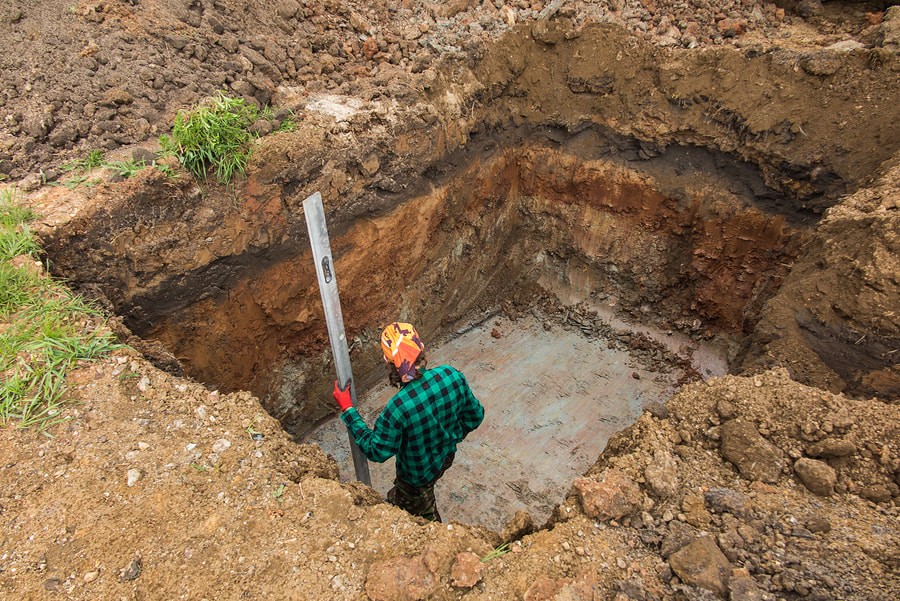
Modern septic design Scugog integrates advanced engineering principles that balance precision, efficiency, and environmental responsibility. Engineers use site modeling software to predict how wastewater behaves under different soil and weather conditions. These simulations reduce errors and improve long-term performance. Accurate calculations for flow rate, soil absorption, and hydraulic pressure ensure that every system functions as intended. This analytical approach allows engineers to optimize tank size, drainage layout, and filtration methods. With advanced technology guiding every step, the septic design becomes both a science and an art, delivering reliable wastewater treatment for residential and commercial properties across Scugog.
Sustainable Design Practices for Scugog Properties
Sustainability is a key focus of septic design Scugog. Engineers aim to create systems that minimize waste, energy use, and environmental disruption. They choose designs that promote natural filtration and soil restoration while preventing groundwater contamination. Energy-efficient pumps and advanced aeration technologies improve performance without increasing operational costs. Sustainable materials extend the system’s life and reduce maintenance needs. By following Ontario’s green infrastructure goals, septic designers contribute to cleaner waterways and healthier soil ecosystems. Sustainability is no longer an option but a necessity for modern septic system planning in the Scugog area.
Role of Licensed Engineers in Septic Design Scugog
Licensed engineers play an essential role in ensuring quality and compliance throughout every stage of septic design Scugog. Their technical expertise allows them to interpret soil data, calculate hydraulic loads, and design systems that meet regulatory standards. Engineers authorized by Professional Engineers Ontario, such as those at Elmid Design Inc, bring accountability and credibility to each project. They provide certified drawings and reports required for municipal permits. Their involvement also guarantees that installation follows engineering specifications exactly. With professional oversight, septic systems perform better, last longer, and maintain public safety standards. Engineering expertise transforms design concepts into sustainable, compliant wastewater solutions.
Inspection and Quality Assurance
Inspection is a critical phase in septic design Scugog. Engineers conduct inspections during installation to confirm that construction matches approved drawings. Each tank, pipe, and leaching bed must be positioned according to the design specifications. Quality assurance includes checking elevations, slope gradients, and component alignment. Engineers also review material quality to ensure that all parts meet Ontario Building Code requirements. Any deviation discovered during inspection is corrected immediately. This strict oversight prevents malfunction and guarantees long-term reliability. Proper inspection provides peace of mind to homeowners, builders, and regulatory authorities, reinforcing the importance of professional involvement in every stage of septic system development.
Cost Factors in Septic Design Scugog
The cost of septic design Scugog depends on multiple factors including site conditions, soil type, and system complexity. Designs for flat, sandy lots are usually less expensive than those for properties with clay soil, high groundwater, or steep slopes. Advanced treatment units and mound systems add cost but provide better performance and longer service life. Hiring a licensed engineering firm may seem like an additional expense, yet it often saves money over time. Accurate design minimizes maintenance and reduces the risk of system failure. The investment in professional design translates into lasting value, safety, and compliance with environmental standards.
Maintenance Planning from the Design Stage
Effective maintenance begins with thoughtful septic design Scugog. Engineers plan systems that are easy to inspect and maintain. Access ports are positioned for convenient pumping, while monitoring devices help track performance over time. Systems designed with proper flow distribution and filtration require fewer repairs. Engineers also provide maintenance guidelines for homeowners, outlining how often to inspect and pump tanks. When maintenance is considered during design, the system runs efficiently for decades. Preventative planning ensures that Scugog’s septic systems remain dependable, environmentally friendly, and cost-effective throughout their lifespan.
Adapting to Challenging Sites in Scugog
Some Scugog properties present unique design challenges such as poor drainage, limited space, or high groundwater levels. Professional engineers address these issues with creative yet compliant solutions. They may recommend raised mound systems, advanced aerobic treatment units, or pressure distribution systems that handle effluent evenly across the drain field. By customizing the design to the site’s conditions, engineers ensure performance without environmental compromise. This adaptability defines the quality of septic design Scugog and shows the importance of expertise in overcoming technical challenges. Tailored designs guarantee that even complex sites achieve safe and efficient wastewater management.
Environmental Stewardship in Septic System Design
Environmental protection remains a guiding principle in septic design Scugog. Engineers focus on preventing groundwater contamination and preserving natural watercourses. Every design incorporates features that enhance soil filtration and promote safe effluent dispersal. Properly sized systems reduce nutrient runoff that could impact Lake Scugog and surrounding wetlands. Sustainable materials and efficient energy use further support environmental goals. Engineering firms like Elmid Design Inc lead with responsibility, ensuring every project aligns with provincial conservation standards. Through smart design and ethical practice, Scugog continues to balance growth with environmental care.
Coordination Between Homeowners and Engineers
Successful septic design Scugog depends on clear communication between property owners and engineers. Homeowners provide crucial details about property use, water demand, and future development plans. Engineers translate that information into data-driven designs that meet both functional and regulatory needs. Ongoing dialogue ensures that expectations are realistic and designs remain adaptable. Regular updates throughout testing, design, and installation help avoid delays or miscommunication. Collaboration fosters trust and results in systems tailored to each property’s unique requirements. This teamwork guarantees efficiency and compliance from design to final approval.
Importance of Documentation and Record Keeping
Accurate documentation is a cornerstone of professional septic design Scugog. Engineers maintain records of soil tests, design drawings, and inspection reports for future reference. These documents are essential for permit applications and resale transactions. Detailed records also support maintenance planning and troubleshooting years after installation. Homeowners benefit from having an accessible record of their system’s specifications and history. Professional documentation enhances transparency and builds trust with local authorities. Keeping precise records demonstrates accountability and supports long-term system integrity within Scugog’s growing communities.
Role of Local Authorities and Permitting
Local authorities in Scugog oversee the permitting and inspection of all septic installations. The Durham Region Health Department reviews each design to confirm it meets Ontario Building Code standards. Engineers submit certified drawings, soil test results, and technical reports as part of this process. Inspectors verify that installation follows approved plans before final approval is granted. The collaboration between engineers and municipal officials ensures that every septic design Scugog project meets safety and environmental criteria. Proper permitting protects both property owners and the wider community by ensuring systems are designed and built to the highest standards.
Technological Innovation in Septic Design
Innovation continues to redefine septic design Scugog through modern technology. Engineers now use digital modeling, remote monitoring sensors, and data analytics to improve system performance. Smart technology can detect early signs of imbalance or blockage, allowing maintenance before major issues occur. Aeration systems equipped with energy-efficient motors enhance treatment quality while lowering operational costs. These innovations not only improve performance but also support environmental goals. By integrating technology with traditional engineering principles, septic systems become more reliable, sustainable, and adaptable to changing conditions in Scugog’s residential and rural developments.
The Growing Need for Professional Design in Scugog
Population growth and rural development in Scugog have increased the demand for engineered septic systems. As new homes and businesses emerge outside urban service areas, professional design becomes essential. Septic design Scugog must now address greater environmental pressure while maintaining regulatory compliance. Professional engineering ensures that systems are designed to handle expansion safely and sustainably. Firms like Elmid Design Inc provide the expertise required to balance community growth with environmental stewardship. As Scugog continues to develop, the role of professional septic design will remain vital in shaping a safe and resilient future.
Educational Awareness for Homeowners
Public awareness plays an important part in maintaining system performance after installation. Many homeowners in Scugog are unfamiliar with how septic systems work or how often they should be inspected. Engineers educate clients during the design process about usage limits, maintenance schedules, and environmental protection practices. Knowledge empowers property owners to use their systems responsibly, reducing the risk of malfunction. Educational guidance from engineers builds lasting trust and strengthens community-wide wastewater management. This shared understanding between professionals and homeowners ensures that septic design Scugog projects remain sustainable long after installation.
Professional Leadership in Septic Engineering
Elmid Design Inc exemplifies the leadership and professionalism essential for successful septic design Scugog projects. As an engineering firm authorized by Professional Engineers Ontario, they combine technical precision with ethical responsibility, ensuring every project is handled with care and integrity. Moreover, their designs demonstrate innovation, accuracy, and environmental awareness while meeting all regulatory standards. In addition, each project undergoes detailed quality checks to maintain compliance, reliability, and performance. Furthermore, Elmid Design Inc remains dedicated to public safety and sustainable development, which builds long-term trust among clients and regulators. Consequently, their consistent engineering excellence continues to define the benchmark for septic system design across Scugog and throughout the Durham Region.
Future of Engineering in Septic Design Scugog
Septic design Scugog is evolving with new engineering approaches that emphasize environmental safety, energy efficiency, and long-term system reliability. Modern engineers rely on digital modeling tools and hydrogeological analysis to design systems that respond to changing site conditions. These methods predict performance during heavy rainfall, seasonal temperature shifts, and soil saturation. By adopting predictive modeling, engineers reduce design errors and improve regulatory compliance. The future of septic design lies in precision and adaptability, ensuring each system performs consistently under real-world conditions across Scugog’s diverse landscape.
Integration of Smart Monitoring Systems
Smart monitoring systems are transforming septic design Scugog by introducing real-time data collection and remote management. Engineers now incorporate sensors that track effluent levels, flow rates, and pump cycles. This technology alerts homeowners and service providers to irregularities before they develop into costly problems. Remote monitoring enhances performance while minimizing maintenance disruptions. Engineers analyze collected data to refine future designs, improving accuracy with each project. These smart systems represent a major advancement in on-site wastewater management, making septic systems more transparent, efficient, and responsive.
Climate-Resilient Septic Design Scugog
Climate adaptation has become essential for septic design Scugog due to Ontario’s fluctuating weather patterns. Engineers design systems to withstand freeze-thaw cycles, intense rainfall, and groundwater fluctuations. Elevated mound systems, reinforced pipes, and protective insulation are used to maintain operation through harsh conditions. Designs also incorporate advanced drainage planning to prevent flooding and hydraulic overload. This focus on climate resilience ensures long-term system functionality even in extreme weather. By anticipating climate challenges, engineers provide durable, adaptable systems that protect both homeowners and the local environment.
Environmental Sustainability and Wastewater Management
Sustainability continues to shape septic design Scugog through eco-friendly practices and materials. Engineers integrate natural treatment methods like soil filtration and vegetative absorption zones. These features reduce the carbon footprint and enhance groundwater protection. Low-energy components and recyclable materials further support Ontario’s green building initiatives. The combination of modern engineering and environmental ethics allows septic systems to operate efficiently without harming local ecosystems. This balance between technology and nature defines the next generation of sustainable wastewater management across Scugog.
Innovation in Materials and Construction Methods
The materials used in septic design Scugog have advanced significantly in recent years. Engineers now specify corrosion-resistant tanks, pressure-rated PVC pipes, and long-lasting filtration media. These components increase system longevity while reducing maintenance costs. Prefabricated modules and modern construction techniques also shorten installation times and improve accuracy. Each material is tested to meet Ontario Building Code standards for safety and durability. By using innovative construction methods, engineers ensure that septic systems remain dependable for decades, supporting both residential and commercial applications throughout Scugog.
High-Density Development and Shared Septic Solutions
As Scugog’s population grows, high-density residential developments often require shared septic systems rather than individual ones. Engineers design cluster systems that serve multiple homes with a single treatment unit. This approach reduces land use while maintaining efficiency and compliance. Shared systems require precise flow management and monitoring, which professional engineers handle through advanced hydraulic modeling. These community-based solutions support responsible development in rural and semi-rural areas. With careful planning, high-density designs preserve environmental quality while providing cost-effective wastewater management options.
Engineering Collaboration and Community Planning
Successful septic design Scugog involves collaboration between engineers, planners, contractors, and property owners. Engineers work closely with local municipalities to align wastewater infrastructure with future growth plans. Early coordination reduces delays and ensures regulatory approval. Collaborative design promotes community health by balancing expansion with environmental preservation. This partnership approach enhances both engineering quality and long-term sustainability. Cooperation among stakeholders transforms septic design into an essential part of community development in Scugog’s growing rural and semi-urban regions.
Education and Homeowner Responsibility
Public understanding remains crucial to the long-term success of septic design Scugog. Engineers and environmental agencies focus on educating homeowners about proper system care and environmental stewardship. Awareness of maintenance schedules, water usage habits, and inspection requirements prevents premature system failure. Educational outreach encourages responsible wastewater management that aligns with Ontario’s sustainability goals. When homeowners actively participate in maintaining their systems, they protect both their investment and the local environment. Education transforms ownership into partnership, ensuring consistent system performance for years to come.
Role of Elmid Design Inc in Professional Septic Design
Elmid Design Inc continues to set the standard for excellence in septic design Scugog through technical expertise and environmental dedication. As a firm authorized by Professional Engineers Ontario, it combines precision engineering with a deep understanding of local soil and water conditions. Each design undergoes detailed analysis and quality verification to guarantee compliance and performance. The firm’s approach emphasizes sustainability, accuracy, and long-term client satisfaction. With every project, Elmid Design Inc strengthens its reputation as a trusted leader in septic engineering across Scugog and surrounding regions.
Innovation and Research in Septic Design
Continuous research drives improvement in septic design Scugog. Engineers study wastewater behavior, microbial treatment processes, and material durability to develop new solutions. Laboratory testing and field monitoring provide valuable data for future projects. Research efforts lead to more efficient, low-maintenance systems that meet both residential and commercial demands. The integration of scientific research into design practice ensures innovation remains constant. Through experimentation and evidence-based design, Scugog continues to benefit from progressive, data-driven engineering.
Regional Growth and Infrastructure Integration
Scugog’s development demands infrastructure that keeps pace with population growth. Septic design Scugog now forms a critical part of land-use planning and development approval. Engineers coordinate with municipalities to ensure that new systems complement future expansion. Properly designed septic systems reduce strain on public infrastructure while maintaining environmental integrity. As Scugog grows, engineering foresight ensures that rural and semi-urban properties continue to have safe, sustainable wastewater solutions. Septic design now plays a strategic role in shaping responsible regional development.
Long-Term Performance and Monitoring
Long-term performance defines the success of any septic system. Engineers incorporate performance monitoring into every septic design Scugog project. Regular inspections, flow analysis, and system updates maintain operational integrity. Advanced systems with sensors provide early warnings that prevent costly damage. Consistent monitoring allows engineers to track efficiency and make data-backed improvements. This ongoing evaluation ensures that systems meet evolving environmental and technical standards, keeping Scugog’s communities safe and sustainable.
Professional Accountability and Ethical Standards
Ethical practice forms the backbone of professional septic design Scugog. Firms like Elmid Design Inc follow the professional code established by Professional Engineers Ontario to ensure integrity, transparency, and accountability. Every design decision prioritizes public safety and environmental protection. Engineers maintain open communication with clients and regulators, documenting every phase of the project. Ethical engineering builds public trust and reinforces professional credibility. Accountability ensures that each system operates safely, efficiently, and in harmony with community values.
FAQs — Septic Design Scugog
What does septic design Scugog include?
Septic design Scugog includes site assessment, soil testing, hydraulic calculations, and engineered drawings that comply with Ontario Building Code requirements. Engineers design the full layout for tanks, leaching beds, and effluent flow systems.
How long does it take to complete septic design in Scugog?
The design process usually takes between three and six weeks depending on soil testing, permit approval, and environmental assessment requirements. Complex properties may require additional time for review.
Why is hiring a licensed engineer important for septic design Scugog?
Licensed engineers ensure compliance with building codes and environmental standards. Their certification through Professional Engineers Ontario guarantees that the design is accurate, safe, and professionally accountable.
What is the average cost of septic design in Scugog?
Costs vary based on soil conditions, system size, and property features. Basic designs are generally more affordable, while advanced systems like mounds or aerobic units increase overall expense but enhance long-term value.
Can older septic systems in Scugog be upgraded?
Yes, existing systems can be upgraded through modern engineering methods. Engineers evaluate the current system and design improvements such as new drainage configurations or advanced treatment technologies to meet current standards.
How can homeowners maintain septic systems efficiently?
Regular pumping, inspection, and responsible water use are essential. Engineers recommend avoiding harsh chemicals and ensuring that drainage fields remain free from heavy vehicles or construction materials.
Does Elmid Design Inc provide septic design services in Scugog?
Yes, Elmid Design Inc provides certified septic design Scugog services with expertise in site assessment, engineering design, and regulatory compliance. Their professional team delivers reliable, sustainable, and cost-effective wastewater solutions.

Leading Engineering Excellence in Septic Design Scugog
Elmid Design Inc is a trusted engineering firm providing professional septic design Scugog services with precision, innovation, and integrity. Backed by a Certificate of Authorization from Professional Engineers Ontario, the company delivers safe, sustainable, and regulation-compliant wastewater solutions. Their expert team combines technical accuracy with local environmental knowledge to design systems that perform efficiently for decades. Elmid Design Inc continues to set the benchmark for engineering excellence across Scugog, ensuring every project reflects quality, environmental responsibility, and the highest standards of professional practice.
Geographic Locations That We Service:
Our Licensed Professional Engineers specializing in Engineered Site Grading Plans offer the best-engineered site grading plan, lot grading and erosion plan, and drainage plan to obtain site plan approval and building permits in Ontario, including a wide range of municipalities. Each area boasts unique features and requirements, making our tailored approach essential for success.
Toronto and Surrounding Areas
In the vibrant heart of Ontario, we service Toronto (City of Toronto) and surrounding areas. Additionally, we cover Oshawa (City of Oshawa), Pickering (City of Pickering), and Clarington (Municipality of Clarington). Furthermore, our expertise extends to Ajax (Town of Ajax), Whitby (Town of Whitby), Brock (Township of Brock), Scugog (Township of Scugog and Uxbridge (Township of Uxbridge).
Halton Region
Moving to the Halton Region, our services encompass Burlington (City of Burlington) and Halton Hills (Town of Halton Hills). Also included are Milton (Town of Milton) and Oakville (Town of Oakville).
Peel Region
In the Peel Region, we provide services in Brampton (City of Brampton), Mississauga (City of Mississauga), and Caledon (Town of Caledon).
York Region
Our services in the York Region cover Vaughan (City of Vaughan), Aurora (Town of Aurora), and East Gwillimbury (Town of East Gwillimbury). We also cater to Georgina (Town of Georgina), Markham (City of Markham), Newmarket (Town of Newmarket), Richmond Hill (City of Richmond Hill), Whitchurch-Stouffville (Town of Whitchurch-Stouffville), King (Township of King), and Bradford-West Gwillimbury (Town of Bradford-West Gwillimbury). Each municipality here offers a distinct setting, requiring our specialized approach.
Other Southern Ontario Cities and Towns
We also serve many other cities and towns in Southern Ontario. These include Hamilton (City of Hamilton), St. Catharines (City of St. Catharines), Niagara on the Lake (Town of Niagara on the Lake), Brant (County of Brant), Cambridge (City of Cambridge), Kitchener (City of Kitchener), Waterloo (City of Waterloo), and Woodstock (City of Woodstock). Furthermore, we operate in Guelph (City of Guelph), Centre Wellington (Township of Centre Wellington), Shelburne (Town of Shelburne), Orangeville (Town of Orangeville), New Tecumseth (Town of New Tecumseth), Essa (Town of Essa), Collingwood (Town of Collingwood), Wasaga Beach (Town of Wasaga Beach), Barrie (City of Barrie), Midland (Town of Midland), Orillia (City of Orillia), Ramara (Town of Ramara), Minden Hills (Town of Minden Hills), North Kawartha (Town of North Kawartha), Kawartha Lakes (City of Kawartha Lakes), Peterborough (City of Peterborough), Selwyn (Town of Selwyn), and Brighton (Municipality of Brighton).