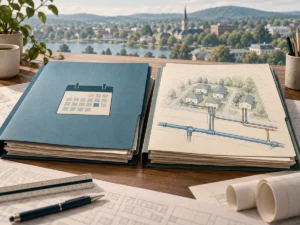
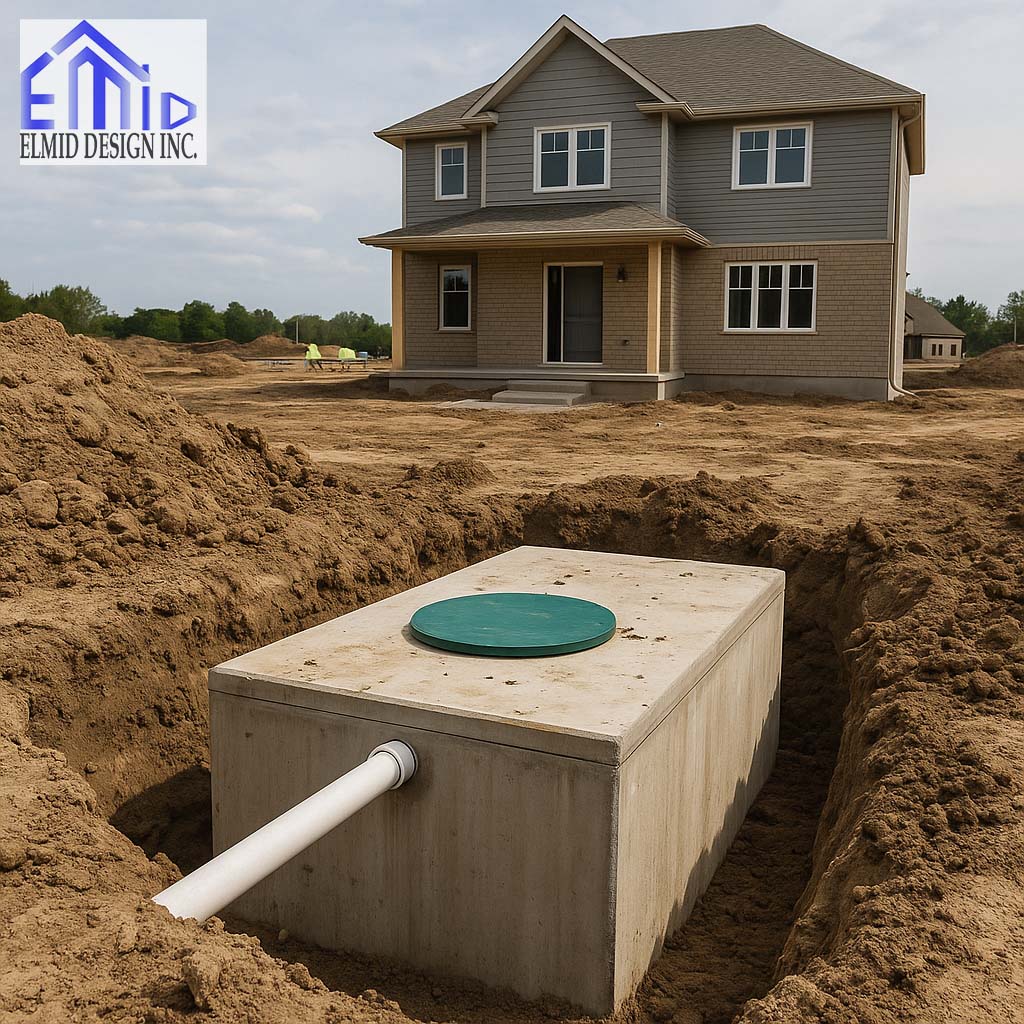
Septic design Clarington is an essential component of every rural or semi-rural property that is not connected to a municipal sewer system. The Clarington region, part of Durham Region in Ontario, features a mix of residential, agricultural, and commercial properties that rely on engineered septic systems for safe wastewater management. A properly designed system ensures efficient treatment, prevents contamination of groundwater, and meets all environmental regulations. In this area, the soil structure, groundwater levels, and landscape diversity make professional septic design a necessity rather than a choice. Licensed engineers evaluate site-specific conditions to create systems that perform reliably for decades. Firms like Elmid Design Inc, authorized by Professional Engineers Ontario, bring both expertise and accountability to every design, ensuring that homeowners in Clarington receive sustainable, compliant, and durable septic systems that protect their property and the surrounding environment.
Why Septic Design Matters in Clarington
The importance of septic design Clarington lies in its impact on health, safety, and long-term property value. Many areas in Clarington depend on private septic systems, making correct design a key factor in wastewater treatment. Local conditions, such as heavy clay soil and variable water tables, require specialized planning to prevent system overload and groundwater pollution. Poorly designed systems often lead to backups, foul odors, and environmental violations. Engineers analyze soil composition, drainage, and slope to determine the right system configuration. Proper septic design ensures compliance with the Ontario Building Code and protects natural resources like nearby rivers and lakes. For residents and developers, professional engineering services safeguard both the home and the environment by delivering systems that operate efficiently throughout all seasons in Clarington’s climate.
What Septic Design Involves
The process of septic design Clarington involves several technical steps carried out by licensed engineers. It begins with a detailed site inspection to evaluate terrain, elevation, and drainage patterns. Engineers then perform soil tests to measure how quickly water is absorbed into the ground, known as percolation rate. These results determine the size and type of leaching bed required. Calculations based on daily water usage and the number of bedrooms ensure the system is properly sized. The design also includes layout drawings that specify tank placement, distribution lines, and access points. Engineers prepare documents for building permit submission and ensure every component meets code requirements. This structured process transforms complex data into a functional, efficient, and compliant wastewater treatment system tailored for each Clarington property.
Factors Influencing Septic Design Clarington
Several factors influence how septic systems are designed in Clarington. Soil texture is one of the most critical elements since it determines how fast or slow wastewater percolates. Sandy soils may drain too quickly, risking groundwater contamination, while clay soils retain water, leading to saturation issues. The local water table and seasonal flooding potential also affect system depth and design configuration. Lot size dictates how much space is available for tanks and leaching beds, while slope and vegetation guide drainage patterns. Engineers consider all these variables to create a balanced system that efficiently filters wastewater. Without professional assessment, property owners risk building systems that fail prematurely or harm the environment. Precision and local knowledge define effective septic design across Clarington.
Common Septic Systems Used in Clarington
Different soil and property conditions across Clarington require various septic system types. The most common is the conventional gravity-fed system, where wastewater flows naturally from the tank into a leaching bed. However, areas with poor drainage or limited space often require mound systems that elevate the drain field above ground level. Aerobic treatment units, which use oxygen to accelerate bacterial breakdown, are ideal for environmentally sensitive or high-water-table sites. Pressure distribution systems are another option, evenly dispersing effluent across the bed for improved absorption. Each system demands specific engineering based on property characteristics and local regulations. Selecting the right system ensures efficient operation and compliance with Clarington’s environmental standards. Professional engineers assess each site thoroughly to determine the best solution for long-term wastewater management.
Site Evaluation and Soil Testing
A thorough site evaluation and soil test are vital steps in septic design Clarington. Engineers collect samples at different depths to analyze texture, structure, and moisture retention. Percolation testing measures how fast water drains through the soil, indicating which system will function best. The test results also determine bed size, trench depth, and distance between components. Site evaluation includes mapping natural drainage, groundwater proximity, and topographical features. The goal is to design a system that integrates with the land while ensuring safe effluent treatment. Engineers use data from these tests to create accurate calculations and detailed blueprints. Without precise site analysis, a design may not meet health regulations or function properly during seasonal changes. Soil testing forms the foundation of every compliant septic system in Clarington.
Environmental Considerations in Septic Design
Environmental protection is central to septic design Clarington because wastewater directly affects groundwater and surface water quality. Engineers incorporate safeguards that minimize pollution and maintain ecosystem balance. Proper filtration ensures contaminants like nitrates and bacteria do not reach drinking water sources. Adequate setbacks from wells, property lines, and natural watercourses reduce environmental risks. Engineers may include additional treatment stages such as aeration or biofilters to enhance purification. Sustainable materials and energy-efficient components further lower the system’s ecological impact. These environmentally conscious practices align with Ontario’s conservation policies and Clarington’s commitment to responsible development. By focusing on sustainability, septic design promotes long-term health for both residents and the environment.
Local Regulations for Septic Design Clarington
Septic systems in Clarington are regulated under the Ontario Building Code, specifically Part 8, which governs on-site sewage systems. The Durham Region Health Department manages inspections, testing, and permit approvals for local installations. Every design must meet code requirements for tank size, setback distances, and soil absorption rates. Engineers are responsible for preparing detailed drawings, calculations, and certifications to support the permit application. They also coordinate with health officials to schedule inspections during installation. Following these procedures ensures that the septic system functions safely and meets all environmental standards. Compliance with regulations not only protects the property owner but also reinforces public trust in responsible wastewater management throughout Clarington.
Engineering Expertise and Professional Accountability
Licensed engineering expertise is the backbone of septic design Clarington. Engineers from firms like Elmid Design Inc combine advanced knowledge with practical experience to design systems that are safe, efficient, and compliant. As holders of a Certificate of Authorization from Professional Engineers Ontario, they are legally accountable for their designs. Each project undergoes technical review, documentation, and sealing by a professional engineer to guarantee precision. Their involvement ensures proper sizing, soil compatibility, and structural stability. Professional accountability means that every system meets both provincial and municipal requirements. Homeowners benefit from peace of mind knowing their system is designed by experts committed to quality and environmental protection. Engineering oversight transforms septic design from a basic necessity into a long-term investment in property reliability and sustainability.
Choosing the Right Septic Design Company
Selecting a qualified company for septic design Clarington determines the system’s overall performance. Homeowners should seek firms with verified credentials, engineering authorization, and proven experience in the local area. A reputable company understands regional soil conditions, permitting processes, and environmental standards. Firms like Elmid Design Inc provide comprehensive services from initial testing to final approval, ensuring accuracy at every stage. Their hands-on approach combines technical expertise with local familiarity, delivering designs that perform efficiently and remain compliant. Choosing a certified engineering firm also guarantees transparency, accountability, and professional integrity. Working with experts ensures that each septic system is built to last and aligned with both environmental and regulatory standards.
Cost Considerations in Septic Design
The cost of septic design Clarington varies depending on property conditions, system type, and regulatory requirements. Simpler gravity-fed systems are generally more affordable, while advanced treatment units or mound systems require higher investment due to added engineering complexity. Soil testing, permit fees, and installation also influence overall expenses. Although the upfront cost may seem significant, professional design prevents future repairs and environmental issues that can cost much more. A well-designed system operates efficiently, reducing long-term maintenance expenses. Engineers help clients understand cost variables and recommend solutions that balance performance and budget. Investing in a certified design ensures both financial efficiency and regulatory peace of mind for Clarington property owners.
Role of Maintenance in System Longevity
Maintenance plays a vital role in the success of septic design Clarington. Engineers plan systems with accessibility in mind to simplify routine inspections and pumping. Regular maintenance keeps components functioning and prevents early deterioration. Homeowners should follow engineer-recommended inspection schedules and monitor water use to avoid system overload. Proper design supports easy maintenance through clearly defined access points and durable materials. Preventive care protects groundwater quality and extends system life, turning maintenance into an integral part of sustainable wastewater management. A well-maintained system demonstrates the effectiveness of thoughtful engineering design combined with responsible ownership.
Advanced Engineering in Septic Design Clarington
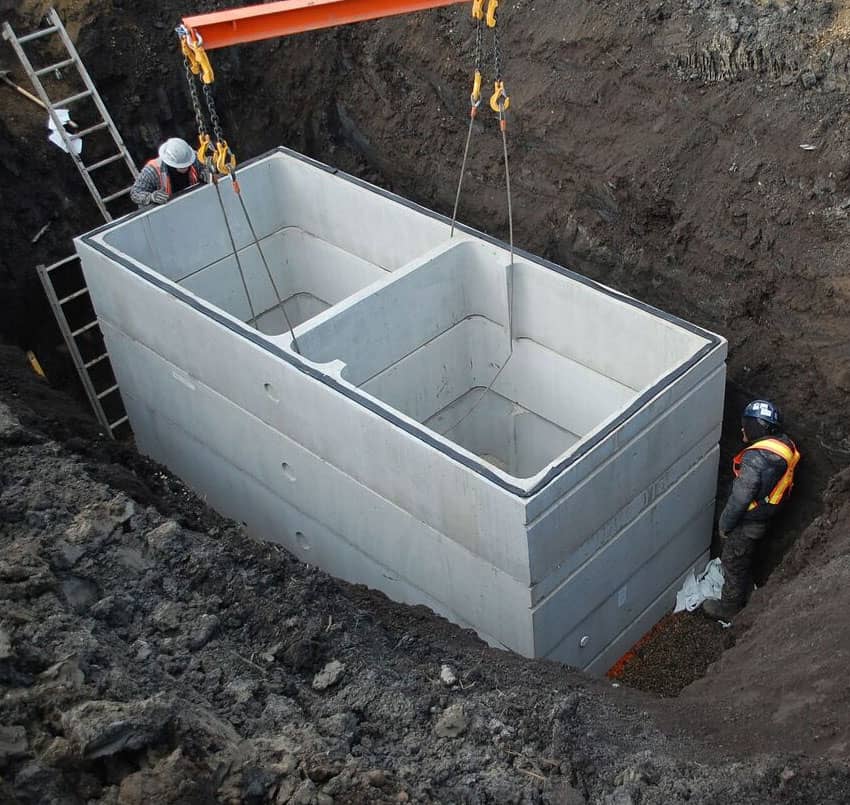
Modern septic design Clarington uses advanced engineering tools and methods to achieve precision, reliability, and sustainability. Engineers rely on digital modeling and hydrogeological assessments to analyze soil absorption, drainage flow, and groundwater behavior before creating detailed layouts. These analytical tools allow for system optimization that minimizes maintenance and enhances durability. Engineers also evaluate how seasonal changes affect system performance to ensure year-round functionality. The integration of engineering science with local knowledge provides Clarington homeowners with systems that meet technical, environmental, and regulatory standards. As technology evolves, septic design continues to deliver efficient and environmentally responsible solutions for both residential and commercial properties.
Sustainable Septic System Design in Clarington
Sustainability drives every aspect of septic design Clarington, ensuring systems are environmentally friendly and energy efficient. Engineers incorporate low-impact construction techniques and components that minimize energy use during operation. By using natural filtration and biological treatment processes, modern systems protect groundwater and reduce pollution. Sustainable designs also consider future maintenance and upgrade potential, ensuring long-term usability. Additionally, the use of durable, non-toxic materials extends the lifespan of each system while reducing environmental waste. Through these practices, engineers help Clarington property owners meet environmental goals without sacrificing performance or reliability. Sustainability in septic design represents the balance between innovation and ecological responsibility.
Role of Licensed Engineers in Clarington
Licensed engineers play a crucial role in ensuring that every septic design Clarington complies with the Ontario Building Code and local environmental regulations. Their training and certification under Professional Engineers Ontario guarantee accountability and accuracy. Engineers assess complex factors such as soil permeability, hydraulic loading, and effluent distribution. They design systems that perform efficiently while adhering to safety and sanitation standards. Firms like Elmid Design Inc provide the expertise required for successful design approval and system installation. Engaging licensed engineers ensures the system’s functionality, durability, and environmental protection. Their professional oversight builds trust and provides assurance that each project meets legal and technical standards.
Inspection and Quality Assurance
Inspection and quality assurance are vital stages of septic design Clarington, ensuring that the final installation aligns with the approved engineering plan. Engineers conduct on-site evaluations during construction to verify tank placement, slope, and bed configuration. These inspections prevent deviations that could affect performance or regulatory compliance. The quality assurance process also includes testing materials and verifying soil conditions to ensure the design functions as intended. Any adjustments are made immediately to maintain accuracy. Regular inspections safeguard system integrity and reduce future repair costs. This commitment to quality reflects the professionalism and precision behind every engineered septic system in Clarington.
Cost and Value in Septic Design Clarington
Cost plays a significant role in planning septic systems, but value extends far beyond the initial investment. Septic design Clarington focuses on balancing affordability with long-term performance. Engineers evaluate factors such as soil condition, water usage, and property layout to develop cost-efficient systems that last decades. While professional design involves an upfront cost, it prevents future expenses from system failure or environmental damage. Energy-efficient components and proper sizing further reduce maintenance and operation costs. A professionally designed system provides long-term savings and property protection, offering both economic and environmental benefits to Clarington homeowners.
Maintenance Planning During the Design Stage
Effective maintenance begins with thoughtful planning during the design phase. Engineers design septic systems in Clarington with accessibility and long-term serviceability in mind. Tanks are placed for easy access, while monitoring ports allow routine inspection without disruption. The system’s layout supports efficient pumping and cleaning, minimizing future maintenance costs. Regular upkeep, guided by the design’s structure, extends the lifespan of the entire system. Engineers also educate homeowners on maintenance schedules to prevent misuse and overloading. Planning for maintenance early in the process ensures the system continues operating safely and efficiently throughout its life cycle.
Adapting to Challenging Site Conditions
Clarington’s varied terrain presents challenges such as uneven slopes, high groundwater levels, and poor drainage. Engineers address these conditions through innovative septic design Clarington strategies. Elevated mound systems are used in high-water-table areas, while pressure distribution systems handle sites with restrictive soils. These engineering adaptations ensure consistent treatment and discharge of effluent without contaminating nearby water sources. Site-specific designs help overcome natural limitations while maintaining environmental compliance. The ability to adapt engineering solutions to local landscapes distinguishes professional septic designers from standard installers. By addressing challenges early, engineers create systems that perform efficiently under even the most demanding conditions.
Technological Advancements in Septic Design
Technology continues to transform septic design Clarington through automation, sensors, and data analysis. Engineers now integrate monitoring systems that track effluent levels, pump performance, and flow distribution. These technologies detect potential issues before they escalate, preventing costly repairs. Automated aeration systems improve bacterial efficiency and reduce energy consumption. Data gathered from smart sensors helps engineers refine future designs, ensuring ongoing innovation. This technological evolution enhances both functionality and sustainability, supporting reliable wastewater treatment for modern properties. Clarington’s growing reliance on smart infrastructure highlights the importance of integrating technology into every aspect of septic design.
Environmental Stewardship in Wastewater Engineering
Environmental stewardship remains a central priority in septic design Clarington. Engineers design systems that safeguard groundwater, reduce nutrient runoff, and prevent contamination. By following Ontario’s environmental protection standards, they ensure treated effluent is safely filtered through the soil before reaching the water table. Advanced treatment technologies further improve water quality and minimize ecological disruption. Engineers also use environmentally responsible materials and techniques that reduce construction impact. Each design reflects a commitment to protecting Clarington’s natural resources while supporting the needs of property owners. Responsible wastewater engineering reinforces community health and environmental resilience.
Collaboration Between Engineers and Homeowners
Strong communication between engineers and property owners leads to successful project outcomes. During septic design Clarington, engineers work closely with clients to understand household size, future expansion plans, and water usage patterns. This collaboration ensures the system is properly sized and adaptable. Engineers explain design choices and maintenance requirements to help homeowners manage their systems effectively. Transparent communication throughout the design and permitting stages builds trust and prevents misunderstandings. The cooperative approach results in systems that not only meet technical standards but also align with client expectations and environmental goals.
Documentation and Regulatory Compliance
Documentation is an essential part of septic design Clarington. Engineers prepare comprehensive reports, test results, and drawings required for permit applications. These documents demonstrate compliance with the Ontario Building Code and local health department standards. Maintaining organized documentation helps streamline inspections, property transactions, and future upgrades. Engineers also record all field data to ensure full traceability and accountability. Accurate documentation establishes transparency between engineers, regulators, and property owners. This professional process guarantees the system’s legality and long-term reliability while reinforcing trust in the engineering process.
Role of Durham Region Health Department
The Durham Region Health Department oversees septic system design and installation in Clarington to ensure public health and environmental protection. Engineers collaborate with inspectors to verify design accuracy and code compliance. Permit applications require approval from the department before construction begins. Inspections occur at multiple stages to confirm correct installation and safe operation. Engineers provide all necessary documentation and technical reports for review. This partnership between engineers and health officials ensures systems meet strict performance and environmental criteria. Cooperation with regulatory authorities forms the foundation of safe and sustainable septic systems in Clarington.
Growing Demand for Professional Design in Clarington
As Clarington expands, demand for professional septic design continues to grow. New housing developments and rural properties require engineered wastewater solutions that meet higher standards of safety and sustainability. Engineers design systems capable of supporting increased population density while protecting water resources. Septic design Clarington now incorporates advanced planning to accommodate community growth without harming the environment. The rising need for professional engineering services highlights the importance of expertise and certification. With continued urban expansion, professionally designed septic systems remain critical to sustainable development in Clarington.
Professional Integrity and Leadership
Elmid Design Inc demonstrates leadership in septic design Clarington through its dedication to quality engineering, environmental awareness, and client satisfaction. The firm’s certified engineers apply advanced design principles that meet Ontario Building Code standards and local environmental requirements. Each project undergoes rigorous evaluation, ensuring accuracy, safety, and sustainability. The company’s commitment to professional ethics and transparency builds lasting trust with clients and regulators. Through consistent innovation and high standards, Elmid Design Inc continues to define excellence in septic design and wastewater engineering across the Clarington region.
Future of Septic Design in Clarington
The future of septic design Clarington lies in innovation, sustainability, and adaptability. Engineers are increasingly using predictive modeling and digital simulations to improve accuracy in system sizing and placement. These technologies help predict how systems will perform under different soil and weather conditions. The integration of renewable energy-powered pumps and sensors also supports energy-efficient wastewater management. As Clarington grows, engineers must design systems that can handle both residential and commercial expansion while maintaining environmental safety. This forward-thinking approach ensures that the region’s septic infrastructure remains reliable, efficient, and environmentally responsible for generations to come.
Smart Technology in Septic Design Clarington
Smart technology is redefining septic design Clarington by making systems more intelligent and self-regulating. Engineers can specify monitoring sensors that collect real-time data on effluent flow, tank levels, and pressure distribution. This data allows early detection of problems such as leaks or blockages before they cause system failure. Remote access through monitoring software enables both homeowners and engineers to track system performance continuously. Smart automation enhances reliability, reduces maintenance costs, and prolongs lifespan. The integration of technology not only modernizes septic systems but also improves environmental protection by maintaining consistent treatment efficiency.
Climate-Resilient Septic Design in Clarington
Engineers are prioritizing climate resilience in septic design Clarington due to unpredictable weather patterns and rising groundwater levels. Systems must withstand heavy rainfall, flooding, and freeze-thaw cycles common in Ontario’s climate. Engineers design elevated beds, reinforced tanks, and frost-protected piping to ensure reliable performance year-round. Advanced drainage solutions prevent surface runoff and minimize contamination risks during storm events. These climate-adapted systems operate efficiently even under extreme conditions. Through innovative engineering, septic systems in Clarington are built to endure environmental challenges without compromising function or safety.
Sustainable Wastewater Treatment Approaches
Sustainability is a cornerstone of septic design Clarington, where every system is created to preserve environmental integrity. Engineers design systems that mimic natural filtration processes, using soil and microorganisms to purify wastewater. Advanced treatment units further enhance water quality before discharge. These systems reduce nutrient pollution and protect the region’s groundwater from contamination. Engineers also select eco-friendly materials and low-impact installation methods that minimize land disturbance. The commitment to sustainability ensures that septic systems contribute positively to Clarington’s environmental goals while meeting the community’s wastewater needs responsibly.
Collaboration Between Engineers and Municipal Authorities
Collaboration between engineers and municipal officials ensures that septic design Clarington aligns with local development plans and environmental regulations. Engineers coordinate with the Durham Region Health Department during every stage, from testing to installation. This partnership streamlines the permit process and ensures systems meet all technical and environmental standards. Regular communication prevents design delays and regulatory issues. Collaboration also promotes transparency between property owners, engineers, and local authorities. This cooperative approach ensures septic systems serve both public health and environmental preservation in Clarington’s expanding communities.
Education and Awareness in Septic Management
Public education plays an important role in maintaining the long-term success of septic design Clarington. Engineers actively educate property owners about proper system usage, maintenance schedules, and water conservation practices. Awareness programs help homeowners understand how simple actions can prevent contamination and system failure. When residents understand the design and functionality of their systems, they take greater responsibility for upkeep. This collaboration between engineers and homeowners supports long-term environmental protection and reduces costly repairs. Education transforms septic management from a technical task into shared community stewardship.
Role of Research and Innovation
Research and innovation are transforming septic design Clarington by introducing new materials and biological treatment methods. Engineers continually test improved filtration media, advanced aeration systems, and energy-efficient components. Ongoing research focuses on reducing the carbon footprint of septic systems and enhancing their purification capability. Field trials and performance monitoring provide valuable data for future designs. Through scientific advancement, septic systems are becoming more efficient, eco-friendly, and easier to maintain. The integration of innovation ensures that Clarington remains a leader in sustainable wastewater engineering within Ontario.
Localized Design Adaptations in Clarington
Each area within Clarington presents unique design challenges, from dense clay soils in Bowmanville to rocky terrain near Courtice. Engineers customize each septic design Clarington to match local geological and hydrological conditions. Site-specific adjustments prevent common failures like groundwater infiltration or poor effluent absorption. Local knowledge allows engineers to design systems that not only meet provincial standards but also perform optimally under regional environmental pressures. This customized approach ensures efficiency, compliance, and sustainability while respecting Clarington’s diverse natural landscape.
Engineering Integrity and Professional Standards
Engineering integrity is the foundation of septic design Clarington. Firms like Elmid Design Inc follow strict ethical standards established by Professional Engineers Ontario. Their work reflects accuracy, accountability, and transparency at every project stage. Engineers document each calculation, site test, and design decision to maintain complete traceability. Adherence to professional standards protects public health and environmental safety. Clients benefit from clear communication, quality assurance, and guaranteed compliance. This commitment to excellence reinforces confidence in every septic system engineered and approved within Clarington.
Expanding Residential and Commercial Needs
As Clarington continues to grow, demand for high-quality septic design increases across residential and commercial sectors. New housing developments, industrial sites, and agricultural properties require reliable systems capable of handling large volumes of wastewater. Engineers design scalable systems that accommodate both immediate and future needs without exceeding environmental limits. By combining advanced technology and forward-thinking design, septic design Clarington supports sustainable urban expansion while maintaining compliance with health and safety regulations. These adaptable solutions ensure that growth in Clarington remains both responsible and environmentally sound.
Integration of Renewable Energy in Septic Systems
Renewable energy is beginning to play a role in septic design Clarington as engineers seek to reduce carbon emissions and operational costs. Solar-powered pumps and energy-efficient control systems provide sustainable alternatives to traditional power sources. These innovations lower long-term expenses and enhance energy independence for rural properties. Renewable energy integration also aligns with Ontario’s climate action goals, reinforcing Clarington’s reputation for sustainability. Through forward-thinking engineering, septic systems are evolving into eco-friendly, energy-efficient solutions that contribute to broader environmental progress.
Leadership in Septic Design by Elmid Design Inc
Elmid Design Inc continues to lead in septic design Clarington through its combination of technical expertise, innovation, and regulatory compliance. The firm’s Professional Engineers Ontario–certified team designs systems that prioritize safety, performance, and sustainability. Each project undergoes detailed analysis and quality control to ensure accuracy and long-term reliability. The firm’s engineers apply advanced technology, sustainable materials, and energy-efficient principles to every design. This commitment to professional excellence establishes Elmid Design Inc as a trusted partner for homeowners, developers, and municipal authorities throughout the Clarington region.
FAQs — Septic Design Clarington
What does septic design Clarington include?
Septic design Clarington includes site evaluation, soil testing, hydraulic calculations, and engineered drawings that meet Ontario Building Code standards. It ensures efficient, safe, and compliant wastewater management.
How long does septic design take in Clarington?
The design process typically takes between three and six weeks, depending on site complexity, soil testing, and the speed of permit approvals from local authorities.
Why is professional engineering necessary for septic systems?
Licensed engineers ensure designs meet provincial laws and environmental regulations. Their expertise guarantees accurate sizing, safety, and compliance with health standards.
Can existing septic systems in Clarington be upgraded?
Yes, older systems can be redesigned or upgraded using modern treatment units, advanced filtration, or pressure distribution systems to improve efficiency and environmental safety.
What factors affect septic design costs in Clarington?
Costs vary based on soil conditions, groundwater levels, system type, and property accessibility. Complex sites requiring advanced treatment systems generally cost more to design.
How can homeowners maintain septic systems properly?
Regular inspection, timely pumping, and avoiding the use of harsh chemicals are key to maintaining performance and extending system life. Following engineering recommendations ensures efficiency and longevity.
Does Elmid Design Inc provide septic design in Clarington?
Yes, Elmid Design Inc provides certified septic design Clarington services. The firm specializes in creating sustainable, efficient, and code-compliant systems tailored to local site conditions.

Leading Experts in Septic Design Clarington
Elmid Design Inc stands as a trusted engineering firm delivering professional septic design Clarington services built on precision, sustainability, and compliance. Backed by a Certificate of Authorization from Professional Engineers Ontario, the firm ensures every design meets Ontario Building Code standards while protecting groundwater and the environment. With a team of experienced engineers, Elmid Design Inc combines advanced technology and local expertise to create durable, efficient, and eco-friendly wastewater systems. The company’s commitment to quality, transparency, and innovation makes it a leading choice for reliable septic solutions across Clarington and surrounding Durham Region communities.
Geographic Locations That We Service:
Our Licensed Professional Engineers specializing in Engineered Site Grading Plans offer the best-engineered site grading plan, lot grading and erosion plan, and drainage plan to obtain site plan approval and building permits in Ontario, including a wide range of municipalities. Each area boasts unique features and requirements, making our tailored approach essential for success.
Toronto and Surrounding Areas
In the vibrant heart of Ontario, we service Toronto (City of Toronto) and surrounding areas. Additionally, we cover Oshawa (City of Oshawa), Pickering (City of Pickering), and Clarington (Municipality of Clarington). Furthermore, our expertise extends to Ajax (Town of Ajax), Whitby (Town of Whitby), Brock (Township of Brock), Scugog (Township of Scugog and Uxbridge (Township of Uxbridge).
Halton Region
Moving to the Halton Region, our services encompass Burlington (City of Burlington) and Halton Hills (Town of Halton Hills). Also included are Milton (Town of Milton) and Oakville (Town of Oakville).
Peel Region
In the Peel Region, we provide services in Brampton (City of Brampton), Mississauga (City of Mississauga), and Caledon (Town of Caledon).
York Region
Our services in the York Region cover Vaughan (City of Vaughan), Aurora (Town of Aurora), and East Gwillimbury (Town of East Gwillimbury). We also cater to Georgina (Town of Georgina), Markham (City of Markham), Newmarket (Town of Newmarket), Richmond Hill (City of Richmond Hill), Whitchurch-Stouffville (Town of Whitchurch-Stouffville), King (Township of King), and Bradford-West Gwillimbury (Town of Bradford-West Gwillimbury). Each municipality here offers a distinct setting, requiring our specialized approach.
Other Southern Ontario Cities and Towns
We also serve many other cities and towns in Southern Ontario. These include Hamilton (City of Hamilton), St. Catharines (City of St. Catharines), Niagara on the Lake (Town of Niagara on the Lake), Brant (County of Brant), Cambridge (City of Cambridge), Kitchener (City of Kitchener), Waterloo (City of Waterloo), and Woodstock (City of Woodstock). Furthermore, we operate in Guelph (City of Guelph), Centre Wellington (Township of Centre Wellington), Shelburne (Town of Shelburne), Orangeville (Town of Orangeville), New Tecumseth (Town of New Tecumseth), Essa (Town of Essa), Collingwood (Town of Collingwood), Wasaga Beach (Town of Wasaga Beach), Barrie (City of Barrie), Midland (Town of Midland), Orillia (City of Orillia), Ramara (Town of Ramara), Minden Hills (Town of Minden Hills), North Kawartha (Town of North Kawartha), Kawartha Lakes (City of Kawartha Lakes), Peterborough (City of Peterborough), Selwyn (Town of Selwyn), and Brighton (Municipality of Brighton).