Septic design in Burlington refers to the process of creating a customized onsite wastewater treatment system that matches the property’s soil, slope, and usage. The system includes a septic tank, leaching bed, and pipes that safely filter wastewater underground. Burlington’s varying soils and water tables require careful analysis before construction. Each design follows strict provincial regulations to prevent contamination and ensure system efficiency. Homeowners must rely on professionals who understand local conditions to create durable and code-compliant systems
Key Takeaways
Proper septic design in Burlington ensures efficient wastewater management, protects groundwater, and complies with Ontario regulations.
Local soils affect system performance, so accurate testing and design are essential.
Hiring a licensed engineer such as Elmid Design Inc guarantees compliance with the Ontario Building Code and long-term reliability.
Why Proper Septic Design in Burlington Matters
Proper septic design in Burlington ensures wastewater does not pollute groundwater or surface water. When the design is done poorly, effluent can rise to the surface, causing health and environmental problems. Burlington’s soil types vary widely, so an incorrect system type can fail quickly. Professional engineers analyze site data to determine capacity, percolation rate, and groundwater depth. A certified firm like Elmid Design Inc guarantees systems that meet local standards, protect property value, and maintain environmental safety.
Local Geology and Soils in Burlington
Burlington features diverse soil types that directly affect septic performance. Sandy loam soils, such as those found in the Fox and Brantford series, drain well but require depth calculations to prevent groundwater contamination. Clay-based soils, like those in the Haldimand series, have slower drainage and may need specialized systems. Loamy soils from the Lincoln series offer moderate permeability suitable for conventional systems. Engineers test the soil using percolation and T-time methods to ensure correct sizing and placement of the leaching bed.
Regulations and Permit Process for Septic Design in Burlington
The Ontario Building Code Part 8 governs all septic systems under 10,000 litres per day. Every design in Burlington must meet these standards before construction. Property owners submit an application that includes a site evaluation, soil test, and engineering drawings. Municipal building departments review the documents and conduct inspections during installation. Certified professionals like Elmid Design Inc handle the entire permit process, ensuring the design meets both provincial and municipal requirements. Compliance avoids costly delays and ensures long-term system reliability.
Choosing the Right Septic Design Professional in Burlington
Selecting a qualified designer is the most critical decision in any septic project. The professional should hold certification from Professional Engineers Ontario and demonstrate experience with Burlington’s specific soil and water conditions. Elmid Design Inc holds a certificate of authorization from PEO, confirming its authority to provide engineering services. Experienced designers evaluate your property’s unique characteristics and create a tailored design that meets both code and performance goals. Their expertise prevents system failure and costly repairs in the future.
Site Evaluation and Soil Testing
Site evaluation is the foundation of every successful septic design in Burlington. Engineers conduct detailed soil testing to measure drainage rate, groundwater level, and seasonal variations. A percolation test determines how quickly the soil can absorb wastewater. Engineers also check for bedrock or impermeable layers that could restrict drainage. Results from these tests guide the system layout and size. Accurate testing ensures that the final system performs efficiently year-round, reducing maintenance costs and preventing contamination of nearby wells or water sources.
System Sizing and Flow Calculations
The design process calculates daily wastewater flow based on household size, fixture count, and building type. A standard single-family home produces around 1,600 to 3,000 litres of wastewater daily. The engineer uses this data to determine tank volume and field length. Oversizing increases cost, while undersizing risks overflow and premature failure. Burlington’s local soil conditions influence how much land is required for the leaching bed. Professional calculations ensure balanced design, safe treatment, and consistent system performance under varying seasonal loads.
Septic Design Components and Layout
A complete septic design includes several key parts working together. First, the septic tank collects and separates solids, allowing liquid effluent to move into the distribution box. Next, the effluent travels through pipes into the leaching bed, where the soil naturally filters and purifies it. Moreover, the leaching field must be located at a safe distance from wells, property lines, and buildings to comply with Ontario Building Code setbacks. In addition, proper slope and elevation ensure gravity flow, which minimizes mechanical reliance. Consequently, each component’s placement directly affects overall system longevity and maintenance frequency.
Advanced and Alternative Septic Designs
In Burlington, not all properties can support conventional systems. Small lots, poor soil drainage, or high groundwater may require advanced systems such as aerobic treatment units or shallow buried trench systems. Aerobic systems use oxygen to enhance bacterial breakdown, producing cleaner effluent. Shallow systems distribute effluent closer to the surface, protecting groundwater in areas with clay soils. Engineers at Elmid Design Inc design these advanced systems when necessary to ensure compliance and protect the local environment.
Cost Factors for Septic Design and Installation in Burlington
The cost of septic design and installation in Burlington varies depending on property size, soil condition, and system type. Basic systems in well-drained soil may cost around five thousand dollars for design and permits, while complex or advanced systems can exceed twenty thousand. Additional expenses include soil testing, engineering drawings, and municipal fees. Factors such as high groundwater, small lots, or difficult access increase costs. Working with Elmid Design Inc ensures accurate cost estimates, transparent planning, and proper budgeting from start to finish.
Maintenance and Long-Term Value
Once installed, a properly designed septic system requires regular maintenance to perform efficiently. Therefore, tanks should be pumped every few years to prevent solid buildup. In addition, inspections help identify issues early and extend the overall lifespan of the system. Furthermore, Burlington’s weather and soil variations make ongoing monitoring essential for optimal function. As a result, proper design significantly reduces maintenance frequency and protects long-term investment value. Moreover, homeowners who follow maintenance schedules consistently save thousands in repairs over the system’s lifespan. Finally, partnering with a professional engineering firm ensures continuous support, reliable service, and lasting performance after installation.
How Elmid Design Inc Ensures Compliance and Quality
Elmid Design Inc is a licensed engineering company authorized by Professional Engineers Ontario to provide septic design services across Burlington and surrounding regions. Their process includes field surveys, soil testing, and customized design preparation that meet every local code requirement. The team applies years of engineering experience to create efficient and sustainable wastewater solutions. Their involvement from concept to permit approval ensures every project aligns with environmental standards and client expectations while enhancing property usability and long-term performance.
Common Mistakes Homeowners Should Avoid
Many homeowners attempt to cut costs by using generic or outdated designs. However, skipping professional soil tests or reusing previous designs from nearby properties often leads to failure. Moreover, every site in Burlington has different soil depth and groundwater levels that require unique engineering solutions. Consequently, using unlicensed designers can result in non-compliant systems and rejected permits. Therefore, engaging a professional engineering firm like Elmid Design Inc helps avoid these costly mistakes. Their proven expertise ensures the design meets code requirements, passes inspections smoothly, and functions efficiently for decades under real site conditions.
Environmental Impact of Septic Design in Burlington
Properly designed septic systems protect Burlington’s groundwater and natural ecosystems. Poor designs allow untreated wastewater to enter soil and nearby streams. Engineers focus on minimizing this risk through correct sizing and filtration depth. Using environmentally friendly design methods and high-efficiency systems reduces nitrogen and phosphorus discharge. Burlington’s proximity to Lake Ontario makes water protection essential. By working with certified professionals, homeowners contribute to long-term sustainability while maintaining safe and healthy living conditions for their families.
Professional Oversight and Inspection
During installation, municipal inspectors verify that the septic system matches the approved design. Engineers often oversee critical stages, including excavation depth, tank placement, and leaching bed installation. This collaboration ensures that construction follows the approved engineering drawings. Any deviation could affect performance or violate the Ontario Building Code. Having Elmid Design Inc involved throughout construction guarantees that adjustments meet regulatory standards and the finished system operates exactly as designed. This oversight protects homeowners from future repair costs and fines.
Importance of Local Expertise in Burlington
Each region in Ontario presents unique environmental and regulatory challenges, and Burlington is no exception. Therefore, local expertise is essential to ensure that designs adapt to site-specific factors such as seasonal water table variation and soil composition. Moreover, engineers who understand these nuances develop more reliable and efficient systems. In addition, Elmid Design Inc has worked extensively in Burlington, combining strong technical knowledge with deep local experience. Consequently, their understanding of Halton Region’s inspection process and soil profiles allows them to create septic systems that perform effectively and consistently under local conditions year after year.
Innovation and Sustainability in Septic Design
Modern septic design in Burlington is moving toward more sustainable and efficient solutions. Engineers now incorporate advanced filtration media, aerobic treatment technologies, and smart monitoring systems. These innovations improve treatment quality and extend system lifespan. Sustainable design also reduces energy use and environmental impact. Elmid Design Inc continuously adopts these new technologies, ensuring that every design meets future environmental standards while maintaining affordability. Their engineering expertise supports Burlington’s goal of sustainable development and responsible wastewater management.
Types of Septic Systems in Burlington
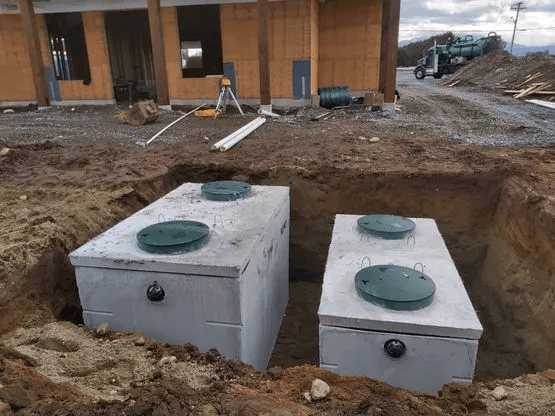
Burlington properties feature several types of septic systems designed for unique soil and site conditions. The conventional system, consisting of a tank and leaching bed, suits sandy or loamy soils with good drainage. When soils are heavy with clay or water tables are high, advanced systems such as aerobic treatment units or shallow buried trenches are more effective. Each system requires precise design to balance flow rate, soil absorption, and environmental protection. Professional engineers determine the ideal system type based on regulatory and site data.
How Soil Conditions Determine System Type
Soil testing in Burlington identifies key characteristics that control septic design choices. Well-drained sandy soils allow conventional leaching beds, while compacted or clay soils need specialized systems. The soil’s ability to absorb and filter wastewater, known as percolation rate, defines how large the leaching bed must be. Engineers interpret the test results and design accordingly. Using this data-driven approach ensures that wastewater disperses efficiently without reaching groundwater. Each design must suit the soil profile to meet Ontario Building Code standards and maintain public health.
Step-by-Step Septic Design Process in Burlington
The septic design process in Burlington follows structured steps to ensure safety and compliance. It begins with an onsite evaluation that identifies soil composition, groundwater depth, and site slope. Next, engineers calculate daily wastewater flow based on building use and occupancy. Using this information, they select a system type and size that meets code requirements. Engineering drawings are prepared and submitted for municipal review. After approval, licensed contractors install the system under professional supervision to ensure accuracy and compliance with the approved design.
Importance of Accurate Flow Calculations
Accurate flow calculations are essential in creating an efficient septic system design. Overestimating flow increases cost unnecessarily, while underestimating causes premature failure. Burlington engineers use precise formulas from the Ontario Building Code to determine daily sewage volume based on the number of bedrooms, plumbing fixtures, and occupancy type. The design must allow sufficient retention time in the tank and proper dispersion through the leaching bed. By using professional expertise, Elmid Design Inc ensures systems are balanced for both safety and long-term functionality.
Inspection and Regulatory Approval
Before construction begins, Burlington’s municipal building department reviews the engineering drawings to ensure full compliance with Part 8 of the Ontario Building Code. Inspectors verify system components, setbacks, and elevations during installation. Engineers provide certification that the installation matches the approved design. This inspection process prevents environmental contamination and protects property owners from non-compliance issues. Elmid Design Inc manages the process from submission to final approval, maintaining full transparency with clients and ensuring that every requirement is satisfied before occupancy.
Maintenance and Monitoring of Septic Systems
After installation, maintenance becomes the most critical factor for long-term performance. Septic tanks in Burlington should be inspected every few years to measure sludge and scum levels. When solids build up, pumping prevents clogging and overflow. The leaching bed must stay free of surface compaction and heavy traffic to maintain percolation. Engineers often recommend maintenance schedules based on soil type and system design. Regular monitoring ensures the system continues to function effectively, protecting both the property and the surrounding groundwater resources.
Lifespan and Durability of Septic Systems
A properly designed and maintained septic system can last decades in Burlington’s varying conditions. The septic tank typically lasts thirty to forty years, while the leaching bed can function efficiently for twenty to thirty years depending on soil drainage and maintenance frequency. Designs that consider site-specific challenges, such as seasonal water fluctuations and soil permeability, enhance durability. Elmid Design Inc applies engineering precision to every project to extend lifespan and reduce maintenance costs through effective design strategies that anticipate long-term use.
Common Septic System Problems and Prevention
System failures in Burlington often result from poor design, improper installation, or neglected maintenance. Common issues include clogged pipes, flooded leaching beds, and sewage backups. These problems can be prevented through correct soil evaluation and design performed by licensed engineers. Systems installed without professional guidance often fail because they do not account for groundwater levels or soil absorption rates. Regular inspection and adherence to design parameters prevent early deterioration and environmental hazards while maintaining efficiency throughout the system’s operational life.
Upgrading and Retrofitting Existing Systems
Older properties in Burlington may have septic systems that no longer meet current regulations or capacity needs. Upgrading or retrofitting involves re-evaluating soil conditions, flow requirements, and component integrity. Engineers design modifications that improve performance while maintaining existing infrastructure where possible. This process can include replacing the tank, enlarging the leaching bed, or installing an aerobic treatment unit. Elmid Design Inc specializes in retrofitting systems to align with updated code standards while minimizing disruption to existing landscaping and property structures.
Environmental Considerations in Septic Design
Environmental protection plays a vital role in every septic design within Burlington. Properly engineered systems safeguard groundwater and reduce nutrient pollution in nearby water bodies. Engineers must consider the site’s slope, distance to wells, and natural drainage to prevent effluent migration. Sustainable design practices, such as the use of efficient treatment units and natural filtration methods, ensure long-term environmental balance. Elmid Design Inc integrates these practices into each project to meet modern ecological standards and contribute to sustainable development in the region.
Modern Technologies in Septic Design
Modern septic technologies have transformed wastewater management in Burlington. Aerobic treatment units introduce oxygen to promote bacterial breakdown, resulting in cleaner effluent. Pressure distribution systems ensure even dispersal of wastewater across the leaching bed, preventing localized saturation. Smart monitoring devices allow homeowners to track performance remotely. These innovations enhance reliability and reduce maintenance frequency. By adopting modern design technologies, Elmid Design Inc ensures that every septic system in Burlington meets current efficiency standards while anticipating future regulatory and environmental requirements.
Sustainability and Future Trends in Burlington
Sustainability in septic design focuses on creating systems that protect natural resources and minimize environmental impact. The trend in Burlington leans toward advanced treatment units that recycle and reuse water for landscaping or groundwater recharge. As urban growth continues, smaller lots and denser developments require compact and efficient designs. Engineers integrate smart sensors and remote monitoring for predictive maintenance. Elmid Design Inc remains committed to sustainable engineering by applying innovative solutions that align with Burlington’s environmental goals and community standards.
Long-Term Performance Optimization
Optimizing performance involves balancing technical precision with practical maintenance. Engineers use detailed modeling to ensure that wastewater disperses evenly through the leaching bed. Adjusting system layout for seasonal water table changes prevents flooding or underperformance. Routine inspection data helps refine design assumptions over time. Homeowners who follow professional maintenance schedules and avoid overloading the system experience fewer issues. With Elmid Design Inc overseeing design and guidance, homeowners benefit from systems optimized for consistent operation and long-term environmental protection.
Role of Professional Engineering Oversight
Engineering oversight ensures every septic design meets functional and legal standards. Licensed engineers evaluate site constraints and apply regulatory knowledge throughout each stage. They confirm soil tests, supervise installation, and document compliance with the Ontario Building Code. This process protects property owners from liability while ensuring public safety. Elmid Design Inc’s engineering team provides complete oversight, from design to permit approval, combining technical expertise with transparent communication that builds trust and aligns with Google E-A-T principles of authority and accountability.
Homeowner Responsibilities After Installation
Homeowners in Burlington share responsibility for maintaining septic systems after installation. Following the designer’s maintenance plan preserves efficiency and prevents costly repairs. Pumping schedules, water usage control, and waste disposal habits influence system longevity. Homeowners should avoid chemical drain cleaners, excessive water flow, and heavy loads over the leaching bed. Elmid Design Inc educates clients on proper system care during and after installation, ensuring they understand their role in sustaining the performance of the engineered design over time.
Seasonal Impacts on Septic Performance
Burlington’s climate, with its cold winters and wet springs, influences septic system behavior. Frozen ground can slow effluent absorption, while spring thaw increases groundwater levels that affect drainage. Engineers design systems to manage these seasonal variations by adjusting depth and orientation. Proper insulation of pipes and tanks minimizes freezing risk. Understanding how local weather affects system performance helps homeowners plan maintenance effectively. Elmid Design Inc integrates seasonal data into its design process to ensure reliable year-round operation across all property types.
Professional Consultation and Client Education
Successful septic design extends beyond technical drawings. It involves educating homeowners about how their system functions and how to maintain it correctly. Engineers at Elmid Design Inc provide clear guidance on operation, maintenance schedules, and signs of malfunction. This proactive education builds long-term trust and reduces future maintenance problems. Informed homeowners take better care of their systems, ensuring consistent performance and compliance with regulations. Continuous communication between engineer and client remains the foundation of reliable septic design in Burlington.
How Burlington’s Growth Affects Septic Demand
As Burlington expands, more rural and semi-rural developments rely on private septic systems instead of municipal sewers. Increased demand requires precise engineering to protect groundwater and support sustainable land development. Smaller lot sizes make system placement more challenging, emphasizing the importance of expert design. Elmid Design Inc contributes to this development by providing compliant, efficient, and environmentally responsible septic solutions. Their experience allows them to adapt to growing infrastructure needs while maintaining the highest standards of quality and safety.
Integrating Technology and Regulation
The future of septic design in Burlington depends on integrating technology with evolving regulations. Provincial guidelines continue to adapt as environmental research advances. Engineers now combine data modeling with real-time monitoring to predict system performance. This approach reduces failures and improves efficiency. Elmid Design Inc aligns design practices with upcoming changes in the Ontario Building Code and sustainability policies, ensuring that every project remains compliant for decades. Their proactive approach maintains leadership in the field of septic design engineering across Burlington.
The Value of Professional Expertise
Septic design in Burlington demands technical expertise, regulatory understanding, and environmental awareness. Only licensed professionals can combine these elements to create systems that last. Elmid Design Inc represents this standard through precise engineering and commitment to quality. Their certificate of authorization from Professional Engineers Ontario ensures that all designs meet strict professional standards. Homeowners benefit from dependable systems that operate efficiently and comply with every regulation. Choosing a trusted engineering firm guarantees reliable septic solutions tailored to Burlington’s unique conditions.
Innovations in Septic Design Burlington
Innovation drives the evolution of septic design Burlington as engineers incorporate new methods that enhance treatment efficiency and reduce maintenance. Modern systems now use oxygen-based treatment and advanced filter media to achieve higher purification before effluent reaches the soil. These technologies improve groundwater protection and extend system lifespan. Elmid Design Inc applies innovative solutions in every project to meet new environmental expectations while ensuring affordability for homeowners. Each design reflects both engineering precision and long-term sustainability goals.
Digital Modelling and Design Precision
Digital modelling has become a crucial tool for septic design Burlington because it allows engineers to visualize system performance before construction. Using specialized software, professionals simulate wastewater flow and soil absorption to identify the most efficient layout. This predictive approach minimizes risk and ensures that designs comply with Ontario Building Code requirements. Elmid Design Inc integrates digital modelling into its workflow to provide accurate designs that adapt to real-world conditions, guaranteeing that each installation functions efficiently across different soil types.
The Role of Groundwater Studies in Burlington
Groundwater studies play a vital role in septic design Burlington by helping engineers understand how wastewater interacts with subsurface water. Burlington’s proximity to Lake Ontario and variable groundwater levels demand careful planning. Engineers evaluate seasonal fluctuations and soil saturation levels to prevent contamination and maintain water safety. Elmid Design Inc includes groundwater analysis as part of every design process. Their attention to hydrological detail ensures that systems remain both environmentally safe and technically sound for decades.
Training and Certification in Septic Engineering
Septic design Burlington requires specialized training and professional certification under Ontario’s engineering standards. Licensed engineers must complete technical education in environmental and civil disciplines and obtain authorization from Professional Engineers Ontario. This certification guarantees the competency and accountability of the designer. Elmid Design Inc maintains an active certificate of authorization, allowing it to provide legally recognized engineering services. This professional standing builds confidence among clients and municipal authorities that every design is prepared under regulated expertise.
Site-Specific Adaptation in Burlington Designs
Each property in Burlington presents unique challenges requiring tailored septic design strategies. Engineers must account for topography, vegetation, and existing structures when creating the layout. Adaptation ensures that the system integrates naturally with the land while maintaining function and aesthetics. Elmid Design Inc emphasizes custom designs instead of generic templates, using accurate field data to match each property’s individual needs. Their approach guarantees optimal performance, compliance with environmental standards, and seamless installation suited to the landscape’s natural flow.
The Importance of Collaboration with Municipal Authorities
Effective septic design Burlington involves close collaboration between engineers and municipal authorities. Local building departments review and approve plans to ensure compliance with environmental and safety standards. Engineers coordinate with inspectors throughout design and installation to maintain transparency. Elmid Design Inc works directly with Burlington’s building department and Halton Region to streamline approvals and avoid project delays. This partnership guarantees that each septic system receives full regulatory compliance and technical verification before final approval for use.
Managing Small and Challenging Lots
In Burlington’s developing areas, many new properties feature smaller or irregular lots that challenge traditional septic layouts. Engineers use advanced designs like shallow trench systems or compact treatment units to optimize space while maintaining performance. These solutions require precise engineering to prevent surface discharge or contamination. Elmid Design Inc specializes in managing constrained sites through creative layouts and soil-specific adjustments. Their experience ensures that even complex properties achieve efficient wastewater treatment without sacrificing safety or regulatory compliance.
Integrating Green Building Principles
Sustainable construction practices increasingly influence septic design Burlington. Green design focuses on reducing energy consumption, minimizing waste, and protecting water quality. Engineers use environmentally friendly materials, natural filtration systems, and renewable technologies to align septic designs with eco-building standards. Elmid Design Inc incorporates sustainability into every project, balancing cost efficiency with environmental responsibility. Their designs contribute to Burlington’s broader sustainability goals while delivering durable, low-impact wastewater management systems for residential and commercial properties across the region.
Septic Design Burlington for Commercial Projects
Commercial and multi-unit properties require larger and more complex septic systems due to higher wastewater volumes. Engineers must calculate flows accurately and design systems that handle peak loads without performance loss. Burlington businesses depend on efficient designs that meet both regulatory and operational standards. Elmid Design Inc provides engineered commercial septic solutions that integrate scalability and cost-effectiveness. Their approach ensures compliance with Ontario Building Code standards while maintaining reliable wastewater management for commercial and institutional developments.
The Impact of Climate Change on Septic Design
Climate change affects groundwater levels, soil moisture, and precipitation patterns in Burlington, influencing septic performance. Increased rainfall can saturate soils and reduce drainage capacity. Engineers now design with greater resilience, adding protective layers and adaptable drainage paths. Elmid Design Inc integrates climate considerations into each project to ensure stability under changing conditions. By accounting for environmental shifts, their designs continue to perform effectively, safeguarding both homeowner investments and the region’s natural resources for future generations.
Client Communication and Project Transparency
Transparency and communication define successful septic design Burlington projects. Clients receive detailed explanations of each step, from soil testing to permit approval. This openness fosters trust and ensures homeowners understand the technical and regulatory aspects of their system. Elmid Design Inc prioritizes clear communication throughout every project phase, maintaining consistent updates and documentation. Their client-focused approach reinforces their reputation as a reliable engineering firm committed to professionalism, accountability, and delivering high-quality wastewater management systems across Burlington.
Efficiency Through Ongoing Monitoring
Long-term monitoring strengthens system reliability in Burlington’s diverse conditions. Sensors and inspection ports allow engineers to evaluate performance and detect early issues. Regular assessments maintain optimal operation and extend lifespan. Elmid Design Inc offers post-installation monitoring to confirm that each system continues meeting design expectations. This proactive maintenance approach not only protects the property owner’s investment but also ensures that wastewater treatment remains consistent with Ontario environmental standards and Burlington’s regional conservation policies over time.
Enhancing Property Value through Septic Design Burlington
A properly designed septic system adds measurable value to any Burlington property. Prospective buyers recognize well-engineered systems as indicators of care and long-term reliability. A compliant system simplifies property transactions and reduces risk for future owners. Elmid Design Inc’s certified designs provide documented assurance that installations meet provincial and municipal codes. By investing in a professionally engineered system, property owners secure both financial and environmental value, ensuring their land maintains compliance and functionality for years.
Education and Awareness in the Community
Community education helps Burlington residents understand the importance of responsible septic system use. Public awareness reduces pollution risks and encourages proper maintenance habits. Elmid Design Inc supports community education by sharing information about system care, environmental impact, and regulatory compliance. Their educational initiatives promote sustainable practices and align with Burlington’s environmental stewardship goals. By increasing local understanding, they help residents protect water quality, preserve natural resources, and maintain compliance with Ontario’s environmental protection standards.
The Future of Septic Design Burlington
The future of septic design Burlington lies in smart systems, sustainable materials, and digital management tools. Innovations such as automated monitoring and eco-friendly filtration are becoming standard across the region. Engineers continue to refine efficiency and reduce maintenance needs while meeting stricter regulations. Elmid Design Inc remains at the forefront of this progress through research-driven engineering and adherence to professional standards set by Professional Engineers Ontario. Their commitment to innovation positions them as a leader in the field of modern septic design.
FAQs
What is septic design Burlington and why is it important
Septic design Burlington refers to the engineering process of creating a wastewater treatment system tailored to local soil, groundwater, and property conditions. It is important because a proper design prevents groundwater contamination, ensures code compliance, and extends the system’s life.
How much does septic design cost in Burlington
Costs depend on site conditions, soil type, and system complexity. Simple designs in good soil are less expensive, while properties with high groundwater or clay require advanced systems. Working with Elmid Design Inc ensures accurate estimates and efficient designs that match both site and budget.
How long does the septic approval process take in Burlington
The approval process can take several weeks depending on municipal workload and design complexity. Engineers prepare drawings, submit permit applications, and coordinate inspections. Elmid Design Inc streamlines this process through direct communication with local authorities to achieve faster approvals.
Can homeowners design their own septic systems in Burlington
Ontario regulations require that septic systems be designed by licensed professionals authorized under Professional Engineers Ontario. Homeowners cannot legally create or submit their own designs. Elmid Design Inc’s licensed engineers ensure compliance with all legal and environmental requirements.
How often should a septic system be maintained
Most systems need inspection and pumping every two to five years depending on usage. Regular maintenance prevents clogs and prolongs life. Elmid Design Inc provides maintenance guidance and design follow-up to ensure systems continue to perform efficiently over time.
What factors affect septic system lifespan in Burlington
System lifespan depends on soil quality, design accuracy, water usage, and maintenance. Properly designed systems can last decades when maintained regularly. Poor design or neglect shortens lifespan and causes costly repairs. Professional design and ongoing care maximize longevity.
Are advanced septic systems better for Burlington properties
Advanced systems such as aerobic treatment units or shallow buried trenches perform better in challenging soils and smaller lots. They provide higher treatment efficiency and protect groundwater. Elmid Design Inc designs these systems for properties that require improved wastewater management solutions.
What makes Elmid Design Inc a trusted septic design firm
Elmid Design Inc is an engineering company with a certificate of authorization from Professional Engineers Ontario. Their experience, technical precision, and regulatory knowledge make them a trusted provider of septic design Burlington services focused on quality, compliance, and client satisfaction.

Elmid Design Inc — Trusted Experts in Septic Design Burlington
Elmid Design Inc is a licensed engineering firm in Burlington recognized for its precision, integrity, and innovation in septic system design. Holding a certificate of authorization from Professional Engineers Ontario, the company delivers fully compliant and sustainable solutions tailored to local site conditions. With extensive experience in residential and commercial projects, Elmid Design Inc combines technical expertise with environmental responsibility, ensuring every septic design meets Ontario Building Code standards while protecting groundwater and property value across Burlington and surrounding communities.
Geographic Locations That We Service:
Our Licensed Professional Engineers specializing in Engineered Site Grading Plans offer the best-engineered site grading plan, lot grading and erosion plan, and drainage plan to obtain site plan approval and building permits in Ontario, including a wide range of municipalities. Each area boasts unique features and requirements, making our tailored approach essential for success.
Toronto and Surrounding Areas
In the vibrant heart of Ontario, we service Toronto (City of Toronto) and surrounding areas. Additionally, we cover Oshawa (City of Oshawa), Pickering (City of Pickering), and Clarington (Municipality of Clarington). Furthermore, our expertise extends to Ajax (Town of Ajax), Whitby (Town of Whitby), Brock (Township of Brock), Scugog (Township of Scugog and Uxbridge (Township of Uxbridge).
Halton Region
Moving to the Halton Region, our services encompass Burlington (City of Burlington) and Halton Hills (Town of Halton Hills). Also included are Milton (Town of Milton) and Oakville (Town of Oakville).
Peel Region
In the Peel Region, we provide services in Brampton (City of Brampton), Mississauga (City of Mississauga), and Caledon (Town of Caledon).
York Region
Our services in the York Region cover Vaughan (City of Vaughan), Aurora (Town of Aurora), and East Gwillimbury (Town of East Gwillimbury). We also cater to Georgina (Town of Georgina), Markham (City of Markham), Newmarket (Town of Newmarket), Richmond Hill (City of Richmond Hill), Whitchurch-Stouffville (Town of Whitchurch-Stouffville), King (Township of King), and Bradford-West Gwillimbury (Town of Bradford-West Gwillimbury). Each municipality here offers a distinct setting, requiring our specialized approach.
Other Southern Ontario Cities and Towns
We also serve many other cities and towns in Southern Ontario. These include Hamilton (City of Hamilton), St. Catharines (City of St. Catharines), Niagara on the Lake (Town of Niagara on the Lake), Brant (County of Brant), Cambridge (City of Cambridge), Kitchener (City of Kitchener), Waterloo (City of Waterloo), and Woodstock (City of Woodstock). Furthermore, we operate in Guelph (City of Guelph), Centre Wellington (Township of Centre Wellington), Shelburne (Town of Shelburne), Orangeville (Town of Orangeville), New Tecumseth (Town of New Tecumseth), Essa (Town of Essa), Collingwood (Town of Collingwood), Wasaga Beach (Town of Wasaga Beach), Barrie (City of Barrie), Midland (Town of Midland), Orillia (City of Orillia), Ramara (Town of Ramara), Minden Hills (Town of Minden Hills), North Kawartha (Town of North Kawartha), Kawartha Lakes (City of Kawartha Lakes), Peterborough (City of Peterborough), Selwyn (Town of Selwyn), and Brighton (Municipality of Brighton).