
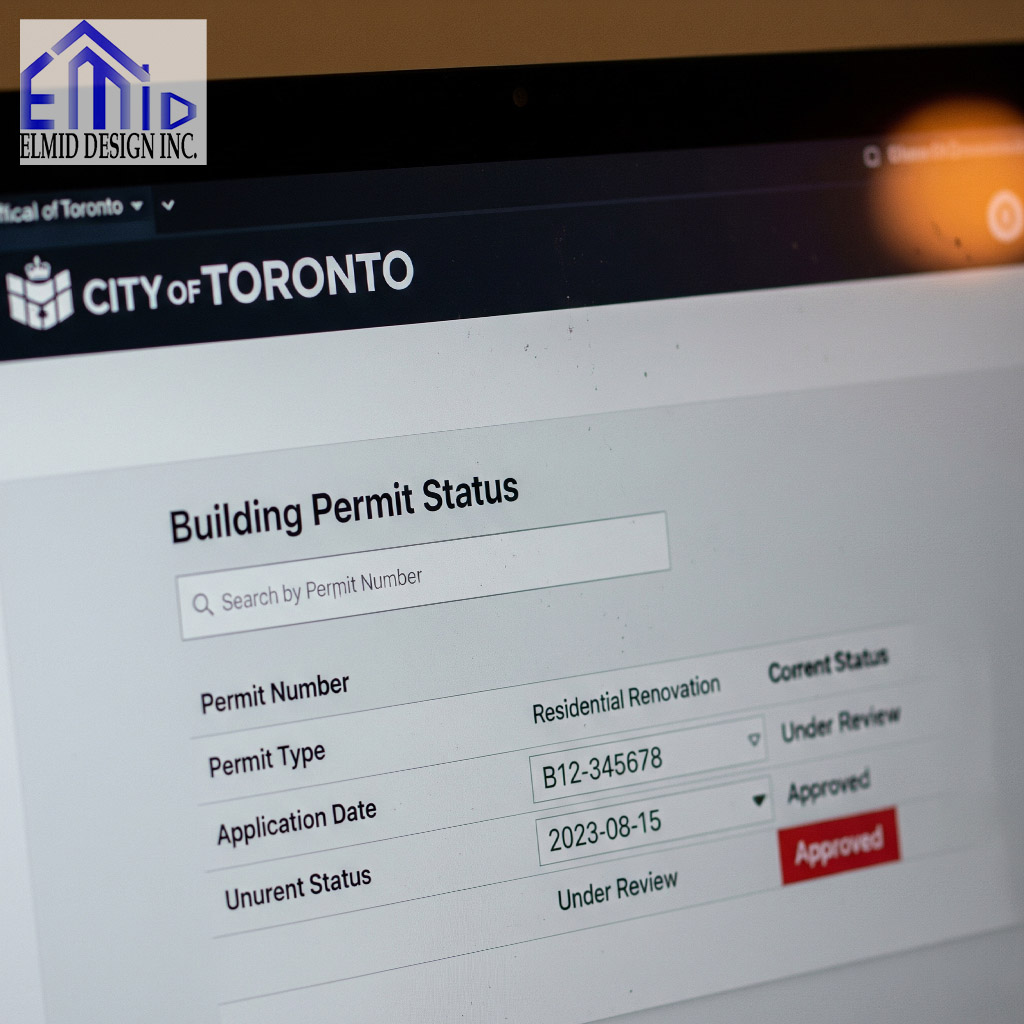
Toronto building permit status remains an important topic for homeowners, developers, contractors, and property investors throughout the city. Every construction project requires proper approvals before work begins. Therefore, understanding permit status helps applicants track progress and plan construction activities effectively. Building permits protect public safety while ensuring projects meet applicable regulations and technical standards. Furthermore, permit tracking allows applicants to identify review stages and respond quickly to requests for additional information. Since permit approvals often influence project schedules and budgets, timely monitoring remains essential. Consequently, understanding Toronto building permit status helps property owners reduce delays and manage development projects more efficiently.
What Is a Building Permit?
A building permit authorizes construction, renovation, demolition, or structural alteration activities on a property. Municipal officials review proposed work before granting approval. Furthermore, permit reviews help ensure projects comply with building regulations, zoning requirements, and safety standards. Since construction activities affect public safety, municipalities require permits for many types of development. Proper approvals also help protect property owners from future legal and compliance issues. Consequently, building permits remain a critical part of responsible construction planning.
Why Building Permits Matter
Building permits help ensure construction projects satisfy established technical and safety requirements. Without permits, projects may create risks for occupants and neighboring properties. Furthermore, permit reviews identify potential concerns before construction begins. Since municipalities enforce building standards through permit processes, approvals support safer development. Proper permitting also helps maintain property values and regulatory compliance. Consequently, obtaining permits remains an essential step for many construction projects.
Understanding Toronto Building Permit Status
Toronto building permit status refers to the current stage of a permit application during municipal review. Applicants use status updates to monitor progress and identify outstanding requirements. Furthermore, permit tracking provides transparency throughout the review process. Since projects often depend on timely approvals, status monitoring remains important. Understanding review stages also helps applicants prepare for future project milestones. Consequently, permit status information supports better planning and decision-making.
Who Needs to Check Permit Status?
Many individuals benefit from reviewing permit status information regularly. Homeowners often monitor permits for renovations, additions, and new construction projects. Meanwhile, contractors track approvals to coordinate project schedules and workforce planning. Developers also review permit progress to manage timelines and budgets effectively. Furthermore, consultants monitor applications while responding to municipal comments. Since permit approvals affect many project stakeholders, regular tracking remains valuable. Consequently, permit status updates support efficient project management.
Types of Projects Requiring Building Permits
Various construction activities require municipal approvals before work begins. New homes often require permits for structural, plumbing, and mechanical work. Likewise, additions, basement renovations, and major alterations typically require review. Commercial developments may also require multiple permit approvals. Furthermore, demolition projects often require permits before site work begins. Since regulations vary according to project scope, professional guidance may prove helpful. Consequently, applicants should verify permit requirements early in project planning.
Building Permit Application Process
The permit process begins when applicants submit required documents for municipal review. Officials then evaluate drawings, reports, and supporting information. Furthermore, reviewers assess compliance with applicable building and zoning regulations. Additional comments may require revisions before approvals occur. Since project complexity affects review requirements, timelines vary significantly. Applicants who submit complete documentation often experience smoother reviews. Consequently, proper preparation improves permit processing efficiency.
Information Required for Permit Applications
Permit applications require specific documents that support municipal review. Architectural drawings often form the foundation of permit submissions. Furthermore, projects may require engineering reports, site plans, surveys, and technical specifications. Reviewers use these documents to assess compliance and safety. Since incomplete applications often create delays, accurate documentation remains important. Professional preparation also improves submission quality and review efficiency. Consequently, comprehensive applications support faster permit processing.
Common Building Permit Review Stages
Permit applications move through several review stages before approval. Initial screening verifies application completeness and document accuracy. Next, technical reviewers evaluate compliance with building regulations and zoning requirements. Furthermore, applicants may receive comments requiring revisions or clarification. Once reviewers approve all requirements, municipalities issue permits for construction activities. Since each project differs, review stages may vary slightly. Consequently, understanding these stages helps applicants track progress effectively.
Application Submission Stage
The submission stage marks the beginning of the permit review process. Applicants provide required forms, drawings, and supporting documents for evaluation. Furthermore, municipal staff verify submission completeness before assigning reviewers. Since missing information often delays processing, applicants should review documentation carefully. Accurate submissions help create a smoother review experience. Consequently, proper preparation improves overall permit processing efficiency.
Initial Screening and Verification
Municipal staff perform an initial review after receiving permit applications. During this stage, officials verify documentation and identify missing information. Furthermore, reviewers assess whether submissions meet minimum requirements for technical evaluation. Since incomplete applications may require resubmission, careful preparation remains important. Early verification also helps prevent unnecessary delays during later review stages. Consequently, applicants benefit from submitting complete and accurate documentation.
Technical Review Process
Technical reviews examine construction plans for compliance with building regulations and safety requirements. Reviewers evaluate structural, architectural, mechanical, and other project components. Furthermore, they assess whether proposed work satisfies applicable standards. Since technical reviews protect public safety, municipalities apply detailed evaluation procedures. Additional information requests may arise during this stage. Consequently, applicants should remain responsive throughout the review process.
Zoning Review Requirements
Many projects require zoning review before permit approvals occur. Municipal officials verify compliance with land use regulations, setbacks, building height limits, and lot coverage requirements. Furthermore, zoning assessments help ensure development aligns with community planning objectives. Since zoning concerns may affect project feasibility, early evaluation remains valuable. Applicants often benefit from addressing zoning issues before submitting permit applications. Consequently, zoning compliance supports more efficient permit reviews.
Permit Revisions and Resubmissions
Reviewers sometimes request revisions when applications require clarification or additional information. Applicants then update drawings and supporting documents accordingly. Furthermore, revised submissions help address compliance concerns identified during review. Since prompt responses help maintain project momentum, timely revisions remain important. Clear communication also improves review efficiency. Consequently, organized resubmissions support faster permit approvals.
Factors Affecting Permit Approval Timelines
Several factors influence permit review timelines throughout Toronto. Project complexity often affects review duration because larger developments require additional evaluation. Furthermore, incomplete submissions frequently create delays during processing. Seasonal application volumes may also affect review workloads. Since reviewers assess multiple technical requirements, timelines vary between projects. Proper preparation helps reduce avoidable delays. Consequently, applicants benefit from understanding these influencing factors.
Common Reasons for Permit Delays
Permit delays often occur because of incomplete documentation or missing project information. Reviewers may also request clarification regarding technical details. Furthermore, zoning concerns can create additional review requirements. Complex engineering issues sometimes extend review timelines as well. Since municipal reviewers require accurate information, applicants should provide complete documentation. Consequently, careful preparation helps minimize potential delays.
Benefits of Monitoring Permit Status
Regular permit tracking provides several advantages throughout project development. Applicants gain greater visibility into review progress and outstanding requirements. Furthermore, status updates help support scheduling and budget planning activities. Since timely responses often improve review efficiency, monitoring remains beneficial. Better communication also helps reduce uncertainty during project development. Consequently, permit tracking supports more effective project management.
Digital Permit Tracking Systems
Modern municipalities increasingly provide digital systems for permit monitoring and application management. These systems allow applicants to review updates without visiting municipal offices. Furthermore, online access improves transparency and convenience throughout the review process. Since construction schedules often depend on permit approvals, digital tools provide valuable information. Applicants can also identify outstanding requirements more quickly. Consequently, digital tracking systems improve overall permit management.
Importance of Accurate Application Documents
Accurate documentation remains one of the most important factors influencing permit review success. Reviewers rely on submitted drawings and reports when evaluating compliance. Furthermore, inconsistencies often generate additional questions and revision requests. Since document quality directly affects review efficiency, professional preparation remains valuable. Accurate submissions also reduce the likelihood of avoidable delays. Consequently, strong documentation supports smoother permit approvals.
You can access the service directly by visiting the City of Toronto Building Permit Status page.
How to Check Toronto Building Permit Status
Applicants can check Toronto building permit status throughout the review process to monitor application progress. Status updates provide valuable information regarding review stages, comments, and approval requirements. Furthermore, regular monitoring helps applicants respond quickly to requests for additional information. Since construction schedules often depend on permit approvals, timely tracking remains important. Better awareness also helps reduce uncertainty during project planning. Consequently, permit status monitoring supports more efficient project management.
Understanding Permit Status Descriptions
Permit status descriptions help applicants understand where applications stand during municipal review. Different status updates reflect specific stages within the approval process. Furthermore, these descriptions help identify whether reviewers require additional information or revisions. Since terminology may vary between stages, understanding status definitions remains beneficial. Applicants who understand review terminology often communicate more effectively with municipal staff. Consequently, permit status descriptions improve transparency throughout the approval process.
Application Received Status
Application received status indicates municipal staff have accepted a permit submission for processing. This stage confirms that reviewers entered the application into the review system. Furthermore, staff may begin preliminary verification activities shortly afterward. Since this stage marks the start of the process, applicants should continue monitoring progress regularly. Additional updates generally follow as reviews advance. Consequently, this status provides initial confirmation that processing has begun.
Under Review Status
Under review status indicates municipal staff actively evaluate submitted documents and project information. Reviewers assess compliance with building regulations, zoning requirements, and technical standards. Furthermore, multiple departments may participate in the evaluation process. Since project complexity affects review duration, timelines often vary significantly. Applicants should remain available to address questions or clarification requests. Consequently, active communication helps support review efficiency.
Revision Required Status
Revision required status indicates reviewers need additional information or modifications before approval. Applicants typically receive comments explaining necessary changes or clarifications. Furthermore, prompt responses often help reduce overall processing time. Since unresolved comments may delay approvals, careful attention remains important. Updated drawings and supporting documents frequently resolve review concerns. Consequently, applicants benefit from responding quickly and accurately.
Approved Status
Approved status confirms reviewers have accepted the permit application and completed required evaluations. Applicants may then proceed with permit issuance and project preparation activities. Furthermore, approval indicates compliance with applicable technical and regulatory requirements. Since approvals represent a major project milestone, applicants often begin construction planning afterward. Additional requirements may still apply before work starts. Consequently, approval marks significant progress toward project completion.
Permit Issued Status
Permit issued status indicates the municipality has granted authorization for approved construction activities. Applicants may begin work according to approved plans and permit conditions. Furthermore, project teams can coordinate contractors, inspections, and construction schedules. Since permits establish legal authorization for work, compliance remains important throughout construction. Ongoing inspections may also occur during development. Consequently, permit issuance represents the transition from planning to construction.
Importance of Responding to Review Comments
Review comments help applicants address compliance concerns before permit approvals occur. Municipal reviewers identify issues requiring clarification, correction, or additional information. Furthermore, timely responses often prevent unnecessary review delays. Since unresolved comments may affect project schedules, prompt action remains beneficial. Professional support can also help applicants prepare effective responses. Consequently, review comments contribute to improved project quality and compliance.
Working with Building Consultants
Building consultants often assist applicants throughout permit review and approval processes. These professionals understand municipal requirements, technical standards, and submission procedures. Furthermore, consultants help prepare documentation and coordinate responses to reviewer comments. Since permit processes can become complex, professional guidance provides valuable support. Better preparation frequently improves review efficiency and approval outcomes. Consequently, many applicants rely on experienced consultants during development projects.
Role of Architects in Permit Applications
Architects contribute significantly to many building permit applications. They prepare design drawings and ensure projects align with regulatory requirements. Furthermore, architects coordinate design elements that influence permit approvals. Since project documentation affects review outcomes, professional design services provide important benefits. Architects also assist with revisions when reviewers request modifications. Consequently, their involvement often supports smoother permit processing.
Role of Engineers in Permit Reviews
Engineers play a critical role in many construction and renovation projects. They prepare structural, mechanical, and specialized technical documentation when required. Furthermore, engineering reviews help demonstrate compliance with applicable standards. Since complex projects often require professional analysis, engineering expertise remains valuable. Technical accuracy also improves review efficiency and project safety. Consequently, engineers contribute significantly to successful permit approvals.
Permit Status and Construction Scheduling
Construction schedules often depend directly on permit approval timelines. Therefore, applicants should monitor status updates carefully throughout project development. Delays in approvals may affect contractor availability and project budgets. Furthermore, status information helps project teams adjust schedules when necessary. Since effective planning reduces disruptions, permit monitoring remains important. Consequently, permit tracking supports better coordination and resource management.
Managing Permit Delays Effectively
Permit delays occasionally occur because of technical issues, revisions, or workload fluctuations. Applicants can reduce impacts by preparing accurate submissions and responding quickly to requests. Furthermore, proactive communication often helps resolve issues more efficiently. Since delays may affect construction timelines, contingency planning remains beneficial. Professional guidance may also improve response quality. Consequently, applicants can manage delays more effectively through preparation and organization.
Building Permit Status for Residential Projects
Residential permit applications often involve renovations, additions, basement developments, and new homes. Reviewers evaluate these projects according to applicable building and zoning requirements. Furthermore, permit status updates help homeowners understand review progress. Since residential projects frequently involve personal investment, timely information remains valuable. Better visibility also supports scheduling and budgeting decisions. Consequently, permit tracking benefits homeowners throughout project development.
Building Permit Status for Commercial Projects
Commercial projects often require extensive documentation and detailed technical reviews. Therefore, permit status monitoring becomes especially important during development. Larger projects frequently involve multiple disciplines and approval requirements. Furthermore, commercial schedules often depend heavily on regulatory approvals. Since project delays may create significant financial impacts, tracking remains essential. Consequently, permit monitoring supports more effective commercial project management.
Building Permit Status for Renovation Projects
Renovation projects commonly require permits when work affects structural elements or regulated building systems. Status updates help property owners monitor review progress and approval requirements. Furthermore, permit tracking supports contractor scheduling and renovation planning. Since renovation timelines often remain tight, efficient communication becomes important. Better visibility also reduces uncertainty during project execution. Consequently, permit monitoring contributes to smoother renovation projects.
Building Permit Status for New Construction
New construction projects typically require comprehensive permit reviews before work begins. Reviewers evaluate architectural, structural, and technical documentation carefully. Furthermore, permit status updates help developers monitor approval progress effectively. Since construction schedules depend heavily on permit issuance, timely tracking remains important. Better planning also supports resource allocation and project coordination. Consequently, permit monitoring strengthens overall project management.
Avoiding Common Permit Application Errors
Many permit delays result from avoidable documentation and submission errors. Missing information frequently creates additional review requirements and processing delays. Furthermore, inaccurate drawings may generate technical concerns during evaluation. Since complete applications improve efficiency, careful preparation remains important. Professional reviews often help identify issues before submission. Consequently, applicants benefit from stronger documentation and faster approvals.
Benefits of Professional Permit Assistance
Professional permit assistance helps applicants navigate complex review requirements more effectively. Experienced consultants understand submission standards and municipal expectations. Furthermore, professional guidance improves documentation quality and response preparation. Since technical accuracy influences review outcomes, expert support often provides significant value. Better preparation also reduces the likelihood of avoidable delays. Consequently, professional assistance contributes to more efficient permit approvals.
How Permit Status Affects Project Timelines
Toronto building permit status directly influences construction schedules and project planning decisions. Delays during reviews may affect contractor availability and material procurement timelines. Furthermore, approval progress often determines when construction activities can begin. Since many projects follow strict schedules, permit monitoring remains important. Better awareness helps applicants adjust plans when necessary. Consequently, status tracking supports more effective project management.
Importance of Early Permit Planning
Early planning helps applicants avoid common permit challenges and processing delays. Project teams can identify documentation requirements before submitting applications. Furthermore, early preparation improves submission quality and review efficiency. Since permit approvals often affect construction schedules, proactive planning remains beneficial. Better organization also helps reduce unnecessary revisions. Consequently, applicants improve their chances of timely approvals.
Building Permit Status and Property Owners
Property owners benefit from understanding permit status throughout project development. Regular updates provide insight into review progress and outstanding requirements. Furthermore, permit tracking supports informed decision-making and budget planning. Since construction activities depend on approvals, visibility remains important. Better communication also helps reduce uncertainty during reviews. Consequently, property owners gain greater confidence throughout the permitting process.
Building Permit Status and Contractors
Contractors rely on permit approvals to coordinate labour, equipment, and project schedules. Therefore, permit status information remains valuable throughout construction planning. Delays can affect workforce availability and project sequencing. Furthermore, status updates help contractors prepare for upcoming project milestones. Since efficient scheduling improves productivity, regular monitoring remains beneficial. Consequently, contractors often track permit progress closely.
Building Permit Status and Developers
Developers manage multiple project components that depend on permit approvals. Therefore, permit status monitoring plays a critical role in project management. Review progress often influences financing, scheduling, and resource allocation decisions. Furthermore, developers use status updates to coordinate consultants and contractors. Since large projects involve significant investments, timely information remains valuable. Consequently, permit tracking supports more effective development planning.
Importance of Communication During Reviews
Effective communication often improves permit review outcomes and processing efficiency. Applicants who respond promptly help reviewers complete evaluations more effectively. Furthermore, clear communication reduces misunderstandings and unnecessary revisions. Since permit reviews involve multiple stakeholders, coordination remains important. Professional support may also improve communication quality. Consequently, proactive engagement benefits everyone involved in the review process.
Understanding Additional Information Requests
Reviewers sometimes require additional information before approving permit applications. These requests often address technical details, code compliance, or documentation concerns. Furthermore, prompt responses help maintain review momentum. Since unresolved requests may create delays, applicants should act quickly. Accurate revisions also improve approval efficiency. Consequently, additional information requests represent a normal part of many reviews.
Preparing Strong Permit Applications
Strong permit applications improve review efficiency and reduce potential delays. Applicants should provide accurate drawings, complete forms, and supporting documents. Furthermore, professional reviews often identify issues before submission. Since documentation quality affects review outcomes, preparation remains essential. Better submissions also reduce the likelihood of revision requests. Consequently, applicants benefit from investing time in application preparation.
Building Code Compliance and Permit Status
Building code compliance remains a central part of permit evaluations. Reviewers assess projects to ensure they satisfy safety and technical standards. Furthermore, compliance reviews protect future occupants and property owners. Since building regulations influence permit approvals, accurate documentation remains important. Professional guidance often helps address complex compliance requirements. Consequently, building code compliance supports successful permit reviews.
Zoning Compliance and Permit Status
Zoning compliance affects many permit applications throughout Toronto. Reviewers verify setbacks, building dimensions, land use requirements, and development restrictions. Furthermore, zoning concerns may influence project design and feasibility. Since non-compliance can delay approvals, applicants should address zoning requirements early. Better preparation often improves review outcomes. Consequently, zoning compliance remains a key part of permit processing.
Inspection Requirements After Permit Issuance
Permit approvals often lead to mandatory inspections during construction. Inspectors verify work complies with approved drawings and applicable regulations. Furthermore, inspections help ensure construction quality and safety. Since projects must pass inspections before completion, compliance remains important. Contractors should coordinate inspections according to project schedules. Consequently, inspections represent an essential part of the construction process.
Benefits of Professional Engineering Support
Professional engineers provide technical expertise that supports permit applications and regulatory compliance. They prepare reports, calculations, and drawings for complex projects. Furthermore, engineering input often improves documentation quality and review efficiency. Since technical accuracy influences permit outcomes, professional support provides significant value. Better submissions also reduce review concerns. Consequently, engineering expertise strengthens permit applications.
Benefits of Professional Architectural Services
Architectural professionals help create permit-ready drawings that satisfy municipal requirements. They coordinate design elements while addressing applicable regulations and project objectives. Furthermore, architects assist with revisions and reviewer comments when necessary. Since project documentation affects approval timelines, professional design support remains valuable. Better planning also improves project quality. Consequently, architectural services contribute to successful permit approvals.
Digital Transformation of Permit Reviews
Digital technologies continue to improve permit processing and application management. Online systems provide greater transparency and easier access to status information. Furthermore, digital submissions improve communication between applicants and reviewers. Since technology supports faster information sharing, permit processes continue evolving. Better access also improves project planning. Consequently, digital tools enhance the permitting experience.
Future Trends in Permit Management
Permit management continues evolving through technology, process improvements, and enhanced communication tools. Municipalities increasingly focus on efficiency and transparency during reviews. Furthermore, digital systems help applicants access information more easily. Since development activity remains strong throughout Toronto, modernization efforts continue expanding. Better processes support applicants and municipal staff alike. Consequently, permit management continues improving over time.
FAQ
What is Toronto building permit status?
Toronto building permit status shows the current stage of a permit application during municipal review. Applicants use status updates to monitor progress and requirements.
How can I check my building permit status?
Applicants can monitor permit status through municipal tracking systems and application updates. Regular reviews help identify outstanding requirements and review progress.
Why does permit status matter?
Permit status helps applicants understand review progress and plan construction activities effectively. Better visibility supports scheduling and project management decisions.
How long does a building permit review take?
Review timelines vary according to project complexity, application quality, and review requirements. Complete submissions often move through reviews more efficiently.
What does revision required status mean?
Revision required status indicates reviewers need additional information or document changes before approving the application. Prompt responses help reduce delays.
What happens after permit approval?
Following approval, the municipality issues the permit and authorizes construction activities. Applicants must follow approved plans and permit conditions.
Can permit delays affect construction schedules?
Yes, permit delays often affect contractor scheduling, project timelines, and construction planning. Therefore, regular monitoring remains important.
Why do permit applications get delayed?
Incomplete documents, zoning concerns, technical issues, and revision requests commonly create delays. Accurate submissions help reduce these risks.
Do small renovation projects require permits?
Some renovation projects require permits depending on project scope and building code requirements. Applicants should verify requirements before starting work.
Should I hire professionals for permit applications?
Professional consultants, engineers, and architects often improve submission quality and review efficiency. Their expertise helps support successful permit approvals.

How Elmid Design Inc Helps With Permit Applications
Elmid Design Inc, an engineering firm with a Certificate of Authorization from Professional Engineers Ontario (PEO), provides expert permit application services in Toronto. Their team simplifies the process by reviewing your plans for compliance before submission. This proactive approach prevents delays often caused by missing details or zoning conflicts. Their engineers understand the nuances of city reviews and help resolve flagged issues quickly. By working with a trusted firm like Elmid Design Inc, homeowners and developers benefit from higher approval rates, reduced timelines, and fewer rejections. Their credibility as licensed engineers adds weight to submissions and improves communication with municipal authorities. Whether it’s new construction, renovation, or additions, their support extends from design to final approval. Choosing a certified engineering firm ensures your building permit moves through the city system with fewer surprises and fewer chances of getting stuck in “On Hold” status.
Geographic Locations That We Service:
Our Licensed Professional Engineers specializing in Engineered Site Grading Plans offer the best-engineered site grading plan, lot grading and erosion plan, and drainage plan to obtain site plan approval and building permits in Ontario, including a wide range of municipalities. Each area boasts unique features and requirements, making our tailored approach essential for success.
Toronto and Surrounding Areas
In the vibrant heart of Ontario, we service Toronto (City of Toronto) and surrounding areas. Additionally, we cover Oshawa (City of Oshawa), Pickering (City of Pickering), and Clarington (Municipality of Clarington). Furthermore, our expertise extends to Ajax (Town of Ajax), Whitby (Town of Whitby), Brock (Township of Brock), Scugog (Township of Scugog), and Uxbridge (Township of Uxbridge).
Halton Region
Moving to the Halton Region, our services encompass Burlington (City of Burlington) and Halton Hills (Town of Halton Hills). Also included are Milton (Town of Milton) and Oakville (Town of Oakville).
Peel Region
In the Peel Region, we provide services in Brampton (City of Brampton), Mississauga (City of Mississauga), and Caledon (Town of Caledon).
York Region
Our services in the York Region cover Vaughan (City of Vaughan), Aurora (Town of Aurora), and East Gwillimbury (Town of East Gwillimbury). We also cater to Georgina (Town of Georgina), Markham (City of Markham), Newmarket (Town of Newmarket), Richmond Hill (City of Richmond Hill), Whitchurch-Stouffville (Town of Whitchurch-Stouffville), King (Township of King), and Bradford-West Gwillimbury (Town of Bradford-West Gwillimbury). Each municipality here offers a distinct setting, requiring our specialized approach.
Other Southern Ontario Cities and Towns
We also serve many other cities and towns in Southern Ontario. These include Hamilton (City of Hamilton), St. Catharines (City of St. Catharines), Niagara on the Lake (Town of Niagara on the Lake), Brant (County of Brant), Cambridge (City of Cambridge), Kitchener (City of Kitchener), Waterloo (City of Waterloo), and Woodstock (City of Woodstock). Furthermore, we operate in Guelph (City of Guelph), Centre Wellington (Township of Centre Wellington), Shelburne (Town of Shelburne), Orangeville (Town of Orangeville), New Tecumseth (Town of New Tecumseth), Essa (Town of Essa), Collingwood (Town of Collingwood), Wasaga Beach (Town of Wasaga Beach), Barrie (City of Barrie), Midland (Town of Midland), Orillia (City of Orillia), Ramara (Town of Ramara), Minden Hills (Town of Minden Hills), North Kawartha (Town of North Kawartha), Kawartha Lakes (City of Kawartha Lakes), Peterborough (City of Peterborough), Selwyn (Town of Selwyn), and Brighton (Municipality of Brighton).