Septic design in Whitchurch-Stouffville demands careful engineering, precise site evaluation, and strict compliance with provincial and municipal standards. Proper septic systems protect the environment, ensure safety, and support sustainable property development. Collaborating with licensed engineers such as Elmid Design Inc guarantees systems designed for long-term performance and adherence to Ontario Building Code requirements.
Understanding Septic Design Whitchurch-Stouffville
Septic design Whitchurch-Stouffville refers to the process of planning, engineering, and approving an onsite wastewater system tailored to a specific property’s conditions. Each design includes critical calculations for wastewater flow, tank sizing, and leaching bed layout. Since Whitchurch-Stouffville sits within the Oak Ridges Moraine, designs must consider soil permeability, groundwater sensitivity, and slope. Licensed engineers conduct soil tests and hydrological assessments to ensure compliance with Ontario Building Code Part 8. Proper septic design maintains health and environmental integrity while supporting the town’s long-term water protection initiatives.
Why Proper Septic Design in Whitchurch-Stouffville Matters
The importance of proper septic design in Whitchurch-Stouffville extends beyond meeting building regulations. Faulty or outdated systems can contaminate groundwater, create health hazards, and damage the local ecosystem. Because much of the area lies on the Oak Ridges Moraine, protecting aquifers is a key priority. Professional design prevents effluent from entering water sources by ensuring correct separation distances, soil depth, and leaching field capacity. Engineers analyze each site’s characteristics to determine suitable system types that provide sustainable wastewater management while maintaining compliance with local environmental policies.
Local Geology and Soils in Whitchurch-Stouffville
The diverse geology of Whitchurch-Stouffville presents unique design challenges for septic systems. The Oak Ridges Moraine features sand, gravel, and clay deposits that influence drainage and filtration rates. Sandy soils allow faster percolation, which requires deeper filtration zones, while clay layers hold water longer, demanding alternate treatment solutions. Engineers perform percolation tests to determine the T-time or absorption rate of the soil. The results define the field’s required size and type. Proper assessment ensures every system aligns with local groundwater protection rules and long-term environmental sustainability goals.
Regulations and Permit Process for Septic Design in Whitchurch-Stouffville
All septic systems in Whitchurch-Stouffville must comply with Ontario Building Code Part 8, which governs design, capacity, and installation. The Town of Whitchurch-Stouffville’s building department issues septic permits and oversees all design submissions. The process starts with a detailed site evaluation and soil test followed by engineering drawings prepared by licensed professionals. Municipal officials review these documents before approving construction. Inspections take place during and after installation to ensure accuracy. Licensed engineering firms like Elmid Design Inc prepare all required documents and manage the submission process efficiently for homeowners.
Choosing the Right Septic Design Professional in Whitchurch-Stouffville
Selecting an experienced and licensed professional ensures that every septic system functions safely and meets code requirements. Engineers authorized by Professional Engineers Ontario bring technical expertise and accountability to the process. A qualified designer must understand Whitchurch-Stouffville’s unique soil conditions, local regulations, and environmental constraints. Elmid Design Inc holds a certificate of authorization from PEO and extensive experience in septic design throughout York Region. Their team provides site-specific solutions that prevent costly redesigns, minimize risks, and ensure that each project achieves both regulatory and environmental objectives.
Site Evaluation and Testing for Septic Design Whitchurch-Stouffville
Every successful septic design begins with a detailed site evaluation. Engineers perform percolation tests to measure the soil’s ability to absorb wastewater. They also assess groundwater levels, property slope, and proximity to natural features such as wells, ponds, or streams. These factors influence the leaching bed design, system type, and required separation distances. Accurate testing prevents overloading the soil and ensures consistent wastewater treatment. Elmid Design Inc’s engineers rely on advanced testing methods and precise measurements to deliver designs that meet Whitchurch-Stouffville’s strict environmental standards.
Components of a Septic System Design
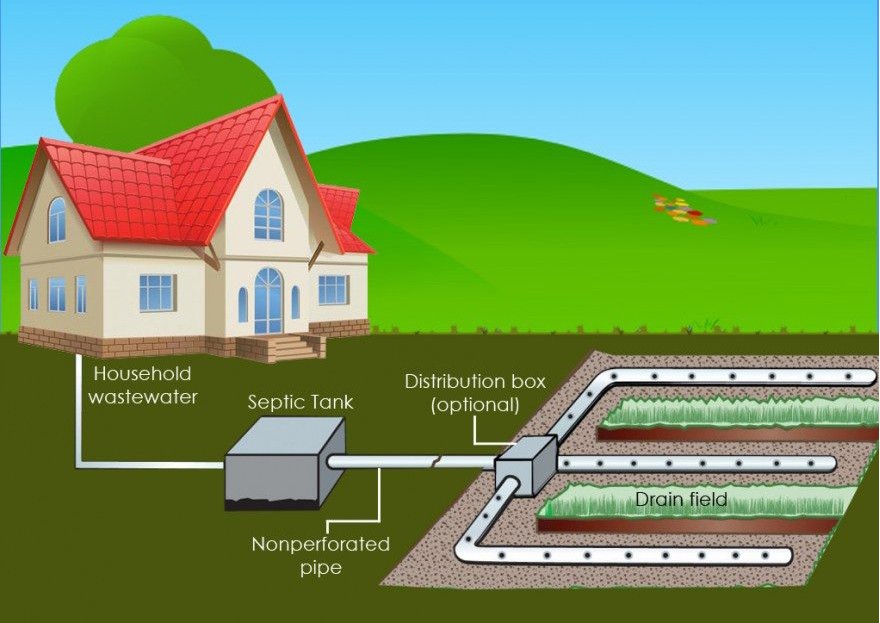
A complete septic system includes several interconnected parts that function as a unified treatment process. Wastewater from the property first enters the septic tank, where solids settle and separate from liquids. The partially treated effluent then flows through a distribution box into the leaching bed, where the soil naturally filters and purifies it before it reenters the ground. Proper design ensures each component’s placement supports gravity flow and avoids mechanical stress. Engineers determine these configurations through hydraulic calculations that ensure balance between efficiency and long-term durability.
Understanding Flow Calculations and Hydraulic Design
Flow calculation forms the backbone of every septic design in Whitchurch-Stouffville. Engineers calculate daily wastewater volumes based on household size, number of fixtures, and building type. These numbers define tank capacity, leaching bed size, and pipe distribution layout. Hydraulic design ensures that wastewater flows evenly through all sections of the leaching field, preventing overloading. Seasonal variations such as spring thaw or heavy rainfall are considered to maintain stable performance year-round. Elmid Design Inc uses precise calculations and modeling to guarantee optimal flow distribution and system longevity.
Addressing High Groundwater and Slope Challenges
Many areas in Whitchurch-Stouffville sit on hilly terrain or within groundwater recharge zones, which complicates septic installation. Engineers address these challenges by designing systems with elevated or shallow-buried leaching beds that prevent groundwater infiltration. For sloped lots, effluent distribution pipes must be arranged to maintain even dispersion across the field. Proper slope design also prevents erosion and ensures the stability of the surrounding soil. Through advanced engineering and local experience, Elmid Design Inc creates designs that adapt to Whitchurch-Stouffville’s varying landscape conditions.
Septic System Options for Whitchurch-Stouffville Properties
Different system types serve specific site conditions within Whitchurch-Stouffville. Conventional systems work best in well-drained sandy soils, while compact aerobic treatment units handle smaller lots or sites with poor drainage. Advanced systems with tertiary treatment filters provide cleaner effluent for environmentally sensitive zones. Engineers select the most effective option after analyzing soil data and groundwater depth. Each design must meet performance and environmental standards. Elmid Design Inc specializes in both standard and advanced systems to accommodate diverse property conditions throughout the region.
Cost Factors for Septic Design and Installation in Whitchurch-Stouffville
The cost of septic design and installation in Whitchurch-Stouffville depends on property size, soil quality, and system complexity. Basic residential designs for standard lots can start near five thousand dollars, while advanced or high-capacity systems can exceed twenty thousand. Costs include site testing, engineering drawings, municipal permits, and construction materials. Properties with limited space, steep slopes, or poor drainage require additional engineering considerations. Working with a professional engineering firm like Elmid Design Inc ensures accurate cost estimates and efficient use of materials to prevent future expenses.
Environmental Protection and Sustainability
Environmental protection guides every septic design in Whitchurch-Stouffville. The town’s position within the Oak Ridges Moraine requires extra care to prevent nutrient runoff and groundwater contamination. Engineers implement sustainable designs that use natural filtration and energy-efficient components. Effluent treatment methods are selected to minimize ecological impact. Elmid Design Inc’s engineers design systems that balance functionality with environmental responsibility, supporting both municipal conservation efforts and homeowner sustainability goals. Their approach ensures that each project contributes to Whitchurch-Stouffville’s clean water and safe land initiatives.
The Role of Elmid Design Inc in Septic Engineering
Elmid Design Inc is a licensed engineering firm recognized for its technical expertise and professional integrity in septic design across Whitchurch-Stouffville. The company’s engineers manage every stage of the process from soil testing and hydraulic calculations to municipal permit approval. Their designs combine environmental awareness with engineering precision to deliver long-lasting wastewater solutions. Holding a certificate of authorization from Professional Engineers Ontario, Elmid Design Inc ensures each project meets both provincial and local regulations. Their commitment to quality, sustainability, and client satisfaction defines their reputation in the region.
Maintenance and Inspection Responsibilities
Once a septic system is installed, regular maintenance becomes essential to ensure continuous performance and regulatory compliance. Therefore, tanks should be inspected every few years to measure sludge buildup and assess structural integrity. In addition, leaching beds must remain free from heavy loads and deep-rooted vegetation to maintain proper filtration. Moreover, homeowners are encouraged to schedule periodic inspections through licensed professionals to identify potential issues early. The Town of Whitchurch-Stouffville also enforces maintenance programs to protect groundwater quality and prevent costly system failures. Consequently, Elmid Design Inc provides homeowners with detailed maintenance schedules and inspection guidelines to promote long-term reliability, environmental safety, and full compliance with local regulations.
Importance of Local Expertise in Septic Design
Local expertise plays a critical role in achieving successful septic design in Whitchurch-Stouffville. Engineers familiar with the area understand the challenges posed by moraine soils, fluctuating groundwater, and strict environmental regulations. Knowledge of municipal procedures and regional geography ensures faster approvals and fewer revisions. Elmid Design Inc’s extensive experience in Whitchurch-Stouffville allows them to anticipate potential issues before they occur. Their local knowledge and established relationships with municipal authorities streamline the design and permitting process, resulting in efficient, compliant, and cost-effective solutions for every client.
The Value of Professional Engineering Oversight
Professional engineering oversight guarantees that septic systems meet both design and performance standards. Engineers monitor each stage of construction, verifying that installation matches approved plans and complies with regulatory setbacks. This process reduces the risk of costly corrections or environmental violations. Elmid Design Inc provides comprehensive oversight to ensure systems operate efficiently for decades. Their hands-on approach reflects both accountability and adherence to Ontario Building Code standards. Homeowners benefit from confidence, quality assurance, and peace of mind knowing their system was built to the highest standard.
Types of Septic Systems in Whitchurch-Stouffville
Different types of septic systems are used across Whitchurch-Stouffville depending on soil conditions, property layout, and groundwater depth. Conventional systems, consisting of a septic tank and a leaching bed, work best in well-drained soils where natural filtration occurs easily. In areas with high groundwater or limited space, advanced systems such as aerobic treatment units and shallow buried trench systems provide more efficient treatment. Engineers analyze site-specific data before selecting a design. Each system must meet Ontario Building Code standards and local environmental regulations to ensure safety and durability.
How Soil Conditions Shape Septic Design Whitchurch-Stouffville
Soil conditions play a major role in determining how a septic system performs. Sandy soils allow wastewater to move quickly, while clay or silt soils slow absorption, increasing the risk of surface discharge. Engineers perform detailed soil and groundwater testing to determine the correct leaching bed size and depth. In Whitchurch-Stouffville, soil variations caused by the Oak Ridges Moraine make these evaluations essential. Accurate testing and design adjustments ensure proper treatment and prevent contamination, maintaining both environmental integrity and long-term system reliability.
Step-by-Step Septic Design Process in Whitchurch-Stouffville
The septic design process in Whitchurch-Stouffville follows a systematic approach that prioritizes safety and compliance. It begins with a detailed site evaluation where engineers study slope, soil texture, and groundwater levels. After gathering data, they calculate daily sewage flow based on occupancy and plumbing fixtures. The next step involves selecting a suitable system type, followed by preparing detailed engineering drawings and specifications. These are submitted to the municipal building department for review and approval. Once approved, installation proceeds under engineer supervision to ensure construction aligns with the approved design.
Hydraulic Flow and Effluent Distribution Design
Hydraulic design ensures that wastewater flows evenly through all components of the system. Uneven flow can lead to overloading in one area while leaving other sections underutilized. Engineers in Whitchurch-Stouffville use calculations to determine proper pipe diameters, slopes, and discharge rates. They also account for seasonal changes, such as spring thaw and heavy rainfall, that influence groundwater and soil absorption. Through proper hydraulic balance, systems maintain efficient treatment and reduce the likelihood of flooding or premature failure. This precision ensures consistent wastewater management year after year.
Regulatory Oversight and Municipal Inspections
Every septic system installed in Whitchurch-Stouffville must meet municipal and provincial regulatory standards. The Ontario Building Code outlines design criteria, while the Town of Whitchurch-Stouffville enforces permit and inspection requirements. Municipal inspectors review plans before approving construction and revisit the site during installation to confirm accuracy. Engineers from firms such as Elmid Design Inc work closely with inspectors to address any issues that arise. This collaborative oversight ensures that the septic system functions correctly, complies with environmental standards, and protects community water resources.
Maintenance and Monitoring for Long-Term Performance
Regular maintenance ensures septic systems in Whitchurch-Stouffville remain efficient and safe. Tanks should be pumped every few years to prevent solids from entering the leaching bed. Scheduled inspections help detect issues early, such as leaks or clogs, before they cause serious damage. Monitoring groundwater levels and drainage performance allows engineers to adjust maintenance recommendations. Elmid Design Inc provides clients with maintenance guidance based on system type and soil conditions. Proper maintenance practices extend lifespan, reduce environmental risks, and keep systems operating at peak efficiency.
Lifespan and Durability of Septic Systems
The lifespan of a septic system depends on design quality, installation accuracy, and ongoing care. A well-engineered system typically lasts between twenty and forty years when maintained properly. Tanks can last several decades, while leaching beds may require renewal earlier depending on soil quality and groundwater levels. Whitchurch-Stouffville’s variable terrain can affect performance, making professional oversight critical. Engineers extend system durability by choosing appropriate materials, ensuring correct installation depth, and designing efficient effluent distribution. Regular inspection and responsible use preserve functionality and prevent costly replacements.
Common Septic System Issues and Their Prevention
Common problems in Whitchurch-Stouffville include clogged pipes, saturated leaching beds, and odour issues caused by poor maintenance or design flaws. These problems often arise from improper soil evaluation, undersized systems, or insufficient pumping schedules. Engineers prevent failures by conducting accurate soil testing, designing for proper wastewater flow, and ensuring adequate drainage. Regular inspections further reduce risks. Homeowners benefit from professional oversight during design and installation. Firms like Elmid Design Inc ensure every system meets both functional and environmental expectations, preventing contamination and safeguarding property value.
Upgrading Aging Septic Systems in Whitchurch-Stouffville
Many older properties in Whitchurch-Stouffville still rely on outdated septic systems that no longer meet current standards. Upgrading involves assessing the system’s capacity, soil suitability, and overall performance. Engineers may recommend replacing tanks, installing new leaching fields, or introducing advanced treatment units. Upgrades improve efficiency and bring systems into compliance with the Ontario Building Code. Elmid Design Inc specializes in modernizing outdated systems using environmentally friendly methods that preserve site integrity. Each upgrade enhances performance, reliability, and long-term sustainability across Whitchurch-Stouffville’s residential and rural communities.
Sustainable Design and Water Conservation
Sustainability is an essential focus in modern septic design. Engineers aim to minimize environmental impact by using energy-efficient components, eco-friendly materials, and innovative treatment technologies. Water conservation also improves system performance by reducing hydraulic stress. In Whitchurch-Stouffville, sustainable design practices support municipal goals of groundwater preservation and responsible land use. Elmid Design Inc integrates green engineering principles into every project, ensuring that wastewater systems remain both efficient and environmentally sound. These sustainable solutions align with the community’s commitment to protecting natural resources.
Advanced Technologies in Septic Design Whitchurch-Stouffville
Advancements in technology continue to shape septic system design in Whitchurch-Stouffville. Aerobic treatment units and tertiary filters now provide superior wastewater treatment compared to traditional systems. Smart monitoring devices track flow rates, tank levels, and system efficiency in real-time. These technologies reduce maintenance frequency and improve safety. Elmid Design Inc adopts modern tools and software to design systems that meet or exceed environmental performance standards. Technological integration helps homeowners maintain efficient and reliable wastewater systems while reducing their ecological footprint.
Environmental Responsibility in Septic Engineering
Environmental protection remains a primary consideration in every septic design within Whitchurch-Stouffville. The area’s proximity to aquifers and sensitive ecosystems demands responsible design and construction. Engineers prioritize soil filtration efficiency and groundwater protection in all calculations. Systems are designed with appropriate setbacks from wells, wetlands, and natural watercourses. Elmid Design Inc incorporates sustainable engineering techniques that minimize nutrient runoff and preserve groundwater purity. Their focus on environmental responsibility aligns with both municipal requirements and the broader goals of Ontario’s conservation initiatives.
The Role of Engineers in Septic System Quality Assurance
Professional engineers oversee every stage of the septic system’s lifecycle, ensuring that designs meet technical, safety, and regulatory standards. Their involvement guarantees compliance with local and provincial regulations while maintaining high levels of quality assurance. Engineers inspect installations, verify construction accuracy, and document performance results. Elmid Design Inc’s engineering team provides this oversight as part of their commitment to excellence. Their expertise ensures that each system achieves consistent performance, long-term reliability, and environmental safety for all Whitchurch-Stouffville property owners.
Collaboration Between Homeowners and Engineers
Successful septic projects depend on strong collaboration between homeowners and engineers. Open communication ensures that the design fits both the property’s requirements and the owner’s expectations. Engineers explain technical aspects in simple terms, helping clients make informed decisions about system type, maintenance, and long-term planning. This partnership fosters trust and accountability throughout the process. Elmid Design Inc emphasizes collaboration at every stage, guiding clients from initial evaluation to final approval, ensuring transparency, understanding, and satisfaction with each completed septic system project.
Innovation and Modern Engineering in Septic Design Whitchurch-Stouffville
Modern septic design in Whitchurch-Stouffville emphasizes precision, sustainability, and advanced technology to ensure compliance with environmental standards. Engineers use digital modelling and hydraulic simulations to predict system performance before installation. This proactive approach helps identify potential issues related to soil absorption and groundwater movement early in the design phase. By combining engineering software with real-world testing, designers achieve greater accuracy and efficiency. Elmid Design Inc applies these innovative methods to create septic systems that perform reliably under local conditions while minimizing long-term maintenance and environmental impact.
Smart Monitoring Systems in Septic Design
Technological advancements have revolutionized how septic systems are monitored and maintained. Smart sensors now measure effluent levels, flow rates, and system performance in real time. These tools alert property owners and engineers to potential issues, allowing for immediate action before failures occur. In Whitchurch-Stouffville, where environmental protection is a municipal priority, smart monitoring ensures compliance and reduces maintenance costs. Elmid Design Inc integrates modern monitoring technologies into its designs, providing clients with reliable and data-driven solutions that enhance system longevity and operational safety.
The Importance of Groundwater Studies in Whitchurch-Stouffville
Groundwater protection remains one of the most important aspects of septic design in Whitchurch-Stouffville. The area’s location on the Oak Ridges Moraine makes it especially sensitive to contamination from surface runoff or effluent seepage. Engineers conduct detailed groundwater studies to assess seasonal fluctuations and flow directions before finalizing system placement. These studies determine safe distances from wells, wetlands, and watercourses. Elmid Design Inc prioritizes hydrogeological assessments in every project to ensure that wastewater is treated properly, protecting both property owners and the region’s drinking water resources.
Sustainable Practices in Septic Design Engineering
Sustainability drives the future of septic design across Whitchurch-Stouffville. Engineers implement environmentally conscious methods such as energy-efficient pumps, low-impact materials, and eco-friendly filtration systems. These designs reduce waste and help maintain soil health. Sustainable septic systems support the town’s environmental goals by minimizing nutrient discharge and conserving groundwater. Elmid Design Inc integrates sustainable design principles into every project, aligning with Ontario’s green infrastructure initiatives. Their focus on balancing performance and environmental responsibility ensures that septic systems contribute positively to Whitchurch-Stouffville’s ecological stability.
The Role of Professional Certification and Oversight
Certification plays a critical role in ensuring design quality and accountability. Licensed engineers under Professional Engineers Ontario follow strict ethical and technical standards. Their authorization guarantees that each design meets structural, hydraulic, and environmental requirements. In Whitchurch-Stouffville, municipal approval depends on the involvement of certified professionals. Elmid Design Inc holds a certificate of authorization from PEO, confirming its compliance with provincial engineering laws. This credential provides clients with assurance that all septic designs are completed by qualified experts who prioritize safety, compliance, and professional integrity.
Addressing Site-Specific Design Challenges
Each property in Whitchurch-Stouffville presents unique challenges based on size, soil type, and topography. Some areas have steep slopes that require terraced or shallow trench systems, while others face high groundwater conditions that limit traditional installations. Engineers analyze these site characteristics to adapt system design accordingly. By adjusting elevation, drainage, and leaching bed configuration, they ensure consistent wastewater treatment across diverse terrains. Elmid Design Inc’s experience with complex sites allows them to deliver reliable and efficient designs that perform well under the area’s variable environmental conditions.
Climate and Seasonal Effects on Septic System Design
Whitchurch-Stouffville’s climate requires careful engineering to handle seasonal fluctuations in temperature and precipitation. During winter, cold soil slows bacterial activity, while spring snowmelt can raise groundwater levels. Engineers account for these changes by adjusting burial depths, pipe insulation, and drainage slopes. Proper design prevents freezing, flooding, and hydraulic overload. Elmid Design Inc applies climate-responsive engineering practices to ensure year-round system performance. Their designs consider long-term weather patterns, ensuring that every system continues to function efficiently regardless of seasonal or environmental stressors.
Importance of Ongoing Monitoring and Reporting
Ongoing monitoring plays a crucial role in maintaining septic system efficiency and compliance. Regular performance reports provide insight into the condition of the tank, leaching field, and effluent discharge. Engineers analyze these reports to identify trends and recommend maintenance actions. In Whitchurch-Stouffville, continuous monitoring supports both homeowners and local authorities in tracking system functionality. Elmid Design Inc offers monitoring programs that document performance and ensure systems remain compliant with municipal regulations. This proactive approach strengthens accountability and enhances system longevity through early issue detection.
Modern Upgrades and Retrofitting Existing Systems
Upgrading older septic systems is essential for maintaining compliance with new regulations and improving environmental protection. Engineers retrofit existing systems using advanced filtration units, updated tank materials, and redesigned leaching fields. These upgrades improve efficiency and extend lifespan without requiring full replacement. In Whitchurch-Stouffville, retrofitted systems help older homes meet modern performance standards while reducing environmental risks. Elmid Design Inc provides tailored upgrade solutions that integrate seamlessly with existing infrastructure, ensuring a smooth transition to more sustainable and code-compliant wastewater management systems.
Collaboration Between Engineers and Homeowners
Successful septic projects depend on active collaboration between engineers and homeowners. Engineers guide clients through the design process, explaining each technical step in clear terms. Homeowners provide valuable insight into property use, water consumption, and long-term maintenance preferences. This partnership ensures that designs are both functional and user-friendly. Elmid Design Inc values transparent communication and encourages homeowner participation at every stage. Their collaborative approach leads to custom systems that meet each client’s expectations while achieving full regulatory and environmental compliance in Whitchurch-Stouffville.
Enhancing Property Value Through Professional Septic Design
A professionally designed septic system enhances both property value and buyer confidence. Homes in Whitchurch-Stouffville with documented, code-compliant systems are more attractive to potential buyers and easier to sell. Engineering documentation verifies that the system was properly designed and inspected. This transparency reduces risk and increases resale value. Elmid Design Inc provides comprehensive design records and inspection reports that support property appraisals and legal transactions. A professionally engineered septic design not only protects the environment but also contributes to long-term financial stability for property owners.
The Future of Septic Design Whitchurch-Stouffville
The future of septic design in Whitchurch-Stouffville will continue to evolve with advances in smart technology and sustainable materials. Engineers are integrating data-driven systems that automatically adjust treatment based on water flow and soil conditions. These innovations improve performance while reducing environmental impact. As regulations become more stringent, engineering precision and environmental awareness will become even more essential. Elmid Design Inc remains committed to leading this progress through innovation, technical expertise, and dedication to environmental stewardship across Whitchurch-Stouffville and surrounding communities.
Future Innovations and Trends in Septic Design
The future of septic design in Whitchurch-Stouffville continues to evolve through smart systems, sustainable materials, and data-driven performance optimization. As a result, engineers are developing new energy-efficient technologies that reduce nutrient discharge and enhance water reuse. Furthermore, municipal and provincial regulations are expected to change over time, introducing stricter environmental protection standards. In response, Elmid Design Inc remains proactive by conducting continuous research and implementing advanced engineering practices. Consequently, their forward-thinking approach ensures that every septic system remains compliant, efficient, and environmentally responsible both now and in the years ahead.
FAQs
What determines the right septic system design in Whitchurch-Stouffville
The correct design depends on soil type, groundwater depth, property size, and daily wastewater flow. Engineers evaluate these factors to create systems that meet Ontario Building Code standards and local environmental regulations.
How long does the septic permit process take
The approval process varies depending on project complexity and municipal workload. Typically, it takes a few weeks from design submission to permit issuance when documentation is complete and accurate.
What is the average cost of septic design in Whitchurch-Stouffville
Design and installation costs generally range between five thousand and twenty thousand dollars depending on soil conditions, lot constraints, and system type.
How often should a septic system be maintained
Septic tanks should be pumped every two to five years based on usage. Regular inspections and maintenance prevent system failure and prolong lifespan.
Why hire Elmid Design Inc for septic design Whitchurch-Stouffville
Elmid Design Inc is a licensed engineering firm with Professional Engineers Ontario certification. Their experience, accuracy, and dedication to sustainability make them a trusted choice for high-quality, compliant septic designs.

Elmid Design Inc – Trusted Engineers for Septic Design Whitchurch-Stouffville
Elmid Design Inc is a licensed engineering firm specializing in septic design services across Whitchurch-Stouffville and surrounding regions. With certification from Professional Engineers Ontario, the company delivers reliable, code-compliant, and environmentally responsible solutions tailored to each property’s needs. Combining technical expertise with local experience, Elmid Design Inc ensures every septic system meets Ontario Building Code standards while protecting groundwater and property value. Their commitment to precision, transparency, and sustainability makes them a leading choice for homeowners and developers seeking professional septic system engineering in Whitchurch-Stouffville.
Geographic Locations That We Service:
Our Licensed Professional Engineers specializing in Engineered Site Grading Plans offer the best-engineered site grading plan, lot grading and erosion plan, and drainage plan to obtain site plan approval and building permits in Ontario, including a wide range of municipalities. Each area boasts unique features and requirements, making our tailored approach essential for success.
Toronto and Surrounding Areas
In the vibrant heart of Ontario, we service Toronto (City of Toronto) and surrounding areas. Additionally, we cover Oshawa (City of Oshawa), Pickering (City of Pickering), and Clarington (Municipality of Clarington). Furthermore, our expertise extends to Ajax (Town of Ajax), Whitby (Town of Whitby), Brock (Township of Brock), Scugog (Township of Scugog and Uxbridge (Township of Uxbridge).
Halton Region
Moving to the Halton Region, our services encompass Burlington (City of Burlington) and Halton Hills (Town of Halton Hills). Also included are Milton (Town of Milton) and Oakville (Town of Oakville).
Peel Region
In the Peel Region, we provide services in Brampton (City of Brampton), Mississauga (City of Mississauga), and Caledon (Town of Caledon).
York Region
Our services in the York Region cover Vaughan (City of Vaughan), Aurora (Town of Aurora), and East Gwillimbury (Town of East Gwillimbury). We also cater to Georgina (Town of Georgina), Markham (City of Markham), Newmarket (Town of Newmarket), Richmond Hill (City of Richmond Hill), Whitchurch-Stouffville (Town of Whitchurch-Stouffville), King (Township of King), and Bradford-West Gwillimbury (Town of Bradford-West Gwillimbury). Each municipality here offers a distinct setting, requiring our specialized approach.
Other Southern Ontario Cities and Towns
We also serve many other cities and towns in Southern Ontario. These include Hamilton (City of Hamilton), St. Catharines (City of St. Catharines), Niagara on the Lake (Town of Niagara on the Lake), Brant (County of Brant), Cambridge (City of Cambridge), Kitchener (City of Kitchener), Waterloo (City of Waterloo), and Woodstock (City of Woodstock). Furthermore, we operate in Guelph (City of Guelph), Centre Wellington (Township of Centre Wellington), Shelburne (Town of Shelburne), Orangeville (Town of Orangeville), New Tecumseth (Town of New Tecumseth), Essa (Town of Essa), Collingwood (Town of Collingwood), Wasaga Beach (Town of Wasaga Beach), Barrie (City of Barrie), Midland (Town of Midland), Orillia (City of Orillia), Ramara (Town of Ramara), Minden Hills (Town of Minden Hills), North Kawartha (Town of North Kawartha), Kawartha Lakes (City of Kawartha Lakes), Peterborough (City of Peterborough), Selwyn (Town of Selwyn), and Brighton (Municipality of Brighton).