A residential drainage plan Markham helps protect homes from water-related problems by directing runoff safely across a property. Proper drainage planning supports foundation protection, landscape health, and long-term property performance. Therefore, many residential development projects require drainage plans before construction begins. Engineers create drainage solutions that address site conditions while meeting municipal requirements. Furthermore, effective drainage planning helps reduce flooding risks and maintenance concerns. Whether a project involves a new home, addition, pool, or major landscape improvement, a residential drainage plan provides an essential framework for successful water management and responsible property development.
What Is a Residential Drainage Plan Markham
A residential drainage plan Markham is an engineering document that shows how water will move across a residential property. Engineers prepare these plans to manage runoff and protect structures from drainage issues. Consequently, drainage plans support safe and effective property development. Proper documentation also helps municipalities review project impacts. Furthermore, drainage plans improve long-term site functionality. Strong water management begins with professional drainage planning.
Why Residential Drainage Plans Are Important
Residential drainage plans help prevent water accumulation around homes and outdoor spaces. Poor drainage often creates flooding, erosion, and foundation concerns. Therefore, engineers design drainage systems that control runoff efficiently. Proper planning also improves landscape performance and property usability. Furthermore, drainage plans help reduce future maintenance costs. Effective drainage contributes to long-term property protection.
How Residential Drainage Plans Support Runoff Control
Runoff control remains one of the primary objectives of residential drainage plans. Engineers develop drainage solutions that guide water toward approved discharge locations. Consequently, runoff moves efficiently during rainfall events. Proper drainage also reduces erosion and standing water concerns. Furthermore, effective water management protects structures and outdoor features. Reliable runoff control starts with thoughtful engineering design.
Understanding Residential Site Drainage
Residential site drainage involves managing water movement across private property. Engineers evaluate elevations and runoff patterns before preparing drainage recommendations. Therefore, site drainage planning helps create safe and functional residential environments. Proper drainage also supports foundation protection and landscape health. Furthermore, effective site design improves long-term property performance. Successful residential development depends on reliable drainage systems.
When a Residential Drainage Plan Markham Is Required
Many residential projects require a residential drainage plan Markham because construction alters natural drainage patterns. New homes, additions, detached structures, and swimming pools commonly require drainage review. Since site modifications affect water movement, municipalities often require engineering analysis. Therefore, property owners should understand drainage requirements early. Early planning helps reduce project delays and approval concerns. Proper preparation supports successful development.
The Role of Engineers in Residential Drainage Planning
Engineers play an important role in residential drainage planning because they understand runoff behavior and drainage system performance. They evaluate site conditions and develop customized solutions. Consequently, engineers help property owners manage water effectively. Professional expertise also improves compliance and construction accuracy. Furthermore, engineering analysis identifies challenges before they become costly issues. Reliable drainage plans depend on technical knowledge.
How Site Surveys Support Drainage Plans
Site surveys provide critical information that engineers use when preparing drainage plans. Survey data identifies elevations, boundaries, and existing site features. Therefore, accurate surveys support effective drainage design. Reliable information also improves planning accuracy and project efficiency. Furthermore, surveys help identify drainage concerns before construction begins. Strong site data contributes to successful drainage solutions.
Residential Drainage Plans for New Homes
New homes often require residential drainage plans because development changes existing runoff patterns. Engineers create drainage systems that direct water away from structures and outdoor spaces. Consequently, homeowners experience fewer drainage-related concerns after construction. Proper drainage also supports foundation protection and landscape performance. Furthermore, drainage plans help satisfy municipal approval requirements. New residential developments benefit from professional planning.
Residential Drainage Plans for Home Additions
Home additions frequently require drainage planning because expanded building footprints affect water movement. Engineers evaluate runoff conditions before recommending drainage solutions. Consequently, additions integrate more effectively with existing drainage systems. Proper planning also reduces risks associated with foundation moisture. Furthermore, drainage plans help maintain site functionality after construction. Thoughtful design supports successful home improvement projects.
How Stormwater Management Relates to Residential Drainage
Stormwater management and residential drainage planning work together to control runoff effectively. Engineers create systems that manage rainfall while protecting residential properties. Consequently, water moves safely through designated drainage pathways. Proper stormwater planning also reduces pressure on municipal infrastructure. Furthermore, responsible water management supports environmental sustainability. Effective drainage design improves overall property performance.
The Impact of Soil Conditions on Residential Drainage Plans
Soil conditions influence drainage plans because different soil types affect water infiltration and runoff behavior. Engineers evaluate soil characteristics before developing recommendations. Therefore, soil analysis helps improve drainage performance and site reliability. Proper assessment also reduces risks associated with standing water. Furthermore, understanding soil behavior supports better engineering decisions. Reliable drainage planning depends on accurate site evaluation.
Common Residential Drainage Problems
Many residential properties experience drainage problems that affect usability and property protection. Standing water often results from ineffective grading or drainage systems. Likewise, erosion may occur when runoff moves too quickly across a site. Consequently, engineers develop drainage solutions that address these concerns. Professional planning also helps prevent recurring problems. Effective drainage design improves property performance.
How Landscaping Influences Residential Drainage
Landscaping changes can significantly affect residential drainage performance. Raised gardens, retaining walls, and decorative features often alter runoff patterns. Therefore, engineers consider landscaping conditions during drainage planning. Proper coordination helps maintain effective water management. Furthermore, thoughtful design reduces future maintenance concerns. Landscaping and drainage systems should work together to support property goals.
Understanding Drainage Plan Drawings
Drainage plan drawings show drainage features, runoff directions, elevations, and discharge locations. Engineers prepare these documents to guide construction and support approvals. Consequently, drainage drawings improve communication among project participants. Proper documentation also helps contractors implement drainage systems accurately. Furthermore, detailed plans reduce misunderstandings during development activities. Successful projects rely on clear engineering drawings.
How Residential Drainage Plans Protect Foundations
Foundation protection remains one of the most important objectives of residential drainage plans. Water that collects near structures can create moisture and stability concerns. Therefore, engineers design drainage systems that direct runoff away from foundations. Effective drainage helps maintain structural integrity and reduce maintenance costs. Furthermore, foundation protection supports long-term property value. Reliable drainage planning contributes to durable construction.
Site Alterations and Residential Drainage Requirements
Site alterations often require drainage planning because elevation changes affect water movement across a property. Excavation, grading, and redevelopment activities frequently influence runoff behavior. Therefore, engineers evaluate proposed modifications before construction begins. Proper drainage analysis helps maintain compliance and site functionality. Furthermore, engineering review supports informed project decisions. Responsible development depends on careful drainage planning.
Why Early Residential Drainage Planning Matters
Early residential drainage planning helps identify site challenges before construction activities begin. Engineers evaluate runoff patterns and drainage constraints during project planning. Consequently, projects move through approvals more efficiently and encounter fewer issues. Early coordination also improves communication among stakeholders. Furthermore, proactive planning reduces risks and unexpected costs. Successful residential projects often begin with comprehensive drainage analysis.
Residential Drainage Plan Approval Process in Markham
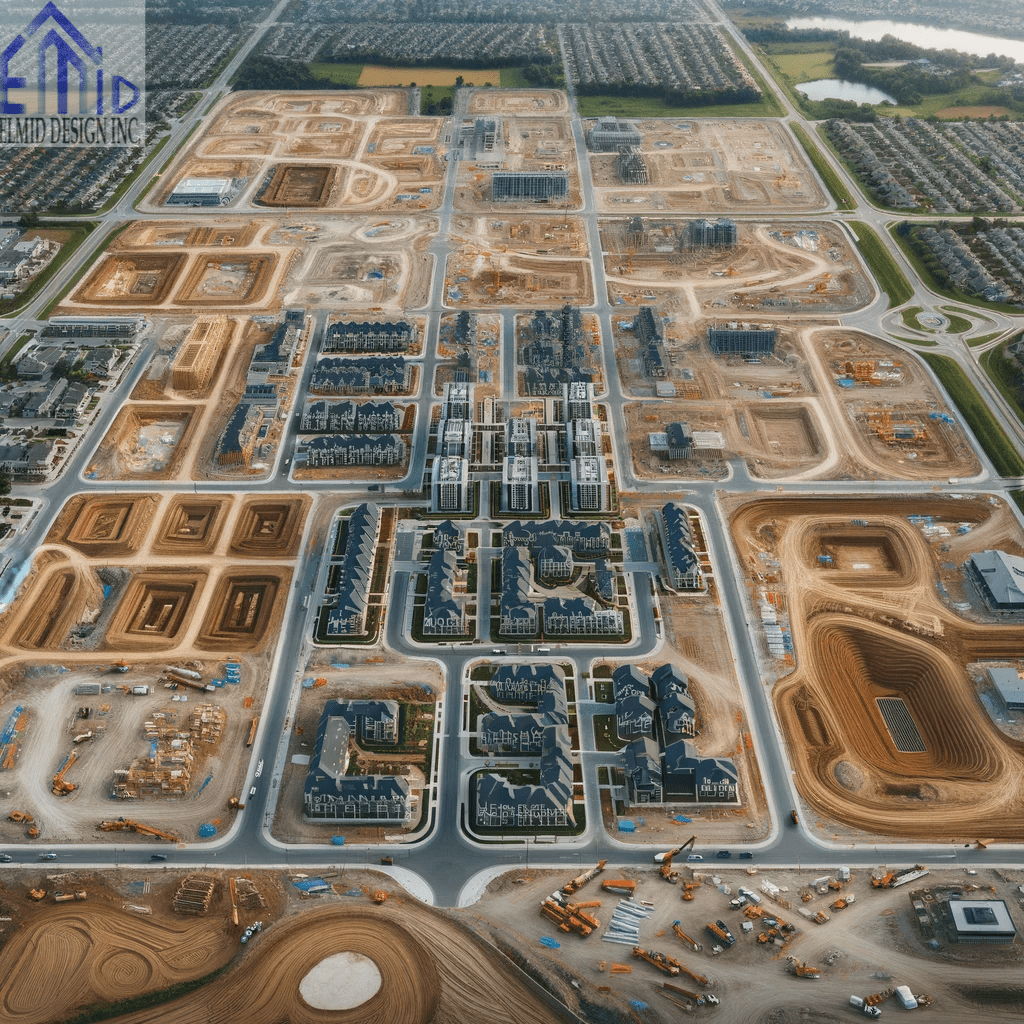
The residential drainage plan approval process in Markham helps municipalities evaluate drainage performance before construction begins. Engineers submit drainage plans that show runoff pathways and drainage features. Consequently, reviewers can assess whether proposed systems satisfy municipal requirements. Proper documentation often improves approval efficiency and reduces revision requests. Furthermore, complete drainage plans support smoother project timelines. Early preparation helps achieve successful approvals.
How Residential Drainage Plans Support Municipal Compliance
Residential drainage plans support municipal compliance by demonstrating how a property will manage water after development. Engineers prepare designs that align with local drainage and development standards. Consequently, municipalities can review potential impacts before granting approvals. Proper compliance also reduces future drainage concerns. Furthermore, drainage planning supports responsible land development. Effective compliance benefits homeowners and communities alike.
The Importance of Existing Site Conditions
Existing site conditions influence drainage plan design because current elevations affect runoff behavior. Engineers assess topography, drainage patterns, and surrounding features before creating recommendations. Therefore, accurate site analysis supports effective drainage solutions. Proper evaluations also help identify challenges early. Furthermore, detailed information improves project planning and compliance. Successful drainage systems begin with thorough site assessment.
How Residential Drainage Plans Improve Property Functionality
Property functionality improves when drainage plans direct water efficiently across residential sites. Engineers design systems that reduce standing water and improve outdoor usability. Consequently, homeowners enjoy safer and more practical outdoor spaces. Proper drainage also supports healthier landscapes and foundation protection. Furthermore, effective runoff management contributes to long-term property performance. Functional properties benefit from strong drainage planning.
Residential Drainage Plans for Infill Development
Infill development projects often require detailed drainage planning because existing neighborhoods present unique drainage challenges. Engineers evaluate surrounding properties and runoff conditions carefully. Consequently, drainage plans help integrate new development responsibly. Proper planning also reduces impacts on neighboring properties. Furthermore, engineered solutions support municipal approval requirements. Infill projects benefit from professional drainage design.
How Residential Drainage Plans Protect Adjacent Properties
Adjacent properties benefit when residential drainage plans manage runoff responsibly. Engineers design drainage systems that prevent water from affecting neighboring lands. Consequently, runoff follows controlled pathways toward approved discharge locations. Proper planning also reduces flooding and erosion concerns. Furthermore, responsible drainage supports positive relationships between property owners. Effective design protects surrounding properties.
The Relationship Between Drainage Plans and Site Safety
Site safety improves when drainage plans reduce standing water and erosion risks. Engineers create systems that maintain stable site conditions throughout the year. Consequently, properties become safer for occupants and visitors. Proper drainage also protects structures and infrastructure from water-related damage. Furthermore, safe site conditions contribute to long-term property value. Reliable drainage supports overall safety.
Common Mistakes in Residential Drainage Planning
Several common mistakes can affect residential drainage performance and project success. Inadequate slope design often limits runoff efficiency. Likewise, poor drainage outlet planning may create water accumulation concerns. Consequently, engineers review drainage systems carefully before construction begins. Proper planning helps avoid costly corrections. Thorough engineering improves project outcomes.
How Retaining Walls Affect Residential Drainage Plans
Retaining walls influence residential drainage plans because they alter elevations and water movement. Engineers evaluate retaining wall impacts during design development. Consequently, drainage systems often include features that support wall performance. Proper integration helps maintain site stability and runoff control. Furthermore, coordinated design reduces maintenance concerns. Effective planning improves long-term site performance.
Residential Drainage Plans for Redevelopment Projects
Redevelopment projects frequently require drainage plans because site conditions change over time. Engineers assess existing drainage systems before recommending improvements. Consequently, redevelopment projects receive updated solutions that support current standards. Proper planning also improves site functionality and compliance. Furthermore, drainage upgrades protect infrastructure investments. Successful redevelopment depends on reliable drainage design.
How Hard Surfaces Affect Residential Drainage
Hard surfaces such as driveways and patios increase runoff across residential properties. These features reduce natural infiltration and create additional drainage demands. Therefore, engineers consider hard surfaces when preparing drainage plans. Proper design helps manage increased runoff effectively. Furthermore, coordinated planning supports long-term drainage performance. Successful projects account for surface coverage impacts.
Why Construction Monitoring Supports Drainage Plans
Construction monitoring helps ensure drainage systems follow approved engineering plans. Engineers review site progress and verify drainage installation throughout development. Consequently, contractors can address concerns before project completion. Regular monitoring also improves drainage performance and compliance outcomes. Furthermore, professional oversight reduces project risks. Strong monitoring contributes to successful residential development.
How Residential Drainage Plans Support Landscape Health
Landscape health depends on balanced water management and effective drainage performance. Engineers design drainage systems that reduce erosion and excessive moisture conditions. Consequently, plants and outdoor features perform better over time. Proper drainage also improves soil stability and appearance. Furthermore, healthy landscapes contribute to property value. Effective planning supports long-term landscape success.
The Value of Professional Residential Drainage Design
Professional residential drainage design provides expertise that supports reliable water management solutions. Engineers evaluate site conditions and develop customized drainage strategies. Consequently, homeowners receive practical recommendations and accurate documentation. Professional guidance also improves approval efficiency and construction quality. Furthermore, engineering expertise helps prevent avoidable drainage issues. Strong design services create lasting benefits.
Why Early Drainage Plan Reviews Matter
Early drainage plan reviews help identify site challenges before construction activities begin. Engineers assess runoff conditions and drainage requirements during project planning. Consequently, homeowners gain valuable information for decision making. Early reviews also improve budgeting and scheduling. Furthermore, proactive analysis reduces development risks. Successful projects often begin with detailed drainage evaluations.
Long-Term Benefits of Residential Drainage Plans
Residential drainage plans provide lasting benefits through improved runoff control and site stability. Engineers create solutions that support reliable drainage performance over time. Consequently, homeowners experience fewer drainage-related concerns and maintenance issues. Proper planning also protects structures and landscape investments. Furthermore, strong drainage systems contribute to property value. Effective drainage design delivers long-term advantages.
Residential Drainage Plan Costs in Markham
Residential drainage plan costs in Markham vary according to site size, project scope, and drainage complexity. Larger properties often require more engineering analysis and detailed design work. Meanwhile, smaller residential projects may involve simpler drainage solutions. Therefore, engineers evaluate each site before determining design requirements. Early planning helps homeowners understand project expectations and budgets. Proper preparation often reduces future revisions and delays.
Factors That Affect Residential Drainage Plan Costs
Several factors influence residential drainage plan costs throughout Markham. Site topography often affects drainage design complexity and engineering effort. Additionally, soil conditions may require further technical review and analysis. Existing drainage concerns can also increase project scope. Consequently, engineers assess site conditions carefully before developing recommendations. Accurate evaluations support effective planning and realistic budgets.
How Residential Drainage Plans Prevent Future Expenses
Professional drainage plans help prevent costly water-related problems after construction. Engineers create solutions that improve runoff management and site performance. Consequently, homeowners reduce risks associated with flooding, erosion, and foundation concerns. Proper planning also helps protect landscaping and outdoor investments. Furthermore, preventive design reduces future maintenance requirements. Effective drainage planning provides long-term financial benefits.
Why Residential Drainage Plans Improve Property Value
Property value often increases when drainage systems support reliable site performance and water management. Engineers design drainage plans that protect structures and outdoor spaces. Consequently, homeowners gain confidence in long-term property functionality. Proper drainage also helps preserve landscape quality and foundation stability. Furthermore, strong water management supports investment protection. Reliable drainage contributes to property value.
How Residential Drainage Plans Support Environmental Protection
Environmental protection remains an important benefit of residential drainage planning. Engineers develop solutions that reduce erosion and improve runoff control. Consequently, drainage systems help protect surrounding land and infrastructure. Proper water management also supports responsible development practices. Furthermore, sustainable drainage solutions contribute to healthier communities. Effective planning balances development needs and environmental goals.
The Importance of Final Drainage Plan Verification
Final drainage plan verification helps ensure drainage systems satisfy engineering objectives and site requirements. Engineers review design details before construction proceeds. Consequently, verification improves project accuracy and reduces future concerns. Proper review also strengthens communication among project participants. Furthermore, quality control supports successful project outcomes. Thorough verification improves overall drainage performance.
How Design Revisions Improve Drainage Performance
Design revisions help improve drainage performance when engineers identify opportunities for enhancement. Engineers evaluate site conditions and update recommendations when necessary. Consequently, revised plans provide better runoff management and site protection. Proper adjustments also improve compliance and construction efficiency. Furthermore, timely updates reduce future drainage concerns. Effective revisions strengthen project success.
Why Professional Drainage Engineering Matters
Professional drainage engineering provides expertise that supports reliable water management solutions. Engineers analyze site conditions and create customized drainage strategies. Consequently, homeowners receive practical recommendations tailored to their properties. Professional guidance also improves approval efficiency and construction quality. Furthermore, engineering expertise helps avoid costly mistakes. Strong technical support creates lasting value.
Residential Drainage Plans and Future Property Improvements
Future property improvements often depend on effective drainage planning and site functionality. Engineers create drainage solutions that support long-term development goals. Consequently, properties remain adaptable to future additions and landscaping projects. Proper planning also protects existing infrastructure investments. Furthermore, reliable drainage systems reduce future engineering challenges. Strong planning supports sustainable property growth.
Common Signs a Residential Drainage Plan Is Needed
Several signs may indicate the need for a residential drainage plan. Standing water often suggests runoff management problems. Likewise, erosion may signal drainage deficiencies across the property. Water accumulation near structures can also indicate design concerns. Consequently, engineers evaluate these conditions and recommend solutions. Early action helps prevent larger problems.
Engineering Expertise for Residential Drainage Plan Markham Projects
Elmid Design Inc. provides professional residential drainage plan services for homeowners throughout Markham. The company holds a Certificate of Authorization from Professional Engineers Ontario and supports clients through planning, design, and approvals. Experienced engineers evaluate site conditions, prepare drainage plans, and develop practical water management solutions. Consequently, homeowners receive reliable guidance that supports compliance and long-term property performance. Professional expertise helps projects move forward efficiently and successfully.
Long-Term Benefits of Residential Drainage Plans
Residential drainage plans create long-term benefits through improved runoff control and property protection. Engineers design systems that support reliable drainage performance over time. Consequently, homeowners experience fewer maintenance concerns and water-related issues. Proper planning also protects structures, landscapes, and outdoor investments. Furthermore, effective drainage contributes to property value. Strong drainage systems provide lasting advantages.
FAQ About Residential Drainage Plan Markham
What is a residential drainage plan in Markham?
A residential drainage plan shows how water will move across a property after development or construction.
Why do I need a residential drainage plan?
A drainage plan helps manage runoff, protect structures, and satisfy municipal development requirements.
Who prepares residential drainage plans?
Professional engineers prepare drainage plans because they understand runoff control and drainage system design.
When is a residential drainage plan required?
Many projects require drainage plans, including new homes, additions, pools, and major landscape changes.
How much does a residential drainage plan cost in Markham?
Costs depend on site size, drainage complexity, engineering scope, and project requirements.
How does a drainage plan protect my foundation?
Drainage plans direct water away from structures and reduce moisture-related foundation concerns.
Can landscaping affect residential drainage?
Yes, landscaping features can change runoff patterns and influence drainage performance across a property.
What information appears on a residential drainage plan?
Drainage plans often show elevations, runoff pathways, drainage features, and discharge locations.
What happens if drainage problems remain after construction?
Engineers can evaluate site conditions and recommend corrective drainage solutions when necessary.
Why should I hire Elmid Design Inc. for drainage planning?
Elmid Design Inc. provides professional engineering expertise, drainage design, site analysis, and approval support.

Trusted Residential Drainage Planning Experts in Markham
Elmid Design Inc. provides professional residential drainage planning, grading design, and site development engineering services for homeowners in Markham. Holding a Certificate of Authorization from Professional Engineers Ontario, the firm delivers reliable engineering solutions that support municipal compliance and efficient project approvals. Its experienced team evaluates site conditions, prepares detailed drainage plans, and develops practical runoff management strategies that help protect homes from water-related issues. With extensive technical expertise and strong knowledge of local development requirements, Elmid Design Inc. helps clients achieve compliant, efficient, and sustainable property improvements.
Geographic Locations That We Service:
Our Licensed Professional Engineers specializing in Engineered Site Grading Plans offer the best-engineered site grading plan, lot grading and erosion plan, and drainage plan to obtain site plan approval and building permits in Ontario, including a wide range of municipalities. Each area boasts unique features and requirements, making our tailored approach essential for success.
Toronto and Surrounding Areas
In the vibrant heart of Ontario, we service Toronto (City of Toronto) and surrounding areas. Additionally, we cover Oshawa (City of Oshawa), Pickering (City of Pickering), and Clarington (Municipality of Clarington). Furthermore, our expertise extends to Ajax (Town of Ajax), Whitby (Town of Whitby), Brock (Township of Brock), Scugog (Township of Scugog and Uxbridge (Township of Uxbridge).
Halton Region
Moving to the Halton Region, our services encompass Burlington (City of Burlington) and Halton Hills (Town of Halton Hills). Also included are Milton (Town of Milton) and Oakville (Town of Oakville).
Peel Region
In the Peel Region, we provide services in Brampton (City of Brampton), Mississauga (City of Mississauga), and Caledon (Town of Caledon).
York Region
Our services in the York Region cover Vaughan (City of Vaughan), Aurora (Town of Aurora), and East Gwillimbury (Town of East Gwillimbury). We also cater to Georgina (Town of Georgina), Markham (City of Markham), Newmarket (Town of Newmarket), Richmond Hill (City of Richmond Hill), Whitchurch-Stouffville (Town of Whitchurch-Stouffville), King (Township of King), and Bradford-West Gwillimbury (Town of Bradford-West Gwillimbury). Each municipality here offers a distinct setting, requiring our specialized approach.
Other Southern Ontario Cities and Towns
We also serve many other cities and towns in Southern Ontario. These include Hamilton (City of Hamilton), St. Catharines (City of St. Catharines), Niagara on the Lake (Town of Niagara on the Lake), Brant (County of Brant), Cambridge (City of Cambridge), Kitchener (City of Kitchener), Waterloo (City of Waterloo), and Woodstock (City of Woodstock). Furthermore, we operate in Guelph (City of Guelph), Centre Wellington (Township of Centre Wellington), Shelburne (Town of Shelburne), Orangeville (Town of Orangeville), New Tecumseth (Town of New Tecumseth), Essa (Town of Essa), Collingwood (Town of Collingwood), Wasaga Beach (Town of Wasaga Beach), Barrie (City of Barrie), Midland (Town of Midland), Orillia (City of Orillia), Ramara (Town of Ramara), Minden Hills (Town of Minden Hills), North Kawartha (Town of North Kawartha), Kawartha Lakes (City of Kawartha Lakes), Peterborough (City of Peterborough), Selwyn (Town of Selwyn), and Brighton (Municipality of Brighton).