Septic permit Toronto requirements apply to properties that rely on private sewage systems instead of municipal sewer services. Although most Toronto properties connect to municipal infrastructure, some locations on the city’s outskirts and nearby rural areas require private wastewater treatment systems. Therefore, obtaining the correct septic permit remains essential before installing, replacing, or modifying a septic system. Professional planning, engineering, and site investigations help ensure every project satisfies regulatory requirements. Furthermore, permit approvals protect public health, groundwater, and surrounding environmental resources. Since wastewater management directly affects long-term property performance, proper permitting remains important. Consequently, understanding the septic permit process helps property owners complete projects efficiently and responsibly.
What Is a Septic Permit?
A septic permit authorizes the installation, replacement, repair, or modification of a private sewage system. Approval authorities review technical documents before construction begins. Furthermore, permit applications demonstrate that proposed systems satisfy regulatory and environmental requirements. Since wastewater treatment affects public health, approval remains mandatory for many projects. Proper documentation also supports safe construction practices. Consequently, septic permits play an important role in responsible property development.
Why a Septic Permit Is Important
A septic permit helps ensure wastewater treatment systems comply with Ontario regulations and local requirements. Without proper approval, construction projects may face delays and additional costs. Furthermore, permits protect groundwater, neighbouring properties, and natural environments. Since improperly installed systems may create environmental concerns, regulatory oversight remains valuable. Professional planning also improves project success. Consequently, obtaining a septic permit remains an essential step.
Understanding Private Sewage Systems
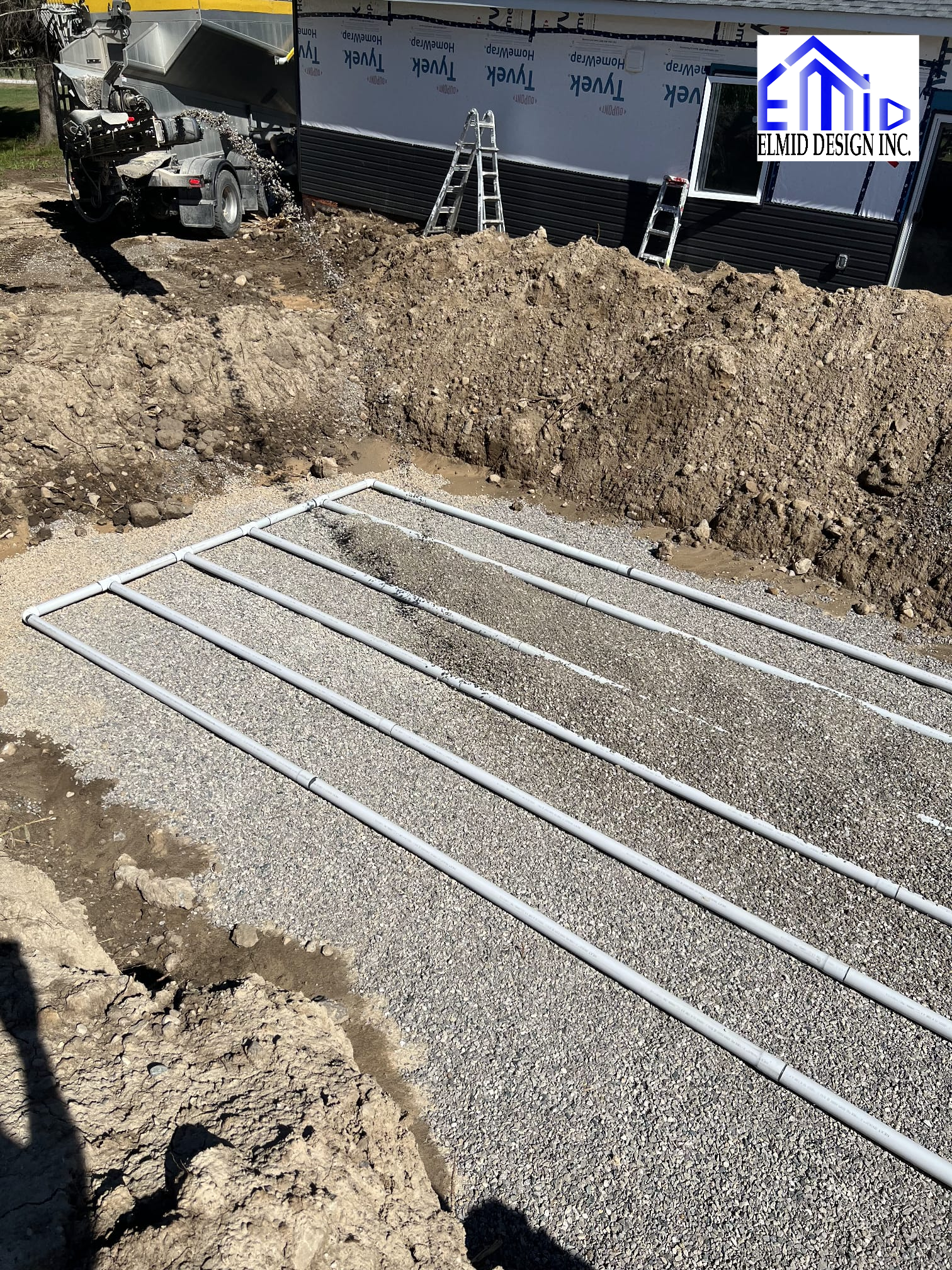
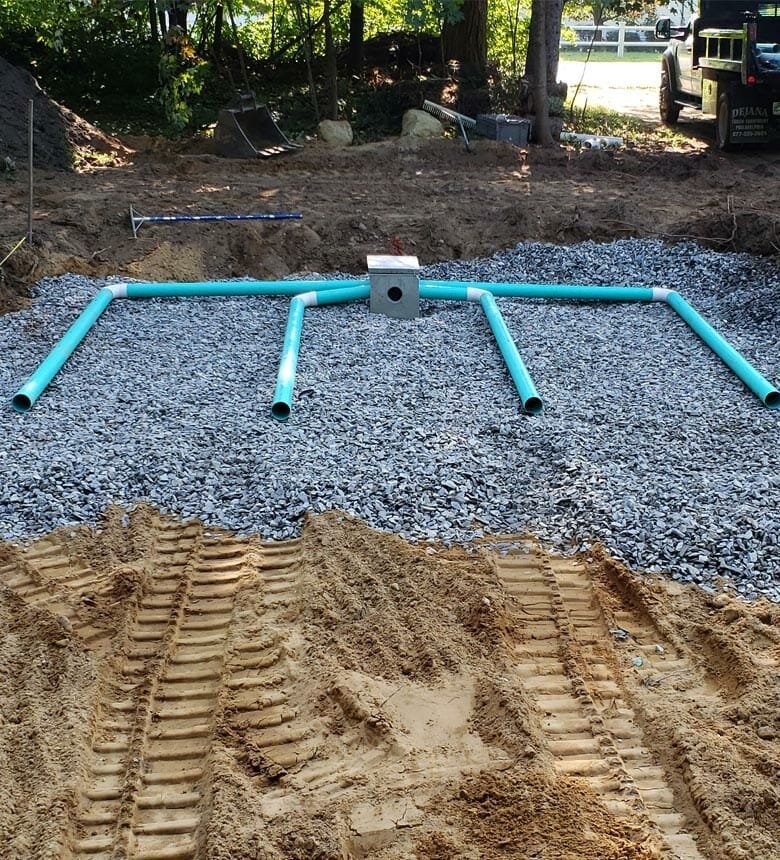
Private sewage systems collect, treat, and safely distribute household wastewater. Wastewater first enters a septic tank where solids separate naturally. Next, partially treated wastewater moves toward the treatment area for additional purification. Furthermore, surrounding soil completes the treatment process. Since every component contributes to system performance, professional engineering remains important. Proper treatment also supports environmental protection. Consequently, understanding wastewater systems helps simplify the permitting process.
Properties That Require Septic Permits
Several property types require septic permits before construction begins. Rural homes often depend entirely on private wastewater treatment systems. Furthermore, cottages, waterfront properties, agricultural developments, and estate homes commonly require septic approvals. Since municipal sewer services remain unavailable in certain locations, private treatment systems become necessary. Professional planning also supports successful permit applications. Consequently, many property owners benefit from understanding permit requirements.
Septic Permit Toronto for New Construction
New construction projects frequently require septic permits before building activities begin. Engineers prepare wastewater treatment designs according to site conditions and occupancy requirements. Furthermore, approval authorities review technical drawings before granting permits. Since wastewater infrastructure supports everyday property use, proper planning remains essential. Accurate engineering also improves approval efficiency. Consequently, new developments require careful permit preparation.
Septic Permit Toronto for Replacement Systems
Existing septic systems sometimes require replacement because of age or declining performance. Property owners must often obtain permits before replacing treatment infrastructure. Furthermore, replacement projects must satisfy current regulatory standards. Since older systems may not comply with modern requirements, updated engineering remains important. Professional planning also supports environmental protection. Consequently, replacement projects frequently require new permit approvals.
Septic Permit Toronto for Property Additions
Home additions often increase wastewater generation beyond existing treatment capacity. Engineers evaluate current systems before recommending upgrades or modifications. Furthermore, expanded buildings may require revised wastewater treatment designs. Since occupancy changes affect sewage flow calculations, engineering reviews remain necessary. Proper planning also supports future property improvements. Consequently, additions may require updated septic permits.
Ontario Building Code Requirements
Ontario Building Code requirements establish standards for septic system design and construction. Engineers prepare permit applications according to these technical regulations. Furthermore, approval authorities verify compliance before granting construction permission. Since Building Code requirements protect public health and environmental quality, adherence remains essential. Professional engineering also simplifies the approval process. Consequently, Building Code compliance forms the foundation of permit applications.
Site Evaluation Before Applying for a Permit
Site evaluation provides essential information before submitting a septic permit application. Engineers assess topography, drainage conditions, and environmental features carefully. Furthermore, evaluations identify site limitations that may affect wastewater treatment design. Since every property differs, detailed investigations remain necessary. Early assessments also improve application accuracy. Consequently, site evaluations contribute significantly to permit success.
Soil Testing for Septic Permit Toronto
Soil testing determines whether a property can support a proposed wastewater treatment system. Engineers analyze soil texture, drainage characteristics, and natural conditions carefully. Furthermore, soil information influences treatment area size and design decisions. Since soil performs an important treatment function, accurate testing remains essential. Challenging conditions may require alternative solutions. Consequently, soil testing supports successful permit applications.
Percolation Testing and Permit Applications
Percolation testing measures how quickly water moves through the soil. Engineers use these results when calculating treatment area dimensions and infiltration capacity. Furthermore, accurate testing supports environmental protection and regulatory compliance. Since infiltration rates differ between properties, testing remains necessary. Reliable information also strengthens engineering recommendations. Consequently, percolation testing forms an important part of permit preparation.
Groundwater Considerations
Groundwater conditions influence wastewater treatment planning throughout Ontario. Engineers evaluate groundwater elevations before preparing permit applications. Furthermore, required separation distances help protect drinking water resources. Since groundwater quality directly affects public health, careful planning remains essential. Accurate assessments also reduce environmental risks. Consequently, groundwater investigations strengthen permit documentation.
Septic Permit Toronto Application Process
The permit application process includes engineering design, technical documentation, and regulatory review. Engineers prepare detailed drawings and supporting reports before submission. Furthermore, approval authorities review applications according to applicable regulations. Since complete documentation improves approval efficiency, careful preparation remains important. Professional guidance also reduces delays. Consequently, organized applications support successful project approvals.
Engineering Drawings Required for Permit Approval
Engineering drawings provide detailed information regarding proposed wastewater treatment systems. Engineers prepare site plans, treatment layouts, and technical specifications carefully. Furthermore, drawings demonstrate compliance with Ontario Building Code requirements. Since approval authorities rely on technical documentation, accuracy remains essential. Professional engineering also improves review efficiency. Consequently, quality drawings support successful permit applications.
Supporting Documents for Permit Applications
Permit applications often require several supporting technical documents. Engineers prepare soil reports, site investigations, design calculations, and engineering summaries. Furthermore, complete documentation helps approval authorities evaluate proposed projects efficiently. Since incomplete submissions may delay approvals, careful preparation remains important. Professional coordination also improves application quality. Consequently, supporting documents strengthen every permit application.
Benefits of Professional Septic Permit Services
Professional septic permit services simplify the approval process through experienced engineering and regulatory knowledge. Engineers prepare accurate applications that satisfy technical requirements. Furthermore, professional guidance reduces delays while improving project efficiency. Since wastewater systems require careful planning, experienced professionals remain valuable. Proper engineering also supports environmental protection and regulatory compliance. Consequently, professional permit services help property owners complete projects successfully.
Septic Permit Toronto Approval Process
The septic permit approval process follows several important stages before construction begins. Engineers prepare technical documentation according to regulatory requirements. Next, approval authorities review the submitted information carefully. Furthermore, reviewers verify compliance with applicable wastewater regulations. Since complete applications improve review efficiency, careful preparation remains essential. Professional engineering also reduces unnecessary delays. Consequently, organized permit submissions support successful approvals.
Engineering Assessment Before Permit Submission
Engineering assessments provide the technical foundation for every permit application. Engineers evaluate site conditions, wastewater generation, and environmental factors carefully. Furthermore, detailed investigations help determine appropriate treatment solutions. Since reliable information supports accurate engineering decisions, professional assessments remain important. Proper evaluations also strengthen permit documentation. Consequently, engineering reviews improve application quality.
Site Investigation Requirements
Site investigations help engineers understand property conditions before preparing permit documents. Professionals examine topography, drainage, and surrounding environmental features carefully. Furthermore, field investigations identify limitations that influence wastewater treatment planning. Since every property differs, direct inspections remain necessary. Thorough investigations also improve engineering accuracy. Consequently, site evaluations support successful permit applications.
Septic Permit Toronto and Soil Evaluation
Soil evaluation determines whether a property can support a proposed wastewater treatment system. Engineers analyze soil characteristics through field testing and observations. Furthermore, soil conditions influence treatment area design and sizing. Since wastewater treatment depends heavily on soil performance, detailed analysis remains essential. Professional investigations also support regulatory compliance. Consequently, soil evaluation forms a major part of permit preparation.
Groundwater Evaluation
Groundwater investigations protect drinking water resources and surrounding environmental conditions. Engineers measure groundwater elevations before finalizing wastewater treatment designs. Furthermore, groundwater information influences treatment area placement and engineering decisions. Since environmental protection remains a priority, careful evaluation becomes essential. Accurate assessments also improve permit approvals. Consequently, groundwater investigations strengthen project planning.
Designing a Compliant Septic System
Compliant wastewater treatment systems satisfy Ontario Building Code requirements and environmental regulations. Engineers prepare customized designs according to individual property conditions. Furthermore, proper engineering improves treatment efficiency and long-term reliability. Since regulatory compliance supports public health, accurate planning remains essential. Professional designs also simplify permit reviews. Consequently, compliant engineering benefits every project.
Septic Permit Toronto and Design Calculations
Design calculations determine wastewater flow, treatment area size, and septic tank capacity. Engineers perform these calculations according to Ontario Building Code requirements. Furthermore, accurate calculations improve treatment performance and regulatory compliance. Since engineering precision supports reliable wastewater management, careful analysis remains important. Professional calculations also strengthen permit applications. Consequently, design calculations guide successful system planning.
Preparing Engineering Drawings
Engineering drawings illustrate the complete wastewater treatment system before construction begins. Engineers prepare detailed site plans, treatment layouts, and technical specifications carefully. Furthermore, approval authorities rely on these drawings during permit reviews. Since accurate documentation improves approval efficiency, professional drafting remains valuable. Quality engineering also reduces construction uncertainty. Consequently, technical drawings remain essential for permit applications.
Supporting Reports for Permit Applications
Permit submissions often include several technical reports supporting the engineering design. Engineers prepare soil investigations, design summaries, and wastewater calculations carefully. Furthermore, complete reports provide valuable information during regulatory reviews. Since comprehensive documentation improves application quality, preparation remains important. Professional coordination also reduces approval delays. Consequently, supporting reports strengthen every permit package.
Septic Permit Toronto for Replacement Projects
Replacement projects require careful engineering because updated systems must satisfy current regulatory standards. Engineers evaluate existing infrastructure before preparing replacement designs. Furthermore, replacement systems often improve environmental protection and operational reliability. Since aging infrastructure may no longer perform efficiently, modernization remains beneficial. Professional planning also simplifies approvals. Consequently, replacement projects require detailed engineering documentation.
Septic Permit Toronto for Home Renovations
Major home renovations frequently increase wastewater generation beyond existing treatment capacity. Engineers evaluate proposed changes before recommending treatment upgrades. Furthermore, larger homes often require revised wastewater system designs. Since occupancy affects wastewater calculations, engineering reviews remain important. Professional planning also supports future property improvements. Consequently, renovation projects may require updated permits.
Septic Permit Toronto for Property Expansions
Property expansions often require additional wastewater treatment capacity. Engineers review existing systems before determining whether upgrades become necessary. Furthermore, expansion projects frequently require revised engineering documentation. Since wastewater demands increase with larger developments, accurate calculations remain essential. Professional evaluations also improve long-term planning. Consequently, property expansions commonly require permit updates.
Common Challenges During Permit Applications
Several factors may affect septic permit applications throughout Ontario. Challenging soil conditions sometimes require alternative wastewater treatment solutions. Furthermore, groundwater elevations may influence treatment area placement. Smaller properties can also limit design flexibility. Since every property presents unique conditions, professional engineering remains important. Customized planning also improves approval success. Consequently, experienced professionals help overcome permitting challenges.
Permit Delays and How to Avoid Them
Permit delays often result from incomplete documentation or missing technical information. Engineers prepare detailed applications that satisfy regulatory expectations. Furthermore, organized submissions improve review efficiency significantly. Since approval authorities require complete documentation, careful preparation remains beneficial. Professional guidance also reduces unnecessary revisions. Consequently, thorough planning helps avoid delays.
Working With Qualified Septic Engineers
Qualified engineers understand Ontario wastewater regulations and permit requirements thoroughly. They evaluate site conditions before preparing customized engineering solutions. Furthermore, experienced professionals coordinate effectively with approval authorities. Since wastewater treatment requires technical expertise, professional guidance remains valuable. Reliable engineering also supports successful construction. Consequently, qualified engineers improve project outcomes.
Environmental Benefits of Proper Permitting
Proper permitting helps protect groundwater, surface water, and surrounding ecosystems. Engineers design wastewater systems that reduce environmental risks while improving treatment performance. Furthermore, regulatory oversight promotes responsible land development. Since environmental protection benefits every community, careful planning remains important. Professional engineering also supports sustainable wastewater management. Consequently, proper permitting strengthens environmental stewardship.
Benefits of Professional Septic Permit Toronto Services
Professional permit services simplify the approval process through technical expertise and regulatory knowledge. Engineers prepare accurate applications that satisfy approval requirements efficiently. Furthermore, experienced professionals identify potential concerns before submission. Since wastewater projects require detailed planning, professional support remains valuable. Reliable engineering also improves long-term project success. Consequently, professional permit services provide lasting benefits for property owners.
Septic Permit Toronto for Residential Properties
Residential properties outside municipal sewer service areas often require septic permit approval before construction begins. Engineers evaluate wastewater demands according to building occupancy and property characteristics. Furthermore, professional planning helps ensure regulatory compliance and environmental protection. Since every property differs, customized engineering remains essential. Proper documentation also improves approval efficiency. Consequently, residential developments benefit from accurate permit preparation.
Septic Permit Toronto for Rural Properties
Many rural properties near Toronto depend on private wastewater treatment systems. Therefore, septic permits remain necessary before installing or replacing treatment infrastructure. Engineers assess environmental conditions before preparing permit applications. Furthermore, customized designs improve long-term treatment performance. Since municipal sewer services remain unavailable in some locations, proper wastewater planning becomes essential. Consequently, rural property owners benefit from professional engineering.
Septic Permit Toronto for Waterfront Properties
Waterfront properties require specialized wastewater treatment because nearby lakes and rivers remain environmentally sensitive. Engineers carefully evaluate shoreline conditions before preparing permit documents. Furthermore, treatment systems must protect surrounding water resources effectively. Since environmental regulations remain strict near waterfront areas, detailed planning becomes important. Professional engineering also supports permit approvals. Consequently, waterfront developments require comprehensive wastewater planning.
Septic Permit Toronto for Cottage Properties
Many seasonal and recreational properties depend on private sewage systems for wastewater treatment. Engineers prepare permit applications according to site conditions and expected occupancy. Furthermore, customized designs improve treatment efficiency during seasonal use. Since cottages often occupy environmentally sensitive locations, responsible engineering remains valuable. Proper planning also supports long-term reliability. Consequently, cottage owners benefit from professional permit services.
Septic Permit Toronto and Environmental Protection
Environmental protection remains a major objective throughout the septic permitting process. Engineers design wastewater systems that reduce contamination risks and improve treatment performance. Furthermore, regulatory reviews help protect groundwater and natural ecosystems. Since responsible wastewater management benefits surrounding communities, careful planning remains important. Professional engineering also supports sustainable development. Consequently, septic permits strengthen environmental stewardship.
Groundwater Protection During Permit Planning
Groundwater supplies drinking water for many private properties throughout Ontario. Engineers evaluate groundwater conditions before finalizing wastewater treatment designs. Furthermore, required separation distances help protect water quality. Since groundwater contamination creates significant health concerns, detailed investigations remain essential. Responsible engineering also supports environmental sustainability. Consequently, groundwater protection guides permit planning.
Surface Water Protection Through Proper Design
Surface water protection requires careful wastewater treatment planning near environmentally sensitive areas. Engineers position treatment systems according to regulatory setback requirements. Furthermore, proper design reduces contamination risks during long-term operation. Since healthy lakes and rivers benefit surrounding communities, environmental protection remains important. Professional engineering also supports regulatory compliance. Consequently, wastewater planning protects valuable natural resources.
Septic Permit Toronto and Future Property Development
Future development plans often influence wastewater treatment system design. Engineers evaluate possible property expansions before preparing permit documents. Furthermore, larger treatment capacities may support future additions. Since development needs frequently change over time, long-term planning remains beneficial. Professional evaluations also improve property flexibility. Consequently, permit planning supports future growth opportunities.
Septic Permit Toronto and Property Value
A properly permitted wastewater treatment system contributes positively to property value. Buyers appreciate professionally engineered systems that satisfy regulatory requirements. Furthermore, documented approvals increase confidence during real estate transactions. Since wastewater infrastructure represents an important investment, complete permit records remain valuable. Professional planning also improves long-term reliability. Consequently, septic permits support property marketability.
Importance of Accurate Engineering Documentation
Accurate engineering documentation improves permit approvals and construction quality. Engineers prepare technical drawings, design calculations, and supporting reports carefully. Furthermore, complete documentation reduces questions during regulatory reviews. Since construction depends on accurate engineering information, professional preparation remains essential. Reliable documentation also supports future maintenance. Consequently, quality engineering benefits every project.
Working With Experienced Septic Professionals
Experienced septic professionals understand wastewater regulations, engineering standards, and approval procedures. They evaluate site conditions before preparing customized permit applications. Furthermore, professional guidance improves project efficiency and regulatory compliance. Since wastewater systems require technical expertise, qualified professionals remain valuable. Careful planning also reduces project risks. Consequently, experienced teams improve project success.
Maintaining Compliance After Permit Approval
Permit approval marks the beginning of responsible wastewater system management. Property owners should follow approved engineering plans during construction. Furthermore, regular maintenance helps preserve treatment performance after installation. Since proper operation protects environmental quality, ongoing care remains important. Professional inspections also support long-term reliability. Consequently, responsible ownership extends system lifespan.
Long-Term Benefits of Professional Permit Planning
Professional permit planning creates lasting benefits for property owners and surrounding communities. Engineers prepare wastewater systems that improve environmental protection and operational efficiency. Furthermore, accurate engineering supports future maintenance and property development. Since reliable infrastructure increases long-term value, careful planning remains worthwhile. Professional expertise also simplifies regulatory compliance. Consequently, permit planning delivers significant long-term advantages.
Septic Permit Toronto and Sustainable Development
Sustainable development depends on responsible wastewater management and environmental protection. Engineers design systems that reduce environmental impacts while supporting reliable treatment performance. Furthermore, modern engineering techniques improve long-term system efficiency. Since communities benefit from sustainable infrastructure, professional planning remains important. Responsible wastewater solutions also protect natural resources. Consequently, septic permits contribute to environmentally responsible development.
FAQ
What is a septic permit?
A septic permit authorizes the installation, replacement, repair, or modification of a private wastewater treatment system.
Who needs a septic permit in Toronto?
Properties using private septic systems instead of municipal sewer services generally require permit approval.
When should I apply for a septic permit?
Property owners should apply before installing, replacing, or modifying any septic system components.
Why is soil testing required?
Soil testing helps engineers determine suitable wastewater treatment methods and system sizing.
Does every septic project require engineering drawings?
Most permit applications require engineering drawings and supporting technical documentation.
How long does the permit process take?
Approval timelines depend on project complexity, application completeness, and regulatory review schedules.
Can I replace my septic system without a permit?
Most replacement projects require permit approval before construction begins.
What factors influence septic permit approval?
Site conditions, soil characteristics, groundwater levels, wastewater flow, and regulatory compliance affect approvals.
Can a home addition require a new septic permit?
Yes, larger homes often require updated wastewater treatment evaluations and permit approvals.
Why should I hire a qualified septic engineer?
Qualified engineers prepare accurate designs, support permit approvals, and help ensure long-term wastewater system performance.

Professional Septic Permit Engineering Services in Toronto
Elmid Design Inc. provides professional septic permit, septic design, and wastewater engineering services for residential, rural, waterfront, cottage, and redevelopment projects in Toronto and across Ontario. The company holds a Certificate of Authorization from Professional Engineers Ontario and prepares septic system designs that comply with Ontario Building Code requirements. Through detailed site investigations, soil testing, engineering analysis, and permit application support, Elmid Design Inc. helps property owners obtain efficient approvals while delivering reliable, environmentally responsible wastewater treatment solutions.
Geographic Locations That We Service:
Our Licensed Professional Engineers specializing in Engineered Site Grading Plans offer the best-engineered site grading plan, lot grading and erosion plan, and drainage plan to obtain site plan approval and building permits in Ontario, including a wide range of municipalities. Each area boasts unique features and requirements, making our tailored approach essential for success.
Toronto and Surrounding Areas
In the vibrant heart of Ontario, we service Toronto (City of Toronto) and surrounding areas. Additionally, we cover Oshawa (City of Oshawa), Pickering (City of Pickering), and Clarington (Municipality of Clarington). Furthermore, our expertise extends to Ajax (Town of Ajax), Whitby (Town of Whitby), Brock (Township of Brock), Scugog (Township of Scugog and Uxbridge (Township of Uxbridge).
Halton Region
Moving to the Halton Region, our services encompass Burlington (City of Burlington) and Halton Hills (Town of Halton Hills). Also included are Milton (Town of Milton) and Oakville (Town of Oakville).
Peel Region
In the Peel Region, we provide services in Brampton (City of Brampton), Mississauga (City of Mississauga), and Caledon (Town of Caledon).
York Region
Our services in the York Region cover Vaughan (City of Vaughan), Aurora (Town of Aurora), and East Gwillimbury (Town of East Gwillimbury). We also cater to Georgina (Town of Georgina), Markham (City of Markham), Newmarket (Town of Newmarket), Richmond Hill (City of Richmond Hill), Whitchurch-Stouffville (Town of Whitchurch-Stouffville), King (Township of King), and Bradford-West Gwillimbury (Town of Bradford-West Gwillimbury). Each municipality here offers a distinct setting, requiring our specialized approach.
Other Southern Ontario Cities and Towns
We also serve many other cities and towns in Southern Ontario. These include Hamilton (City of Hamilton), St. Catharines (City of St. Catharines), Niagara on the Lake (Town of Niagara on the Lake), Brant (County of Brant), Cambridge (City of Cambridge), Kitchener (City of Kitchener), Waterloo (City of Waterloo), and Woodstock (City of Woodstock). Furthermore, we operate in Guelph (City of Guelph), Centre Wellington (Township of Centre Wellington), Shelburne (Town of Shelburne), Orangeville (Town of Orangeville), New Tecumseth (Town of New Tecumseth), Essa (Town of Essa), Collingwood (Town of Collingwood), Wasaga Beach (Town of Wasaga Beach), Barrie (City of Barrie), Midland (Town of Midland), Orillia (City of Orillia), Ramara (Town of Ramara), Minden Hills (Town of Minden Hills), North Kawartha (Town of North Kawartha), Kawartha Lakes (City of Kawartha Lakes), Peterborough (City of Peterborough), Selwyn (Town of Selwyn), and Brighton (Municipality of Brighton).