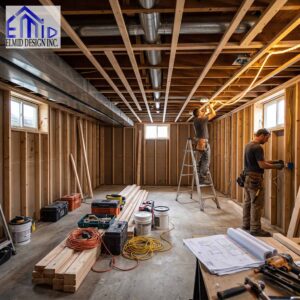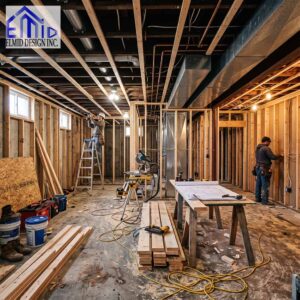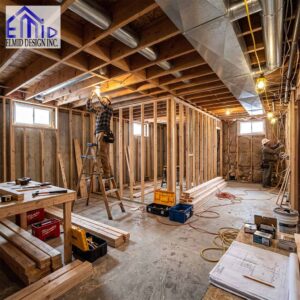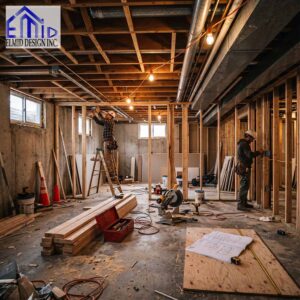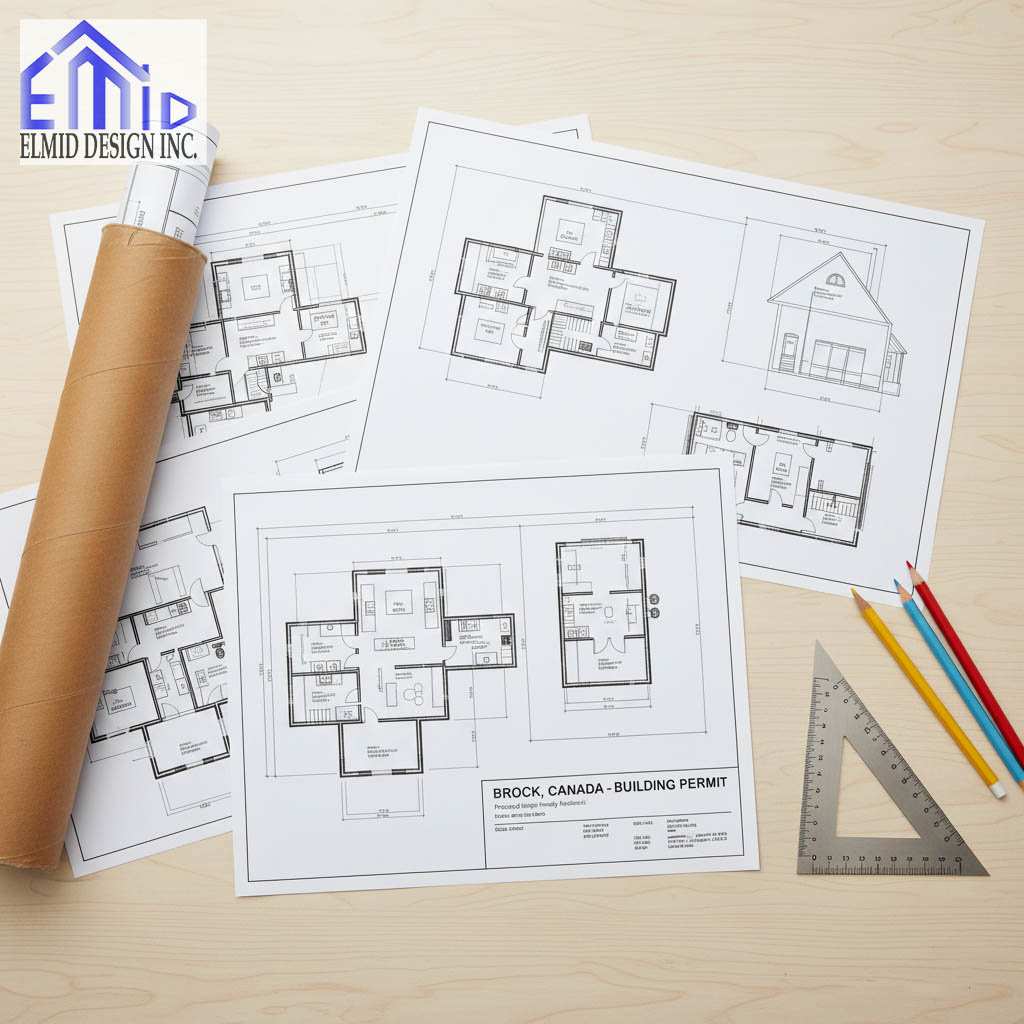
Interest in multiplex permit drawing Brock continues to grow as Brock becomes a more attractive place for families, investors, and homeowners who want flexible living arrangements. Many properties in Brock offer enough space and structure to support additional units, which makes multiplex conversions a realistic option. Homeowners choose these projects to create rental income, support multigenerational living, or simply increase property value through smart improvements. However, completing a multiplex project requires more than a simple renovation because Brock follows strict building code rules and zoning regulations. A well-prepared drawing package is necessary to move a project forward. When the drawings include clear measurements, correct symbols, and complete notes, the review process becomes smoother and more predictable. This helps prevent delays, reduces stress, and keeps construction safe. Strong planning also shows the town that the project supports responsible growth.
Meaning of Multiplex Permit Drawing Brock
A multiplex permit drawing Brock refers to a detailed set of architectural and engineering documents that show exactly how a home will be converted or expanded to include multiple legal units. These drawings explain the layout of each unit, show how the structure will be supported, and include information about plumbing, electrical, mechanical, and fire protection systems. The town reviews the drawings to confirm that the project meets safety rules and follows zoning bylaws. Without clear and accurate drawings, reviewers cannot verify compliance, which leads to delays. A complete drawing set helps contractors understand the design and reduces confusion on the job site. The drawings also protect the homeowner by showing exactly what work is approved and what work must be completed.
Growing Demand for Multiplex Housing in Brock
Demand for multiplex permit drawing Brock services is increasing as the town continues to expand and residents look for more affordable housing options. Brock has a mix of rural areas, older neighborhoods, and newer developments, which makes it an appealing location for multi-unit conversions. Many property owners want to build rental units to support income goals or help family members stay close. Multiplex homes also help the town address housing shortages without building new subdivisions. As more people explore multiplex conversions, Brock expects drawing packages that follow code and show safe construction methods. These projects help strengthen the housing market and support long-term community growth.
Importance of Zoning Research Before Designing
Zoning rules determine what type of buildings can be created on a property, which makes zoning research essential for any multiplex permit drawing Brock project. Zoning bylaws identify the number of units allowed, minimum lot sizes, required parking, property coverage limits, building height limits, and setbacks from property lines. Designing without checking zoning rules usually creates major problems later. A design that does not match zoning will be rejected and require major revisions. Some areas of Brock allow multiplex housing, while others require additional steps such as a variance. Understanding zoning early helps the designer create a layout that fits the rules and avoids unnecessary revisions.
Required Drawing Types for Multiplex Permits
A complete multiplex permit drawing Brock package includes several types of drawings that work together to tell the full story of the project. Architectural drawings show room layouts, wall placements, window sizes, stair design, and unit organization. Elevations show the exterior of the building from all sides. Sections show the relationship between floors, ceiling heights, and construction details. Site plans show driveways, parking areas, walkways, lot boundaries, drainage, and grading. Structural drawings show beams, posts, joists, and foundation changes. Mechanical, plumbing, and electrical drawings show how each utility will work safely. When these drawings are complete and clear, reviewers can confirm that the design follows code and supports safe building practices.
Structural Engineering Requirements
Structural engineering is a major component of every multiplex permit drawing Brock because adding units increases pressure on the house. Multi-unit homes often require stronger beams, reinforced joists, new posts, or foundation upgrades. Engineers review the framing, load paths, and foundation conditions to determine whether reinforcements are necessary. Older homes in Brock often require upgrades before they can safely support multiple units. Brock requires structural drawings stamped by a licensed engineer when structural changes affect safety. Firms like Elmid Design Inc, licensed through Professional Engineers Ontario, provide engineering services that help homeowners meet these standards. Proper structural planning protects the building and residents while supporting long-term durability.
Fire Protection Requirements for Multi-Unit Homes
Fire protection is one of the most important parts of multiplex permit drawing Brock because multi-unit homes must protect residents during emergencies. Drawings must show fire-rated walls and ceilings, sealed penetrations, protected mechanical paths, and interconnected smoke alarms. Exit routes must be safe and clear. Brock reviews fire separation details carefully to ensure the home meets code and reduces risk. Proper fire planning slows the spread of flames and smoke and gives residents more time to escape. Strong fire protection design also helps contractors follow safe installation methods.
Mechanical and HVAC System Requirements
Mechanical systems are a key part of multiplex permit drawing Brock because multi-unit homes require consistent heating, cooling, and ventilation. Designers calculate heating loads, airflow needs, and ventilation requirements to determine whether the existing system can support the additional demand. Many multiplex conversions require upgraded HVAC systems or new ventilation ducts. Mechanical drawings show air supply, return paths, exhaust points, and equipment sizes. Brock reviews these drawings to confirm that the mechanical system supports comfort and meets energy standards. Proper mechanical planning prevents overheating, moisture buildup, and poor indoor air quality.
Plumbing and Electrical System Requirements
Plumbing and electrical systems become more complex when a home is divided into multiple units, plumbing drawings must show drain lines, supply lines, venting, and fixture locations. Electrical drawings must show panel loads, circuit distribution, and wiring routes. Many older homes require panel upgrades or additional circuits to support modern demands. Brock reviews these drawings to check safety and code compliance. Proper planning reduces the chance of electrical overloads, water leaks, or pressure problems. Clear plumbing and electrical drawings also help contractors complete installations correctly.
Parking and Site Planning Requirements
Parking and site planning influence every multiplex permit drawing Brock because the town wants to ensure safe access and proper use of outdoor space. Site plans must show driveway width, parking arrangements, walkway location, drainage patterns, grading, and landscaping. Poor site planning can create traffic conflicts, flooding, or accessibility concerns. Brock reviews these drawings to confirm that the project fits within neighborhood expectations and supports safe property access. Strong site planning helps the project move forward without unexpected revisions.
Importance of Complete and Accurate Drawings
Complete and accurate drawings form the foundation of a successful multiplex permit drawing Brock submission. Missing dimensions, unclear notes, or inconsistent information create delays and require resubmissions. Professional designers and engineers review each drawing to ensure accuracy before submission. Brock depends on clear drawings to make informed decisions about code compliance and safety. Accurate documentation also helps contractors follow the design during construction, which prevents errors and supports efficient inspections.
Common Challenges for Homeowners
Homeowners often face difficulties during the multiplex permit drawing Brock process because they underestimate the complexity of building code requirements. Many people try to prepare drawings without professional help and end up submitting incomplete packages. Others discover unexpected structural issues or zoning limits after starting design work. These problems create costly delays. Working with experienced designers and engineers helps avoid mistakes and reduces stress. Professional support ensures that the project follows Brock’s expectations and moves forward smoothly.

Digital Submission Requirements in Brock
Digital submission is an important step in the multiplex permit drawing Brock process because the town reviews most applications electronically. All drawings must be readable, properly scaled, and clearly labeled so reviewers can understand each file without confusion. Consistent naming helps the town locate the correct sheets quickly. When revisions are required, updated drawings must follow the same format so reviewers can compare changes easily. Digital organization supports a smooth approval process because it reduces errors caused by missing or unclear documents. A well-prepared digital submission shows professionalism and helps move the project forward faster.
Inspection Stages After Permit Approval
Once a permit is issued, inspectors check that construction matches the multiplex permit drawing Brock package. Inspections may include framing, mechanical rough-ins, plumbing installations, electrical wiring, insulation, and fire separation. Inspectors compare the physical work to the approved drawings, and any differences must be corrected before proceeding. Clear drawings support efficient inspections because contractors know exactly what is required. Proper coordination between designers, engineers, and contractors helps prevent costly delays. Strong documentation allows inspections to move smoothly and keeps the project aligned with safety standards.
Common Errors That Delay Permit Approval
Delays often occur when a multiplex permit drawing Brock package contains inaccuracies or missing information. Frequent issues include incomplete fire separation notes, inconsistent measurements, unclear structural details, or missing mechanical and plumbing information. These problems force the town to request revisions, which adds time and increases project costs. Poor site planning and zoning errors also cause significant delays. Preparing a complete and accurate drawing set from the start helps avoid unnecessary review cycles. Strong attention to detail supports faster approval and prevents frustration for homeowners.
Importance of Licensed Designers and Engineers
Licensed designers and engineers play a major role in creating a strong multiplex permit drawing Brock package because they understand the Ontario Building Code and local zoning rules. Designers create functional layouts that follow safety standards and integrate well with the existing structure. Engineers verify structural integrity, mechanical performance, and fire protection systems. Their combined work ensures that the drawing package is compliant and reliable. Brock trusts submissions prepared by qualified professionals because they demonstrate technical accuracy, safety, and responsibility.
Structural Reinforcement Considerations
Structural reinforcement is often required for multiplex permit drawing Brock projects because multiple units place additional load on the building. Engineers study the home’s framing, foundation, and load paths to determine what reinforcements are needed. Structural drawings must show beam sizes, joist spans, support posts, and connection details. These details help contractors install reinforcement safely and prevent future structural issues. Brock reviews structural drawings closely to ensure long-term building stability. Proper engineering protects residents and supports safe construction practices.
Ventilation and Indoor Air Quality Requirements
Ventilation is an essential component of every multiplex permit drawing Brock because indoor air quality affects the comfort and health of residents. Multiple units require balanced airflow and proper ventilation routes to maintain safe conditions. Designers calculate ventilation needs, while engineers confirm equipment sizing and duct placement. Poor ventilation can lead to moisture buildup, stale air, and uneven temperatures. Brock reviews ventilation details to confirm compliance with energy and mechanical standards. Strong mechanical planning ensures comfortable living spaces and reduces long-term maintenance concerns.
Accessibility Planning for Multi-Unit Homes
Accessibility is an important consideration in multiplex permit drawing Brock submissions because some projects must follow accessibility guidelines. Designers evaluate entry routes, door clearances, hallway widths, and bathroom layouts to determine which features are required. Accessibility planning prevents costly design changes later and supports safe living conditions for residents with mobility needs. Brock reviews accessibility details to confirm compliance with provincial rules. Proper planning increases home value, improves functionality, and supports long-term usability.
Drainage and Grading Requirements
Drainage and grading influence every multiplex permit drawing Brock because water must move away from the property to prevent structural damage. Site plans must show slope direction, grading heights, and drainage paths. Poor grading can lead to moisture problems, foundation deterioration, or basement flooding. Brock examines site plans carefully to verify environmental compliance and proper water management. Strong drainage planning protects the home, reduces future maintenance issues, and supports safe property conditions.
Energy Efficiency Requirements in Brock
Energy efficiency is an important part of reviewing a multiplex permit drawing Brock because multi-unit homes must meet provincial energy standards. Designers document insulation values, window performance, air sealing details, and mechanical efficiency. Engineers confirm that heating and cooling systems meet performance requirements. Brock evaluates these details to ensure that the building uses energy responsibly and maintains comfortable indoor temperatures. Proper energy planning reduces utility costs, improves comfort, and supports long-term efficiency.
Financial Benefits of Multiplex Conversions
Multiplex conversions offer significant financial advantages to homeowners who complete a proper multiplex permit drawing Brock package. Legal multi-unit homes generate stable rental income, increase property value, and appeal to future buyers. A well-designed conversion attracts long-term tenants and reduces vacancy risks. Proper documentation proves that the work is safe and legal, which increases buyer confidence. These financial benefits make multiplex conversions an appealing investment for residents across Brock.
Basement Conversions and Multi-Unit Planning
Basement conversions play a major role in multiplex permit drawing Brock projects because they allow homeowners to add legal units without expanding the building footprint. Basements must meet rules for ceiling height, exits, ventilation, and fire separation. Designers examine the existing layout to determine whether underpinning or other structural changes are needed. Engineers review the foundation and framing to confirm that the basement can safely support a new unit. When the drawings clearly show these details, Brock can easily confirm compliance. Strong basement planning reduces delays and improves long-term safety for residents.
Soundproofing Requirements Between Units
Soundproofing is an important part of any multiplex permit drawing Brock because noise transfer affects comfort and privacy. Multi-unit homes must meet standards for sound transmission between walls and floors. Designers choose assemblies that reduce noise, and engineers verify that the structure can support these assemblies. Strong soundproofing creates a better living experience for residents. Brock reviews soundproofing notes to confirm that materials and installation methods meet code expectations. Clear planning helps contractors install the correct systems and prevents issues during inspection.
Fire Protection Measures for Multi-Unit Safety
Fire protection remains a top priority in every multiplex permit drawing Brock because multi-unit homes must offer safe escape routes and strong protection from flames and smoke. Drawings must show fire-rated walls, protected ceilings, sealed penetrations, and interconnected smoke alarms. The design must present safe exit paths from each unit. Brock reviews these details carefully to ensure that the building meets provincial fire safety rules. Proper fire planning reduces the spread of smoke, improves evacuation time, and increases overall safety for residents.
Structural Upgrades for Older Brock Homes
Many multiplex permit drawing Brock submissions involve older homes that require structural improvements before units can be added. Older framing and foundations may not support the added load of a multiplex conversion. Engineers examine beams, posts, joists, and foundations to determine which upgrades are necessary. Structural drawings show reinforcement details that help maintain long-term stability. Brock reviews these drawings to confirm that the home can support the new units safely. Strong structural planning reduces risk and protects the investment.
Moisture Control and Waterproofing Measures
Moisture control is important in multi-unit projects because water intrusion can create mold, structural damage, and interior deterioration. Basement units require special attention to waterproofing and drainage. Designers analyze grading and drainage patterns to prevent water from entering the building. Brock reviews moisture control notes to ensure that the design meets local and provincial rules. Strong moisture planning protects the building, improves durability, and creates healthier living spaces.
Mechanical System Capacity and Performance
Mechanical planning plays a critical role in multiplex permit drawing Brock because heating, cooling, and ventilation systems must support multiple units. Designers calculate loads and determine whether the existing systems can handle the increased demand. Engineers confirm equipment sizing and airflow balance. Brock reviews mechanical drawings to verify system performance and energy efficiency. Good mechanical planning improves comfort, supports energy savings, and ensures long-term reliability.
Importance of Professional Designers and Engineers
Professional designers and engineers strengthen every multiplex permit drawing Brock submission because they understand technical standards and safety rules. Designers develop layouts that follow zoning guidelines and create functional spaces. Engineers verify structural safety, mechanical capacity, and fire protection systems. Licensed engineering firms such as Elmid Design Inc prepare accurate documents that reduce delays and support safe construction. Professional involvement improves approval success and enhances the long-term value of the property.
How Multiplex Housing Supports Brock’s Growth
Multiplex housing supports Brock’s long-term growth by increasing housing availability and offering flexible living arrangements for families, tenants, and new residents. Multi-unit homes reduce pressure on the housing market and help the community grow without the need for large new developments. Each multiplex permit drawing Brock package ensures that new units meet safety and zoning rules. These projects support economic stability, improve affordability, and strengthen community development.
Financial Advantages of Multiplex Conversions
Multiplex conversions provide strong financial benefits for property owners in Brock because legal units generate reliable rental income and increase property value. Well-planned units attract long-term tenants and reduce vacancy risks. A complete multiplex permit drawing Brock package demonstrates safety and compliance, which increases buyer confidence and long-term investment appeal. Strong planning helps homeowners gain financial stability and creates new housing options for the community.
FAQ
What drawings are required for a multiplex permit in Brock?
A multiplex permit drawing Brock package usually includes floor plans, elevations, sections, site plans, structural drawings, mechanical layouts, plumbing designs, electrical layouts, and building code notes. These documents help Brock confirm that the project meets safety and zoning rules.
Do multiplex conversions in Brock require engineering?
Most multiplex conversions require engineering because structural, mechanical, and fire protection systems must meet the Ontario Building Code. Stamped engineering drawings verify that the design is safe and technically correct.
How long does it take to approve a multiplex permit in Brock?
Approval timelines depend on project complexity and drawing accuracy. A complete multiplex permit drawing Brock package moves through review faster because it reduces the number of revision requests.
Can I convert a basement into a legal unit in Brock?
Yes, basement conversions are allowed when they meet rules for ceiling height, exits, ventilation, moisture control, and fire separation. Detailed drawings help confirm that the design meets the required safety standards.
What increases the cost of a multiplex conversion?
Costs increase when the project requires major structural reinforcement, mechanical upgrades, expanded electrical systems, fire separation improvements, or significant layout changes. A detailed multiplex permit drawing Brock package helps identify these needs early and manage expenses.

Why Brock Homeowners Trust Elmid Design Inc
Elmid Design Inc is a licensed engineering firm with a Certificate of Authorization from Professional Engineers Ontario, providing reliable structural and permit drawing services for multiplex projects across Brock. Their team prepares accurate, code-compliant designs that support safe construction and smooth approvals. With strong technical knowledge and clear documentation, Elmid Design Inc helps homeowners and investors complete multiplex conversions efficiently and confidently.
Geographic Locations That We Service:
Our Licensed Professional Engineers specializing in Engineered Site Grading Plans offer the best-engineered site grading plan, lot grading and erosion plan, and drainage plan to obtain site plan approval and building permits in Ontario, including a wide range of municipalities. Each area boasts unique features and requirements, making our tailored approach essential for success.
Toronto and Surrounding Areas
In the vibrant heart of Ontario, we service Toronto (City of Toronto) and surrounding areas. Additionally, we cover Oshawa (City of Oshawa), Pickering (City of Pickering), and Clarington (Municipality of Clarington). Furthermore, our expertise extends to Ajax (Town of Ajax), Whitby (Town of Whitby), Brock (Township of Brock), Scugog (Township of Scugog and Uxbridge (Township of Uxbridge).
Halton Region
Moving to the Halton Region, our services encompass Burlington (City of Burlington) and Halton Hills (Town of Halton Hills). Also included are Milton (Town of Milton) and Oakville (Town of Oakville).
Peel Region
In the Peel Region, we provide services in Brampton (City of Brampton), Mississauga (City of Mississauga), and Caledon (Town of Caledon).
York Region
Our services in the York Region cover Vaughan (City of Vaughan), Aurora (Town of Aurora), and East Gwillimbury (Town of East Gwillimbury). We also cater to Georgina (Town of Georgina), Markham (City of Markham), Newmarket (Town of Newmarket), Richmond Hill (City of Richmond Hill), Whitchurch-Stouffville (Town of Whitchurch-Stouffville), King (Township of King), and Bradford-West Gwillimbury (Town of Bradford-West Gwillimbury). Each municipality here offers a distinct setting, requiring our specialized approach.
Other Southern Ontario Cities and Towns
We also serve many other cities and towns in Southern Ontario. These include Hamilton (City of Hamilton), St. Catharines (City of St. Catharines), Niagara on the Lake (Town of Niagara on the Lake), Brant (County of Brant), Cambridge (City of Cambridge), Kitchener (City of Kitchener), Waterloo (City of Waterloo), and Woodstock (City of Woodstock). Furthermore, we operate in Guelph (City of Guelph), Centre Wellington (Township of Centre Wellington), Shelburne (Town of Shelburne), Orangeville (Town of Orangeville), New Tecumseth (Town of New Tecumseth), Essa (Town of Essa), Collingwood (Town of Collingwood), Wasaga Beach (Town of Wasaga Beach), Barrie (City of Barrie), Midland (Town of Midland), Orillia (City of Orillia), Ramara (Town of Ramara), Minden Hills (Town of Minden Hills), North Kawartha (Town of North Kawartha), Kawartha Lakes (City of Kawartha Lakes), Peterborough (City of Peterborough), Selwyn (Town of Selwyn), and Brighton (Municipality of Brighton).