Laneway suite development in Ontario grows quickly because many owners seek practical ways to increase space and value. Demand rises as communities shift toward flexible living that supports family needs and long-term investment goals. Many owners explore this option because it offers strong returns and also creates much needed gentle density across evolving neighbourhoods. Growth continues as more regions update zoning rules to support compact forms that blend with existing homes while meeting local design needs. Ontario residents appreciate these benefits and therefore show strong interest in learning clear steps required for building safe and durable laneway suites.
Understanding Ontario’s Laneway Suite Vision
Ontario encourages laneway suites because they offer smart density that respects local character. Municipal leaders support this movement and help owners understand zoning needs. Many regions adopt policies that simplify approvals and encourage thoughtful infill. Communities value suites because they improve housing choice and reduce pressure on existing supply. Many owners trust this model since designs follow clear standards that ensure lasting comfort. Ontario’s approach guides builders toward forms that match neighbourhood style while offering modern function. Growth increases because this balance strengthens community stability and enhances residential flexibility.
Zoning Requirements Across Ontario
Ontario municipalities set zoning rules that shape each laneway suite plan. Regions consider lot shape, lane access, grade changes and nearby structures. Designers study these factors early because they influence size and final placement. Many towns allow suites on serviced lots with safe access that meets current standards. Some locations include rules for height and setbacks that protect neighbours and maintain privacy. Owners work closely with professionals because each town applies unique limits that need careful review. Clear understanding helps the process move faster and reduces risk of unwanted changes during planning.
Lot Size and Site Conditions
Ontario lots differ widely, so each laneway suite requires careful site study before design begins. Many older areas include narrow lots that need creative layouts that still meet local rules. Some wider lots support larger forms that allow added features like storage or flexible living zones. Soil quality must be checked early because it affects foundation needs. Mature trees often influence placement because towns protect key species. Owners gain better results when they consider drainage patterns, vehicle access and safety requirements from the start. Smart preparation strengthens long-term performance and reduces avoidable cost increases.
Design Principles for Ontario Laneway Suites
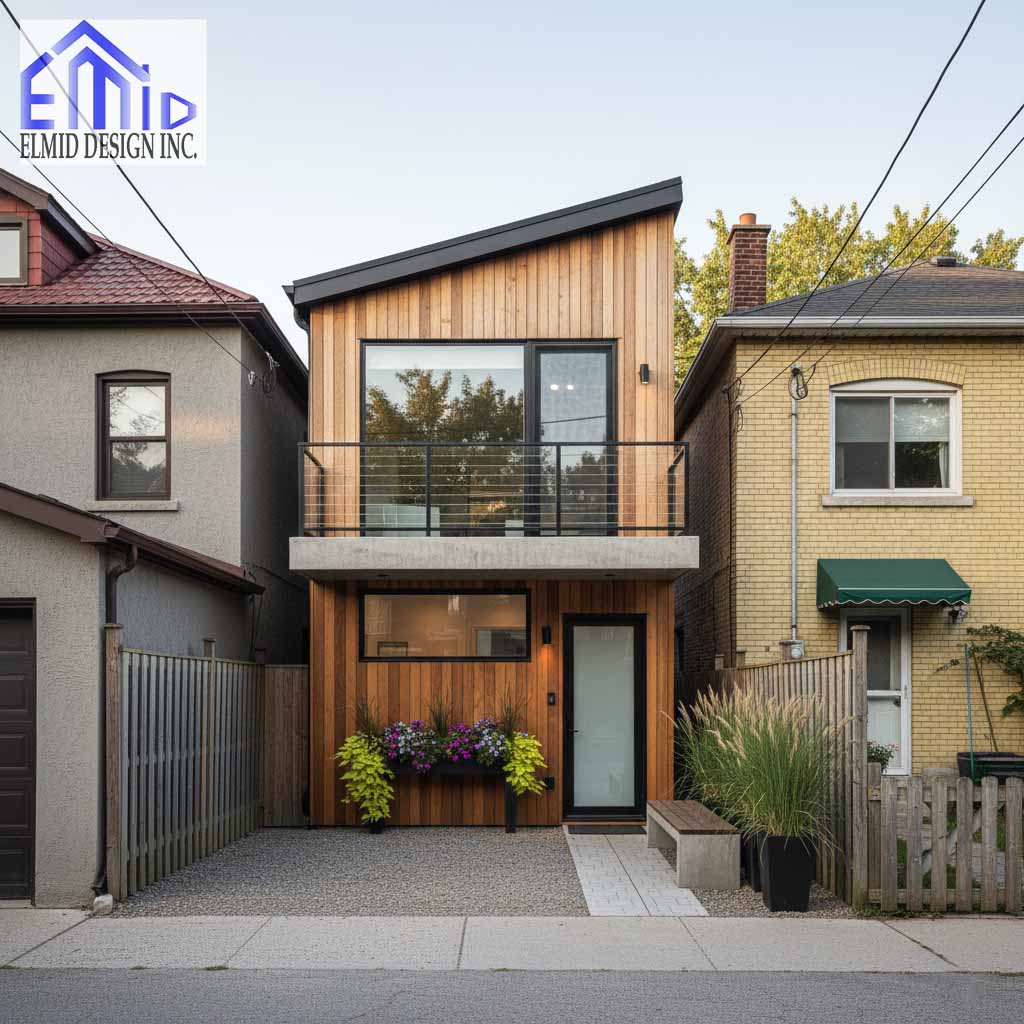
Good design matters because suites must function well while fitting local surroundings. Ontario encourages forms that stay compact yet offer bright and open interiors. Many owners choose simple shapes that reduce cost while improving energy flow. Designers also include efficient layouts because they help small spaces feel calm and practical. Exterior materials often match nearby homes to maintain visual unity. Suites also benefit from thoughtful window placement that brings natural light while keeping privacy high. These choices create warm, modern spaces that support tenants and family members with equal comfort.
Building Code Expectations
Ontario applies clear building code rules that guide all laneway suite projects. These rules protect health, safety and long-term durability. Owners must follow fire separation needs because lanes often place suites close to nearby structures. Municipal inspectors verify safe access and strong structural design. Electrical and plumbing plans must meet current standards and support efficient living. Proper insulation also matters because it improves comfort in changing weather. Designers explain these requirements early to avoid delays during approval. Strong code compliance builds trust and supports smooth progress from design through construction.
Approval Process Across Ontario
Ontario’s approval path includes planning review, zoning confirmation and building permit stages. Each town follows similar steps yet includes important local differences. Owners improve success when they prepare drawings that clearly follow all rules. Many find that early meetings with staff reduce later revisions. Documentation often includes surveys, grading plans and full structural details. Engineers provide needed reports that confirm safe design. Town reviewers study each file to ensure full compliance. Quick responses from owners keep progress steady and help the project reach construction without long delays.
Benefits of Laneway Suites for Ontario Residents
Ontario owners gain strong advantages when they add a laneway suite to their property. Many enjoy extra rental income that supports mortgage goals and long-term stability. Some use suites for family members who need private space while staying close. Communities also benefit because suites increase gentle density without disrupting existing streets. Many neighbourhoods value this approach because it supports affordability and improves land use. Thoughtful designs add charm and help raise overall property value. These shared gains explain why interest continues to rise across Ontario regions.

Construction Planning for Ontario Laneway Suites
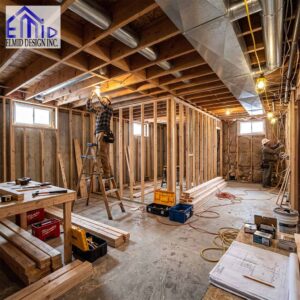
Construction planning shapes every stage of a laneway suite project in Ontario because early choices influence cost and pace. Careful review of structural needs helps owners set clear expectations. Skilled builders study soil strength, lane width and service locations because these details affect many steps. Smooth progress happens when contractors share updates often and adjust methods when site limits appear. Strong communication keeps the project aligned with design goals and prevents avoidable setbacks. Ontario owners gain better results when they choose experienced teams that understand tight urban sites and evolving municipal standards.
Material Selection for Long-Term Quality
Material choices matter greatly because Ontario’s climate demands strength and efficiency. Durable siding performs well in seasonal shifts and therefore protects the suite for many years. Energy-smart windows also improve comfort and help reduce heating costs. Thoughtful flooring and trim maintain charm while resisting daily wear. Designers often guide owners toward balanced solutions that mix value and beauty. Sustainable materials grow in popularity because many residents want greener construction. These choices improve long-term resilience and reduce maintenance needs, which supports better living for tenants and families.
Energy Efficiency and Performance
Energy performance influences comfort and cost, so Ontario owners focus heavily on thoughtful upgrades. High-quality insulation reduces heat loss and supports stable indoor temperatures year-round. Efficient systems also lower monthly bills and create healthier air. Many suites include heat pumps because they offer strong output in smaller spaces. Smart layouts further strengthen airflow and improve natural light. Ontario encourages stronger energy choices because they help reduce overall demand while improving quality of living. These features also raise property value and attract tenants who appreciate modern design.
Accessibility and Interior Comfort
Interior comfort shapes how well a laneway suite supports daily life. Designers create layouts that allow easy movement and simple use of each area. Thoughtful choices improve flexibility and also support aging family members who may need safer access. Wider paths, smooth transitions and smart lighting help create a calm and welcoming space. Ontario owners value these features because they improve long-term function. Storage solutions also increase comfort because they keep rooms open and organized. These details help small spaces feel spacious and relaxing.
Landscaping and Outdoor Design
Outdoor design adds strong value to Ontario laneway suites because it improves both beauty and function. Designers often use simple plants that thrive in local climates and require low upkeep. Small seating zones create private outdoor space and help tenants enjoy fresh air. Pathways shape movement and connect the suite to the main house. Thoughtful grading guides water away from structures and prevents early damage. Many owners choose mixed textures for visual interest while still keeping maintenance low. These choices support curb appeal and strengthen the overall design.
Cost Factors and Budget Planning
Costs vary widely across Ontario because each property brings unique limits and needs. Careful budgets guide owners through decisions that shape long-term value. Early estimates help avoid stress and make room for smart upgrades. Skilled teams explain each major cost so owners understand how labour, materials and approvals shape the final number. Transparent planning builds trust and also keeps progress steady. Many owners include small contingency funds because surprises often appear when work begins. Strong financial planning leads to smoother builds and stronger final results.
Long-Term Maintenance for Ontario Laneway Suites
Long-term care keeps a laneway suite strong through Ontario’s changing climate. Seasonal checks help owners notice issues before they grow. Heating and cooling systems stay efficient when filters and vents remain clean. Exterior surfaces hold their strength when sealed often enough to resist moisture and winter damage. Landscaping also helps because correct grading protects the foundation from pooling water. Many owners enjoy simple upkeep when the design includes durable materials that need only basic care. Reliable maintenance supports comfort, safety and long-term property value.
Noise Control for Comfortable Living
Noise control matters for Ontario laneway suites because many sit close to neighbours. Thoughtful design helps protect indoor comfort and keeps daily routines calmer. Dense wall layers reduce sound transfer and therefore create privacy. Smart window choices also help block street noise and maintain peace. Flooring with strong insulation improves quiet movement for upper layouts. Room placement shapes comfort further by guiding louder activities away from sleeping areas. Many Ontario owners see noise control as essential because it improves living quality in compact spaces.
Safety Features That Strengthen Ontario Laneway Suites
Safety features shape the reliability of each laneway suite across Ontario. Clear exits support fast movement during emergencies. Smoke alarms and carbon monitors protect residents through early detection. Fire-rated walls strengthen barriers between buildings and reduce risk. Safe stairs and firm railings help reduce falls and improve everyday comfort. Good lighting also supports safer nighttime movement around the property. Many owners choose advanced safety upgrades because they increase long-term confidence and support strong inspection outcomes.
Rental and Income Potential in Ontario
Rental value encourages many owners to build a laneway suite in Ontario. Private space appeals to long-term tenants who want calm living close to services. Income supports mortgage goals and raises overall property performance. Thoughtful design increases appeal because comfort and privacy help secure reliable renters. Many towns support rental options and encourage gentle density to ease housing pressure. Good layouts attract stable tenants who appreciate organized space and modern features. These advantages make laneway suites a strong financial tool for Ontario homeowners.
Resale Value Benefits Across Ontario
Resale value often rises when a property includes a well-designed laneway suite. Buyers appreciate flexible space that supports family needs or rental plans. Modern suites create strong appeal because they offer privacy and comfort. Homes with added living space stand out in competitive markets and draw more interest. Durable materials and thoughtful layouts help maintain value across many years. Many Ontario neighbours now view a laneway suite as a premium feature. These benefits motivate owners to invest in smart designs that enhance overall property strength.
How Elmid Design Inc Supports Ontario Laneway Projects
Elmid Design Inc helps owners plan and build laneway suites across Ontario with engineering that meets strict standards. Certified professionals produce structural drawings that satisfy Ontario building codes. Clear guidance also supports zoning checks, energy reviews and safe layout design. Careful planning helps owners move smoothly through permits and inspections. Strong communication during each stage keeps the project organized and predictable. Many Ontario owners choose Elmid Design Inc because experienced engineers create safe, durable and efficient laneway suites.
FAQ Section
What rules control building a laneway suite in Ontario?
Ontario follows provincial code and local zoning rules that shape size, height, placement and access. Every town also adds unique limits. Early review helps owners avoid delays and stay aligned with all standards.
How much space do I need for a laneway suite in Ontario?
Lot size needs vary because each town uses different standards. Many require enough room for safe access, proper grading and clear separation from nearby buildings. A site review helps determine real options.
Can I rent a laneway suite in Ontario?
Many owners rent their laneway suites because towns support added housing supply. Design quality and strong compliance improve rental success. Good layouts attract long-term tenants who value privacy and comfort.
Are laneway suites energy efficient in Ontario?
Laneway suites often reach strong energy performance when built with modern insulation, efficient windows, and balanced ventilation. These features lower costs and create healthier indoor comfort throughout all seasons.
Why do laneway suites add resale value in Ontario?
Laneway suites add resale value because buyers seek flexible space for family, work or rental income. Quality designs strengthen long-term appeal and support strong market performance across Ontario.

Engineering Leadership for Ontario Laneway Suite Projects
Elmid Design Inc delivers trusted engineering services that support safe and efficient laneway suite development across Ontario. The firm holds a Certificate of Authorization from Professional Engineers Ontario, which strengthens confidence and ensures every design follows strict provincial standards. Skilled engineers provide structural planning, code compliance, grading guidance and permit-ready documentation that streamline approval steps. Clear communication and strong technical knowledge help owners build durable, comfortable and compliant laneway suites that perform reliably for many years.
Geographic Locations That We Service:
Our Licensed Professional Engineers specializing in Engineered Site Grading Plans offer the best-engineered site grading plan, lot grading and erosion plan, and drainage plan to obtain site plan approval and building permits in Ontario, including a wide range of municipalities. Each area boasts unique features and requirements, making our tailored approach essential for success.
Toronto and Surrounding Areas
In the vibrant heart of Ontario, we service Toronto (City of Toronto) and surrounding areas. Additionally, we cover Oshawa (City of Oshawa), Pickering (City of Pickering), and Clarington (Municipality of Clarington). Furthermore, our expertise extends to Ajax (Town of Ajax), Whitby (Town of Whitby), Brock (Township of Brock), Scugog (Township of Scugog and Uxbridge (Township of Uxbridge).
Halton Region
Moving to the Halton Region, our services encompass Burlington (City of Burlington) and Halton Hills (Town of Halton Hills). Also included are Milton (Town of Milton) and Oakville (Town of Oakville).
Peel Region
In the Peel Region, we provide services in Brampton (City of Brampton), Mississauga (City of Mississauga), and Caledon (Town of Caledon).
York Region
Our services in the York Region cover Vaughan (City of Vaughan), Aurora (Town of Aurora), and East Gwillimbury (Town of East Gwillimbury). We also cater to Georgina (Town of Georgina), Markham (City of Markham), Newmarket (Town of Newmarket), Richmond Hill (City of Richmond Hill), Whitchurch-Stouffville (Town of Whitchurch-Stouffville), King (Township of King), and Bradford-West Gwillimbury (Town of Bradford-West Gwillimbury). Each municipality here offers a distinct setting, requiring our specialized approach.
Other Southern Ontario Cities and Towns
We also serve many other cities and towns in Southern Ontario. These include Hamilton (City of Hamilton), St. Catharines (City of St. Catharines), Niagara on the Lake (Town of Niagara on the Lake), Brant (County of Brant), Cambridge (City of Cambridge), Kitchener (City of Kitchener), Waterloo (City of Waterloo), and Woodstock (City of Woodstock). Furthermore, we operate in Guelph (City of Guelph), Centre Wellington (Township of Centre Wellington), Shelburne (Town of Shelburne), Orangeville (Town of Orangeville), New Tecumseth (Town of New Tecumseth), Essa (Town of Essa), Collingwood (Town of Collingwood), Wasaga Beach (Town of Wasaga Beach), Barrie (City of Barrie), Midland (Town of Midland), Orillia (City of Orillia), Ramara (Town of Ramara), Minden Hills (Town of Minden Hills), North Kawartha (Town of North Kawartha), Kawartha Lakes (City of Kawartha Lakes), Peterborough (City of Peterborough), Selwyn (Town of Selwyn), and Brighton (Municipality of Brighton).