
A Stormwater Management Brief Oakville helps property owners understand how water moves across their land and how drainage design protects buildings, landscaping, and nearby areas. Many people underestimate how storms affect soil and foundations, yet proper stormwater planning prevents serious problems. Moreover, Oakville requires clear stormwater reports that show safe runoff control and long-term protection. A strong brief explains water flow, soil limits, and design features that guide water toward approved outlets. Homeowners gain safer yards through careful evaluation, and engineers provide solutions that reduce future risks. Additionally, expert support from Elmid Design Inc, authorized by Professional Engineers Ontario, helps projects meet municipal expectations and ensures reliable planning from start to finish.
Importance of a Stormwater Management Brief Oakville
Stormwater affects every property because water follows natural slopes and collects in low areas. Heavy rainfall pushes water toward vulnerable surfaces. Moreover, a Stormwater Management Brief Oakville explains how to control these flows. Homeowners gain confidence because a clear brief reduces flooding risk. Strong stormwater design protects soil, prevents erosion, and keeps basements dry. Additionally, good planning supports healthier landscaping by maintaining balanced moisture levels. Oakville uses firm rules to keep neighborhoods safe, and a strong brief helps meet those rules. This early planning step prevents costly issues and supports long-term stability.
Key Purpose of Stormwater Evaluation
Stormwater evaluation identifies how water behaves during storms and how the land reacts to runoff pressure. The study locates weak spots and outlines areas needing slope improvement. Moreover, a Stormwater Management Brief Oakville uses this evaluation to shape safe drainage solutions. Homeowners learn how water moves across driveways, walkways, and gardens. Additionally, early evaluation supports efficient design because it prevents mistakes later. Strong stormwater evaluation ensures development remains safe, practical, and compliant with town requirements.
How Professionals Start the Stormwater Brief Process
Professionals begin with a complete review of the lot to understand soil limits, natural slopes, and drainage history. This review helps define problem areas before planning starts. Moreover, a Stormwater Management Brief Oakville includes data gathered during this inspection. Engineers also study rainfall amounts and seasonal patterns to predict water movement. Homeowners gain clarity because professionals explain how water interacts with each part of the property. Additionally, early review reduces expensive revisions during construction. Strong groundwork ensures the brief delivers safe and reliable solutions.
Survey Information Used in Stormwater Management Briefs
Accurate survey data forms the base of every stormwater design. Surveys show elevation points, slope direction, and drainage outlets. Moreover, a Stormwater Management Brief Oakville uses these measurements to model runoff behavior. The data helps engineers adjust slopes and improve grading plans. Homeowners understand yard changes better when surveys highlight key features. Additionally, survey information helps prevent errors during construction. This step improves stormwater performance and supports smoother design approval.
Oakville Requirements for Stormwater Reports
Oakville requires stormwater reports to meet specific safety and performance standards. These rules protect homes, streets, and nearby watersheds from uncontrolled runoff. Moreover, a Stormwater Management Brief Oakville follows these requirements to ensure predictable drainage. Homeowners avoid delays because compliant documents move through review faster. These standards also help engineers design systems that stay reliable during strong storms. Additionally, rule compliance improves neighborhood safety. Clear reporting supports both project progress and long-term protection.
Runoff Volume Analysis in Stormwater Management
Runoff volume analysis measures how much water reaches the surface during storms. Larger storms create stronger flows that demand careful planning. Moreover, a Stormwater Management Brief Oakville includes calculations that show expected water amounts. Engineers use these numbers to size channels, swales, and drainage features. Homeowners gain safer outdoor areas because water receives a controlled path. Additionally, strong runoff analysis reduces flood risk and soil damage. This analysis supports dependable stormwater performance.
Soil Testing for Stormwater Management
Soil type determines how quickly water drains and how slopes stay stable. Clay soil drains slowly, while sandy soil drains quickly. Moreover, a Stormwater Management Brief Oakville includes soil testing that guides slope design. Engineers evaluate soil depth, compaction, and saturation. Homeowners enjoy stronger landscapes because grading matches soil needs. Additionally, proper soil testing prevents erosion and supports long-term yard health. Soil awareness strengthens every stormwater decision.
Elevation Mapping in Stormwater Planning
Elevation mapping helps form accurate stormwater designs because surface height controls water direction. Engineers place elevation points to outline safe flow routes. Moreover, a Stormwater Management Brief Oakville uses these points to predict runoff patterns. Homeowners understand changes more clearly when elevation maps appear simple and consistent. Additionally, accurate mapping reduces mistakes during construction. Elevation planning supports predictable drainage and stable yard conditions.
Driveway and Walkway Drainage Within the Brief
Driveways and walkways change how water flows near the home. These surfaces can push water toward garages or front steps without proper grading. Moreover, a Stormwater Management Brief Oakville reviews driveway height and slope to improve drainage. Engineers recommend safe angles that move water away from structures. Homeowners benefit from safer surfaces that dry faster after storms. Additionally, walkway planning reduces slipping risks. These design elements improve everyday use and long-term performance.
Swale and Channel Placement in Stormwater Designs
Swales guide runoff through shallow, shaped channels that protect soil and structures. Engineers place swales where water needs redirection. Moreover, a Stormwater Management Brief Oakville explains swale depth and slope for safe flow. Homeowners gain stronger drainage because swales prevent pooling. Additionally, proper swale placement reduces erosion and supports landscaping health. Swales create reliable pathways that manage heavy rainfall effectively.
Rear Yard Stormwater Strategies
Rear yards often collect the most runoff because they sit lower than front yards. Engineers design slopes that prevent water from gathering near foundations. Moreover, a Stormwater Management Brief Oakville details rear yard grading that supports smooth drainage. Homeowners enjoy cleaner outdoor areas because water moves toward controlled outlets. Additionally, rear yard planning protects gardens and patios. Strong rear yard strategies improve long-term yard function.
Front Yard Stormwater Solutions
Front yards influence both curb appeal and stormwater behavior. Engineers design slopes that move water toward the street while protecting walkways. Moreover, a Stormwater Management Brief Oakville outlines front yard adjustments for safe drainage. Homeowners notice fewer puddles and better walkway conditions. Additionally, front yard planning protects entrances from moisture. These solutions support both safety and appearance.
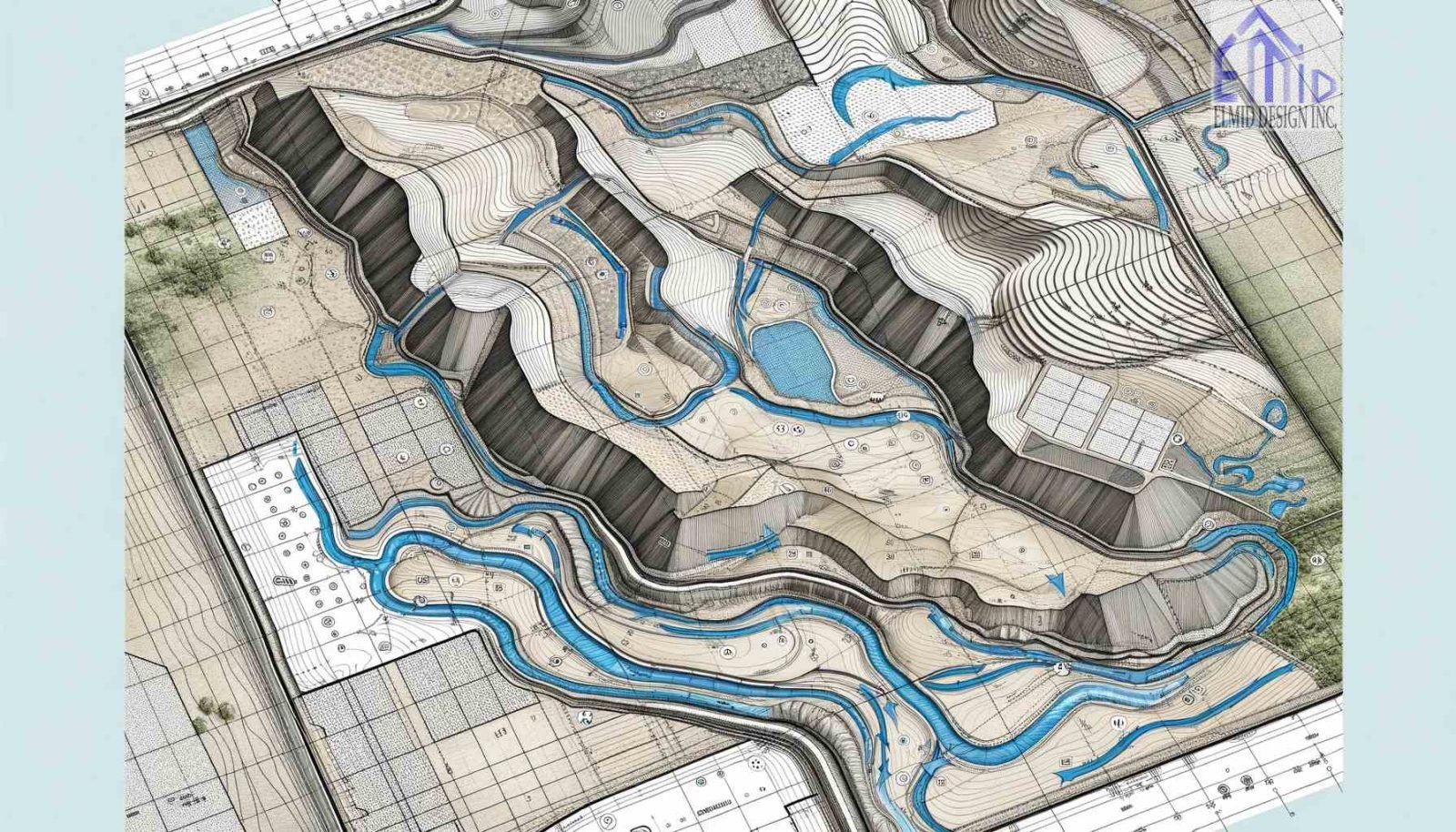
Side Yard Stormwater Design in the Stormwater Management Brief Oakville
Side yards act as narrow corridors that move water between homes and require careful planning to prevent unwanted flow. Engineers study slope direction and height differences before finalizing each design. Moreover, a Stormwater Management Brief Oakville includes detailed side yard drainage paths that maintain safe boundaries. Homeowners gain fewer moisture problems because water follows predictable routes. Additionally, strong side yard strategies protect foundations and fencing materials. This planning step supports consistent drainage across the entire property.
Roof Runoff Evaluation in Stormwater Planning
Roof runoff significantly increases water volume during storms and creates fast-moving flow near walls and walkways. Engineers measure roof area and downspout locations to direct water safely. Moreover, a Stormwater Management Brief Oakville explains how roof runoff connects to grading features and drainage channels. Homeowners gain safer conditions because water moves away from the home quickly. Additionally, proper runoff management protects landscaping and soil. This roof assessment strengthens total drainage performance.
Downspout Placement Reviewed During the Brief
Downspout placement determines how water enters the ground and how it spreads across the yard. Engineers review downspout direction, discharge points, and distance from structures. Moreover, a Stormwater Management Brief Oakville provides recommendations that reduce moisture near foundations. Homeowners notice improved yard conditions because water flows toward safe discharge zones. Additionally, proper downspout planning lowers erosion risk. This feature supports long-term drainage stability.
Flow Direction Mapping Strengthens Stormwater Design
Flow direction mapping identifies how water travels from high areas to low points. Engineers create clear maps that show safe runoff paths. Moreover, a Stormwater Management Brief Oakville uses these maps to avoid conflicts with neighboring properties. Homeowners benefit from accurate flow prediction because water stays within controlled routes. Additionally, mapping reduces future grading errors. This step supports reliable stormwater planning across the site.
Erosion Control Measures in Stormwater Management
Erosion weakens soil and damages landscaping when runoff becomes strong. Engineers design features that slow water and protect exposed areas. Moreover, a Stormwater Management Brief Oakville outlines erosion control methods that improve soil strength. Homeowners enjoy safer ground conditions because erosion becomes less likely. Additionally, erosion control protects gardens, walkways, and outdoor structures. These measures increase long-term surface durability.
Soil Absorption Patterns Considered in the Brief
Soil absorption determines how quickly water enters the ground instead of running across the surface. Engineers test soil behavior to select appropriate drainage strategies. Moreover, a Stormwater Management Brief Oakville evaluates absorption rates to prevent oversaturation. Homeowners benefit from balanced soil moisture that supports healthy plants. Additionally, proper soil planning reduces runoff and erosion. Understanding absorption patterns improves overall stormwater performance.
Foundation Protection Supported by the Stormwater Brief
Foundations require strict drainage controls to reduce moisture pressure. Engineers design slopes and channels that move water away from vulnerable areas. Moreover, a Stormwater Management Brief Oakville recommends measures that limit foundation stress. Homeowners enjoy safer indoor spaces because water stays controlled outdoors. Additionally, strong foundation planning lowers future repair risks. Proper protection increases long-term structural stability.
Landscaping Integration in Stormwater Management
Landscaping affects how water flows, absorbs, and drains across the yard. Engineers review plant locations, garden beds, and hard surfaces before shaping the design. Moreover, a Stormwater Management Brief Oakville coordinates slopes with vegetation needs. Homeowners notice healthier landscapes because water moves predictably and avoids sensitive areas. Additionally, integrated planning protects patios and walkways from runoff. Landscaping alignment strengthens both yard function and appearance.
Construction Oversight During Stormwater Implementation
Construction stages require clear guidance to maintain design accuracy. Engineers support the process by reviewing slopes, surface levels, and channel placement. Moreover, a Stormwater Management Brief Oakville provides directions that prevent mistakes. Homeowners see smoother progress because changes stay consistent with the brief. Additionally, construction oversight avoids drainage failures and costly corrections. This involvement ensures long-term stormwater success.
Long-Term Benefits of a Stormwater Management Brief Oakville
Strong stormwater planning enhances safety, stability, and property value. Proper slopes, channels, and soil strategies protect homes during heavy rainfall. Moreover, a Stormwater Management Brief Oakville supports reliable drainage performance across all seasons. Homeowners enjoy reduced erosion, fewer moisture problems, and healthier landscapes. Additionally, well-planned stormwater systems last longer with minimal maintenance. These long-term benefits show the importance of thorough and accurate stormwater design.
Climate Impacts Considered in a Stormwater Management Brief Oakville
Climate shifts influence how water behaves during storms and how soil responds to increased runoff. Stronger rainfall creates faster flow that requires careful planning. Moreover, a Stormwater Management Brief Oakville includes climate-based adjustments that protect both soil and structures. Homeowners gain safer outdoor areas because climate planning reduces drainage failures. Additionally, climate analysis supports long-term stability by preparing the design for changing weather conditions. This approach strengthens overall stormwater performance.
Seasonal Behaviour Reviewed in Stormwater Design
Seasonal changes alter soil moisture, runoff rates, and drainage paths. Spring meltwater moves quickly across surfaces, while autumn storms produce heavy flows. Professionals study these seasonal patterns before shaping the layout. Moreover, a Stormwater Management Brief Oakville includes seasonal adjustments that keep water under control year-round. Homeowners notice fewer drainage problems because slopes support consistent flow. Additionally, seasonal planning protects landscaping and reduces erosion. This review increases design reliability in every season.
Elevation Refinement Strengthens Stormwater Planning
Elevation accuracy determines how safely water moves across the property. Engineers refine elevation points to support predictable flow. Moreover, a Stormwater Management Brief Oakville uses elevation mapping to improve drainage direction. Homeowners understand expected yard changes because elevations appear clear and logical. Additionally, accurate elevation planning supports proper construction and reduces grading mistakes. This refinement enhances long-term stormwater function and soil strength.
Flow Path Adjustments Included in the Stormwater Brief
Flow paths show how water travels from higher areas to safe discharge points. Engineers use mapping to predict how storms affect the surface. Moreover, a Stormwater Management Brief Oakville includes adjusted flow routes that reduce pooling and surface damage. Homeowners benefit from cleaner and safer yards because water follows controlled paths. Additionally, strong flow design protects landscaping and maintains soil structure. This planning keeps runoff predictable during heavy rainfall.
Retaining Wall Coordination in Stormwater Designs
Retaining walls affect soil pressure and change how water moves across sloped areas. Engineers review wall height and ground structure before finalizing the design. Moreover, a Stormwater Management Brief Oakville includes protective grading that prevents erosion around the wall base. Homeowners experience safer outdoor spaces because water avoids vulnerable zones. Additionally, coordinated wall planning improves drainage efficiency. This approach increases wall durability and soil stability.
Foundation Protection Supported by the Stormwater Brief
Foundations require controlled drainage to prevent moisture pressure and long-term structural damage. Engineers design slopes that move stormwater away from basement walls. Moreover, a Stormwater Management Brief Oakville highlights foundation-focused solutions that support safe water direction. Homeowners appreciate improved indoor health because excess moisture stays outside. Additionally, foundation protection reduces future repair needs. This planning step improves overall property safety.
Landscaping Integration Enhances Stormwater Performance
Landscaping influences water movement, soil absorption, and erosion resistance. Engineers evaluate gardens, patios, and soft surfaces before adjusting slopes. Moreover, a Stormwater Management Brief Oakville includes coordinated grading that protects plant roots and outdoor features. Homeowners benefit from healthier landscapes because water flows predictably. Additionally, integrated design prevents runoff from damaging hard surfaces. This approach strengthens both function and appearance.
Construction Oversight Ensures Stormwater Accuracy
Construction work requires clear direction to maintain the intended drainage pattern. Engineers monitor slope formation and channel placement during key stages. Moreover, a Stormwater Management Brief Oakville supports contractors by offering consistent guidance. Homeowners see smoother progress because errors become less likely. Additionally, oversight reduces costly corrections and improves final results. This involvement ensures long-term stormwater reliability.
Long-Term Value of a Stormwater Management Brief Oakville
Strong stormwater planning increases property safety and reduces long-term maintenance. Reliable slopes and channels protect soil, landscaping, and building structures. Moreover, a Stormwater Management Brief Oakville supports predictable performance through changing weather. Homeowners enjoy fewer drainage issues and healthier outdoor conditions. Additionally, long-term planning improves property value and structural protection. This value reflects the importance of expert stormwater design.
FAQ for Stormwater Management Brief Oakville
What is a Stormwater Management Brief Oakville?
A Stormwater Management Brief Oakville explains how water flows across a property and outlines drainage measures that keep the site safe.
Why do I need a stormwater brief in Oakville?
You need a stormwater brief to prevent flooding, protect soil, support landscaping, and meet local municipal requirements.
Who prepares stormwater management briefs in Oakville?
Licensed engineers prepare these briefs, including firms like Elmid Design Inc authorized by PEO.
How does a stormwater brief improve drainage?
A stormwater brief improves drainage by mapping slopes, channels, and flow routes that move water away from structures.
Does a stormwater management brief help with permits?
Yes, a Stormwater Management Brief Oakville supports permit approval by meeting technical design standards and reducing revision requests.

Engineering Quality Delivered by Elmid Design Inc
Elmid Design Inc provides stormwater design, grading plans, and site engineering supported by authorization from Professional Engineers Ontario. The firm delivers precise reports, clear communication, and reliable technical solutions that help Oakville homeowners meet municipal standards. Clients gain trusted guidance that improves drainage safety, supports smoother permit approval, and strengthens long-term property performance.
Geographic Locations That We Service:
Our Licensed Professional Engineers specializing in Engineered Site Grading Plans offer the best-engineered site grading plan, lot grading and erosion plan, and drainage plan to obtain site plan approval and building permits in Ontario, including a wide range of municipalities. Each area boasts unique features and requirements, making our tailored approach essential for success.
Toronto and Surrounding Areas
In the vibrant heart of Ontario, we service Toronto (City of Toronto) and surrounding areas. Additionally, we cover Oshawa (City of Oshawa), Pickering (City of Pickering), and Clarington (Municipality of Clarington). Furthermore, our expertise extends to Ajax (Town of Ajax), Whitby (Town of Whitby), Brock (Township of Brock), Scugog (Township of Scugog and Uxbridge (Township of Uxbridge).
Halton Region
Moving to the Halton Region, our services encompass Burlington (City of Burlington) and Halton Hills (Town of Halton Hills). Also included are Milton (Town of Milton) and Oakville (Town of Oakville).
Peel Region
In the Peel Region, we provide services in Brampton (City of Brampton), Mississauga (City of Mississauga), and Caledon (Town of Caledon).
York Region
Our services in the York Region cover Vaughan (City of Vaughan), Aurora (Town of Aurora), and East Gwillimbury (Town of East Gwillimbury). We also cater to Georgina (Town of Georgina), Markham (City of Markham), Newmarket (Town of Newmarket), Richmond Hill (City of Richmond Hill), Whitchurch-Stouffville (Town of Whitchurch-Stouffville), King (Township of King), and Bradford-West Gwillimbury (Town of Bradford-West Gwillimbury). Each municipality here offers a distinct setting, requiring our specialized approach.
Other Southern Ontario Cities and Towns
We also serve many other cities and towns in Southern Ontario. These include Hamilton (City of Hamilton), St. Catharines (City of St. Catharines), Niagara on the Lake (Town of Niagara on the Lake), Brant (County of Brant), Cambridge (City of Cambridge), Kitchener (City of Kitchener), Waterloo (City of Waterloo), and Woodstock (City of Woodstock). Furthermore, we operate in Guelph (City of Guelph), Centre Wellington (Township of Centre Wellington), Shelburne (Town of Shelburne), Orangeville (Town of Orangeville), New Tecumseth (Town of New Tecumseth), Essa (Town of Essa), Collingwood (Town of Collingwood), Wasaga Beach (Town of Wasaga Beach), Barrie (City of Barrie), Midland (Town of Midland), Orillia (City of Orillia), Ramara (Town of Ramara), Minden Hills (Town of Minden Hills), North Kawartha (Town of North Kawartha), Kawartha Lakes (City of Kawartha Lakes), Peterborough (City of Peterborough), Selwyn (Town of Selwyn), and Brighton (Municipality of Brighton).