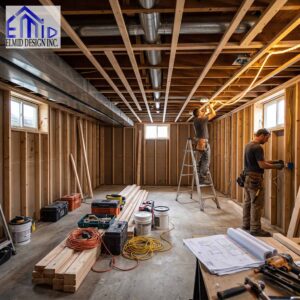
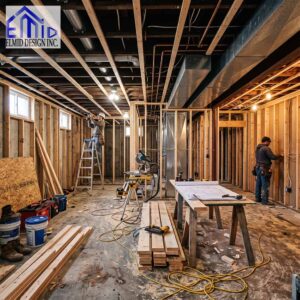
A Toronto renovation permit helps homeowners complete projects safely while following city rules that protect structure, health, and long term comfort. Many homeowners begin updates without understanding how permits shape design choices and timelines, yet learning these steps prevents major stress. Moreover, careful planning improves approval speed because each detail matches zoning rules and building code standards. Skilled engineering support also reduces errors and offers clarity at every step. Additionally, homeowners gain confidence when trusted professionals prepare accurate drawings and guide permit decisions. Teams at Elmid Design Inc authorized by Professional Engineers Ontario help homeowners meet each requirement safely.
Purpose of a Toronto Renovation Permit
A Toronto renovation permit protects people and property from unsafe changes. Renovations may affect structure, fire safety, or indoor comfort. Moreover, the city uses permit controls to prevent dangerous work before problems appear. Homeowners gain safer results because each update follows clear rules. This planning strengthens long term building health. Additionally, permits support accurate documentation for future buyers. A strong permit process improves every renovation.
Why Renovations Require a Permit in Toronto
Renovations change building systems and layout features that may affect safety. Engineers evaluate these changes to prevent failure. Moreover, a Toronto renovation permit confirms that each modification follows reviewed standards. Homeowners avoid major risks because unsafe ideas get corrected early. This prevents structural trouble later. Additionally, city review protects neighbours from hazardous conditions. Careful oversight improves overall community safety.
First Steps in Preparing a Permit Application
Planning begins with a full review of project goals. Engineers examine layout changes, system updates, and zoning needs. Moreover, early preparation helps shape the final Toronto renovation permit package. Homeowners understand their responsibilities because requirements become explained clearly. This improves accuracy and reduces revisions. Additionally, proper preparation speeds up review. Good planning supports stronger renovation outcomes.
Zoning Rules Affecting Renovation Permits
Zoning rules control height, placement, and property coverage. Renovations must respect these limits before approval. Moreover, a Toronto renovation permit cannot move forward until zoning issues match local expectations. Homeowners gain clarity because zoning checks reveal design limits. This prevents costly redesigns during review. Additionally, zoning compliance protects neighbourhood character. Proper zoning work strengthens intentional renovation planning.
Building Code Standards Within Renovation Permits
Building code rules protect health, safety, and system performance. Renovations must follow these rules to prevent unsafe results. Moreover, a Toronto renovation permit requires full code compliance before any construction. Homeowners avoid dangerous conditions because code issues become fixed quickly. This planning improves comfort and stability. Additionally, code adherence reduces inspection troubles. Strong code planning supports smooth renovation work.
Structural Changes and Permit Needs
Structural changes affect load paths, framing, and foundation behaviour. Engineers evaluate these changes to confirm safe performance. Moreover, a Toronto renovation permit requires structural drawings for any major change. Homeowners appreciate this step because structural risks become removed early. This prevents costly repairs. Additionally, structural planning improves building life. Proper engineering strengthens long term success.
Architectural Drawings for Renovation Approval
Architectural drawings show layout, dimensions, materials, and interior flow. These drawings help reviewers understand planned work. Moreover, a Toronto renovation permit depends on accurate architectural documents. Homeowners gain project clarity because drawings show each update clearly. This reduces confusion during construction. Additionally, clear drawings improve review speed. Strong documentation enhances renovation quality.
Mechanical Design Considerations in Renovations
Mechanical systems manage airflow and comfort. Renovations often change equipment, vents, or airflow paths. Moreover, a Toronto renovation permit requires mechanical details for many updates. Homeowners enjoy cleaner air because design improvements prevent moisture issues. This supports healthy living space. Additionally, strong mechanical planning increases efficiency. Careful system design improves year round comfort.
Plumbing Modifications Requiring Permit Review
Plumbing changes affect drainage, water pressure, and fixture placement. Engineers refine layouts to prevent leaks or blockages. Moreover, a Toronto renovation permit includes plumbing review for many projects. Homeowners avoid water damage because poor layouts get corrected early. This reduces long term repair costs. Additionally, strong plumbing planning supports smoother inspections. Proper design strengthens system performance.
Electrical Upgrades Within Renovation Permits
Electrical systems require safe wiring, balanced circuits, and code compliant protection. Renovations often modify outlets, lighting, or circuit paths. Moreover, a Toronto renovation permit requires electrical planning for many upgrades. Homeowners enjoy safer conditions because hazards become prevented. This reduces fire risk. Additionally, proper layouts improve inspection success. Good electrical design supports dependable system performance.
Survey Information Supporting Renovation Planning
Survey data shows boundaries, structures, and site elevations. Renovations use this information to avoid property conflicts. Moreover, a Toronto renovation permit may require recent survey details for exterior changes. Homeowners gain certainty because property limits remain clear. This prevents disputes during construction. Additionally, survey accuracy improves grading and drainage planning. Strong data supports safe renovation design.
Grading Considerations in Renovation Projects
Grading changes affect water flow and soil stability. Renovations that alter exterior surfaces require careful slope planning. Moreover, a Toronto renovation permit may include grading review for outdoor updates. Homeowners avoid flooding because proper grading directs water away. This protects structures from moisture. Additionally, thoughtful grading improves landscaping performance. Proper slope planning strengthens overall property health.
Energy Efficiency Requirements Affecting Permits
Energy efficiency rules improve comfort and reduce waste. Renovations often change insulation, windows, or mechanical equipment. Moreover, a Toronto renovation permit checks energy efficiency for compliance. Homeowners save money because efficient design reduces energy loss. This improves indoor comfort every season. Additionally, efficiency planning increases property value. Strong energy work supports modern renovation goals.
Importance of Clear Renovation Planning Documents
Renovation documents explain design intent and safety strategy. Reviewers depend on these details to understand each change. Moreover, a Toronto renovation permit moves faster when documents remain clear and complete. Homeowners avoid delays because the package answers reviewer questions. This improves workflow. Additionally, strong documentation prevents misunderstandings. Careful planning supports successful renovations.

Fire Safety Requirements That Influence Renovation Permits
Fire safety rules protect homes from dangerous conditions that may arise during renovations. Engineers examine exits, alarms, and fire-rated details to confirm safe layouts. Moreover, a Toronto renovation permit reviews these elements to prevent fire risks. Homeowners gain safer spaces because dangerous issues become corrected early. This improves long term protection. Additionally, strong fire planning helps inspectors approve work faster. Careful fire review strengthens every renovation.
Accessibility Standards Considered During Renovation Approval
Accessibility rules ensure that renovated spaces remain usable for all occupants. Engineers study clear paths, proper door widths, and safe circulation. Moreover, a Toronto renovation permit checks accessibility needs to ensure designs meet current standards. Homeowners enjoy better function because layouts follow practical guidelines. This limits future obstacles. Additionally, accessibility planning supports inclusive design. Strong design choices improve comfort for everyone.
Environmental Considerations That Affect Renovation Permits
Environmental planning focuses on healthy air, safe materials, and sustainable choices. Engineers review how each renovation affects long term performance. Moreover, a Toronto renovation permit checks environmental factors to protect occupants and property. Homeowners benefit from healthier indoor conditions because harmful risks become removed. This enhances comfort throughout the home. Additionally, environmental planning supports energy efficiency. Responsible design strengthens project quality.
Renovation Drawings Required for Permit Success
Renovation drawings show dimensions, materials, and updated layouts. Engineers prepare these drawings to meet code and zoning rules. Moreover, a Toronto renovation permit depends on clear drawings that explain each update. Homeowners see their project fully because drawings reveal every detail. This reduces confusion during construction. Additionally, strong drawings help reviewers understand design intent. Proper documentation supports smooth approval.
Coordination Between Structural and Architectural Plans
Structural planning must match the architectural layout to avoid conflicts. Engineers check framing, loads, and wall placement with each design change. Moreover, a Toronto renovation permit requires proper coordination between all disciplines. Homeowners avoid costly errors because mismatches become corrected early. This improves project efficiency. Additionally, well-aligned drawings support accurate construction. Strong coordination improves renovation success.
Mechanical System Planning During Renovation Review
Mechanical updates change airflow, heating, and indoor comfort. Engineers review duct paths, ventilation needs, and equipment upgrades. Moreover, a Toronto renovation permit may require mechanical drawings to ensure safe system performance. Homeowners enjoy healthier air because proper ventilation reduces moisture issues. This supports year-round comfort. Additionally, accurate mechanical planning boosts energy efficiency. Good system design improves long term reliability.
Plumbing System Changes That Affect Permit Requirements
Plumbing alterations influence water pressure, drainage speed, and vent performance. Engineers adjust layouts to prevent leaks and blockages. Moreover, a Toronto renovation permit reviews plumbing updates to ensure safe operation. Homeowners protect their property because risks become resolved early. This minimizes future repairs. Additionally, well-planned plumbing improves system lifespan. Careful design improves functional quality.
Electrical System Upgrades Requiring Permit Review
Electrical updates involve new circuits, lighting changes, and safe wiring. Engineers design each layout to prevent hazards. Moreover, a Toronto renovation permit includes electrical review to ensure safe installation. Homeowners gain peace of mind because electrical risks become removed. This reduces fire concerns. Additionally, strong electrical planning simplifies inspection stages. Proper design supports reliable system performance.
Site Planning Needs Connected to Renovation Permits
Site conditions affect drainage, grading, and outdoor function. Exterior renovations require proper planning to maintain safe conditions. Moreover, a Toronto renovation permit may require updated site information to confirm correct placement. Homeowners avoid property issues because boundaries and slopes remain clear. This prevents drainage problems during construction. Additionally, good site planning improves overall project coordination. Accurate planning supports effective renovations.
Communication Between Designers and Reviewers
Communication shapes the approval speed and accuracy of every renovation. Engineers respond quickly to reviewer questions and offer needed updates. Moreover, a Toronto renovation permit moves faster when communication stays clear. Homeowners appreciate strong guidance because issues receive fast solutions. This prevents delays during review. Additionally, open communication supports smoother construction. Effective dialogue strengthens project outcomes.
Pre-Construction Planning Informed by Permit Needs
Pre-construction planning prepares contractors to follow approved documents. Engineers explain load paths, inspection timing, and system changes. Moreover, a Toronto renovation permit gives direction for every construction stage. Homeowners enjoy predictable results because planning reduces confusion. This supports steady progress. Additionally, early preparation lowers the risk of errors. Solid planning improves renovation success.
Inspection Requirements During Renovation Work
Inspection stages confirm that renovation work follows approved plans. Inspectors check structural framing, plumbing, electrical systems, and safety features. Moreover, a Toronto renovation permit includes clear inspection steps for compliance. Homeowners gain reassurance because inspectors review each stage. This reduces hidden risks. Additionally, proper inspection planning leads to stronger final results. Strong oversight supports safe renovations.
Climate Factors That Influence Renovation Decisions
Climate conditions affect material performance, indoor comfort, and long term durability. Engineers study rainfall patterns, frost cycles, and temperature shifts when planning renovations. Moreover, a Toronto renovation permit reflects climate needs that help prevent moisture damage. Homeowners gain better results because climate issues become addressed early. This reduces structural stress during seasonal changes. Additionally, climate planning improves material selection. Careful review supports stronger renovation outcomes.
Seasonal Impacts Considered During Renovation Planning
Seasonal changes influence soil movement, drainage flow, and energy needs. Engineers use seasonal patterns to refine safe layout decisions. Moreover, a Toronto renovation permit considers seasonal effects that may shape construction timing. Homeowners avoid unnecessary delays because weather risks remain understood. This improves renovation efficiency. Additionally, planning for seasonal behaviour increases building resilience. Thoughtful review supports stable year-round performance.
Elevation Changes Affect Renovation Permit Requirements
Elevation planning ensures proper drainage and stable construction. Engineers adjust grade levels to protect structures from water problems. Moreover, a Toronto renovation permit may require elevation updates for exterior work. Homeowners gain clearer expectations because elevation drawings show slope behaviour. This prevents harmful pooling near foundations. Additionally, accurate elevation planning strengthens outdoor performance. Good elevation control supports long term stability.
Drainage Path Design Supporting Renovation Safety
Drainage paths control water flow across the property. Engineers refine slopes and surface patterns to prevent flooding. Moreover, a Toronto renovation permit reviews drainage paths to confirm safe water movement. Homeowners maintain healthier yards because water follows planned routes. This protects foundations from moisture. Additionally, controlled drainage improves landscape durability. Good drainage work supports reliable renovations.
Retaining Wall Needs Within Renovation Permits
Retaining walls support soil and protect sloped areas. Engineers calculate pressure loads and choose proper materials. Moreover, a Toronto renovation permit may require retaining wall details for exterior changes. Homeowners stay protected because wall risks become identified early. This prevents soil failure. Additionally, strong wall design enhances outdoor safety. Proper planning supports safe structural performance.
Foundation Planning Linked to Renovation Approvals
Foundations carry structural weight and require strong design. Engineers evaluate soil, moisture, and load conditions before renovation work. Moreover, a Toronto renovation permit may include foundation review when changes affect structural support. Homeowners gain confident results because risks become corrected quickly. This reduces long term structural issues. Additionally, careful foundation planning increases building strength. Strong design supports safe renovations.
Landscaping Considerations Reviewed in Renovation Permits
Landscaping affects grading patterns, soil health, and drainage flow. Engineers plan slopes and soft areas to improve water control. Moreover, a Toronto renovation permit may require landscape details for outdoor changes. Homeowners avoid harmful erosion because slopes support proper drainage. This protects outdoor surfaces. Additionally, well-planned landscaping improves property function. Proper landscape design supports long term outdoor stability.
Construction Oversight Improving Renovation Compliance
Construction oversight ensures that each step follows approved documents. Engineers check progress and guide corrections. Moreover, a Toronto renovation permit benefits from oversight that prevents unsafe choices. Homeowners gain reliable results because issues receive fast attention. This protects renovation quality. Additionally, oversight supports smooth inspections. Strong monitoring improves final performance.
Long-Term Benefits of Permit-Guided Renovation Planning
Permit-guided planning strengthens safety, comfort, and property value. Renovations follow tested rules that protect long term performance. Moreover, a Toronto renovation permit safeguards homeowners from unsafe construction decisions. This promotes stable neighbourhood development. Additionally, strong planning reduces future maintenance needs. Careful preparation supports lasting renovation success.
FAQ for Toronto Renovation Permit
What is a Toronto renovation permit?
A Toronto renovation permit authorizes renovation work that affects structure, safety, or building systems and confirms compliance with city rules.
Why do I need a Toronto renovation permit?
You need a Toronto renovation permit to ensure safe renovations, avoid legal issues, and follow required building and zoning standards.
Who prepares drawings for a Toronto renovation permit?
Licensed engineers, including teams at Elmid Design Inc authorized by Professional Engineers Ontario, prepare renovation drawings.
When does a renovation require a Toronto permit?
A renovation requires a permit when it affects structure, plumbing, electrical systems, mechanical systems, or overall building safety.
How long does a Toronto renovation permit take?
Processing time depends on drawing quality, project scope, reviewer workload, and needed corrections, though accurate submissions move faster.

Engineering Expertise Delivered by Elmid Design Inc
Elmid Design Inc provides structural design, grading plans, stormwater reporting, and complete permit documentation with authorization from Professional Engineers Ontario. The firm supports homeowners and builders through accurate engineering work, strong safety planning, and clear guidance that improves approval success across Toronto. Clients receive dependable expertise that enhances project quality, strengthens compliance, and supports long-term property performance.
Geographic Locations That We Service:
Our Licensed Professional Engineers specializing in Engineered Site Grading Plans offer the best-engineered site grading plan, lot grading and erosion plan, and drainage plan to obtain site plan approval and building permits in Ontario, including a wide range of municipalities. Each area boasts unique features and requirements, making our tailored approach essential for success.
Toronto and Surrounding Areas
In the vibrant heart of Ontario, we service Toronto (City of Toronto) and surrounding areas. Additionally, we cover Oshawa (City of Oshawa), Pickering (City of Pickering), and Clarington (Municipality of Clarington). Furthermore, our expertise extends to Ajax (Town of Ajax), Whitby (Town of Whitby), Brock (Township of Brock), Scugog (Township of Scugog and Uxbridge (Township of Uxbridge).
Halton Region
Moving to the Halton Region, our services encompass Burlington (City of Burlington) and Halton Hills (Town of Halton Hills). Also included are Milton (Town of Milton) and Oakville (Town of Oakville).
Peel Region
In the Peel Region, we provide services in Brampton (City of Brampton), Mississauga (City of Mississauga), and Caledon (Town of Caledon).
York Region
Our services in the York Region cover Vaughan (City of Vaughan), Aurora (Town of Aurora), and East Gwillimbury (Town of East Gwillimbury). We also cater to Georgina (Town of Georgina), Markham (City of Markham), Newmarket (Town of Newmarket), Richmond Hill (City of Richmond Hill), Whitchurch-Stouffville (Town of Whitchurch-Stouffville), King (Township of King), and Bradford-West Gwillimbury (Town of Bradford-West Gwillimbury). Each municipality here offers a distinct setting, requiring our specialized approach.
Other Southern Ontario Cities and Towns
We also serve many other cities and towns in Southern Ontario. These include Hamilton (City of Hamilton), St. Catharines (City of St. Catharines), Niagara on the Lake (Town of Niagara on the Lake), Brant (County of Brant), Cambridge (City of Cambridge), Kitchener (City of Kitchener), Waterloo (City of Waterloo), and Woodstock (City of Woodstock). Furthermore, we operate in Guelph (City of Guelph), Centre Wellington (Township of Centre Wellington), Shelburne (Town of Shelburne), Orangeville (Town of Orangeville), New Tecumseth (Town of New Tecumseth), Essa (Town of Essa), Collingwood (Town of Collingwood), Wasaga Beach (Town of Wasaga Beach), Barrie (City of Barrie), Midland (Town of Midland), Orillia (City of Orillia), Ramara (Town of Ramara), Minden Hills (Town of Minden Hills), North Kawartha (Town of North Kawartha), Kawartha Lakes (City of Kawartha Lakes), Peterborough (City of Peterborough), Selwyn (Town of Selwyn), and Brighton (Municipality of Brighton).