

Lot grading King City property owners require plays a major role in drainage performance, site stability, and long-term property protection. Proper grading controls surface water, protects foundations, and helps maintain compliance with municipal requirements. Since every property contains unique elevations and drainage conditions, professional grading design supports effective water management and reduces future risks. Moreover, lot grading influences landscaping, driveways, walkways, and building performance throughout the life of a property. Property owners who understand lot grading requirements early often avoid costly drainage problems and project delays. Therefore, proper planning, accurate engineering design, and quality construction remain essential for successful development in King City.
What Is Lot Grading in King City?
Lot grading refers to the process of shaping land elevations to manage drainage and improve site functionality. Engineers establish grades that guide water away from structures while maintaining practical relationships between site features. Since rainfall creates runoff across every property, grading helps control water movement and reduce drainage concerns. Furthermore, lot grading supports safe development by preventing water accumulation near buildings and neighboring lands. Proper grading design balances drainage performance with site usability, creating conditions that support long-term property maintenance. Consequently, lot grading remains one of the most important aspects of residential and commercial development.
Why Lot Grading Matters
Proper lot grading protects buildings, landscaping, and infrastructure from water-related damage. Water that collects near foundations can create structural concerns and increase maintenance costs. Additionally, uncontrolled runoff may cause erosion, ponding, and drainage conflicts with adjacent properties. Effective grading directs water toward approved drainage outlets while supporting overall site stability. Since drainage problems often become expensive to correct, property owners benefit from proactive grading design. Therefore, lot grading contributes directly to property protection, regulatory compliance, and long-term value.
Understanding Surface Water Flow
Surface water naturally follows the lowest available path across a property. Engineers study existing slopes and elevations to understand how runoff currently moves through the site. Next, they design grading solutions that improve drainage performance after construction. Because even minor elevation changes affect water movement, detailed analysis remains important throughout the design process. Proper drainage routes reduce standing water while protecting buildings and outdoor spaces. As a result, surface water management forms a core objective of every lot grading project.
Lot Grading and Foundation Protection
Foundation protection begins with proper drainage around the building perimeter. Water that remains near foundations may contribute to moisture infiltration and long-term deterioration. Therefore, engineers create positive drainage conditions that move runoff away from structures quickly. In addition, proper grading helps reduce hydrostatic pressure against foundation walls. Since foundation repairs often involve significant expense, effective grading delivers long-term value. Consequently, foundation protection remains one of the primary reasons municipalities require proper lot grading.
New Home Lot Grading Requirements
New home construction often requires detailed lot grading plans before building permits receive approval. Engineers coordinate grading design with architectural drawings and site development requirements. Furthermore, they establish finished grades that support drainage objectives while maintaining site functionality. Since new homes alter existing site conditions significantly, proper grading becomes essential for compliance and performance. Municipal reviewers carefully examine grading plans to ensure drainage remains safe and effective. Therefore, lot grading represents a critical component of every successful residential development project.
Existing Property Grading Issues
Many homeowners discover grading problems after noticing water accumulation around their property. Ponding, soggy lawns, and basement moisture often indicate drainage deficiencies. Engineers evaluate site conditions and identify grading improvements that support better water movement. Additionally, corrective grading can improve outdoor usability and reduce maintenance concerns. Since drainage issues rarely resolve without intervention, early action often prevents more serious problems. Effective grading solutions help restore proper site performance and protect property investments.
Positive Drainage and Site Performance
Positive drainage means water flows away from structures without creating areas of ponding. Engineers design grading systems that encourage continuous runoff toward approved discharge locations. Because standing water can damage landscapes and building components, positive drainage remains a key design objective. Moreover, proper drainage improves site usability during wet weather conditions. Reliable grading performance also reduces maintenance demands over time. Therefore, positive drainage plays a central role in successful lot grading projects throughout King City.
Drainage Swales and Water Control
Drainage swales provide shallow channels that direct runoff safely across a property. Engineers often incorporate swales when natural drainage patterns require additional control measures. These features move water efficiently while reducing erosion and ponding risks. Furthermore, swales integrate well with landscaping and other site improvements. Since gravity drives water movement through swales, they offer a practical and reliable drainage solution. Consequently, drainage swales frequently appear in residential grading designs.
Landscaping and Lot Grading
Landscaping and grading must work together to achieve long-term site performance. Trees, gardens, patios, and other features can influence drainage patterns significantly. Engineers consider these elements when preparing grading designs to ensure proper water management. Additionally, landscaping can support erosion control and improve overall site appearance. Since poorly planned landscaping may interfere with drainage, coordination remains important throughout the project. Effective integration creates a property that performs well while maintaining visual appeal.
Driveways and Drainage Design
Driveways influence drainage because their hard surfaces generate runoff during rainfall events. Engineers evaluate driveway slopes and elevations to prevent water from flowing toward buildings. Furthermore, grading design helps direct runoff toward appropriate drainage outlets. Since driveway construction often changes existing drainage conditions, proper planning becomes essential. Effective grading reduces ponding and improves site functionality during heavy rainfall. Consequently, driveway design forms an important part of many lot grading projects.
Walkways and Outdoor Living Areas
Walkways, patios, and outdoor living spaces require careful grading to remain safe and functional. Engineers establish slopes that support drainage while maintaining user comfort. Additionally, proper grading helps protect these features from water damage and premature deterioration. Since outdoor spaces contribute to property value and enjoyment, drainage performance remains important. Well-planned grading improves durability while reducing maintenance requirements. Therefore, grading design supports both functionality and long-term property enhancement.
Soil Conditions and Grading Design
Soil characteristics influence how water moves through a property. Engineers evaluate soil conditions when developing grading solutions because drainage performance depends on site-specific factors. Some soils drain quickly, while others retain moisture for longer periods. Furthermore, soil stability affects grading design and construction methods. Since different soil types create different challenges, engineers tailor solutions accordingly. Proper analysis supports more effective drainage management and long-term site stability.
Erosion Prevention Through Proper Grading
Erosion can damage landscapes, expose soil, and reduce property usability. Engineers use grading techniques that control runoff and minimize erosion risks. Additionally, stable slopes help maintain site integrity during heavy rainfall events. Since erosion may affect neighboring properties and infrastructure, prevention remains a priority. Proper grading promotes long-term stability while protecting valuable site features. Consequently, erosion control remains an important objective in lot grading design.
Retaining Walls and Grade Transitions
Retaining walls help manage elevation differences where traditional grading solutions may not work. Engineers evaluate site conditions and determine when retaining structures provide the most effective solution. Furthermore, retaining walls often require drainage considerations to ensure long-term performance. Since these structures influence both stability and water movement, professional design remains important. Proper integration supports safe grade transitions and improved site functionality. Therefore, retaining walls often complement lot grading strategies on challenging properties.
Lot Grading for Custom Homes
Custom homes frequently require detailed grading analysis because each property presents unique opportunities and constraints. Engineers establish grading plans that support drainage while coordinating with building design and landscaping objectives. Additionally, custom home projects often involve larger lots and more complex site conditions. Since every design differs, grading solutions require careful consideration and planning. Effective coordination improves project efficiency while supporting regulatory compliance. Consequently, lot grading becomes a key component of custom home development.
The Importance of Accurate Surveys
Accurate survey information forms the foundation of every successful grading design. Surveyors provide detailed measurements that allow engineers to understand existing site conditions. Engineers then use this data to develop drainage strategies and proposed elevations. Since inaccurate information may create construction challenges, reliable surveys remain essential. Furthermore, precise measurements support smoother approvals and improved project coordination. Therefore, survey accuracy directly influences grading plan quality and performance.
Professional Engineering Support for Lot Grading
Professional engineering services help property owners navigate technical and regulatory requirements with confidence. Engineers analyze site conditions, prepare grading plans, and support permit applications throughout the development process. Moreover, professional guidance helps identify issues before they affect construction schedules or project budgets. Companies such as Elmid Design Inc provide engineering expertise for lot grading, drainage design, and site development projects. Holding a Certificate of Authorization from Professional Engineers Ontario demonstrates a commitment to professional standards and quality service. Consequently, experienced engineering support contributes significantly to successful lot grading outcomes.
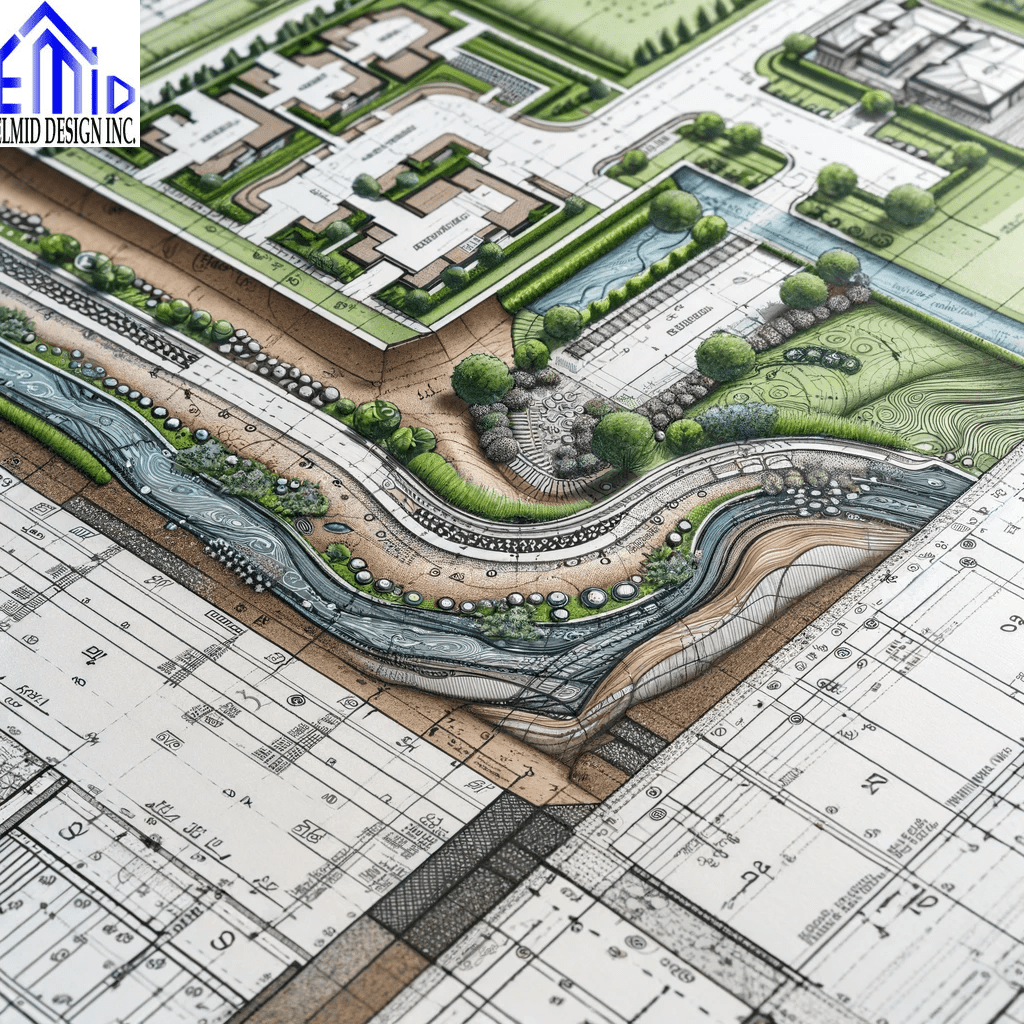
Lot Grading Permit Requirements in King City
Lot grading King City projects often require review before construction begins. Municipal authorities assess grading proposals to ensure proper drainage and site compatibility. Since land alterations can affect neighboring properties, permit requirements help reduce future drainage concerns. Engineers prepare drawings that demonstrate compliance with applicable standards and development requirements. Moreover, complete submissions often move through the review process more efficiently. Therefore, property owners should understand grading obligations before starting construction activities.
The Lot Grading Design Process
Engineers begin the grading process by reviewing survey information and existing site conditions. Next, they analyze drainage patterns and identify project objectives. Afterward, they establish proposed elevations that support proper water movement across the property. Because every site contains unique conditions, grading solutions require careful planning and technical evaluation. Furthermore, engineers coordinate grading with buildings, driveways, and landscape features. This approach helps create practical and compliant drainage solutions.
Site Analysis Before Grading Design
Site analysis provides essential information that guides grading decisions throughout the project. Engineers examine topography, drainage routes, existing structures, and neighboring elevations before developing design recommendations. Additionally, they evaluate potential constraints that may affect grading options. Since drainage performance depends on understanding current conditions, detailed analysis remains important. Accurate site evaluation supports efficient design and reduces unexpected challenges during construction. Consequently, site analysis forms a critical part of every grading project.
Common Lot Grading Challenges
Many properties present challenges that require creative engineering solutions. Steep slopes, limited drainage outlets, and irregular lot shapes often complicate grading design. Furthermore, existing structures may restrict grading opportunities in certain areas. Engineers balance drainage performance with practical construction considerations throughout the design process. Because each property differs, solutions must address site-specific conditions. Effective planning helps overcome challenges while supporting project goals and regulatory compliance.
Lot Grading for Sloped Properties
Sloped properties often require additional grading considerations because water moves more quickly across uneven terrain. Engineers design grading systems that manage runoff while maintaining site stability. Moreover, they evaluate erosion risks and identify measures that improve long-term performance. Since steep grades can increase drainage challenges, careful planning remains essential. Proper grading helps control water movement while protecting valuable site features. Therefore, sloped lots benefit significantly from professional engineering involvement.
Managing Runoff on Residential Lots
Runoff management plays an important role in maintaining property performance and drainage efficiency. Engineers design grading systems that direct water away from structures and toward approved drainage locations. Additionally, they evaluate how rainfall affects different areas of the property. Since unmanaged runoff can cause erosion and ponding, proactive planning remains important. Effective grading supports safer drainage conditions throughout the year. Consequently, runoff management remains a central objective of residential lot grading.
Lot Grading and Stormwater Control
Stormwater control focuses on managing water generated during rainfall events. Engineers analyze site conditions and develop grading strategies that reduce drainage risks. Furthermore, they consider how development activities affect runoff patterns and site performance. Since stormwater can impact neighboring properties and infrastructure, effective management remains essential. Proper grading helps control water movement while supporting environmental responsibility. Therefore, stormwater planning contributes directly to successful site development.
Drainage Solutions for Low Areas
Low areas often collect water because surrounding grades direct runoff toward those locations. Engineers identify these conditions and develop grading solutions that improve drainage performance. Additionally, they may incorporate swales or other drainage features when necessary. Since standing water can damage landscapes and reduce property usability, corrective action often becomes necessary. Effective grading helps eliminate ponding and restore proper water movement. As a result, low areas receive special attention during grading design.
Lot Grading and Property Drainage Systems
Property drainage systems work alongside grading to improve water management. Engineers coordinate grading elevations with drainage infrastructure to achieve reliable performance. Moreover, proper integration helps prevent water accumulation during heavy rainfall events. Since drainage systems function best when supported by effective grading, coordination remains important. Well-designed solutions reduce maintenance concerns while improving site functionality. Consequently, grading and drainage systems must operate together successfully.
Construction Considerations for Lot Grading
Construction teams must follow grading plans carefully to achieve the intended drainage results. Contractors use approved elevations to shape the site according to engineering requirements. Furthermore, regular communication helps resolve field issues before they affect project outcomes. Since grading performance depends on accurate implementation, attention to detail remains essential. Proper construction practices support compliance and long-term site success. Therefore, grading projects require coordination between engineers and contractors.
Inspection and Grading Compliance
Inspections help confirm that completed grading matches approved design documents. Municipal authorities may review site conditions to verify compliance with grading requirements. Additionally, engineers sometimes perform site observations during construction. Since grading affects drainage performance, inspections provide an important quality control measure. Proper compliance reduces future concerns and supports successful project completion. Consequently, inspections play a valuable role in the development process.
Lot Grading and Neighboring Properties
Grading design must consider neighboring properties because drainage changes can affect surrounding lands. Engineers evaluate runoff patterns to prevent water from creating adverse impacts beyond the project boundary. Moreover, thoughtful planning helps maintain positive relationships between property owners. Since drainage disputes often arise from improper grading, prevention remains the preferred approach. Effective design protects both the subject property and nearby lands. Therefore, neighboring conditions influence many grading decisions.
Correcting Existing Lot Grading Problems
Existing grading problems often require targeted improvements that restore proper drainage. Engineers assess site conditions and identify practical solutions for water management concerns. Furthermore, corrective grading can improve landscape performance and reduce maintenance requirements. Since drainage issues frequently worsen over time, early intervention provides significant benefits. Proper grading improvements help protect structures and outdoor spaces. Consequently, corrective work often improves overall property performance.
Seasonal Effects on Lot Grading
Seasonal weather conditions influence how grading systems perform throughout the year. Heavy rainfall, snowmelt, and freeze-thaw cycles can affect drainage patterns on residential properties. Engineers consider these conditions when designing grading solutions. Additionally, durable grading systems accommodate changing weather without losing effectiveness. Since seasonal variations create different drainage demands, long-term planning remains important. Effective grading supports reliable performance in every season.
Benefits of Early Grading Planning
Early grading planning allows property owners to identify challenges before construction begins. Engineers evaluate site conditions and develop solutions before design decisions become difficult to change. Moreover, early planning improves coordination between consultants and project stakeholders. Since grading influences many aspects of site development, proactive preparation often reduces delays. Strong planning supports better project outcomes and more efficient approvals. Therefore, early grading evaluation delivers lasting advantages for property owners.
Lot Grading Cost in King City
Lot grading cost in King City depends on several factors that influence design complexity and engineering effort. Property size often affects the amount of analysis required during project development. Additionally, drainage challenges, topography, and existing site conditions can increase project scope. Since every property differs, engineers evaluate each site individually before providing recommendations. Early planning helps property owners understand project requirements and avoid unexpected expenses. Therefore, accurate site information supports more reliable budgeting and project preparation.
Factors That Affect Lot Grading Design
Several factors influence lot grading design and drainage performance across residential properties. Engineers review existing elevations, drainage routes, soil conditions, and proposed development plans. Furthermore, neighboring properties may affect grading decisions because runoff patterns extend beyond property boundaries. Since grading impacts many site features, careful evaluation remains essential throughout the design process. Proper analysis helps create practical solutions that balance functionality and compliance. Consequently, site-specific conditions drive most grading decisions.
Residential Lot Grading for New Developments
Residential developments require effective grading to support safe drainage and long-term site performance. Engineers establish grading elevations that coordinate with buildings, driveways, and outdoor spaces. Moreover, grading design helps manage runoff generated during rainfall events. Since new development changes natural drainage conditions, proper planning remains important. Effective grading reduces future maintenance concerns while supporting regulatory compliance. Therefore, residential projects benefit from professional engineering guidance during design and construction.
Site Development and Lot Grading
Site development relies on proper lot grading because drainage influences every stage of construction. Engineers coordinate grading with servicing, landscaping, and building design requirements. Additionally, grading supports site functionality by creating practical relationships between different property features. Since drainage performance affects long-term usability, careful planning remains essential. Strong coordination between project disciplines improves efficiency and reduces conflicts. Consequently, grading plays a central role in successful site development.
Lot Grading and Municipal Standards
Municipal standards help ensure that development projects maintain safe and effective drainage conditions. Engineers prepare grading designs that align with applicable requirements and project objectives. Furthermore, compliance helps reduce drainage concerns that could affect surrounding properties. Since municipalities review grading plans carefully, detailed engineering documentation remains important. Proper planning supports smoother approvals and stronger project outcomes. Therefore, compliance forms a key part of every lot grading project.
Benefits of Professional Lot Grading Services
Professional lot grading services provide technical expertise that improves drainage performance and project success. Engineers evaluate site conditions and develop solutions that address property-specific challenges. Moreover, professional guidance helps property owners navigate regulatory requirements with greater confidence. Since grading influences both safety and functionality, experienced support offers significant value. Effective engineering solutions reduce risks while supporting long-term property protection. Consequently, professional involvement often improves project efficiency and performance.
Lot Grading and Property Maintenance
Proper grading contributes to easier property maintenance because effective drainage reduces water-related concerns. Landscapes perform better when runoff moves efficiently across the site. Additionally, buildings and outdoor features experience less exposure to standing water. Since drainage affects many aspects of property ownership, proactive grading remains important. Effective site design helps reduce maintenance costs over time. Therefore, proper grading supports both convenience and long-term property care.
Water Management for Large Residential Lots
Large residential lots often require more detailed drainage analysis because runoff travels greater distances across the property. Engineers evaluate elevation changes and identify drainage routes that support effective water management. Furthermore, larger properties may contain multiple drainage challenges that require coordinated solutions. Since water movement varies across different site areas, comprehensive planning remains essential. Proper grading helps maintain drainage performance throughout the property. Consequently, large lots benefit from detailed engineering review.
Improving Backyard Drainage Through Lot Grading
Backyard drainage problems often develop when grading directs water toward low areas or structures. Engineers assess existing conditions and recommend grading improvements that support better runoff control. Additionally, proper drainage enhances outdoor usability and landscape health. Since standing water can limit property enjoyment, corrective grading often provides significant benefits. Effective solutions help restore functionality while reducing maintenance concerns. Therefore, backyard drainage improvements remain a common reason for lot grading projects.
Lot Grading and Long-Term Property Protection
Long-term property protection depends heavily on proper drainage management. Engineers create grading designs that move water away from vulnerable areas and support site stability. Moreover, effective grading reduces risks associated with erosion, moisture intrusion, and landscape damage. Since drainage issues can worsen over time, preventive planning remains important. Proper grading helps preserve both structural integrity and property value. Consequently, long-term protection remains a major objective of every grading project.
Why Experience Matters in Lot Grading Projects
Experienced engineers understand how grading decisions affect drainage, construction, and long-term site performance. They identify potential challenges early and develop practical solutions that support project goals. Furthermore, experienced professionals navigate regulatory requirements more efficiently. Since grading projects often involve complex site conditions, technical knowledge provides important advantages. Strong engineering expertise helps reduce risks while improving overall project quality. Therefore, experience remains a valuable asset during lot grading projects.
Engineering Expertise for Lot Grading in King City
Professional engineering expertise supports successful grading projects from planning through construction. Engineers analyze site conditions, prepare grading plans, and coordinate with project stakeholders throughout the process. Additionally, they help ensure drainage solutions meet technical and regulatory requirements. Elmid Design Inc provides professional engineering services for lot grading, drainage design, and site development projects across Ontario. Holding a Certificate of Authorization from Professional Engineers Ontario reflects a commitment to quality, professionalism, and engineering excellence. Consequently, property owners benefit from reliable technical support and practical design solutions.
FAQ
What is lot grading in King City?
Lot grading in King City involves shaping land elevations to manage drainage and direct water away from buildings and outdoor features.
Why is lot grading important?
Proper lot grading helps prevent drainage problems, protects foundations, reduces erosion, and improves long-term property performance.
When do I need a lot grading plan?
You may need a lot grading plan for new homes, additions, pools, retaining walls, or major landscaping projects.
Who prepares a lot grading plan?
Professional engineers typically prepare lot grading plans using survey information, drainage analysis, and site development requirements.
Can lot grading solve drainage issues?
Yes, proper lot grading often improves drainage by directing runoff away from problem areas and reducing water accumulation.
How long does a lot grading project take?
Project timelines depend on site complexity, survey availability, municipal review requirements, and construction schedules.
Does lot grading affect neighboring properties?
Yes, grading changes can influence runoff patterns, so engineers consider surrounding properties during design.
What information appears on a lot grading plan?
A lot grading plan typically shows elevations, drainage directions, structures, property boundaries, and proposed site improvements.
Why should I hire a professional engineer for lot grading?
Professional engineers provide technical expertise, regulatory knowledge, and practical drainage solutions that support successful project outcomes.
How does proper lot grading protect my property?
Proper grading moves water away from structures, reduces erosion risks, improves drainage performance, and supports long-term property protection.

Trusted Engineering Expertise for Lot Grading in King City
Elmid Design Inc. provides professional engineering services for lot grading, drainage design, site development, and permit support in King City and throughout Ontario. Our team prepares accurate grading plans that help manage surface water, protect foundations, and meet municipal requirements. Backed by a Certificate of Authorization from Professional Engineers Ontario, we deliver practical engineering solutions tailored to each property’s unique conditions. Through technical expertise and careful planning, we help homeowners, builders, and developers achieve efficient approvals and reliable long-term site performance.
Geographic Locations That We Service:
Our Licensed Professional Engineers specializing in Engineered Site Grading Plans offer the best-engineered site grading plan, lot grading and erosion plan, and drainage plan to obtain site plan approval and building permits in Ontario, including a wide range of municipalities. Each area boasts unique features and requirements, making our tailored approach essential for success.
Toronto and Surrounding Areas
In the vibrant heart of Ontario, we service Toronto (City of Toronto) and surrounding areas. Additionally, we cover Oshawa (City of Oshawa), Pickering (City of Pickering), and Clarington (Municipality of Clarington). Furthermore, our expertise extends to Ajax (Town of Ajax), Whitby (Town of Whitby), Brock (Township of Brock), Scugog (Township of Scugog and Uxbridge (Township of Uxbridge).
Halton Region
Moving to the Halton Region, our services encompass Burlington (City of Burlington) and Halton Hills (Town of Halton Hills). Also included are Milton (Town of Milton) and Oakville (Town of Oakville).
Peel Region
In the Peel Region, we provide services in Brampton (City of Brampton), Mississauga (City of Mississauga), and Caledon (Town of Caledon).
York Region
Our services in the York Region cover Vaughan (City of Vaughan), Aurora (Town of Aurora), and East Gwillimbury (Town of East Gwillimbury). We also cater to Georgina (Town of Georgina), Markham (City of Markham), Newmarket (Town of Newmarket), Richmond Hill (City of Richmond Hill), Whitchurch-Stouffville (Town of Whitchurch-Stouffville), King (Township of King), and Bradford-West Gwillimbury (Town of Bradford-West Gwillimbury). Each municipality here offers a distinct setting, requiring our specialized approach.
Other Southern Ontario Cities and Towns
We also serve many other cities and towns in Southern Ontario. These include Hamilton (City of Hamilton), St. Catharines (City of St. Catharines), Niagara on the Lake (Town of Niagara on the Lake), Brant (County of Brant), Cambridge (City of Cambridge), Kitchener (City of Kitchener), Waterloo (City of Waterloo), and Woodstock (City of Woodstock). Furthermore, we operate in Guelph (City of Guelph), Centre Wellington (Township of Centre Wellington), Shelburne (Town of Shelburne), Orangeville (Town of Orangeville), New Tecumseth (Town of New Tecumseth), Essa (Town of Essa), Collingwood (Town of Collingwood), Wasaga Beach (Town of Wasaga Beach), Barrie (City of Barrie), Midland (Town of Midland), Orillia (City of Orillia), Ramara (Town of Ramara), Minden Hills (Town of Minden Hills), North Kawartha (Town of North Kawartha), Kawartha Lakes (City of Kawartha Lakes), Peterborough (City of Peterborough), Selwyn (Town of Selwyn), and Brighton (Municipality of Brighton).