
A grading plan King City property owners need for new construction, additions, pools, and major landscaping projects serves as a critical document that guides drainage and site development. Since water management directly affects foundations, neighboring properties, and municipal infrastructure, local authorities carefully review grading designs before approving many projects. Moreover, a properly prepared grading plan helps control runoff, reduce erosion, and prevent costly drainage problems after construction. Because every site contains unique elevations and drainage conditions, professional engineering analysis remains essential throughout the approval process. As a result, property owners who understand grading requirements early can avoid delays, improve project efficiency, and achieve a smoother permit experience while protecting the long-term performance of their property.
What Is a Grading Plan in King City?
A grading plan King City engineers prepare shows existing and proposed elevations across a property while illustrating how surface water will flow after construction. The plan uses survey information, property boundaries, building locations, drainage patterns, and design elevations to demonstrate compliance with municipal requirements. During the review process, municipal staff examine the proposed grading to ensure runoff does not create negative impacts on neighboring lands or public infrastructure. Because construction often changes natural drainage conditions, grading plans help establish safe water flow patterns before work begins. Therefore, this document becomes one of the most important engineering drawings for residential and commercial development projects throughout King City.
Why Grading Plans Are Important
A grading plan protects both the property owner and surrounding properties by directing water away from structures and toward approved drainage outlets. Without proper grading, runoff may accumulate near foundations, create erosion, damage landscaping, or contribute to basement moisture problems. Furthermore, poor drainage often leads to disputes between neighboring property owners when water flows onto adjacent lands. Since correcting grading problems after construction can become expensive, municipalities require proper engineering review before development begins. Consequently, a professionally designed grading plan reduces future risks while helping maintain the safety, value, and functionality of the property for many years.
Projects That Require a Grading Plan
Many development projects require a grading plan because they alter existing elevations or affect drainage patterns. New custom homes frequently require engineered grading because construction changes the natural ground surface and introduces new roof drainage systems. In addition, swimming pools, detached garages, retaining walls, driveway expansions, and large additions often trigger grading review requirements. Significant landscaping projects may also require grading plans when they involve major changes to site elevations. Since every project affects drainage differently, property owners should confirm requirements during the early planning stages. This approach helps avoid redesign costs and supports a more efficient approval process.
Existing Site Conditions and Survey Information
Survey information forms the foundation of every grading plan because engineers need accurate measurements before preparing design elevations. A topographic survey identifies existing grades, structures, trees, drainage features, and property boundaries across the site. Engineers then analyze this information to understand current drainage patterns and identify potential challenges. Because grading designs depend on accurate site data, reliable survey information reduces errors and improves project coordination. Furthermore, precise measurements help ensure construction follows approved plans while maintaining compliance with municipal requirements. Therefore, survey information remains one of the most important components of the grading design process.
Drainage Design and Water Management
Drainage design represents the primary purpose of a grading plan because proper water management protects buildings and infrastructure from damage. Engineers evaluate existing slopes, proposed construction, and surrounding conditions to create safe drainage patterns across the site. Surface water should move away from structures and flow toward approved drainage locations whenever possible. Meanwhile, grading designs must also consider neighboring properties to prevent negative impacts beyond the project boundaries. Since heavy rainfall events can generate significant runoff, engineers carefully analyze drainage routes before finalizing the design. As a result, effective drainage planning contributes directly to long-term property performance and regulatory compliance.
Proposed Elevations and Site Grading
Proposed elevations determine how the finished property will function after construction. Engineers establish grading elevations that support drainage objectives while maintaining practical relationships between buildings, driveways, walkways, and landscaped areas. Because small elevation changes can significantly affect water flow, grading calculations require careful attention throughout the design process. In addition, engineers must balance drainage performance with site usability and aesthetic considerations. Properly designed elevations help eliminate low areas where water may collect while promoting positive drainage away from structures. Therefore, proposed grading remains one of the most important elements of every grading plan King City project.
Foundation Protection Through Proper Grading
Foundation protection depends heavily on proper grading because uncontrolled water can create serious structural concerns over time. When runoff accumulates near a building, moisture may affect foundation walls, increase hydrostatic pressure, and contribute to basement water infiltration. Therefore, engineers design grading patterns that direct water away from structures immediately after rainfall events. In many cases, positive drainage around the building perimeter provides the first line of defense against moisture-related issues. Since foundation repairs often involve substantial costs, proper grading delivers long-term value by reducing risk and improving overall building performance. Consequently, grading design plays a major role in protecting residential and commercial investments.
Swales and Surface Drainage Features
Swales help manage surface runoff by providing controlled drainage paths across a property. These shallow channels guide water toward approved discharge locations while reducing the risk of ponding and erosion. Engineers frequently incorporate swales into grading plans when natural drainage patterns require additional control measures. Because swales operate using gravity, they provide an efficient and reliable method for managing runoff. Furthermore, properly designed swales integrate effectively with landscaping and other site features. As a result, they often become an important component of grading plans for residential developments in King City.
Retaining Walls and Grade Changes
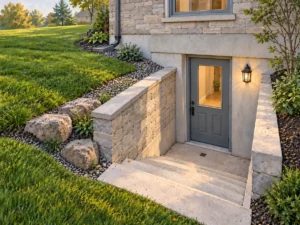
Retaining walls often become necessary when a property contains significant elevation differences or when development requires grade modifications. These structures help stabilize soil while creating usable space on challenging sites. However, retaining walls also influence drainage patterns and therefore require careful engineering review. Engineers evaluate wall height, soil conditions, drainage requirements, and surrounding grades before finalizing the design. Because retaining walls can affect neighboring properties and site stability, municipalities frequently require professional engineering involvement. Consequently, retaining wall projects often include grading plans that demonstrate safe and effective drainage management.
Grading Plans for Custom Homes
Custom home projects almost always require grading plans because new construction significantly alters existing site conditions. Engineers coordinate grading design with architectural drawings, servicing plans, and municipal requirements to create a complete development package. During this process, they establish finished floor elevations, driveway slopes, drainage routes, and overall site grading relationships. Since custom homes often involve unique lot conditions, each grading plan requires site-specific analysis. Furthermore, proper coordination between design disciplines helps avoid construction conflicts and approval delays. Therefore, grading plans remain a critical component of successful custom home development in King City.
The Role of Professional Engineers
Professional engineers play a vital role in grading plan preparation because they apply technical expertise to drainage analysis and site design. Their work helps ensure compliance with applicable regulations while protecting public safety and property performance. Engineering firms evaluate site conditions, review survey information, prepare grading drawings, and respond to municipal comments throughout the approval process. Companies such as Elmid Design Inc, which holds a Certificate of Authorization from Professional Engineers Ontario, provide professional engineering services that support grading and drainage projects throughout Ontario. As development requirements continue to evolve, experienced engineering guidance helps property owners navigate technical and regulatory challenges more effectively.

Grading Permit Requirements in King City
A grading plan King City project often forms part of a larger permit submission package. Municipal reviewers examine grading details to confirm that drainage remains safe and functional after construction. Since site changes can affect nearby properties, authorities require clear engineering drawings before approving many developments. Moreover, permit reviews help identify potential drainage concerns before construction begins. Early planning reduces delays because engineers can address comments before contractors mobilize on site. Consequently, property owners who prepare complete submissions often experience a more efficient approval process.
The Grading Plan Approval Process
The approval process begins when engineers collect site information and review project requirements. Next, survey data supports the preparation of grading drawings and drainage calculations. Municipal staff then review the submission and provide comments when necessary. Because each property presents different conditions, review timelines may vary depending on project complexity. Engineers respond to technical comments and revise drawings when required. As a result, collaboration between property owners, consultants, and reviewers helps move projects toward approval more efficiently.
Common Grading Plan Challenges
Many properties contain unique features that complicate grading design and drainage management. Steep slopes, limited drainage outlets, mature trees, and neighboring elevation differences often create challenges. Furthermore, existing structures may restrict available grading options. Engineers must balance drainage performance with site functionality while maintaining compliance with municipal standards. Since each challenge requires a practical solution, detailed site analysis remains essential throughout the design process. Therefore, experienced engineering input often improves both approval success and construction outcomes.
Understanding Lot Grading Compliance
Lot grading compliance ensures that finished construction matches approved engineering drawings. During construction, contractors follow grading elevations established within the design documents. Municipal inspections may verify that completed work meets approved requirements before final acceptance. Because drainage performance depends on accurate implementation, even minor deviations can affect site conditions. Property owners should therefore ensure contractors understand grading requirements before work begins. Proper coordination helps reduce corrective work while supporting successful project completion.
Grading Plans for Residential Additions
Residential additions frequently affect drainage patterns because they increase building footprint and alter runoff conditions. Engineers evaluate how the addition interacts with existing grades and surrounding site features. Furthermore, they determine whether drainage improvements become necessary to maintain proper water flow. Since every property contains unique constraints, grading solutions vary from one project to another. Careful planning helps protect both the existing structure and neighboring lands. Consequently, grading plans often become an important component of residential addition approvals.
Grading Plans for Swimming Pools
Swimming pool construction changes site conditions through excavation, decking, and surrounding landscape modifications. Therefore, engineers evaluate how these changes influence drainage across the property. Proper grading prevents runoff from flowing toward the pool area while maintaining safe drainage around nearby structures. Additionally, grading designs help reduce erosion and standing water after heavy rainfall. Because pool projects often involve substantial site changes, municipalities frequently require engineering review. Effective grading design supports both project approval and long-term site performance.
Stormwater Management Considerations
Stormwater management focuses on controlling runoff generated during rainfall events. Engineers analyze site conditions and design drainage systems that manage water safely and efficiently. Although smaller projects may not require extensive stormwater facilities, proper runoff control remains important. Furthermore, changing weather patterns increase the need for reliable drainage solutions. Engineers therefore consider both existing conditions and future performance when developing grading plans. Strong stormwater management practices help protect buildings, landscapes, and surrounding infrastructure.
Construction Phase Grading Implementation
Construction crews play a major role in achieving grading plan compliance. Contractors must understand approved elevations and drainage requirements before site work begins. Throughout construction, grading activities should follow engineering drawings carefully. Regular communication between contractors and consultants helps address issues before they become larger problems. Since field conditions sometimes differ from design assumptions, timely review remains important. Effective implementation ensures that the finished property performs as intended after project completion.
Avoiding Drainage Disputes Between Neighbors
Drainage disputes often occur when site changes direct water toward adjacent properties. Therefore, grading plans must consider impacts beyond property boundaries. Engineers analyze runoff patterns and design drainage solutions that minimize potential conflicts. Moreover, proper grading protects relationships between neighboring property owners while supporting regulatory compliance. Since disputes can lead to costly corrective work, proactive drainage planning delivers significant value. Thoughtful engineering design helps create long-term drainage stability throughout the surrounding area.
Erosion Control and Site Stability
Erosion can damage landscapes, expose soil, and reduce the effectiveness of drainage systems. Engineers address these concerns by designing stable slopes and controlled drainage paths. Additionally, vegetation and other site improvements often support long-term erosion protection. Because uncontrolled erosion may affect neighboring lands and infrastructure, prevention remains a key design objective. Proper grading promotes stability while reducing maintenance requirements over time. Consequently, erosion control forms an important part of responsible site development.
Factors That Influence Grading Plan Costs
Several factors influence grading plan costs, including lot size, project complexity, survey requirements, and drainage conditions. Larger properties generally require more detailed analysis and design work. Likewise, challenging topography may increase engineering effort. Municipal review requirements can also affect the overall scope of services. Since every project differs, accurate pricing depends on site-specific conditions. Property owners benefit when they discuss project goals early because clear information supports more accurate planning and budgeting.
Choosing a Professional Engineering Firm
Selecting the right engineering consultant can significantly affect project success. Experienced firms understand local requirements, drainage principles, and approval procedures. Furthermore, strong communication helps property owners navigate technical and regulatory challenges more efficiently. Companies such as Elmid Design Inc provide grading plan services supported by professional engineering expertise and a Certificate of Authorization from Professional Engineers Ontario. Because grading design directly affects property performance, qualified engineering involvement often creates long-term value. Careful consultant selection supports smoother approvals and stronger project outcomes.
Future Value of Proper Grading Design
Proper grading design delivers benefits long after construction ends because effective drainage protects both structures and landscapes. Well-designed sites typically experience fewer drainage concerns and lower maintenance demands. Moreover, buyers often value properties that demonstrate professional planning and responsible development practices. Since water management remains one of the most important aspects of site performance, investing in quality grading design can reduce future risks. Strong engineering solutions help support durability, functionality, and long-term property value throughout the life of the development.
Why Property Owners Should Plan Early
Early planning gives property owners more flexibility when developing grading solutions. Engineers can evaluate site conditions before design decisions create unnecessary constraints. Additionally, early coordination improves communication between consultants, contractors, and municipal reviewers. Because grading affects many aspects of site development, proactive planning often reduces delays and redesign costs. Property owners who address grading requirements from the beginning usually achieve smoother project delivery. Effective preparation creates a stronger foundation for successful development throughout King City.
Lot Grading Plan King City Requirements
A lot grading plan King City property owners submit must demonstrate safe drainage across the entire site. Engineers review elevations, drainage routes, and neighboring conditions before creating the design. Since each lot contains different characteristics, grading solutions often vary significantly. Moreover, municipal reviewers expect clear drainage patterns that prevent runoff issues. Proper planning helps ensure compliance while supporting long-term site performance. Therefore, property owners should address grading requirements during the earliest project stages to avoid unnecessary revisions and delays.
Drainage Plan King City for Residential Properties
A drainage plan King City homeowners require focuses on managing surface water around structures and landscaped areas. Engineers analyze slopes, elevations, and drainage outlets before preparing recommendations. Furthermore, drainage planning helps reduce risks associated with ponding, erosion, and foundation moisture. Since water follows the path of least resistance, proper grading remains essential for effective drainage control. Careful engineering design improves property performance while helping maintain compliance with local requirements. Consequently, drainage planning remains a critical part of responsible residential development.
Site Grading Plan King City for New Construction
A site grading plan King City projects require provides a complete overview of proposed site elevations and drainage conditions. Engineers coordinate grading information with building design, servicing requirements, and municipal standards. Additionally, they evaluate how construction activities affect existing drainage patterns across the property. Because site grading influences every stage of development, accurate planning remains essential. Strong coordination between project consultants improves efficiency and reduces approval challenges. As a result, site grading plans support both technical compliance and successful project execution.
Grading Engineer King City Services
A grading engineer King City property owners hire evaluates site conditions and develops practical drainage solutions. Professional engineering services often include grading design, permit support, drainage analysis, and construction review. Furthermore, engineers help identify potential issues before they affect project timelines. Since grading impacts property performance for many years, technical expertise provides substantial value. Experienced consultants understand local requirements and site development practices. Therefore, professional engineering involvement often contributes directly to smoother approvals and stronger project outcomes.
Grading Plan Cost King City Factors
Grading plan cost King City projects incur depends on several site-specific factors. Property size, topography, drainage complexity, and survey requirements often influence engineering effort. Additionally, projects involving retaining walls or challenging drainage conditions may require more detailed analysis. Since no two properties share identical conditions, pricing varies between projects. Early discussions with engineering consultants help establish realistic expectations and budgets. Consequently, property owners benefit when they define project scope before beginning design work.
Building Permit Applications and Grading Plans
Building permit applications often require supporting grading information before authorities approve construction. Engineers prepare drawings that demonstrate compliance with drainage and elevation requirements. Moreover, permit reviewers examine grading details to ensure development will not create adverse impacts. Because drainage performance affects public and private interests, authorities carefully review grading submissions. Proper documentation helps reduce review comments and approval delays. Therefore, coordinated permit planning supports a more efficient development process.
Existing Drainage Problems and Property Improvements
Many property owners seek grading plans after experiencing drainage problems around their homes. Standing water, wet lawns, and foundation moisture often indicate grading deficiencies. Engineers investigate site conditions and identify practical solutions that improve drainage performance. Furthermore, grading improvements can enhance property usability and reduce maintenance concerns. Since drainage issues rarely disappear without corrective action, proactive planning often delivers better long-term results. Effective grading design helps restore proper water movement across the property.
Grading Plans and Property Value
Proper grading contributes to property value because buyers often prefer sites with effective drainage systems. Well-designed grading reduces risks associated with water damage and landscape deterioration. Additionally, professionally engineered drainage solutions demonstrate responsible property maintenance. Since drainage concerns can affect buyer confidence, proper grading often supports stronger market appeal. Long-term site performance also benefits from thoughtful engineering design. Therefore, grading improvements frequently provide value beyond regulatory compliance.
Professional Engineering Expertise in Site Development
Professional engineering expertise supports every phase of grading plan development. Engineers evaluate technical requirements, analyze drainage conditions, and prepare compliant design documents. Furthermore, they coordinate with surveyors, architects, and contractors throughout the project lifecycle. Companies such as Elmid Design Inc provide engineering services supported by a Certificate of Authorization from Professional Engineers Ontario. Since grading directly affects safety and site functionality, qualified engineering involvement remains an important investment. Strong technical guidance helps property owners make informed development decisions.
Long-Term Benefits of a Proper Grading Plan King City
A proper grading plan King City property owners implement delivers benefits for many years after construction. Effective drainage helps protect foundations, landscaping, hardscaping, and outdoor living spaces. Moreover, proper grading reduces maintenance demands and improves overall property performance. Since weather conditions continue to challenge site drainage systems, reliable design remains essential. Engineers create grading solutions that balance functionality, compliance, and durability. Consequently, property owners gain confidence that their investment will perform as intended.
FAQ
What is a grading plan in King City?
A grading plan in King City shows existing and proposed site elevations while explaining how surface water will drain after construction. Engineers prepare these plans to support permit approvals and proper site development.
Why do I need a grading plan for my project?
You may need a grading plan because construction can change drainage patterns and site elevations. Municipal authorities often require grading information before approving development projects.
Who can prepare a grading plan in King City?
Professional engineers with experience in site development and drainage design typically prepare grading plans. Qualified engineering firms ensure compliance with applicable requirements.
How much does a grading plan cost in King City?
Grading plan costs depend on lot size, project complexity, topography, survey requirements, and drainage conditions. Each property requires individual review before accurate pricing becomes available.
Can I build without a grading plan?
Some projects may not require a grading plan, while others cannot proceed without one. Property owners should confirm requirements before beginning design or construction.
How long does grading plan preparation take?
Preparation time depends on survey availability, project scope, and site complexity. Simple projects often require less time than developments with challenging conditions.
What information appears on a grading plan?
A grading plan usually includes existing elevations, proposed elevations, drainage directions, property boundaries, structures, and other relevant site features.
Do swimming pools require grading plans?
Many swimming pool projects require grading plans because excavation and surrounding improvements can affect drainage patterns. Local requirements may vary depending on project scope.
Can a grading plan solve drainage problems?
A professionally designed grading plan often helps address drainage issues by improving water flow and reducing ponding. Engineers evaluate site conditions before recommending solutions.
Why should I hire a professional engineering firm?
Professional engineering firms provide technical expertise, regulatory knowledge, and design experience. Their involvement helps improve compliance, reduce risks, and support successful project delivery.

Professional Engineering Solutions for Grading Plans in King City
Elmid Design Inc. provides professional engineering services for grading plans, drainage design, site development, and permit applications in King City and across Ontario. Backed by a Certificate of Authorization from Professional Engineers Ontario, our team delivers accurate engineering drawings that support municipal approvals and effective site drainage. Through practical design solutions and strong technical expertise, we help homeowners, builders, and developers navigate grading requirements with confidence while protecting property value and long-term site performance.
Geographic Locations That We Service:
Our Licensed Professional Engineers specializing in Engineered Site Grading Plans offer the best-engineered site grading plan, lot grading and erosion plan, and drainage plan to obtain site plan approval and building permits in Ontario, including a wide range of municipalities. Each area boasts unique features and requirements, making our tailored approach essential for success.
Toronto and Surrounding Areas
In the vibrant heart of Ontario, we service Toronto (City of Toronto) and surrounding areas. Additionally, we cover Oshawa (City of Oshawa), Pickering (City of Pickering), and Clarington (Municipality of Clarington). Furthermore, our expertise extends to Ajax (Town of Ajax), Whitby (Town of Whitby), Brock (Township of Brock), Scugog (Township of Scugog and Uxbridge (Township of Uxbridge).
Halton Region
Moving to the Halton Region, our services encompass Burlington (City of Burlington) and Halton Hills (Town of Halton Hills). Also included are Milton (Town of Milton) and Oakville (Town of Oakville).
Peel Region
In the Peel Region, we provide services in Brampton (City of Brampton), Mississauga (City of Mississauga), and Caledon (Town of Caledon).
York Region
Our services in the York Region cover Vaughan (City of Vaughan), Aurora (Town of Aurora), and East Gwillimbury (Town of East Gwillimbury). We also cater to Georgina (Town of Georgina), Markham (City of Markham), Newmarket (Town of Newmarket), Richmond Hill (City of Richmond Hill), Whitchurch-Stouffville (Town of Whitchurch-Stouffville), King (Township of King), and Bradford-West Gwillimbury (Town of Bradford-West Gwillimbury). Each municipality here offers a distinct setting, requiring our specialized approach.
Other Southern Ontario Cities and Towns
We also serve many other cities and towns in Southern Ontario. These include Hamilton (City of Hamilton), St. Catharines (City of St. Catharines), Niagara on the Lake (Town of Niagara on the Lake), Brant (County of Brant), Cambridge (City of Cambridge), Kitchener (City of Kitchener), Waterloo (City of Waterloo), and Woodstock (City of Woodstock). Furthermore, we operate in Guelph (City of Guelph), Centre Wellington (Township of Centre Wellington), Shelburne (Town of Shelburne), Orangeville (Town of Orangeville), New Tecumseth (Town of New Tecumseth), Essa (Town of Essa), Collingwood (Town of Collingwood), Wasaga Beach (Town of Wasaga Beach), Barrie (City of Barrie), Midland (Town of Midland), Orillia (City of Orillia), Ramara (Town of Ramara), Minden Hills (Town of Minden Hills), North Kawartha (Town of North Kawartha), Kawartha Lakes (City of Kawartha Lakes), Peterborough (City of Peterborough), Selwyn (Town of Selwyn), and Brighton (Municipality of Brighton).