

Stormwater management design Whitchurch-Stouffville helps protect homes, businesses, roads, and natural water resources from heavy rainfall and uncontrolled runoff. Whitchurch-Stouffville continues expanding through residential neighbourhoods, commercial developments, employment areas, and public infrastructure projects. Every new development changes natural drainage patterns across the landscape. Therefore, engineers prepare practical systems that collect, store, treat, and release stormwater safely. Careful planning lowers flood risks while protecting nearby creeks, municipal infrastructure, and surrounding properties. Reliable engineering also supports efficient approvals and responsible land development. Smart stormwater management design Whitchurch-Stouffville creates stronger communities and dependable infrastructure.
Understanding Why Stormwater Planning Matters
Natural landscapes absorb rainfall before construction changes the existing ground surface. Buildings, roads, sidewalks, and parking areas reduce infiltration while increasing stormwater runoff. Engineers evaluate these changes before preparing effective drainage systems. Careful planning improves runoff control throughout every project. Better engineering also protects neighbouring properties during major storms. Reliable stormwater management design Whitchurch-Stouffville supports sustainable community growth.
Reviewing Existing Site Conditions Before Design
Successful drainage systems begin with complete site investigations before engineering design starts. Engineers examine topography, drainage routes, vegetation, utilities, surrounding infrastructure, and existing property features. Accurate information improves technical decisions throughout every project. Better planning also reduces construction challenges later. Reliable engineering strengthens drainage performance. Practical stormwater management design Whitchurch-Stouffville supports dependable infrastructure.
Understanding Stormwater Management Design Whitchurch-Stouffville
Stormwater management design Whitchurch-Stouffville focuses on controlling rainfall through engineered systems that protect developments and surrounding communities. Engineers calculate runoff volumes while preparing practical drainage solutions for every property. Proper planning improves infrastructure performance while protecting nearby environmental features. Better engineering also supports municipal requirements. Reliable stormwater systems strengthen sustainable development.
Creating Drainage Solutions for Every Property
Every development requires drainage systems that reflect unique site conditions instead of standard engineering layouts. Engineers prepare custom stormwater solutions based on property characteristics and development goals. Practical engineering improves runoff management across every site. Better planning also protects adjacent developments from drainage impacts. Reliable stormwater management design Whitchurch-Stouffville delivers dependable long-term performance.
Learning From Existing Drainage Features
Natural drainage patterns provide valuable engineering information before construction begins. Engineers study slopes, low areas, vegetation, drainage channels, and surrounding land conditions across every property. Detailed analysis improves engineering decisions throughout project design. Better planning also reduces unnecessary drainage conflicts after development. Reliable engineering protects valuable infrastructure. Practical stormwater management design Whitchurch-Stouffville supports successful projects.
Supporting Responsible Community Expansion
Whitchurch-Stouffville continues growing through residential, commercial, industrial, and institutional developments. Engineers prepare stormwater systems that support growth while protecting municipal infrastructure and natural resources. Responsible planning balances development with environmental protection. Better engineering also improves community resilience. Reliable drainage supports sustainable neighbourhoods. Practical stormwater management design Whitchurch-Stouffville encourages responsible growth.
Guiding Stormwater With Proper Site Grading
Ground elevations determine how rainwater moves after construction finishes. Engineers prepare grading plans that direct runoff toward approved drainage systems without affecting neighbouring properties. Proper grading reduces standing water around buildings and paved surfaces. Better planning also protects roads and landscaped areas. Reliable engineering improves drainage efficiency. Practical grading strengthens stormwater management design Whitchurch-Stouffville.
Evaluating Soil Conditions Before Engineering
Different soil types absorb rainfall at different rates, making soil investigations essential before drainage design begins. Engineers evaluate infiltration capacity and drainage characteristics throughout every site. Accurate information improves runoff calculations and infrastructure planning. Better engineering also reduces uncertainty during construction. Reliable investigations strengthen drainage performance. Practical stormwater management design Whitchurch-Stouffville depends on complete site analysis.
Directing Rainwater Through Planned Drainage Systems
Stormwater should move through engineered drainage systems instead of flowing freely across developed properties. Engineers prepare practical layouts that safely guide runoff toward approved collection and storage facilities. Organized drainage protects buildings and municipal infrastructure from unnecessary water damage. Better planning also reduces erosion concerns. Reliable engineering strengthens long-term drainage performance. Practical stormwater management design Whitchurch-Stouffville supports dependable developments.
Protecting Existing Neighbourhoods During Development
Many projects share boundaries with existing homes, businesses, parks, and municipal infrastructure. Engineers prepare drainage systems that reduce runoff impacts on surrounding properties throughout construction and long-term operation. Careful coordination protects nearby communities from unnecessary drainage concerns. Better engineering also improves public safety. Reliable stormwater management design Whitchurch-Stouffville supports responsible development.
Reducing Flood Risks Through Engineering Analysis
Flood protection begins with accurate engineering studies before construction activities start. Engineers calculate runoff volumes using rainfall records, drainage areas, and existing property conditions. Detailed analysis identifies practical stormwater solutions for every development. Better planning also reduces downstream flooding concerns. Reliable engineering strengthens public safety. Practical stormwater management design Whitchurch-Stouffville supports resilient infrastructure.
Coordinating Drainage With Municipal Infrastructure
Stormwater infrastructure should operate efficiently beside roads, storm sewers, sanitary sewers, watermains, and underground utilities. Engineers coordinate every infrastructure component before completing engineering drawings. Organized planning reduces construction conflicts while improving future maintenance access. Better engineering supports efficient project delivery. Reliable coordination strengthens infrastructure quality. Practical stormwater management design Whitchurch-Stouffville creates dependable developments.
Improving Water Quality Through Effective Stormwater Design
Stormwater runoff often carries sediment and pollutants across developed properties during rainfall. Engineers include practical treatment measures before runoff reaches nearby streams and drainage corridors. Cleaner water protects aquatic habitats while supporting environmental sustainability. Better planning also improves drainage performance throughout every project. Reliable engineering balances development with environmental responsibility. Practical stormwater management design Whitchurch-Stouffville preserves valuable natural resources.
Preparing Accurate Stormwater Management Reports
Stormwater management reports explain how developments safely manage rainfall according to municipal engineering requirements. Engineers prepare runoff calculations, grading plans, drainage analysis, storage designs, and supporting technical documentation. Complete reports improve communication throughout municipal reviews. Better submissions reduce approval delays. Reliable engineering depends on accurate technical information. Practical reporting supports efficient project approvals.
Building Reliable Infrastructure for Future Growth
Stormwater systems should continue performing efficiently as Whitchurch-Stouffville grows and weather conditions change. Engineers prepare durable drainage infrastructure that supports regular inspections and routine maintenance. Reliable systems reduce future repair costs while improving long-term performance. Better planning also protects public investments. Practical engineering creates dependable infrastructure. Smart stormwater management design Whitchurch-Stouffville delivers lasting value across every development.
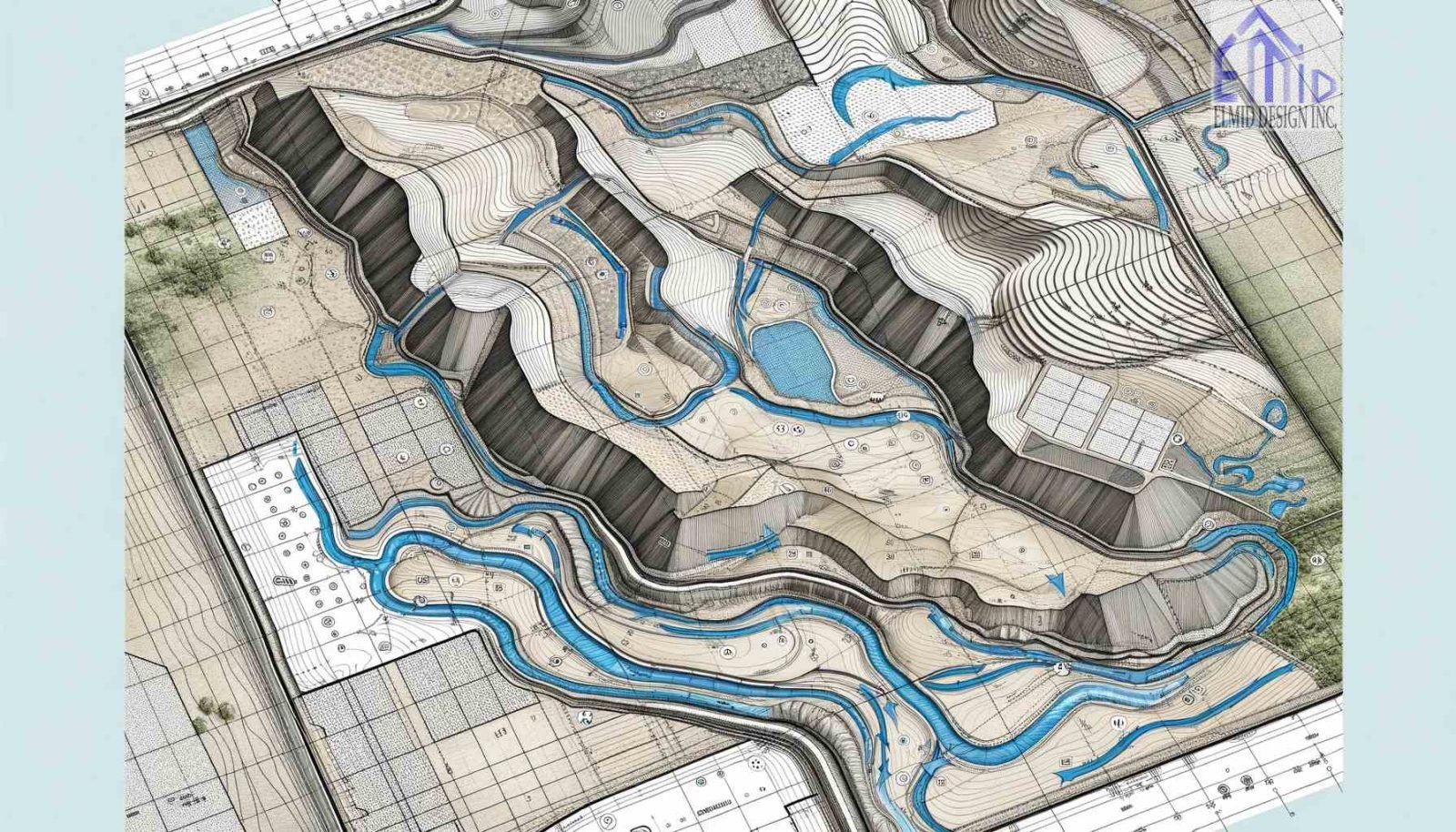
Managing Peak Runoff Before Municipal Discharge
Stormwater management design Whitchurch-Stouffville controls peak runoff before water reaches municipal drainage systems and nearby watercourses. Engineers calculate discharge rates using rainfall records, drainage areas, and site conditions. Practical storage systems release water at controlled rates during major storms. Better planning reduces pressure on public infrastructure while lowering flood risks. Reliable engineering improves long-term drainage performance. Smart stormwater management design Whitchurch-Stouffville supports resilient communities.
Selecting Effective Stormwater Storage Systems
Every development requires stormwater storage that matches site conditions and municipal engineering standards. Engineers determine storage capacity through detailed runoff calculations and drainage analysis. Proper storage protects neighbouring properties during heavy rainfall. Better engineering also improves infrastructure reliability. Reliable planning supports future community growth. Practical stormwater management design Whitchurch-Stouffville creates dependable drainage systems.
Improving Runoff Quality Before Release
Stormwater management design Whitchurch-Stouffville includes treatment measures that improve runoff quality before water reaches nearby streams and natural drainage corridors. Engineers reduce sediment and surface pollutants through carefully designed drainage infrastructure. Cleaner runoff protects aquatic habitats and environmental resources. Better planning also supports sustainable development. Reliable engineering encourages responsible land use. Practical stormwater management benefits the entire community.
Supporting Residential Neighbourhood Drainage
Residential communities require dependable drainage systems that protect homes, schools, parks, sidewalks, and local roads. Engineers prepare stormwater solutions that safely manage rainfall across every neighbourhood. Effective runoff control improves public safety during severe weather. Better engineering also lowers future maintenance costs. Reliable drainage protects surrounding properties. Practical stormwater management design Whitchurch-Stouffville strengthens neighbourhood development.
Improving Commercial Property Drainage
Commercial developments generate greater runoff because buildings and parking areas reduce natural infiltration across the site. Engineers prepare practical drainage systems that protect businesses while maintaining safe access throughout the property. Efficient runoff management supports daily operations during changing weather conditions. Better planning also reduces maintenance expenses. Reliable engineering protects commercial investments. Practical stormwater management design Whitchurch-Stouffville improves property performance.
Providing Reliable Infrastructure for Industrial Sites
Industrial facilities require durable stormwater systems because large paved areas increase runoff volumes during rainfall. Engineers prepare drainage infrastructure that protects buildings, loading areas, equipment, and operational spaces. Proper water management also improves workplace safety. Better engineering supports uninterrupted industrial activities. Reliable planning protects valuable infrastructure. Practical stormwater management design Whitchurch-Stouffville strengthens industrial development.
Coordinating Drainage With Utility Networks
Stormwater systems must operate efficiently beside watermains, sanitary sewers, electrical services, gas lines, and communication infrastructure. Engineers coordinate every underground utility before construction begins. Organized planning prevents installation conflicts while improving future maintenance access. Better engineering also supports efficient project delivery. Reliable coordination strengthens construction quality. Practical planning creates dependable developments.
Reducing Erosion Through Better Drainage Design
Heavy rainfall can damage exposed slopes, drainage channels, and landscaped areas without proper runoff control. Engineers reduce erosion by managing water movement through carefully designed drainage systems. Stable runoff protects valuable land while improving infrastructure performance. Better planning also lowers future maintenance requirements. Reliable engineering preserves important site features. Practical stormwater management design Whitchurch-Stouffville supports sustainable development.
Preparing Detailed Engineering Reports
Stormwater management reports provide technical information required for municipal approvals and engineering reviews. Engineers prepare runoff calculations, grading plans, drainage analysis, storage designs, and supporting documents. Complete reports improve communication throughout every review stage. Better submissions reduce unnecessary revisions. Reliable engineering depends on accurate technical information. Practical reporting supports successful development projects.
Producing Clear Construction Drawings
Construction teams perform more efficiently when engineering drawings provide complete drainage information. Engineers prepare plans showing grading elevations, storm sewers, drainage structures, underground utilities, and construction details. Better documentation improves coordination throughout every project phase. Reliable engineering also reduces construction delays. Practical drawings support quality workmanship. Smart planning strengthens infrastructure performance.
Protecting Natural Water Features
Whitchurch-Stouffville contains valuable streams, wetlands, ponds, and drainage corridors that require protection during development. Engineers prepare stormwater systems that improve runoff quality before discharge reaches these sensitive environments. Cleaner water supports healthier ecosystems and aquatic habitats. Better engineering encourages environmental responsibility. Reliable planning protects natural resources. Practical stormwater management design Whitchurch-Stouffville supports balanced growth.
Supporting Long-Term Drainage Maintenance
Stormwater systems continue performing efficiently through regular inspections and scheduled maintenance. Engineers recommend maintenance for catch basins, outlet structures, storm sewers, and drainage channels. Routine care improves drainage reliability while extending infrastructure life. Better maintenance also lowers future repair costs. Reliable ownership protects valuable investments. Practical stormwater management design Whitchurch-Stouffville supports dependable infrastructure.
Preparing Infrastructure for Future Weather
Changing weather patterns increase the demand for stronger drainage systems across Whitchurch-Stouffville. Engineers evaluate future rainfall conditions while preparing practical stormwater designs. Flexible infrastructure improves drainage performance during larger storms. Better planning also protects future developments from increasing runoff demands. Reliable engineering strengthens community resilience. Practical stormwater management design Whitchurch-Stouffville supports long-term success.
Improving Project Outcomes Through Early Planning
Successful drainage begins before construction activities start. Engineers evaluate site conditions, drainage routes, municipal requirements, and future development goals during project planning. Thorough preparation improves design quality while reducing unnecessary delays. Better coordination also supports efficient municipal approvals. Reliable engineering strengthens project outcomes. Practical stormwater management design Whitchurch-Stouffville delivers dependable infrastructure.
Improving Road Safety With Better Drainage
Stormwater management design Whitchurch-Stouffville protects roads by directing runoff away from driving surfaces during heavy rainfall. Engineers prepare drainage systems that collect water from streets, intersections, sidewalks, and public spaces. Proper runoff control reduces standing water while protecting pavement from premature damage. Better planning also lowers long-term maintenance costs. Reliable engineering strengthens transportation infrastructure. Practical stormwater management supports safer travel throughout Whitchurch-Stouffville.
Supporting Community Facilities With Reliable Infrastructure
Community facilities require dependable drainage systems to remain safe throughout every season. Engineers prepare practical stormwater solutions for schools, recreation centres, healthcare facilities, libraries, and municipal buildings. Effective runoff management protects surrounding infrastructure from water damage. Better engineering also improves public safety during severe weather. Reliable drainage supports long-term facility performance. Practical stormwater management design Whitchurch-Stouffville benefits every resident.
Managing Drainage Across Larger Development Sites
Large developments require integrated drainage because rainfall reaches several collection points throughout the property. Engineers coordinate grading, storm sewers, storage facilities, and outlet structures into one efficient system. Organized planning improves runoff control across every construction phase. Better engineering also protects neighbouring developments. Reliable infrastructure supports future expansion. Practical stormwater management design Whitchurch-Stouffville improves project performance.
Preserving Parks and Green Spaces
Green spaces improve environmental quality while creating healthier communities throughout Whitchurch-Stouffville. Engineers prepare drainage systems that protect parks, landscaped areas, trees, and natural vegetation from excessive runoff. Balanced water movement supports healthy soil and plant growth. Better planning also reduces erosion concerns. Reliable engineering preserves valuable outdoor environments. Practical stormwater management strengthens sustainable development.
Planning Infrastructure for Future Growth
Whitchurch-Stouffville continues expanding through residential, commercial, industrial, and institutional developments. Engineers prepare stormwater systems that support future growth while maintaining reliable drainage performance. Long-term planning protects existing infrastructure and encourages responsible investment. Better engineering also improves project value. Reliable drainage strengthens community resilience. Practical stormwater management design Whitchurch-Stouffville creates dependable infrastructure.
Protecting Buildings and Outdoor Improvements
Stormwater systems reduce the risk of water collecting around buildings, foundations, parking areas, sidewalks, and retaining walls. Engineers prepare practical drainage layouts that safely direct runoff toward approved collection systems. Effective water management improves long-term property protection. Better planning also lowers maintenance expenses. Reliable engineering protects valuable investments. Practical stormwater management design Whitchurch-Stouffville supports durable developments.
Improving Design Accuracy Through Detailed Analysis
Reliable drainage begins with complete engineering investigations before design work starts. Engineers evaluate topography, rainfall data, soil conditions, drainage patterns, utilities, and surrounding infrastructure. Accurate information supports better engineering decisions throughout every project. Better planning also improves construction efficiency. Reliable engineering creates dependable infrastructure. Practical stormwater management design Whitchurch-Stouffville delivers consistent performance.
Strengthening Project Coordination
Successful developments depend on strong communication between engineers, developers, contractors, planners, and municipal reviewers. Engineers provide technical guidance throughout every project stage to improve coordination. Better teamwork reduces delays while improving construction quality. Reliable planning also supports efficient inspections. Practical engineering strengthens successful developments. Smart stormwater management design Whitchurch-Stouffville improves project delivery.
Creating Long-Term Value Through Smart Engineering
Stormwater management design Whitchurch-Stouffville improves flood protection, drainage efficiency, environmental quality, and sustainable development. Engineers prepare practical systems that continue performing through changing weather conditions and future community growth. Better planning also supports efficient municipal approvals and dependable infrastructure. Reliable engineering protects public investments and natural resources. Smart stormwater management design Whitchurch-Stouffville creates lasting value for every development.
FAQ
What is stormwater management design Whitchurch-Stouffville?
Stormwater management design Whitchurch-Stouffville involves planning systems that safely collect, store, treat, control, and release rainwater from development sites.
Why is stormwater management important for development?
Stormwater management protects buildings, roads, neighbouring properties, municipal infrastructure, and natural waterways from flooding and uncontrolled runoff.
What does a stormwater management report include?
A stormwater management report includes runoff calculations, grading plans, drainage analysis, storage design, engineering drawings, and supporting technical documentation.
Why do grading plans matter?
Grading plans direct rainwater toward approved drainage systems while protecting buildings, roads, landscaped areas, and surrounding properties.
How do engineers reduce flood risks?
Engineers calculate runoff volumes and design storage systems that safely control water during heavy rainfall events.
Which site conditions affect stormwater design?
Engineers evaluate topography, soil conditions, rainfall data, drainage patterns, utilities, nearby infrastructure, and future development requirements.
Can stormwater management improve environmental protection?
Yes. Engineers include treatment measures that improve runoff quality before water reaches streams, wetlands, ponds, and drainage corridors.
How often should stormwater systems receive maintenance?
Regular inspections and scheduled maintenance improve drainage performance, extend infrastructure life, and reduce future repair costs.
Which projects require stormwater management design?
Residential, commercial, industrial, institutional, and mixed-use developments usually require professional stormwater management design for municipal approval.
Why choose Elmid Design Inc. for stormwater management design Whitchurch-Stouffville?
Elmid Design Inc. holds a Certificate of Authorization from Professional Engineers Ontario and provides practical stormwater engineering solutions that support reliable drainage, efficient approvals, and sustainable development throughout Whitchurch-Stouffville.

Reliable Stormwater Management Engineers in Whitchurch-Stouffville
Elmid Design Inc. provides professional stormwater management design services for residential, commercial, industrial, and institutional developments throughout Whitchurch-Stouffville. The company holds a Certificate of Authorization from Professional Engineers Ontario, demonstrating its commitment to professional engineering standards and accountability. Our experienced engineers prepare stormwater management reports, grading plans, drainage studies, and municipal servicing designs that support efficient approvals and sustainable development. Clients rely on Elmid Design Inc. for practical engineering solutions, responsive service, and dependable project outcomes.
Geographic Locations That We Service:
Our Licensed Professional Engineers specializing in Engineered Site Grading Plans offer the best-engineered site grading plan, lot grading and erosion plan, and drainage plan to obtain site plan approval and building permits in Ontario, including a wide range of municipalities. Each area boasts unique features and requirements, making our tailored approach essential for success.
Toronto and Surrounding Areas
In the vibrant heart of Ontario, we service Toronto (City of Toronto) and surrounding areas. Additionally, we cover Oshawa (City of Oshawa), Pickering (City of Pickering), and Clarington (Municipality of Clarington). Furthermore, our expertise extends to Ajax (Town of Ajax), Whitby (Town of Whitby), Brock (Township of Brock), Scugog (Township of Scugog and Uxbridge (Township of Uxbridge).
Halton Region
Moving to the Halton Region, our services encompass Burlington (City of Burlington) and Halton Hills (Town of Halton Hills). Also included are Milton (Town of Milton) and Oakville (Town of Oakville).
Peel Region
In the Peel Region, we provide services in Brampton (City of Brampton), Mississauga (City of Mississauga), and Caledon (Town of Caledon).
York Region
Our services in the York Region cover Vaughan (City of Vaughan), Aurora (Town of Aurora), and East Gwillimbury (Town of East Gwillimbury). We also cater to Georgina (Town of Georgina), Markham (City of Markham), Newmarket (Town of Newmarket), Richmond Hill (City of Richmond Hill), Whitchurch-Stouffville (Town of Whitchurch-Stouffville), King (Township of King), and Bradford-West Gwillimbury (Town of Bradford-West Gwillimbury). Each municipality here offers a distinct setting, requiring our specialized approach.
Other Southern Ontario Cities and Towns
We also serve many other cities and towns in Southern Ontario. These include Hamilton (City of Hamilton), St. Catharines (City of St. Catharines), Niagara on the Lake (Town of Niagara on the Lake), Brant (County of Brant), Cambridge (City of Cambridge), Kitchener (City of Kitchener), Waterloo (City of Waterloo), and Woodstock (City of Woodstock). Furthermore, we operate in Guelph (City of Guelph), Centre Wellington (Township of Centre Wellington), Shelburne (Town of Shelburne), Orangeville (Town of Orangeville), New Tecumseth (Town of New Tecumseth), Essa (Town of Essa), Collingwood (Town of Collingwood), Wasaga Beach (Town of Wasaga Beach), Barrie (City of Barrie), Midland (Town of Midland), Orillia (City of Orillia), Ramara (Town of Ramara), Minden Hills (Town of Minden Hills), North Kawartha (Town of North Kawartha), Kawartha Lakes (City of Kawartha Lakes), Peterborough (City of Peterborough), Selwyn (Town of Selwyn), and Brighton (Municipality of Brighton).