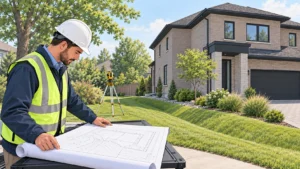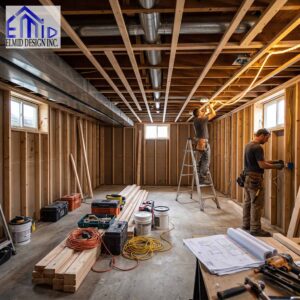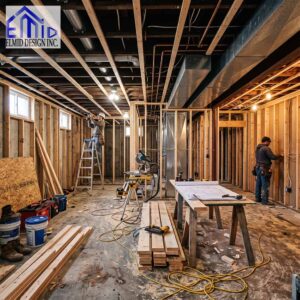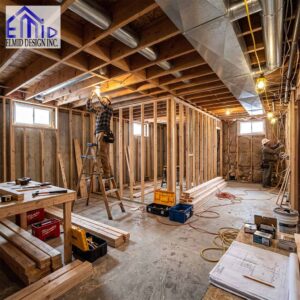
Homeowners planning a basement renovation should invest in professional basement permit drawings before construction begins. Accurate drawings support a smooth permit process and help every project meet local building requirements. Proper planning also reduces delays, unexpected costs, and design changes during construction. Many renovation projects involve structural, plumbing, and mechanical upgrades that require detailed documentation. Experienced professionals understand these requirements and prepare clear permit drawings for municipal review. Elmid Design Inc, a Professional Engineers Ontario Certificate of Authorization holder, provides engineering services that help homeowners achieve safe, compliant, and efficient basement renovations across the Greater Toronto Area.
What Are Basement Permit Drawings?
Basement permit drawings are detailed construction documents required for many basement renovation projects. They explain every proposed change using accurate dimensions, notes, and technical information. Municipal reviewers examine these drawings before issuing a building permit. Contractors also rely on approved drawings throughout construction. Clear documentation reduces confusion and supports better workmanship. Professional drawings help homeowners understand every stage of the renovation. Furthermore, complete permit packages improve communication between designers, engineers, inspectors, and builders. Accurate planning creates a stronger foundation for successful basement renovations.
Why Basement Permit Drawings Matter
Every successful renovation begins with careful planning and accurate documentation. Basement permit drawings demonstrate compliance with applicable building requirements before construction starts. Municipal reviewers verify safety, structural integrity, and code compliance through these documents. Detailed drawings also reduce permit revisions during the approval process. Better planning prevents costly mistakes after work begins. Professional documentation improves construction quality because every contractor follows the same approved design. Consequently, homeowners enjoy greater confidence throughout the renovation process.
When Basement Permit Drawings Are Required
Many basement renovations require permit drawings before construction begins. Finishing an unfinished basement often requires permit approval. Adding bedrooms, bathrooms, or kitchens also requires detailed construction documents. Structural changes almost always require engineering review. Window enlargements and new exterior entrances frequently require permit applications. Mechanical upgrades may also need supporting drawings. Municipal requirements vary according to project scope. Professional advice helps determine which permits apply before renovation begins.
Difference Between Concept Plans and Basement Permit Drawings
Concept plans show general ideas for a future renovation. Basement permit drawings provide technical information needed for permit approval. Every drawing includes dimensions, construction details, and building code information. Designers also identify structural modifications where necessary. Permit drawings explain wall assemblies, ceiling layouts, and room configurations clearly. Contractors depend on these documents during construction. Municipal reviewers also examine every detail carefully before issuing approval. Complete documentation supports efficient project delivery.
Common Basement Renovation Projects
Many homeowners renovate basements to create additional living space. Finished recreation rooms improve comfort for growing families. Home offices also increase property functionality. Some homeowners build legal secondary units for rental income. Others create guest suites or entertainment areas. Every renovation requires thoughtful planning before construction begins. Professional basement permit drawings help transform renovation ideas into approved construction plans. Careful preparation supports long-term success.
Building Code Requirements
Building regulations establish minimum safety standards for every basement renovation. Ceiling heights must satisfy current requirements wherever applicable. Emergency exits protect occupants during unexpected situations. Fire separation also improves safety between living spaces. Proper ventilation supports healthy indoor air quality. Structural components require careful evaluation before modification. Plumbing and heating systems must also satisfy current standards. Basement permit drawings clearly explain compliance with every applicable requirement. Complete documentation improves municipal review efficiency.
Fire Safety Requirements
Fire safety remains a critical part of every basement renovation. Designers specify fire-rated assemblies according to current regulations. Proper fire separation slows the spread of fire between floors. Smoke alarms improve early warning during emergencies. Carbon monoxide alarms also protect occupants where required. Emergency exits provide safe escape routes. Careful planning strengthens overall building safety. Professional basement permit drawings identify every required fire protection feature clearly.
Ceiling Height Standards
Comfortable ceiling heights improve both safety and usability. Existing basements sometimes require creative design solutions to satisfy current standards. Designers measure every space before preparing permit drawings. Ductwork and structural beams often affect available headroom. Thoughtful planning maximizes usable living space without compromising compliance. Accurate measurements reduce permit revisions later. Professional documentation supports efficient construction from beginning to end.
Emergency Exit Requirements
Safe exits protect occupants during emergencies. Basement bedrooms often require emergency escape windows with sufficient opening sizes. Exterior entrances also improve accessibility where practical. Designers carefully evaluate every exit route before finalizing permit drawings. Municipal reviewers examine these details closely during permit review. Clear documentation demonstrates compliance with applicable safety requirements. Better planning creates safer living environments.
Structural Considerations
Structural modifications require careful evaluation before renovation begins. Removing load-bearing walls without proper support creates serious safety risks. Engineers determine appropriate beam sizes and structural solutions when necessary. Professional calculations support safe construction practices. Basement permit drawings explain every structural modification clearly. Accurate engineering also reduces municipal review comments. Strong structural planning protects both the building and its occupants.
Plumbing Design
Basement renovations often require new plumbing fixtures and drainage systems. Bathrooms, kitchens, and laundry rooms need reliable water supply connections. Designers coordinate plumbing layouts with structural framing and finished spaces. Proper planning improves installation efficiency during construction. Basement permit drawings identify fixture locations and pipe routes clearly. Complete documentation simplifies inspections and supports long-term system performance.
Heating and Ventilation
Comfort depends on properly designed heating and ventilation systems. Existing equipment sometimes requires upgrades before serving finished basement spaces. Designers evaluate airflow and heating capacity during project planning. Mechanical improvements also support healthier indoor air quality. Efficient ventilation removes excess moisture and improves comfort. Basement permit drawings describe every required system modification accurately. Good planning creates comfortable living conditions throughout the year.

Preparing Basement Permit Drawings
Preparing accurate basement permit drawings begins with a detailed review of the existing home. Designers measure every room and record important structural elements. They also identify plumbing, heating, and electrical systems before creating new layouts. Careful planning reduces design conflicts during construction. Accurate information improves drawing quality and supports faster permit reviews. Professional preparation also helps homeowners avoid unnecessary revisions. Well-organized permit drawings create a smoother renovation process from beginning to end.
Site Measurements and Existing Conditions
Every successful renovation depends on accurate field measurements. Designers document wall locations, ceiling heights, windows, doors, and structural framing. Existing mechanical equipment also receives careful attention during the inspection. Complete measurements reduce drafting errors before permit submission. Better information creates more reliable construction documents. Careful documentation also improves communication with contractors throughout the project. Accurate site information supports successful renovations and better construction quality.
Designing Functional Basement Layouts
Good layouts improve comfort and maximize available space. Designers create practical room arrangements based on homeowner needs. Bedrooms, bathrooms, storage areas, and living spaces require thoughtful planning. Proper circulation also improves daily use. Window locations often influence room placement and emergency exits. Efficient layouts reduce wasted space without affecting safety. Basement permit drawings clearly illustrate every proposed room and construction detail. Smart planning creates attractive and functional basement renovations.
Structural Engineering Support
Structural engineering protects every renovation involving load-bearing construction. Engineers examine beams, columns, and foundation walls before recommending structural changes. Professional calculations confirm safe renovation solutions. Careful engineering also supports municipal approval during permit review. Coordinated structural drawings improve construction accuracy throughout the project. Elmid Design Inc provides professional engineering services under a Professional Engineers Ontario Certificate of Authorization. Their experience helps homeowners complete renovations safely and confidently.
Electrical Planning for Basement Renovations
Modern basements require reliable electrical systems for everyday living. Designers coordinate lighting, receptacles, and electrical equipment during project planning. Additional rooms often require new circuits for safe operation. Electrical layouts also improve convenience throughout finished spaces. Careful coordination reduces installation challenges during construction. Basement permit drawings identify electrical changes clearly for contractors and inspectors. Professional planning supports safe and dependable electrical systems.
Moisture Protection
Moisture control protects finished basements from future damage. Designers evaluate foundation conditions before selecting construction materials. Proper waterproofing also improves long-term durability. Ventilation systems help reduce indoor humidity throughout the year. Suitable insulation works together with moisture barriers for better performance. Careful planning protects finished spaces from mold and deterioration. Basement permit drawings explain important moisture control details clearly. Reliable protection extends the life of every renovation.
Basement Insulation Requirements
Quality insulation improves comfort while reducing energy consumption. Designers recommend insulation systems that satisfy current building requirements. Proper installation also controls heat loss during cold weather. Sound insulation creates quieter living areas between floors. Coordinated insulation details improve overall building performance. Basement permit drawings identify insulation locations and construction methods accurately. Better thermal performance increases comfort throughout every season.
Basement Windows and Natural Light
Natural light creates brighter and more inviting basement spaces. Designers evaluate existing windows before recommending improvements. Larger windows may improve comfort and emergency escape opportunities. Window placement also influences room layouts and furniture arrangements. Careful planning balances appearance with functionality. Basement permit drawings clearly explain every proposed window modification. Improved daylight enhances both comfort and property value.
Basement Bathroom Design
A well-designed basement bathroom increases convenience and property appeal. Designers position plumbing fixtures for efficient installation and reliable performance. Space planning also improves accessibility and daily use. Proper ventilation removes moisture and protects interior finishes. Careful fixture placement creates practical layouts without wasting valuable space. Basement permit drawings provide accurate dimensions and plumbing information for construction. Professional planning improves both comfort and functionality.
Basement Kitchen Planning
Many homeowners include kitchens during major basement renovations. Functional layouts improve meal preparation and daily convenience. Designers coordinate cabinetry, appliances, plumbing, and electrical systems carefully. Adequate ventilation also supports healthier indoor conditions. Every design should maximize available space without reducing comfort. Basement permit drawings explain kitchen layouts with clear dimensions and construction details. Proper planning simplifies installation and inspection.
Common Permit Drawing Mistakes
Incomplete drawings often delay permit approval. Missing dimensions create unnecessary review comments during examination. Incorrect structural information also slows municipal processing. Poor coordination between building systems increases project complexity. Designers avoid these issues through careful planning and thorough documentation. Basement permit drawings should always present complete and accurate information. Professional preparation reduces revisions and supports faster approvals.
Permit Submission Process
Permit submission requires complete documentation and organized construction drawings. Municipal staff first review every application for completeness. Technical reviewers then evaluate building code compliance and safety requirements. Additional information sometimes becomes necessary during the review process. Quick responses help maintain project progress. Basement permit drawings play a central role throughout permit examination. Accurate submissions improve approval efficiency and reduce unnecessary delays.
Construction After Permit Approval
Construction begins only after receiving the required building permit. Contractors follow approved basement permit drawings throughout every project stage. Regular inspections confirm compliance with the approved design. Accurate construction also reduces correction costs later. Homeowners should communicate with professionals whenever unexpected conditions appear. Good coordination supports efficient project completion. Careful workmanship protects the quality of every finished basement renovation.
Benefits of Professional Basement Permit Drawings
Professional basement permit drawings improve every stage of a renovation project. Accurate documentation supports better planning before construction starts. Municipal reviewers also understand organized drawings more easily. Contractors complete work with greater confidence using detailed plans. Homeowners benefit from fewer revisions and reduced construction risks. Professional services improve safety, compliance, and long-term property value. Careful planning creates durable and comfortable basement living spaces.
Choosing the Right Company for Basement Permit Drawings
Choosing the right company improves every stage of a basement renovation. Experienced professionals understand local building regulations and municipal requirements. Skilled designers also prepare accurate construction documents that reduce approval delays. Qualified engineers solve structural challenges before construction begins. Strong communication keeps every project organized from planning through inspections. Elmid Design Inc provides professional engineering services under a Professional Engineers Ontario Certificate of Authorization. Their experience supports safe renovations, reliable permit drawings, and efficient project delivery across the Greater Toronto Area.
Basement Permit Drawings and Property Value
Professional basement permit drawings help protect your investment for many years. Legal renovations often increase property value and buyer confidence. Accurate permit documents also demonstrate responsible home improvements. Future owners appreciate completed work that follows current building requirements. Careful planning reduces renovation risks and improves overall quality. Proper documentation also supports smoother property transactions. Well-designed basement spaces create lasting value for homeowners and their families.
Renovating an Older Basement
Older homes often require additional planning before renovation begins. Existing framing, plumbing, and electrical systems may no longer satisfy current standards. Designers inspect these conditions before preparing basement permit drawings. Engineers also evaluate structural elements when modifications become necessary. Careful planning prevents expensive surprises during construction. Accurate documentation supports practical renovation solutions while maintaining building safety. Professional guidance improves every stage of the project.
Creating Comfortable Living Spaces
Comfort depends on thoughtful planning and quality construction. Designers arrange rooms to improve daily living and efficient movement. Natural light also creates brighter and more welcoming interiors. Proper insulation supports comfortable temperatures throughout every season. Heating and ventilation systems improve indoor air quality continuously. Basement permit drawings explain these improvements with clear construction details. Good planning creates attractive and functional living environments.
Improving Construction Efficiency
Accurate permit drawings simplify every construction activity. Contractors understand dimensions, materials, and installation requirements before work begins. Clear documentation also reduces misunderstandings during the renovation. Careful coordination improves scheduling between different trades. Fewer construction changes save valuable time and money. Basement permit drawings support organized projects from demolition through final inspection. Better preparation delivers stronger renovation results.
Municipal Inspections
Building inspections verify compliance during different construction stages. Inspectors examine structural work before interior finishes continue. Plumbing and mechanical systems also require careful review. Electrical installations must satisfy applicable safety requirements. Contractors follow approved basement permit drawings during every inspection. Professional preparation reduces correction requests and inspection delays. Successful inspections move projects forward efficiently.
Planning for Future Needs
Many homeowners renovate basements with long-term goals in mind. Flexible layouts allow future changes without major reconstruction. Additional storage areas also improve everyday convenience. Home offices, recreation rooms, and guest spaces increase property usefulness. Designers consider future family needs during project planning. Basement permit drawings support practical renovations that remain valuable for years. Smart decisions today create lasting benefits tomorrow.
Working with Professional Engineers
Professional engineers contribute valuable technical knowledge during basement renovations. They evaluate structural changes carefully before recommending solutions. Engineering calculations confirm that proposed modifications remain safe. Their expertise also strengthens permit applications involving structural work. Elmid Design Inc delivers engineering services that support accurate permit drawings and code compliance. Professional engineering improves project quality and homeowner confidence throughout construction.
Avoiding Renovation Delays
Good preparation reduces unnecessary delays during permit approval and construction. Complete basement permit drawings help municipalities review projects more efficiently. Accurate dimensions also prevent drafting corrections later. Early coordination between designers and engineers improves project schedules. Homeowners benefit from organized planning before construction begins. Reliable documentation supports faster progress and better project outcomes.
Why Professional Planning Matters
Professional planning protects homeowners from avoidable renovation problems. Experienced teams identify challenges before construction begins. Designers coordinate structural, plumbing, mechanical, and architectural details carefully. Engineers also provide safe solutions when structural modifications become necessary. Basement permit drawings organize every project requirement into one complete package. Strong planning improves construction quality while reducing future maintenance concerns.
Basement Permit Drawings for Legal Renovations
Legal basement renovations require careful attention to building regulations. Accurate permit drawings demonstrate compliance before construction starts. Municipal reviewers examine these documents during the approval process. Contractors also depend on approved drawings during every construction phase. Professional preparation supports safer living spaces and reliable project completion. Complete documentation protects both homeowners and future occupants.
FAQ
What are basement permit drawings?
Basement permit drawings are detailed construction documents prepared for building permit applications. They explain proposed renovations using accurate dimensions, technical notes, and construction details. Municipal reviewers examine these drawings before approving renovation work.
When do I need basement permit drawings?
You need basement permit drawings before many renovation projects that require building permits. Finished basements, additional bathrooms, structural changes, and basement apartments often require detailed permit documentation.
Who prepares basement permit drawings?
Qualified building designers prepare most basement permit drawings. Professional engineers also contribute when structural modifications affect the building. Their combined expertise creates complete and accurate permit packages.
Why are basement permit drawings important?
Basement permit drawings improve construction quality and support permit approval. They also reduce misunderstandings between homeowners, contractors, and inspectors. Accurate drawings help every project meet current building requirements.
Do structural changes require engineering?
Yes, structural changes usually require professional engineering review. Engineers evaluate load-bearing components and prepare calculations where necessary. Their work helps ensure safe and compliant construction.
How long does the permit process take?
Permit timelines depend on project complexity and municipal review schedules. Complete basement permit drawings often reduce review delays. Prompt responses to reviewer comments also improve approval times.
Can I renovate my basement without a permit?
Many basement renovations require permits before construction begins. Renovating without approval may create legal issues and additional costs. Professional planning helps homeowners determine permit requirements early.
What information appears on basement permit drawings?
Basement permit drawings usually include floor plans, building sections, construction details, elevations, and code information. Structural, plumbing, and mechanical drawings may also become necessary depending on project scope.
How do professional permit drawings reduce costs?
Professional drawings reduce construction mistakes and unnecessary revisions. Better planning also improves project coordination and construction efficiency. Accurate documentation helps prevent unexpected expenses during renovation.
Why choose Elmid Design Inc?
Elmid Design Inc provides professional engineering services for residential renovation projects. As a Professional Engineers Ontario Certificate of Authorization holder, the company prepares reliable engineering solutions that support accurate basement permit drawings, code compliance, and successful permit approvals.

Professional Engineering Support for Basement Permit Drawings
Elmid Design Inc provides professional engineering services for homeowners planning basement renovations and permit applications. As a Professional Engineers Ontario Certificate of Authorization holder, our team prepares accurate basement permit drawings that comply with the Ontario Building Code and municipal requirements. We deliver practical engineering solutions, structural expertise, and reliable permit support to help clients reduce delays, improve compliance, and complete renovation projects with confidence.
Geographic Locations That We Service:
Our Licensed Professional Engineers specializing in Engineered Site Grading Plans offer the best-engineered site grading plan, lot grading and erosion plan, and drainage plan to obtain site plan approval and building permits in Ontario, including a wide range of municipalities. Each area boasts unique features and requirements, making our tailored approach essential for success.
Toronto and Surrounding Areas
In the vibrant heart of Ontario, we service Toronto (City of Toronto) and surrounding areas. Additionally, we cover Oshawa (City of Oshawa), Pickering (City of Pickering), and Clarington (Municipality of Clarington). Furthermore, our expertise extends to Ajax (Town of Ajax), Whitby (Town of Whitby), Brock (Township of Brock), Scugog (Township of Scugog and Uxbridge (Township of Uxbridge).
Halton Region
Moving to the Halton Region, our services encompass Burlington (City of Burlington) and Halton Hills (Town of Halton Hills). Also included are Milton (Town of Milton) and Oakville (Town of Oakville).
Peel Region
In the Peel Region, we provide services in Brampton (City of Brampton), Mississauga (City of Mississauga), and Caledon (Town of Caledon).
York Region
Our services in the York Region cover Vaughan (City of Vaughan), Aurora (Town of Aurora), and East Gwillimbury (Town of East Gwillimbury). We also cater to Georgina (Town of Georgina), Markham (City of Markham), Newmarket (Town of Newmarket), Richmond Hill (City of Richmond Hill), Whitchurch-Stouffville (Town of Whitchurch-Stouffville), King (Township of King), and Bradford-West Gwillimbury (Town of Bradford-West Gwillimbury). Each municipality here offers a distinct setting, requiring our specialized approach.
Other Southern Ontario Cities and Towns
We also serve many other cities and towns in Southern Ontario. These include Hamilton (City of Hamilton), St. Catharines (City of St. Catharines), Niagara on the Lake (Town of Niagara on the Lake), Brant (County of Brant), Cambridge (City of Cambridge), Kitchener (City of Kitchener), Waterloo (City of Waterloo), and Woodstock (City of Woodstock). Furthermore, we operate in Guelph (City of Guelph), Centre Wellington (Township of Centre Wellington), Shelburne (Town of Shelburne), Orangeville (Town of Orangeville), New Tecumseth (Town of New Tecumseth), Essa (Town of Essa), Collingwood (Town of Collingwood), Wasaga Beach (Town of Wasaga Beach), Barrie (City of Barrie), Midland (Town of Midland), Orillia (City of Orillia), Ramara (Town of Ramara), Minden Hills (Town of Minden Hills), North Kawartha (Town of North Kawartha), Kawartha Lakes (City of Kawartha Lakes), Peterborough (City of Peterborough), Selwyn (Town of Selwyn), and Brighton (Municipality of Brighton).