Civil engineering drawings Scugog support safe local development because these drawings explain how land, drainage, utilities, and road features must work together for reliable performance, and these drawings give owners clear guidance while helping contractors follow each design stage with confidence, and review teams across Scugog trust accurate drawings because correct information protects property and improves long term community safety, and this guide explains civil engineering drawings Scugog in simple language so owners, builders, and designers understand every requirement clearly and make better decisions throughout each development phase.
What Civil Engineering Drawings Represent in Scugog
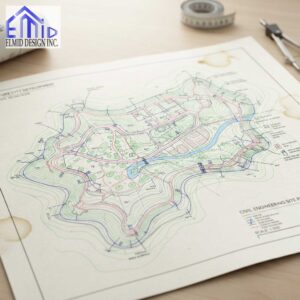
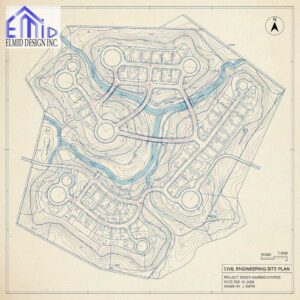
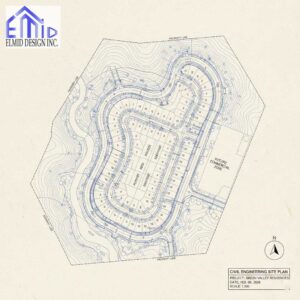
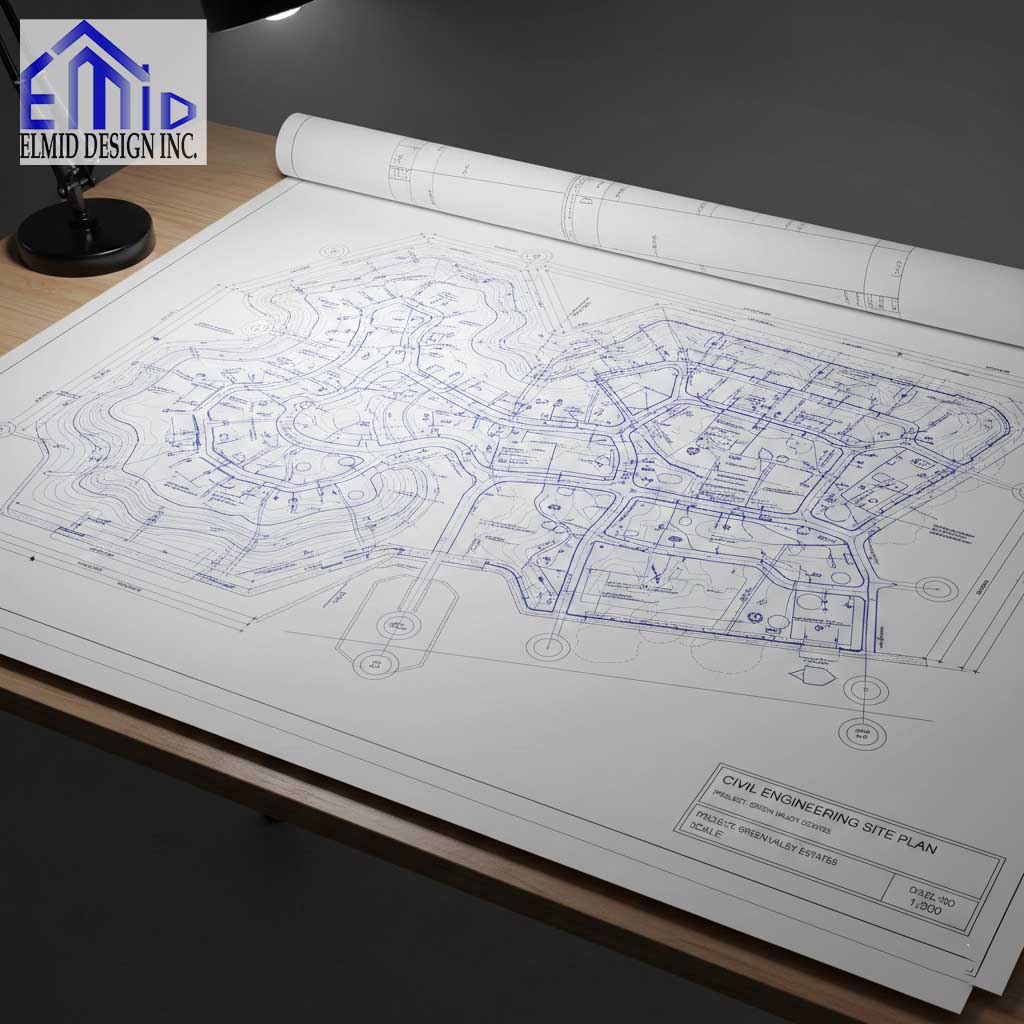
Civil engineering drawings Scugog shape every important decision during site planning. These drawings show slopes, contours, property lines, drainage paths, and service routes. Engineers prepare these drawings to support safe development. Crews follow these drawings because grading, trenching, and layout work require exact measurements. Owners study drawings to understand site features and design goals. Review teams confirm that drawings follow township rules and reflect real site conditions. Strong drawings reduce uncertainty and prevent costly mistakes. Clear information supports safe and predictable development across Scugog.
Why Civil Engineering Drawings Hold Importance in Scugog
Civil engineering drawings Scugog influence long term safety across residential and rural properties. These drawings control stormwater behavior and protect land during severe rainfall. Correct grading prevents erosion and protects building foundations. Utility drawings show safe routing for sewer and water services. Road layout drawings guide safe access for residents and emergency crews. Owners rely on accurate drawings because each decision affects property value and safety. Builders depend on clear drawings because they reduce mistakes. Review teams require precise drawings to protect the broader community. Growth across Scugog increases the need for strong engineering preparation.
Key Elements Contained Within Civil Engineering Drawings Scugog
Civil engineering drawings Scugog use several core elements that support clarity and accuracy. Title blocks show project details, sheet names, and dates. Contour lines define land shape and slope direction. Spot elevations give precise height information. Symbols represent drains, hydrants, valves, culverts, and service features. Legends explain symbol meaning in simple language. Scales help readers understand distance and size. Notes describe design requirements and instructions. These elements create organized drawings that help owners, contractors, and reviewers understand every detail quickly and accurately.
How Civil Engineering Drawings Follow Scugog Standards
Civil engineering drawings Scugog follow strict township standards that protect people, land, and infrastructure. These standards define grading limits, drainage requirements, and safe utility spacing. Grading rules prevent erosion and guide proper water flow. Drainage requirements protect homes and roads from flooding. Utility standards reduce risk during installation and future maintenance. Road design standards improve safety for drivers and pedestrians. Engineers follow these rules during design. Review teams confirm that drawings match required guidelines. Compliance helps projects move forward without major delays.
Types of Civil Engineering Drawings Used Across Scugog
Civil engineering drawings Scugog include several drawing types that explain different project components. Site plans show building placement, driveways, walkways, and property boundaries. Grading plans show slopes and contour values that shape the land safely. Drainage plans show pipes, culverts, channels, ponds, and swales. Erosion control plans show protective measures for soil during construction. Utility plans show service lines for water, sewer, and stormwater. Road plans show road widths, edges, and access points. Detail sheets show construction methods for walls, ditches, basins, and other features. Each drawing helps teams understand project needs.
Understanding Site Plan Drawings in Scugog
Civil engineering drawings Scugog begin with site plans because these plans show the entire layout of the project. Site plans display buildings, parking areas, driveways, walkways, and open spaces. Designers use this plan to coordinate all additional drawings. Owners understand land use decisions by reviewing the site plan. Contractors rely on this plan to visualize the project before construction. Review teams study the site plan early because it outlines overall intent. Strong site plan drawings improve communication and reduce confusion for every team involved.
The Role of Grading Drawings in Scugog
Civil engineering drawings Scugog include grading plans that shape land safely. These plans show how slopes direct water away from buildings. Contour lines and spot elevations reveal required height changes. Crews follow grading drawings to cut and fill soil accurately. Correct grading protects soil from erosion and prevents drainage issues. Review teams confirm that slopes meet local requirements. Owners rely on grading drawings because slope direction influences safety, landscaping, and property use. Accurate grading plans improve long term site performance.
Importance of Drainage Drawings for Scugog Properties
Civil engineering drawings Scugog include drainage drawings that control stormwater movement. These drawings show culverts, ditches, storm pipes, ponds, and swales. Correct drainage protects buildings and roads from water damage. Crews follow drainage drawings to install features in correct locations. Review teams check drainage routes because they affect community safety and environmental protection. Owners value strong drainage planning because it reduces long term maintenance costs. Well designed drainage drawings improve site stability during heavy rainfall.
Utility Drawings Used in Scugog Development
Civil engineering drawings Scugog use utility plans to guide the safe placement of sewer, water, storm, and other services. Utility drawings show line routes, connection points, and spacing requirements. Designers study grading and drainage information before placing utility lines. Crews follow utility drawings because trench depth and alignment require precise direction. Review teams examine utility layouts for safety and compliance. Owners rely on utility plans because these plans influence reliability and maintenance. Accurate utility drawings support safe and efficient services across Scugog.
How to Read Civil Engineering Drawings Scugog
Civil engineering drawings Scugog use a simple structure that helps readers understand design intent. Contour lines show height changes across the site. Symbols represent drains, culverts, and utility features. Legends explain what each symbol means. Scales reveal true size and distance. Notes provide instructions for construction and compliance. Owners understand plans more easily when they recognize these components. Contractors rely on reading skills because accuracy supports safe work. Clear reading improves communication and reduces errors during development.
Understanding Symbols and Legends in Scugog Drawings
Civil engineering drawings Scugog use symbols to simplify complex information. Symbols show utilities, structures, drainage features, and various site components. Legends explain each symbol clearly. Crews use symbols to identify features quickly during installation. Owners study legends to understand site layout. Review teams check symbol use for consistency across sheets. Strong drawings maintain uniform symbols that reduce confusion and improve accuracy. Clear legends support fast interpretation and improve project coordination across Scugog.

Common Mistakes Found in Civil Engineering Drawings Scugog
Civil engineering drawings Scugog face problems when important details receive little attention. Incorrect slopes create drainage issues that damage surrounding land. Missing spot elevations lead to poor grading accuracy. Utility conflicts appear when service lines overlap. Outdated drawings remain on site and cause construction delays. Owners misunderstand symbols and request unsafe changes. Contractors lose time when unclear notes reduce accuracy. These issues increase risk across Scugog and create avoidable costs. Careful review prevents most mistakes and protects project safety.
Preventing Errors in Scugog Engineering Drawings
Civil engineering drawings Scugog become stronger when teams follow clear review steps. Designers update plans when new field data appears. Crews verify slopes during early inspections. Owners ask questions before final approval to avoid later changes. Review staff provide direction that improves decision making. Coordination between all teams reduces confusion and delays. Updated drawings support accurate work and long term stability. Consistent review leads to safer and more predictable outcomes.
Why Local Expertise Matters in Scugog
Civil engineering drawings Scugog improve when prepared by professionals who understand local conditions. Local engineers study soil patterns that vary across the township. Local drainage behavior influences stormwater design choices. These factors shape safer and more reliable plans. Owners trust local expertise because it reduces risk. Skilled insight also improves approval timing and supports long term site safety.
How Scugog Standards Shape Engineering Drawings
Civil engineering drawings Scugog must follow township standards that protect property and public safety. Grading rules control slope direction and erosion risk. Drainage rules manage stormwater and prevent flooding. Utility spacing rules protect workers and reduce conflict during installation. Road standards support safe travel and emergency access. Review teams compare drawings with these standards to confirm compliance. Projects advance smoothly when designs meet these requirements. Strong standards create safer long term development.
Engineering Firms Supporting Scugog Development
Civil engineering drawings Scugog improve when skilled engineering firms guide each stage. Strong firms analyze land features before creating designs. These firms understand local requirements and approval steps. Clear communication helps owners understand design goals. Contractors trust reliable firms because accurate drawings reduce field problems. Quality engineering improves grading, drainage, and utility routes. Professional expertise strengthens community growth and long term safety across Scugog.
Advanced Design Techniques Improving Scugog Drawings
Civil engineering drawings Scugog gain accuracy through advanced design tools. Engineers test slope behavior using digital terrain models. Designers study stormwater flow before finalizing drainage solutions. Utility routes receive careful conflict checks. Survey updates refine design decisions during later phases. These methods reduce errors and support safe development. Advanced design steps create durable and predictable results across the township.
Coordination Between Surveyors, Engineers, and Contractors
Civil engineering drawings Scugog improve when strong coordination begins early. Surveyors gather reliable elevation and boundary data. Engineers convert this information into safe grading and drainage plans. Contractors offer field insight that strengthens layout decisions. Owners share goals that shape the final design. Clear communication reduces confusion and prevents costly delays. Strong coordination supports accurate construction and dependable results.
Technology Supporting Civil Engineering Drawings Scugog
Civil engineering drawings Scugog benefit from modern tools that improve accuracy. Designers use drafting software to create clean and readable layouts. Digital models predict slope behavior during heavy rainfall. Mapping tools highlight soil conditions that influence grading decisions. Updated digital files allow fast revisions during review. Owners understand design intent more clearly through visual tools. Technology strengthens reliability and supports safe growth across Scugog.
Field Verification and Its Role in Scugog
Civil engineering drawings Scugog depend on field verification to confirm accuracy. Crews inspect slopes and soil structure during site visits. Field checks reveal issues not shown in early measurements. Designers update drawings when actual conditions differ from expectations. Verification prevents costly mistakes and improves project safety. Land across Scugog varies widely, so field checks support reliable design decisions. Strong verification builds trust between owners and contractors.
Long Term Safety Supported by Civil Engineering Drawings Scugog
Civil engineering drawings Scugog support long term safety through strong planning. Correct grading prevents erosion and protects building foundations. Reliable drainage design keeps water away from roads and structures. Utility spacing improves access and reduces service risks. Road layout design improves travel safety and emergency response. Owners trust drawings that follow these safety principles. Strong engineering shapes stable development across the township.
Contractor Benefits When Drawings Are Clear in Scugog
Civil engineering drawings Scugog help contractors complete work safely and efficiently. Clear slope values guide precise grading. Drainage layouts show correct installation paths. Utility details reduce trench conflicts and protect crews. Contractors progress faster when drawings stay consistent and organized. Clear information supports scheduling and reduces field errors. Strong drawings improve overall construction results.
Advanced Design Steps for Civil Engineering Drawings Scugog
Civil engineering drawings Scugog improve through advanced design steps that strengthen accuracy. Engineers test slope behavior before approving final grading layouts. Designers study stormwater movement to avoid flooding during heavy rainfall. Utility routes receive conflict checks that prevent unsafe overlap. Updated survey information shapes better decisions as projects evolve. These steps reduce errors and support safe construction. Strong planning improves long term performance across Scugog and encourages stable property development.
Coordination Strengthens Civil Drawings Across Scugog
Civil engineering drawings Scugog become more reliable when teams coordinate early. Surveyors collect precise land information for designers. Engineers transform this information into grading, drainage, and servicing plans. Contractors share field knowledge that improves layout decisions. Owners confirm project goals that guide final design choices. Strong coordination prevents confusion and reduces delays. Clear teamwork supports safe and predictable development across Scugog.
Technology Supporting Civil Engineering Drawings Scugog
Civil engineering drawings Scugog benefit from technology that improves accuracy and clarity. Designers use drafting programs to create simple and clean layouts. Digital terrain models help test slope behavior during rainfall. Mapping tools reveal soil patterns that influence grading decisions. Updated digital files allow fast revisions during review. Owners understand designs more clearly through visual tools. Technology strengthens reliability and improves long term development quality.
Field Verification and Its Importance in Scugog
Civil engineering drawings Scugog depend on field verification to confirm design accuracy. Crews inspect soils and slopes during early site visits. Field checks expose issues not shown in preliminary measurements. Designers update drawings when real conditions differ from expectations. Verification prevents costly errors and improves site safety. Land in Scugog varies widely, so field checks ensure dependable results. Strong verification builds trust among owners, designers, and contractors.
Long Term Safety Supported by Civil Engineering Drawings Scugog
Civil engineering drawings Scugog support long term safety through careful planning. Correct grading reduces erosion and preserves soil stability. Stormwater design protects buildings and roads from water damage. Utility spacing improves maintenance safety and system reliability. Road design supports safe travel throughout the community. Owners trust drawings that follow these principles. Strong engineering planning helps Scugog grow safely and responsibly.
Contractor Advantages When Drawings Are Clear in Scugog
Civil engineering drawings Scugog help contractors complete work with accuracy and efficiency. Clear grading values support controlled soil movement. Drainage layouts show proper installation paths. Utility details prevent trench conflicts and improve safety. Contractors maintain better schedules when drawings remain consistent. Reliable drawings reduce field mistakes and help projects progress smoothly. Strong information supports better construction performance across Scugog.
Cost Savings Supported by Accurate Civil Drawings Scugog
Civil engineering drawings Scugog help control project costs through dependable design. Accurate grading reduces unnecessary soil handling. Efficient drainage design lowers long term repair needs. Utility routing remains safe and direct, preventing expensive changes later. Clear drawings reduce misunderstandings and shorten construction timelines. Owners benefit from predictable costs and fewer delays. Good planning creates long term value for every property.
Benefits for Property Owners Across Scugog
Civil engineering drawings Scugog help property owners understand land conditions with greater clarity. Drawings show slopes, drainage paths, and utility routes. Owners make better choices because information appears organized and clear. Understanding design reduces stress during review and construction. Clear drawings support future planning and long term safety. Strong information builds confidence and improves property management.
How Drawings Connect Planning and Construction in Scugog
Civil engineering drawings Scugog link design planning with real construction work. Drawings show each required step for grading, drainage, and utility installation. Teams understand project goals through detailed layouts. Designers use accurate land data to guide safe decisions. Construction crews follow drawings to achieve dependable results. Drawings support each phase so progress remains organized and safe.
Frequently Asked Questions
What are civil engineering drawings Scugog used for
Civil engineering drawings Scugog guide grading, drainage, utilities, and access design to support safe and reliable development.
Why do Scugog projects require grading plans
Grading plans control slope direction and water flow. Proper grading protects buildings, roads, and soil stability.
Who prepares civil engineering drawings for Scugog
Licensed engineers prepare civil engineering drawings Scugog because strong technical training ensures accurate and safe designs.
How do these drawings help property owners in Scugog
Civil engineering drawings Scugog show clear land details that support informed decisions and reduce long term risks.
When should civil drawings be updated during a project
Civil engineering drawings Scugog need updates when field conditions change or new information shapes safer design choices.
Why are drainage plans important in Scugog
Drainage plans protect land from stormwater damage and guide water along safe and predictable routes.
How do contractors use civil drawings during construction
Contractors follow civil engineering drawings Scugog to guide grading, trenching, drainage placement, and utility installation.
Do small Scugog properties need civil engineering drawings
Small projects often require drawings for grading or drainage review to ensure safe development and compliance.
How long do civil engineering drawings take to complete
Drawing timelines depend on project size and complexity. Larger projects require more review and detail.
How do strong civil drawings reduce project costs
Civil engineering drawings Scugog reduce costs by preventing mistakes and improving construction efficiency.

Elmid Design Inc as a Trusted Engineering Partner in Scugog
Elmid Design Inc delivers civil engineering drawings Scugog projects rely on for accurate grading, drainage, and utility design, and the firm strengthens local development with strong technical expertise, clear communication, and a Professional Engineers Ontario certificate of authorization that ensures every design meets required standards while supporting long term safety and reliable community growth.
Geographic Locations That We Service:
Our Licensed Professional Engineers specializing in Engineered Site Grading Plans offer the best-engineered site grading plan, lot grading and erosion plan, and drainage plan to obtain site plan approval and building permits in Ontario, including a wide range of municipalities. Each area boasts unique features and requirements, making our tailored approach essential for success.
Toronto and Surrounding Areas
In the vibrant heart of Ontario, we service Toronto (City of Toronto) and surrounding areas. Additionally, we cover Oshawa (City of Oshawa), Pickering (City of Pickering), and Clarington (Municipality of Clarington). Furthermore, our expertise extends to Ajax (Town of Ajax), Whitby (Town of Whitby), Brock (Township of Brock), Scugog (Township of Scugog and Uxbridge (Township of Uxbridge).
Halton Region
Moving to the Halton Region, our services encompass Burlington (City of Burlington) and Halton Hills (Town of Halton Hills). Also included are Milton (Town of Milton) and Oakville (Town of Oakville).
Peel Region
In the Peel Region, we provide services in Brampton (City of Brampton), Mississauga (City of Mississauga), and Caledon (Town of Caledon).
York Region
Our services in the York Region cover Vaughan (City of Vaughan), Aurora (Town of Aurora), and East Gwillimbury (Town of East Gwillimbury). We also cater to Georgina (Town of Georgina), Markham (City of Markham), Newmarket (Town of Newmarket), Richmond Hill (City of Richmond Hill), Whitchurch-Stouffville (Town of Whitchurch-Stouffville), King (Township of King), and Bradford-West Gwillimbury (Town of Bradford-West Gwillimbury). Each municipality here offers a distinct setting, requiring our specialized approach.
Other Southern Ontario Cities and Towns
We also serve many other cities and towns in Southern Ontario. These include Hamilton (City of Hamilton), St. Catharines (City of St. Catharines), Niagara on the Lake (Town of Niagara on the Lake), Brant (County of Brant), Cambridge (City of Cambridge), Kitchener (City of Kitchener), Waterloo (City of Waterloo), and Woodstock (City of Woodstock). Furthermore, we operate in Guelph (City of Guelph), Centre Wellington (Township of Centre Wellington), Shelburne (Town of Shelburne), Orangeville (Town of Orangeville), New Tecumseth (Town of New Tecumseth), Essa (Town of Essa), Collingwood (Town of Collingwood), Wasaga Beach (Town of Wasaga Beach), Barrie (City of Barrie), Midland (Town of Midland), Orillia (City of Orillia), Ramara (Town of Ramara), Minden Hills (Town of Minden Hills), North Kawartha (Town of North Kawartha), Kawartha Lakes (City of Kawartha Lakes), Peterborough (City of Peterborough), Selwyn (Town of Selwyn), and Brighton (Municipality of Brighton).