Septic design Caledon services play a vital role in supporting residential, rural, agricultural, and estate developments throughout the region. Because many properties in Caledon operate outside municipal sewer service areas, private wastewater treatment systems remain necessary. Therefore, proper septic design helps protect groundwater, environmental resources, and public health. Designers evaluate soil conditions, site characteristics, wastewater volumes, and regulatory requirements before preparing technical plans. Furthermore, professional septic design helps property owners avoid costly installation issues and future operational concerns. Since every property contains unique conditions, customized solutions improve treatment efficiency and long-term reliability. Consequently, septic design remains an essential component of responsible property development throughout Caledon.
What Is Septic Design?
Septic design involves planning a wastewater treatment system that suits the conditions of a specific property. Designers determine system capacity, treatment methods, component locations, and installation requirements. Furthermore, they assess environmental factors that influence performance and compliance. Since wastewater treatment systems must operate safely for many years, careful planning remains important. Proper design helps ensure wastewater receives effective treatment before entering the surrounding environment. In addition, accurate plans support permit approvals and construction activities. Consequently, septic design forms the foundation of reliable wastewater management.
Why Septic Design Matters in Caledon
Many properties throughout Caledon depend on private sewage systems instead of municipal sewer connections. Therefore, septic design plays an important role in environmental protection and public health. Poorly designed systems can create groundwater contamination, treatment failures, and expensive repair costs. Furthermore, regulatory authorities require compliance with established technical standards. Professional septic design helps reduce risks while improving treatment performance and long-term reliability. Since wastewater treatment directly affects property functionality, proper planning remains essential. Consequently, property owners benefit from efficient and compliant treatment systems.
How Septic Systems Treat Wastewater
Septic systems use a combination of natural and engineered processes to treat wastewater. Wastewater first enters a septic tank where solids separate from liquid effluent. Next, partially treated wastewater moves through a distribution network toward the treatment area. Soil then completes treatment through filtration and biological activity. Meanwhile, microorganisms naturally remove contaminants and improve water quality. Since treatment efficiency depends on environmental conditions, designers carefully evaluate site characteristics. Therefore, proper septic design supports effective wastewater management.
Main Components of a Septic System
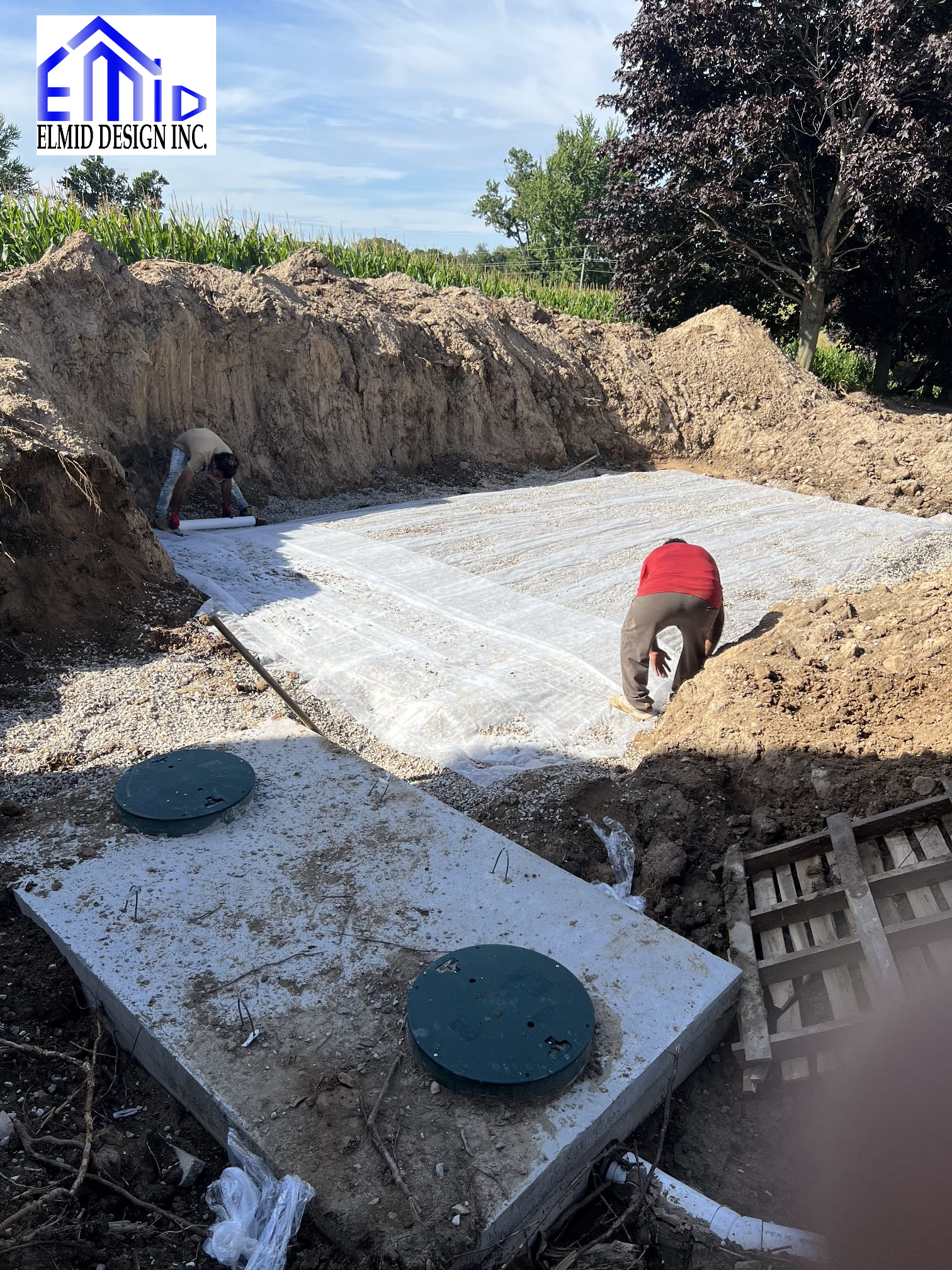
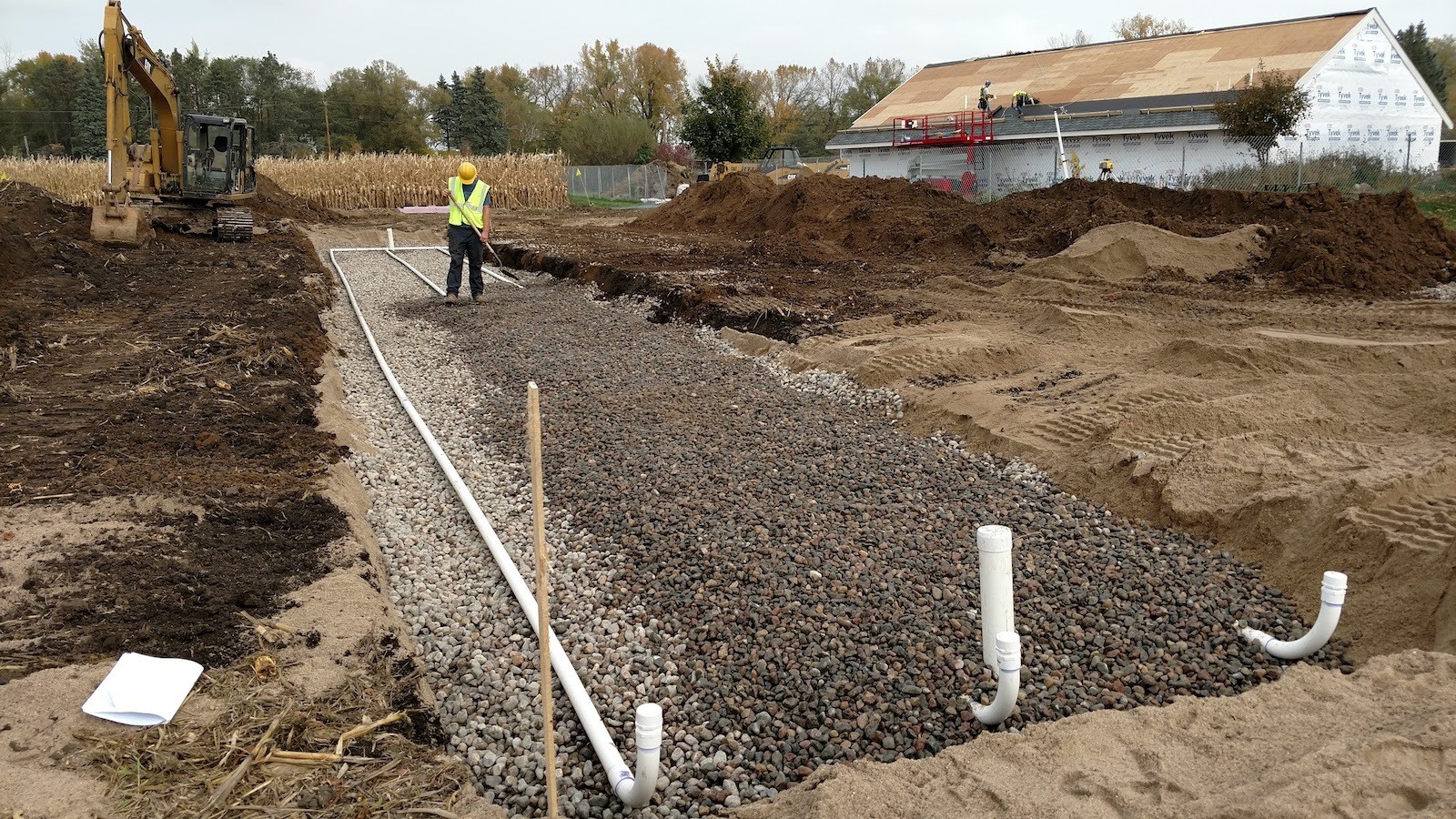
Several components work together to provide reliable wastewater treatment. The septic tank performs primary treatment by separating solids from liquid effluent. Distribution pipes then transport wastewater evenly throughout the treatment area. Furthermore, the leaching bed provides final treatment before wastewater enters surrounding soils. Inspection ports and maintenance access points support ongoing system monitoring. Since each component performs a specific function, proper sizing remains critical. Consequently, designers ensure all components work together efficiently.
Septic Tank Design Considerations
The septic tank serves as the first treatment stage within the wastewater system. Designers determine tank size using wastewater flow calculations and occupancy estimates. Larger homes generally require greater treatment capacity because they generate more wastewater. Furthermore, proper sizing improves performance while protecting downstream treatment areas. Since tank efficiency affects the entire system, accurate calculations remain important. Therefore, septic tank design plays a major role in long-term system success.
Leaching Bed Design Requirements
The leaching bed performs the final stage of wastewater treatment through soil infiltration. Designers size treatment areas according to wastewater volumes and soil characteristics. Suitable soil conditions support effective infiltration and contaminant removal. However, challenging environmental conditions may require alternative treatment approaches. Furthermore, treatment areas must comply with setback requirements and technical regulations. Since leaching bed performance affects system lifespan, careful planning remains essential. Consequently, proper design supports reliable long-term operation.
Ontario Building Code and Septic Design
Ontario Building Code requirements establish standards for septic system design and installation. Designers must demonstrate compliance before obtaining approvals for construction. Furthermore, regulations define treatment requirements, setback distances, and wastewater flow calculations. Municipal reviewers assess design documents according to these standards. Since compliance directly affects project approvals, accurate documentation remains essential. Proper adherence also helps protect environmental resources and public health. Consequently, Building Code compliance remains central to every septic design project.
Site Evaluation for Septic Design Caledon
Site evaluation provides critical information for wastewater treatment planning and engineering analysis. Designers assess topography, drainage patterns, lot dimensions, and environmental conditions during field investigations. Furthermore, they identify physical constraints that may affect system placement. Since site conditions vary significantly between properties, direct evaluation remains necessary. Early investigations also help reduce unexpected challenges during construction. Therefore, site evaluation represents one of the most important steps within the septic design process.
Soil Testing for Septic Design
Soil testing helps determine whether a property can support a proposed septic system. Test pits reveal soil texture, structure, depth, and drainage characteristics. Furthermore, designers use this information to evaluate treatment potential and environmental suitability. Since soil provides the final treatment stage, accurate testing remains essential. Poor soil conditions may require advanced technologies or alternative system configurations. Consequently, soil testing supports effective wastewater treatment planning.
Importance of Percolation Testing
Percolation testing measures how quickly water moves through soil. Designers use these results to estimate infiltration capacity and treatment area requirements. Faster-draining soils require different design approaches than slower-draining soils. Furthermore, testing helps determine whether conventional treatment systems remain suitable. Since infiltration rates directly affect treatment performance, accurate testing improves reliability. Therefore, percolation testing remains a key part of septic system planning.
Groundwater Evaluation and Environmental Protection
Groundwater conditions influence septic system performance and environmental protection. High groundwater levels can reduce treatment effectiveness and limit design options. Therefore, designers investigate groundwater conditions during site assessments. Proper separation distances help protect drinking water resources and nearby ecosystems. Furthermore, groundwater analysis helps identify challenges before construction begins. Since environmental protection remains a priority, these evaluations support responsible wastewater management. Consequently, groundwater assessments contribute to safer and more effective system designs.
Common Soil Conditions in Caledon
Properties throughout Caledon contain a variety of soil conditions that influence septic system performance. Sandy soils often provide strong drainage but may require specialized treatment considerations. Clay soils generally drain more slowly and create additional design challenges. Meanwhile, loamy soils frequently offer balanced treatment characteristics. Certain areas may also contain shallow bedrock or elevated groundwater conditions. Since soil conditions differ significantly between sites, designers evaluate every property individually. Therefore, customized solutions improve treatment performance and regulatory compliance.
When Property Owners Need a New Septic Design
Several situations require a new septic design or system assessment. New home construction remains one of the most common reasons for professional septic services. However, home additions often increase wastewater demand and require updated calculations. Secondary dwelling units may also affect treatment requirements substantially. Furthermore, aging systems frequently require replacement or upgrades. Since redevelopment projects can alter wastewater volumes, professional evaluations remain important. Consequently, septic assessments help determine appropriate design solutions.
Conventional Septic Systems
Conventional septic systems remain a common wastewater treatment solution for suitable properties. These systems typically include a septic tank and a leaching bed. Furthermore, they rely on natural treatment processes within the soil. Maintenance requirements also remain relatively manageable compared to some advanced technologies. Since many residential properties support conventional systems, they continue to provide practical wastewater solutions. Consequently, designers often evaluate conventional options before recommending alternatives.
Advanced Septic Treatment Systems
Advanced treatment systems provide enhanced wastewater treatment for properties with challenging site conditions. These technologies often help overcome environmental limitations and space constraints. Furthermore, advanced systems improve effluent quality before wastewater enters the treatment area. Since some properties cannot support conventional systems, advanced technologies create valuable alternatives. Although installation costs may increase, treatment performance often improves significantly. Consequently, advanced treatment systems expand development opportunities throughout Caledon.
Septic Design for Residential Properties
Residential septic design focuses on matching wastewater treatment systems to household demands. Designers calculate sewage flow according to occupancy assumptions and building characteristics. Furthermore, they evaluate site conditions before selecting treatment methods. Since residential systems require long-term reliability, careful planning remains essential. Proper design also supports future property improvements and expansions. Consequently, homeowners benefit from dependable wastewater treatment solutions.
Benefits of Professional Septic Design Services
Professional septic design services provide technical expertise, regulatory knowledge, and environmental protection. Designers evaluate site conditions carefully while preparing accurate engineering documentation. Furthermore, professional planning helps reduce permit delays and construction risks. Since septic systems represent significant infrastructure investments, proper design helps protect property value. Experienced professionals also identify potential challenges before installation begins. Consequently, property owners benefit from improved compliance, performance, and long-term reliability.
Septic Design Process in Caledon
The septic design process begins with gathering property information and reviewing development goals. Next, designers investigate site conditions to understand environmental and physical characteristics. Soil testing and groundwater assessments then provide data for engineering calculations. Afterward, designers determine wastewater treatment requirements and select an appropriate system. Detailed drawings and technical documents complete the design package. Since every property presents different challenges, professional planning improves accuracy and compliance. Consequently, a structured process supports reliable wastewater treatment and successful project approvals.
Initial Consultation and Project Planning
The initial consultation helps define project objectives and identify property-specific requirements. During this stage, designers review building plans, site information, and future development goals. Furthermore, they discuss regulatory requirements and environmental considerations. Since early planning helps prevent unnecessary revisions, this stage remains important. Property owners also gain a clearer understanding of timelines and design expectations. Consequently, project planning establishes a strong foundation for successful septic design.
Property Review and Site Investigation
Site investigations provide essential information for wastewater treatment planning and engineering analysis. Designers evaluate topography, drainage patterns, lot dimensions, and environmental features. Furthermore, they identify constraints that may affect system placement and treatment performance. Since site conditions vary significantly, direct investigation remains necessary. Early assessments also help reduce unexpected construction challenges. Therefore, site analysis contributes directly to efficient planning and improved project outcomes.
Engineering Analysis and System Selection
Engineering analysis helps determine the most suitable wastewater treatment solution for a property. Designers evaluate soil conditions, groundwater levels, and wastewater volumes before selecting a system. Furthermore, they compare conventional and advanced technologies according to site limitations. Since treatment performance depends on several factors, detailed analysis remains important. Proper system selection improves reliability while supporting environmental protection. Consequently, engineering evaluations play a major role in project success.
Septic Design Drawings and Reports
Design drawings communicate technical information to municipalities, contractors, and property owners. These documents identify component locations, elevations, dimensions, and setback requirements. Furthermore, designers include construction notes and treatment specifications within project reports. Clear documentation helps reduce misunderstandings during permit reviews and installation activities. Since contractors rely on approved plans, accuracy remains important. Therefore, professional drawings contribute significantly to efficient project delivery.
Septic Permit Applications
Property owners must obtain permits before installing or modifying septic systems. Permit applications generally include design drawings, calculations, and site investigation results. Municipal reviewers assess these documents to confirm compliance with applicable regulations. Furthermore, complete submissions often move through the review process more efficiently. Since approval remains necessary before construction begins, proper preparation provides significant value. Consequently, professional support can help reduce approval delays.
Regulatory Compliance and Approval
Regulatory compliance helps protect public health and environmental resources. Designers ensure septic systems satisfy technical requirements throughout the planning process. Furthermore, reviewers evaluate treatment capacity, site suitability, and wastewater calculations before granting approval. Since regulations establish minimum performance standards, compliance remains essential. Accurate documentation improves review efficiency and supports timely decisions. Consequently, property owners benefit from smoother approval processes.
Septic System Installation Planning
Installation planning helps ensure construction follows approved design specifications. Contractors review drawings, site conditions, and project requirements before beginning work. Furthermore, proper planning reduces installation risks and scheduling conflicts. Since construction quality affects long-term performance, preparation remains important. Effective coordination also improves project efficiency and resource management. Consequently, installation planning supports successful wastewater treatment outcomes.
Construction Inspections and Quality Control
Construction inspections verify compliance with approved plans and technical standards. Inspectors review critical system components before contractors complete final site work. Furthermore, inspections help identify issues before project completion. Since corrections become more difficult after installation, early verification provides important benefits. Quality control also improves treatment performance and system durability. Consequently, inspections remain an essential part of septic system development.
Septic Design Costs in Caledon
Septic design costs depend on site conditions, project complexity, and treatment requirements. Simple residential projects generally require fewer technical services than complex developments. Furthermore, soil testing, engineering analysis, and permit applications affect overall expenses. Since every property presents different requirements, costs vary considerably. Professional evaluations help establish accurate budgets before work begins. Consequently, property owners can make informed financial decisions.
Factors Affecting Septic Design Costs
Several factors influence septic design costs throughout Caledon and surrounding communities. Soil characteristics, groundwater levels, and environmental constraints often affect engineering requirements. Furthermore, advanced treatment systems typically require additional analysis and documentation. Property size and project scope may also increase design complexity. Since every site differs, professional assessment remains important. Therefore, detailed evaluations help establish realistic budgets and expectations.
Septic Installation Costs
Installation costs often represent a major portion of septic system investments. Labour, excavation, equipment, and construction materials all contribute to project expenses. Furthermore, site accessibility and environmental conditions can affect installation requirements. Since advanced systems often require specialized components, costs may increase. Accurate planning helps reduce unexpected expenses during construction. Consequently, professional design supports more predictable project outcomes.
Common Septic Design Mistakes
Many septic system issues result from preventable planning and design errors. Inaccurate soil assessments often create treatment challenges and operational concerns. Likewise, incorrect wastewater calculations can lead to undersized systems. Furthermore, poor site planning may create conflicts with environmental and regulatory requirements. Since these mistakes often increase project costs, professional expertise remains valuable. Consequently, careful planning improves system reliability and long-term performance.
Problems Caused by Improper System Sizing
Improper system sizing can reduce treatment efficiency and shorten system lifespan. Undersized systems often struggle during periods of increased wastewater demand. Meanwhile, oversized systems may increase project costs unnecessarily. Since treatment performance depends on accurate sizing, detailed calculations remain essential. Designers use site data and occupancy estimates to determine system requirements. Consequently, proper sizing supports reliable operation and environmental protection.
Importance of Surface Water Management
Surface water management protects treatment areas from excessive moisture and saturation. Proper grading directs runoff away from septic system components and treatment zones. Furthermore, effective drainage supports healthy soil conditions and treatment performance. Since excess water can reduce system efficiency, designers evaluate drainage carefully. Good water management also helps extend system lifespan. Consequently, drainage planning remains a critical aspect of septic design.
Septic Maintenance and Long-Term Performance
Regular maintenance helps septic systems operate efficiently for many years. Property owners should schedule inspections and pumping services according to system requirements. Furthermore, responsible water use reduces unnecessary stress on treatment components. Protecting treatment areas from damage also supports long-term performance. Since preventive maintenance reduces repair costs, ongoing care provides substantial value. Consequently, routine maintenance remains essential for reliable wastewater treatment.
Septic Tank Pumping Guidelines
Routine pumping removes accumulated solids and helps maintain treatment efficiency. Pumping frequency depends on tank size, household occupancy, and wastewater generation. Larger households often require more frequent maintenance than smaller households. Furthermore, regular pumping helps identify developing concerns before serious issues occur. Since excessive solids can affect treatment performance, maintenance remains important. Consequently, proper pumping schedules support system longevity.
Signs of Septic System Problems
Several warning signs may indicate developing septic system concerns. Slow drains often suggest restricted wastewater flow or treatment area overload. Furthermore, unpleasant odours near system components may indicate operational issues. Wet areas above treatment zones can also signal performance problems. Since early intervention reduces repair costs, property owners should investigate warning signs promptly. Consequently, routine monitoring helps protect wastewater treatment systems.
Replacing an Aging Septic System
Older septic systems may require replacement because of age, increased demand, or changing regulations. Repeated repairs often become less practical over time. Furthermore, redevelopment projects may require greater treatment capacity than existing systems provide. Modern technologies often offer improved treatment performance and environmental protection. Since replacement projects involve significant investment, professional evaluation remains important. Consequently, timely upgrades help maintain compliance and reliability.
Choosing a Septic Design Professional in Caledon
Selecting an experienced septic design professional improves project quality and approval success. Qualified designers understand wastewater treatment principles, site evaluation methods, and regulatory requirements. Furthermore, they prepare accurate documentation that supports permits and construction activities. Since professional expertise helps reduce risks, many property owners seek experienced assistance. Knowledgeable consultants also identify challenges before installation begins. Consequently, professional guidance contributes to successful project outcomes.
Septic Design for Rural Properties in Caledon
Many rural properties throughout Caledon rely on private wastewater treatment systems because municipal sewer services remain unavailable. Therefore, septic design plays an important role in safe land development. Designers evaluate soil conditions, groundwater levels, and available space before selecting treatment solutions. Furthermore, rural properties often contain environmental features that require careful planning. Since wastewater treatment affects future property use, professional design provides significant value. Consequently, customized septic systems support reliable operation and regulatory compliance.
Septic Design for Agricultural Properties
Agricultural properties frequently require specialized wastewater treatment solutions because operational needs differ from residential developments. Designers evaluate water usage patterns and property conditions before preparing technical plans. Furthermore, larger parcels often provide flexibility for treatment area placement. Since agricultural projects can involve unique environmental considerations, careful planning remains essential. Proper septic design also helps protect nearby groundwater and natural resources. Consequently, customized systems support efficient wastewater management on agricultural lands.
Septic Design for Estate Properties
Estate properties often require larger wastewater treatment systems because of greater occupancy and building size. Designers calculate treatment requirements carefully to support reliable operation. Furthermore, larger lots allow greater flexibility for treatment area placement and future expansion. Since estate properties represent significant investments, long-term planning remains important. Proper septic design also helps protect environmental resources and property value. Consequently, customized treatment solutions support estate property development.
Septic Design for New Home Construction
New home construction requires wastewater planning before development begins. Designers calculate sewage flow requirements and assess site conditions during the planning process. Furthermore, proper planning helps prevent treatment concerns and approval delays. Since every property contains unique environmental conditions, customized solutions improve compliance and performance. Early septic planning also supports efficient site development and construction scheduling. Consequently, homeowners benefit from dependable wastewater treatment systems.
Septic Design for Home Additions
Home additions often increase wastewater demand and affect existing treatment capacity. Therefore, designers review septic systems before approving expansion projects. Additional bedrooms frequently require updated sewage flow calculations and capacity assessments. Furthermore, municipalities may request septic evaluations during permit reviews. Since older systems sometimes lack sufficient treatment capacity, upgrades may become necessary. Consequently, septic assessments help maintain reliable performance and compliance.
Septic Design for Secondary Dwelling Units
Secondary dwelling units continue gaining popularity throughout Caledon. Therefore, property owners often require septic assessments before adding new living spaces. Designers evaluate existing treatment capacity and wastewater requirements carefully. Furthermore, increased occupancy can significantly affect sewage flow calculations. Since insufficient capacity may create operational concerns, professional review remains important. Consequently, septic upgrades may become necessary before development proceeds.
Septic Design for Redevelopment Projects
Redevelopment projects frequently increase wastewater demand and alter property use. Therefore, septic system assessments remain important during project planning. Designers evaluate existing infrastructure and determine whether upgrades remain necessary. Furthermore, redevelopment projects often introduce additional environmental and regulatory considerations. Since older systems may not satisfy current standards, modifications may become necessary. Consequently, professional septic design supports successful redevelopment while maintaining compliance.
Environmental Benefits of Proper Septic Design
Proper septic design protects groundwater, nearby watercourses, and surrounding ecosystems. Effective treatment systems reduce contamination risks while supporting environmental sustainability. Furthermore, well-designed systems encourage natural biological treatment within the soil. Since wastewater management affects public health and environmental quality, responsible planning remains essential. Professional design also helps reduce future environmental concerns. Consequently, septic systems contribute to healthier communities and safer natural resources.
Advanced Wastewater Treatment Technologies
Advanced wastewater treatment technologies provide enhanced performance for properties with challenging site conditions. These systems often support development where conventional treatment methods remain unsuitable. Furthermore, advanced treatment improves effluent quality before it enters the soil. Since environmental standards continue evolving, these technologies offer valuable advantages. Although installation costs may increase, treatment efficiency often improves significantly. Consequently, advanced systems continue expanding wastewater management opportunities.
Benefits of Routine Septic Inspections
Routine inspections help identify developing concerns before major failures occur. Professionals evaluate tank conditions, treatment performance, and system components during inspections. Furthermore, regular assessments support preventive maintenance and long-term reliability. Since early detection often reduces repair expenses, inspections provide significant value. Property owners also gain a better understanding of maintenance requirements. Consequently, routine inspections help protect wastewater treatment investments.
Protecting Property Value Through Septic Design
A properly functioning septic system contributes directly to property value and market appeal. Buyers often evaluate wastewater treatment systems when considering rural and estate properties. Furthermore, documented maintenance and professional design increase confidence during property transactions. Since replacement costs can be significant, reliable systems provide valuable advantages. Proper planning also helps prevent future compliance concerns. Consequently, septic design remains an important part of responsible property ownership.
Engineering Expertise in Septic Design Caledon
Engineering expertise helps property owners address complex wastewater treatment challenges effectively. Engineers evaluate site conditions, perform technical calculations, and develop customized solutions. Furthermore, they ensure compliance with regulatory requirements and technical standards. Since difficult properties often require specialized analysis, engineering support provides important benefits. Professional guidance also improves project efficiency and approval success. Consequently, engineering involvement strengthens overall project outcomes.
Common Challenges in Septic Design Caledon
Several challenges can affect septic design projects throughout Caledon. Limited space, difficult soils, groundwater concerns, and environmental constraints often require specialized treatment solutions. Furthermore, properties with bedrock limitations may require alternative approaches. Since every property presents unique conditions, designers adapt treatment strategies accordingly. Professional evaluations help overcome these challenges while maintaining compliance. Consequently, customized designs support successful project implementation.
Long-Term Benefits of Professional Septic Design
Professional septic design provides benefits that extend beyond installation. Accurate planning improves treatment performance while reducing future maintenance concerns. Furthermore, professional documentation supports permit approvals and property transactions. Since wastewater systems represent major infrastructure investments, proper design remains essential. Experienced professionals also identify potential concerns before construction begins. Consequently, property owners benefit from reliable and cost-effective wastewater treatment solutions.
FAQ
What is septic design?
Septic design involves planning a wastewater treatment system based on site conditions, wastewater volumes, and regulatory requirements. Designers determine system size, location, and treatment methods to support reliable operation.
Why is septic design important in Caledon?
Septic design protects groundwater, supports environmental health, and helps satisfy regulatory requirements. Proper planning also reduces the risk of system failures and costly repairs.
Do I need a permit for a septic system?
Yes, most septic installations and major modifications require approval before construction begins. Municipal authorities review design documents to verify compliance with applicable regulations.
What factors affect septic design?
Soil conditions, groundwater levels, wastewater volumes, lot dimensions, and environmental features influence septic design decisions. Designers evaluate these factors carefully during planning.
How much does septic design cost in Caledon?
Costs vary according to site conditions, project complexity, and treatment system requirements. Professional evaluations provide the most accurate estimates for individual properties.
What is a percolation test?
A percolation test measures how quickly water moves through soil. Designers use the results to determine treatment area requirements and system suitability.
Can agricultural properties require special septic designs?
Yes, agricultural properties often contain unique wastewater management needs. Therefore, designers evaluate each property according to its specific requirements.
How often should a septic tank be pumped?
Pumping frequency depends on household size, wastewater generation, and tank capacity. Most residential systems require maintenance every few years.
What are signs of septic system problems?
Slow drains, sewage odours, wet areas, and recurring plumbing backups often indicate system concerns. Early investigation helps prevent larger problems.
Who can prepare a septic design in Ontario?
Qualified septic designers and engineering professionals can prepare septic designs depending on project requirements. Professional expertise helps improve compliance and long-term performance.

Professional Septic Engineering Expertise in Caledon
Elmid Design Inc. provides professional septic design and engineering services for residential, rural, agricultural, estate, and redevelopment projects throughout Caledon and surrounding areas. The company holds a Certificate of Authorization from Professional Engineers Ontario and prepares septic system designs that comply with Ontario Building Code requirements. Through detailed site investigations, soil testing coordination, engineering analysis, and permit application support, Elmid Design Inc. helps property owners obtain efficient and compliant wastewater solutions. Their commitment to technical excellence, environmental responsibility, and regulatory compliance supports successful approvals and dependable long-term septic system performance.
Geographic Locations That We Service:
Our Licensed Professional Engineers specializing in Engineered Site Grading Plans offer the best-engineered site grading plan, lot grading and erosion plan, and drainage plan to obtain site plan approval and building permits in Ontario, including a wide range of municipalities. Each area boasts unique features and requirements, making our tailored approach essential for success.
Toronto and Surrounding Areas
In the vibrant heart of Ontario, we service Toronto (City of Toronto) and surrounding areas. Additionally, we cover Oshawa (City of Oshawa), Pickering (City of Pickering), and Clarington (Municipality of Clarington). Furthermore, our expertise extends to Ajax (Town of Ajax), Whitby (Town of Whitby), Brock (Township of Brock), Scugog (Township of Scugog and Uxbridge (Township of Uxbridge).
Halton Region
Moving to the Halton Region, our services encompass Burlington (City of Burlington) and Halton Hills (Town of Halton Hills). Also included are Milton (Town of Milton) and Oakville (Town of Oakville).
Peel Region
In the Peel Region, we provide services in Brampton (City of Brampton), Mississauga (City of Mississauga), and Caledon (Town of Caledon).
York Region
Our services in the York Region cover Vaughan (City of Vaughan), Aurora (Town of Aurora), and East Gwillimbury (Town of East Gwillimbury). We also cater to Georgina (Town of Georgina), Markham (City of Markham), Newmarket (Town of Newmarket), Richmond Hill (City of Richmond Hill), Whitchurch-Stouffville (Town of Whitchurch-Stouffville), King (Township of King), and Bradford-West Gwillimbury (Town of Bradford-West Gwillimbury). Each municipality here offers a distinct setting, requiring our specialized approach.
Other Southern Ontario Cities and Towns
We also serve many other cities and towns in Southern Ontario. These include Hamilton (City of Hamilton), St. Catharines (City of St. Catharines), Niagara on the Lake (Town of Niagara on the Lake), Brant (County of Brant), Cambridge (City of Cambridge), Kitchener (City of Kitchener), Waterloo (City of Waterloo), and Woodstock (City of Woodstock). Furthermore, we operate in Guelph (City of Guelph), Centre Wellington (Township of Centre Wellington), Shelburne (Town of Shelburne), Orangeville (Town of Orangeville), New Tecumseth (Town of New Tecumseth), Essa (Town of Essa), Collingwood (Town of Collingwood), Wasaga Beach (Town of Wasaga Beach), Barrie (City of Barrie), Midland (Town of Midland), Orillia (City of Orillia), Ramara (Town of Ramara), Minden Hills (Town of Minden Hills), North Kawartha (Town of North Kawartha), Kawartha Lakes (City of Kawartha Lakes), Peterborough (City of Peterborough), Selwyn (Town of Selwyn), and Brighton (Municipality of Brighton).