
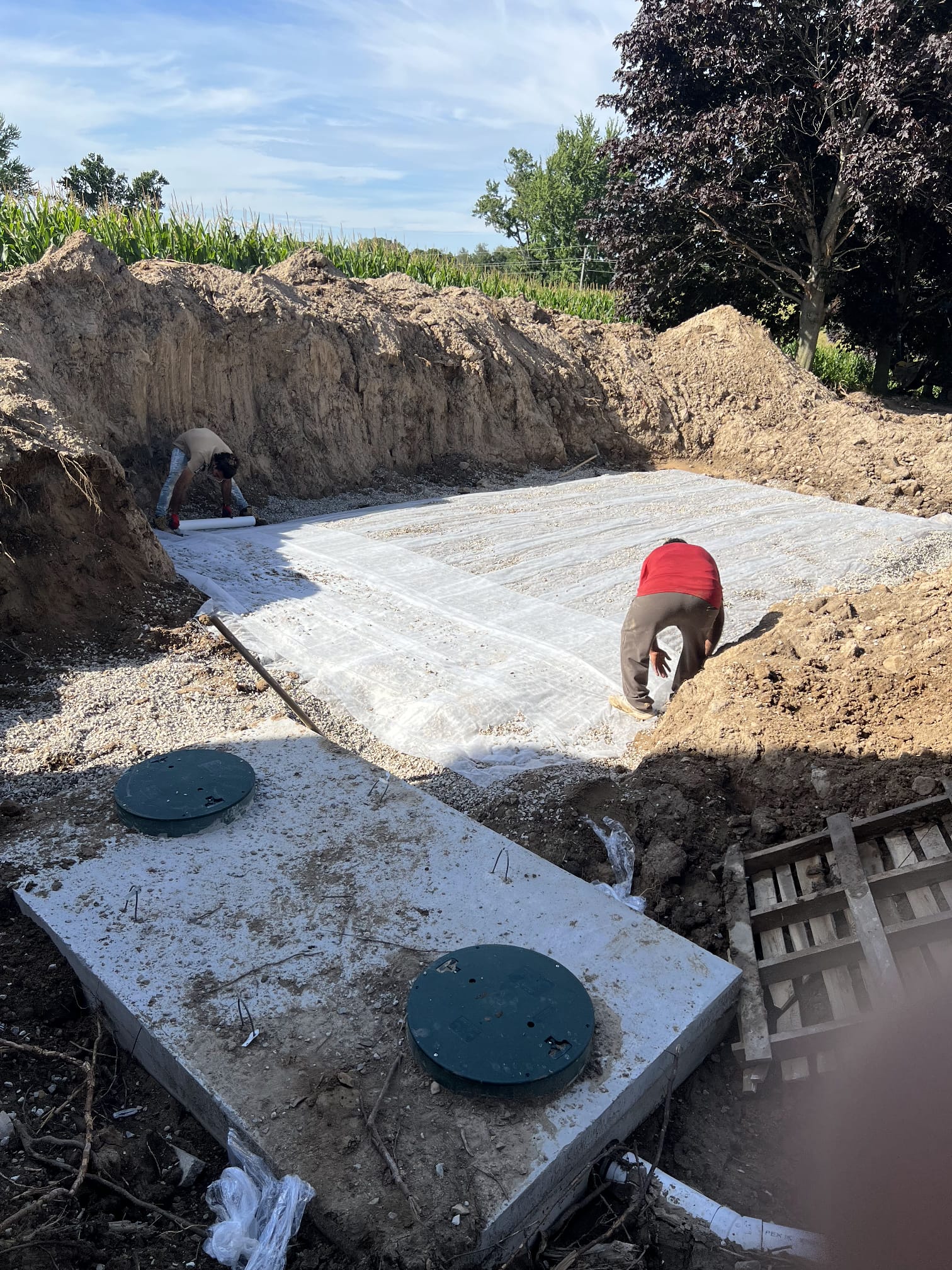
Hiring a septic engineer Brock specialist is one of the most important steps for any homeowner who relies on a private septic system because a properly engineered design protects the property, prevents costly failures, and ensures the system follows Ontario regulations, and understanding how a septic engineer Brock professional studies soil behaviour, groundwater depth, system layout, and daily water use helps homeowners see why engineered septic designs work better, last longer, and provide safer wastewater treatment across the rural and mixed soil landscapes found throughout Brock Township.
Why a Septic Engineer Brock Specialist Is Essential
A septic engineer Brock specialist understands the area’s rural setting, large properties, and varied soil conditions. These elements change how wastewater drains and filters through the ground. Without engineering support, a system may be installed in soil that cannot safely absorb the load. This leads to backups, muddy patches, or groundwater contamination. A licensed engineer studies the land before designing the system to prevent these issues. Engineered systems protect the home and reduce long-term risk.
What a Septic Engineer Brock Professional Evaluates
A septic engineer Brock professional reviews soil type, slope, property elevation, groundwater activity, and household water-use patterns. These factors shape how a septic system must function to stay safe. The engineer performs soil tests, calculates tank size, chooses the correct field placement, and prepares engineered drawings. This creates a design that fits the property instead of relying on assumptions. Engineering ensures the system works well in every season and meets Ontario codes.
Soil Conditions in Brock and Their Impact on Septic Design
Brock Township includes areas with clay soil, sandy patches, and mixed sediment. Each soil behaves differently when wastewater is absorbed. Clay drains slowly and may cause saturation. Sand drains too quickly and may not filter wastewater safely. A septic engineer Brock specialist performs soil testing to measure absorption rate, texture, and seasonal behaviour. This testing shapes every part of the system and prevents early system failure.
Designing a Septic System for Brock Properties
A septic engineer Brock expert designs systems that match the home’s size, daily water use, and future needs. The engineer selects tank capacity, field size, trench spacing, and layout based on measured soil and groundwater data. This prevents the field from becoming overwhelmed. A custom engineered system lasts longer and performs better because it is built around the land’s natural limits and drainage patterns.
The Importance of Local Knowledge
Local experience helps a septic engineer Brock professional design systems that stay stable throughout seasonal weather changes. Brock experiences cold winters, spring thaw, and heavy rain periods that affect soil movement and water flow. A local engineer understands these seasonal cycles and selects field locations that remain safe year-round. Local familiarity also helps with municipal approvals because the engineer knows what the township expects.
The Role of Elmid Design Inc in Brock Septic Engineering
Elmid Design Inc provides septic engineer Brock services supported by a Professional Engineers Ontario certificate of authorization. Their team performs soil evaluations, prepares engineered drawings, and designs septic systems that match Brock’s unique soil and groundwater conditions. Homeowners trust Elmid Design Inc because the company provides safe, compliant, and professionally certified septic solutions built to last and backed by strong EAT expertise.
When Homeowners Should Contact a Septic Engineer Brock Specialist
Homeowners should contact a septic engineer Brock specialist when building a new home, planning an addition, finishing a basement, or installing new plumbing fixtures. All these changes affect daily water use and system capacity. Engineering support is also necessary when properties show signs of septic stress such as wet areas, foul odors, or unusually slow drains. Early engineering evaluation prevents larger problems and protects the home.
Engineering vs Non-Engineered Septic Installations
A septic engineer Brock design is based on real soil data and water-use patterns. Non-engineered systems are often built based on general assumptions that may not match the land. This can lead to systems that are too small, poorly placed, or unable to drain correctly. Engineered systems provide long-term reliability because every element is calculated according to the property’s real conditions. This reduces the risk of failure and protects groundwater.
Understanding Brock Permit Requirements
Brock follows Ontario Building Code rules for septic systems. A septic engineer Brock expert prepares the documents needed for permit approval, including soil evaluation reports, engineered drawings, capacity calculations, and layout details. Submitting proper engineering documents prevents delays and ensures the system meets all provincial requirements. This makes the approval process smoother for homeowners and builders.
Preventing Septic Problems Through Engineering
Many septic issues come from improper sizing, poor placement, or ignoring soil depth and groundwater. A septic engineer Brock evaluation identifies the safest areas for the field and provides accurate sizing that matches household use. This prevents oversaturation, backups, and field collapse. Engineering creates a stable system foundation that resists flooding, seasonal soil movement, and long-term wear.
Protecting the Environment With Engineered Designs
A septic engineer Brock professional designs systems that protect groundwater, soil quality, and surrounding natural areas. By understanding underground water flow and soil filtration depth, the engineer ensures wastewater is treated safely before it reaches deeper ground layers. This protects wells, streams, and agricultural land. Environmentally responsible design supports sustainable living and clean water across Brock Township.
Increasing Property Value Through Septic Engineering
A septic engineer Brock design increases property value because buyers trust systems supported by licensed engineering documentation. These documents prove the system was designed safely and follows Ontario’s standards. Homes with engineered septic systems are easier to sell and face fewer inspection issues. Engineering adds long-term stability, making the property more appealing to future buyers.
The Property Evaluation Process
A septic engineer Brock evaluation begins with reviewing land slope, soil depth, water movement, and available space. The engineer also considers household size and future renovation plans. These details help determine the best system type, field size, and tank capacity. A complete evaluation prevents design mistakes that can lead to expensive repairs and system failure.
How Engineering Reduces Long-Term Costs
A septic engineer Brock specialist helps homeowners avoid costly emergencies by designing systems that do not overload or fail under pressure. Engineering reduces the chance of soil saturation, field breakdown, or tank issues. When a system runs efficiently, it requires fewer major repairs. This saves money and reduces long-term stress for homeowners.
Understanding Septic System Lifespan
A septic engineer Brock design improves system lifespan by balancing soil absorption, wastewater flow, and tank capacity. Engineered systems avoid the stress that causes early breakdowns. With proper maintenance, these systems can last for decades. Engineering ensures the system works with the soil rather than against it, keeping performance steady year after year.
Maintenance Guidance From a Septic Engineer Brock Expert
A septic engineer Brock specialist provides maintenance advice that protects the system from unnecessary strain. Proper pumping schedules, safe water-use habits, and protecting the drain field from heavy loads keep the system stable. Engineering guidance matches maintenance needs to Brock’s unique soil conditions, helping the system operate smoothly for many years.

Advanced Septic System Options Designed by a Septic Engineer Brock Specialist
Some Brock properties need advanced septic solutions because of high groundwater, shallow soil, or uneven terrain. A septic engineer Brock specialist studies soil depth, land slope, and drainage limits to determine whether the property can support a standard system or requires an advanced approach. When needed, the engineer designs raised beds, pressure distribution systems, or tertiary treatment units. These engineered systems help wastewater move safely through the soil and prevent oversaturation, providing long-term protection for the property.
Why Soil Testing Matters in Brock
Soil testing guides every part of a septic design because soil determines how wastewater is absorbed and filtered. A septic engineer Brock professional studies soil density, texture, and moisture to understand how water will move through the property. Brock’s soil shifts between heavy clay, coarse sand, and layered mixes, each demanding a different design approach. Accurate soil testing prevents drainage failures, protects the field, and ensures wastewater is treated safely before reaching deeper soil layers.
Managing High Water Tables in Brock
Some areas of Brock experience high groundwater during rain seasons or spring thaw. A septic engineer Brock expert measures groundwater depth to select a safe elevation for the drain field. High groundwater reduces how much soil is available for filtration, creating a contamination risk. Engineering solutions such as elevated systems or improved drainage protect the system from groundwater pressure. This careful planning prevents system failure and safeguards the environment.
Proper Septic Tank Sizing Through Engineering
Tank size shapes how wastewater flows into the drain field. A septic engineer Brock specialist calculates tank size based on bedrooms, expected occupancy, and water-use habits. A tank that is too small forces water into the field too fast and overwhelms the soil. A properly sized tank slows the flow, protects the field, and creates a balanced system. Engineering ensures the tank supports the household without pushing wastewater beyond the soil’s capacity.
Choosing the Best Drain Field Placement
Drain field placement affects how well the system filters and drains water. A septic engineer Brock professional studies slope, soil depth, and surface drainage before choosing the field’s location. Wrong placement can lead to soil erosion, standing water, and uneven absorption. Engineered placement ensures wastewater moves through the soil in a predictable and safe way. This prevents field damage and supports long-term filtration across all seasons.
Protecting Groundwater Through Engineered Septic Design
Brock’s water sources, rural wells, and natural creeks require strong protection. A septic engineer Brock expert designs systems that treat wastewater safely before it reaches groundwater. The engineer calculates filtration depth and examines underground flow patterns so the system remains secure even in wet seasons. Engineered layouts reduce contamination risks and help maintain clean water across the township. This approach supports public health and environmental sustainability.
The Value of Elmid Design Inc for Brock Homeowners
Elmid Design Inc offers septic engineer Brock services backed by a Professional Engineers Ontario certificate of authorization. Their engineers complete soil testing, design engineered layouts, and prepare documents required for municipal review. Brock residents trust Elmid Design Inc because the company provides reliable, compliant, and long-lasting septic designs supported by professional engineering oversight and strong EAT principles.
Recognizing Warning Signs That Require Engineering
Some septic systems show early signs of stress that require immediate engineering support. A septic engineer Brock specialist evaluates wet spots, gurgling drains, odors, or slow water movement to identify the source of the problem. Early intervention prevents the field from collapsing or becoming saturated. Engineering ensures the issue is corrected based on real soil and system data, protecting the home from more serious damage.
Renovations and Their Impact on Septic System Capacity
Home upgrades such as basement finishes, bathroom additions, or secondary suites increase water usage. A septic engineer Brock expert evaluates whether the existing system can handle the increased demand. If not, the engineer designs upgrades to field size, tank capacity, or water distribution. These changes protect the system from overload and ensure safe operation after the renovation. Engineering prevents costly failures caused by high water flow.
Engineering Support During Real Estate Transactions
Buyers and sellers depend on accurate septic information during property transactions. A septic engineer Brock evaluation provides details about soil health, system lifespan, and overall performance. Buyers gain confidence knowing the system is safe, while sellers benefit from transparent documentation. Engineering reports prevent disputes and simplify negotiations. A professional evaluation strengthens trust and reduces risk for everyone involved.
How Brock Winters Affect Septic Performance
Cold winters in Brock influence soil movement and wastewater flow. A septic engineer Brock specialist designs systems deep enough to avoid freezing and uses soil cover strategies that protect pipes from frost. These engineering methods keep wastewater moving during winter cycles. Proper design prevents freeze-related blockages and damage, helping the system stay reliable during harsh weather conditions.
Long-Term System Protection Through Engineering
A septic engineer Brock professional provides routine evaluations that help identify slow-developing issues such as soil compaction, weak drainage, or tank settling. Early detection reduces the chance of large failures and extends the system’s lifespan. Long-term engineering care gives homeowners a clearer understanding of how the system is aging and when upgrades may be necessary. This proactive support keeps the system healthy.
Environmental Protection Through Engineered Layouts
A septic engineer Brock expert designs systems to protect soil and groundwater from contamination. Engineered layouts guide wastewater through natural filtration layers that remove bacteria and nutrients. This protects rural wells, farmland, and natural waterways. Designing with environmental safety in mind supports long-term community health and keeps Brock’s natural resources clean for future generations.
Why Regular Engineering Reviews Increase System Reliability
Regular system reviews by a septic engineer Brock specialist reveal hidden issues such as partial clogs, uneven distribution, or soil imbalance. Engineering adjustments restore safe wastewater flow and prevent long-term strain. These checkups reduce repair costs and strengthen system reliability. Consistent engineering oversight provides homeowners with peace of mind and stable performance year after year.
Updating Older Systems for Modern Water Demands
Many older systems in Brock were designed for smaller households and lower water use. A septic engineer Brock evaluation determines whether the system needs upgrades to support modern appliances and larger families. When necessary, the engineer designs improvements that prevent overload and improve wastewater handling. These upgrades help the home stay safe as lifestyle demands evolve.
Supporting Sustainable Development in Brock
Sustainable growth requires septic systems that protect soil and water while supporting new homes. A septic engineer Brock professional designs systems with sustainability in mind. These systems balance efficient wastewater management with environmental safety. Engineering plays an important role in helping Brock expand responsibly without harming natural land and water sources.
The Future of Septic Technology in Brock
New septic technologies improve filtration, reduce maintenance, and extend system life. A septic engineer Brock expert stays informed about these advancements, including monitoring devices and enhanced treatment units. By integrating these improvements into new designs, engineers help homeowners benefit from more efficient and reliable systems. Modern engineering supports cleaner treatment and safer operation.
Why Licensed Engineers Provide Stronger Protection
Licensed engineers follow strict Ontario regulations and carry professional responsibility for their work. A septic engineer Brock specialist delivers designs backed by technical expertise, accuracy, and compliance. This protects homeowners from improper installations and avoids unexpected system failures. Engineering builds long-term security and trust.
Meeting Legal and Insurance Requirements
Many insurance companies and municipal authorities require engineering documents for septic systems. A septic engineer Brock professional prepares soil reports, engineered layouts, and compliance documentation that meet legal and regulatory standards. These records protect homeowners from legal issues and support future renovations or property sales.
How a Septic Engineer Brock Designs Systems for Small or Irregular Lots
Some Brock properties have narrow shapes, steep slopes, or limited open space. A septic engineer Brock specialist evaluates soil layers, water movement, and elevation changes to create a design that fits the land safely. Irregular lots can cause drainage problems if the field is placed incorrectly. Engineering ensures wastewater flows in a controlled way and avoids oversaturation or erosion. With careful planning, even difficult properties receive a stable and long-lasting septic system that operates safely in all seasons.
How a Septic Engineer Brock Supports Real Estate Buyers
Buyers want clear information about a septic system before purchasing a property. A septic engineer Brock expert evaluates the system’s age, soil condition, and treatment capacity. This inspection reveals whether the system is healthy or approaching failure. Buyers gain confidence because they understand future costs and maintenance needs. Sellers also benefit because engineered documentation strengthens transparency and reduces negotiation problems. Accurate evaluations support smooth and reliable transactions.
Landscaping Choices That Affect Septic System Function
Landscaping can change how water flows across the yard. A septic engineer Brock professional reviews landscaping plans to prevent soil compaction, root problems, or grading issues. Heavy plants and deep roots can invade pipes and weaken the drain field. Raised beds or structures can redirect water and reduce filtration efficiency. Engineering guidance helps homeowners choose landscaping options that support soil stability and protect wastewater flow, allowing the system to filter safely.
Septic Engineering for Home Renovations and Secondary Units
Renovations increase water usage, especially when adding bathrooms, laundry spaces, or secondary suites. A septic engineer Brock specialist reviews renovation plans to ensure the existing system can handle higher water flow. If upgrades are necessary, the engineer adjusts tank size or expands the field. These engineered updates prevent system overload and protect the soil from excess wastewater. Proper engineering keeps the system safe as the home grows and daily usage increases.
The Value of Hiring a Local Septic Engineer Brock Expert
A local septic engineer Brock professional understands the township’s soil behaviour, drainage challenges, and seasonal weather patterns. Local knowledge helps engineers design systems that stay reliable through winter frost, spring melt, and heavy summer rain. Understanding municipal expectations also speeds up permit processing and reduces delays. Homeowners benefit from solutions that match the realities of Brock’s environment rather than generalized designs.
How a Septic Engineer Brock Handles Emergency Failures
Emergency septic issues require immediate engineering support. A septic engineer Brock expert examines soil saturation, tank performance, and wastewater movement to find the cause of the failure. The engineer then prepares a plan that restores system function while preventing further damage. Engineering solutions protect the home from water damage and system collapse. This careful approach provides safer and faster recovery during septic emergencies.
Why Engineering Documentation Supports Long-Term Property Planning
A septic engineer Brock report contains soil results, engineered layouts, performance expectations, and capacity details. These documents help with insurance claims, renovations, real estate transactions, and future upgrades. Homeowners rely on these records to understand system limits and avoid decisions that could strain the system. Clear engineering documentation supports long-term planning and ensures the system remains safe and compliant.
Long-Term Septic Stability Through Engineering Planning
A septic engineer Brock specialist reviews long-term soil changes, groundwater shifts, and household water patterns to help homeowners plan system updates. These evaluations prevent failures caused by unexpected changes in soil behaviour or increased water use. Long-term planning reduces emergency repair costs and supports predictable system performance. Engineering oversight extends the lifespan of the entire system.
Why Choosing a PEO-Authorized Firm Matters in Brock
A PEO-authorized engineering firm such as Elmid Design Inc ensures septic engineer Brock services follow strict provincial standards set by Professional Engineers Ontario. This authorization confirms that licensed engineers oversee and certify the work. Homeowners receive accurate, safe, and compliant designs that protect the property from long-term risk. Professional engineering strengthens trust and improves EAT credibility.
How Growing Families Benefit From Updated Septic Engineering
Growing families often increase water use through showers, laundry, and daily routines. A septic engineer Brock specialist examines whether the system can handle these demands or needs upgrades. When required, the engineer adjusts tank size or field layout to support higher water flow. This prevents overload and reduces stress on the soil. Updated engineering helps the system stay stable even as family needs change.
FAQs
What does a septic engineer Brock specialist do
A septic engineer Brock specialist evaluates soil type, groundwater depth, drainage conditions, and household water habits to design safe septic systems. They prepare engineered drawings, soil reports, and documents required for municipal approval, ensuring the system remains reliable and compliant.
When should I hire a septic engineer Brock expert
You should hire a septic engineer Brock expert when building a home, expanding living space, adding plumbing fixtures, buying property, or noticing wet areas, odors, or slow drains. Engineering prevents system failure and ensures wastewater flows safely.
Why is soil testing important in Brock
Soil in Brock varies widely, and each type absorbs wastewater differently. A septic engineer Brock professional performs soil testing to measure absorption rates and depth so the system fits the land’s real conditions. Soil testing prevents oversaturation and early field failure.
Why choose a PEO-authorized engineering firm
A PEO-authorized company such as Elmid Design Inc ensures septic engineer Brock designs meet Ontario engineering and safety standards. Homeowners receive certified designs backed by licensed professionals, improving system performance and long-term reliability.
Do renovations affect septic system requirements
Renovations increase water use, which can overwhelm older systems. A septic engineer Brock specialist evaluates whether the system needs upgrades to support new fixtures or living spaces. Proper engineering protects the system from overload and prevents failures.
How long does an engineered septic system last
A septic system designed by a septic engineer Brock professional can last several decades when matched to soil conditions and maintained properly. Engineering reduces stress on the system and improves long-term performance.

Why Brock Homeowners Trust Elmid Design Inc
Elmid Design Inc provides septic engineer Brock services backed by a Professional Engineers Ontario certificate of authorization, ensuring every septic design meets strict provincial engineering and safety standards. Their team performs soil testing, prepares engineered layouts, and tailors each system to Brock’s rural soil conditions and groundwater patterns. Homeowners rely on Elmid Design Inc because the company delivers accurate, compliant, and long-lasting septic solutions supported by strong EAT credibility and licensed professional oversight.
Geographic Locations That We Service:
Our Licensed Professional Engineers specializing in Engineered Site Grading Plans offer the best-engineered site grading plan, lot grading and erosion plan, and drainage plan to obtain site plan approval and building permits in Ontario, including a wide range of municipalities. Each area boasts unique features and requirements, making our tailored approach essential for success.
Toronto and Surrounding Areas
In the vibrant heart of Ontario, we service Toronto (City of Toronto) and surrounding areas. Additionally, we cover Oshawa (City of Oshawa), Pickering (City of Pickering), and Clarington (Municipality of Clarington). Furthermore, our expertise extends to Ajax (Town of Ajax), Whitby (Town of Whitby), Brock (Township of Brock), Scugog (Township of Scugog and Uxbridge (Township of Uxbridge).
Halton Region
Moving to the Halton Region, our services encompass Burlington (City of Burlington) and Halton Hills (Town of Halton Hills). Also included are Milton (Town of Milton) and Oakville (Town of Oakville).
Peel Region
In the Peel Region, we provide services in Brampton (City of Brampton), Mississauga (City of Mississauga), and Caledon (Town of Caledon).
York Region
Our services in the York Region cover Vaughan (City of Vaughan), Aurora (Town of Aurora), and East Gwillimbury (Town of East Gwillimbury). We also cater to Georgina (Town of Georgina), Markham (City of Markham), Newmarket (Town of Newmarket), Richmond Hill (City of Richmond Hill), Whitchurch-Stouffville (Town of Whitchurch-Stouffville), King (Township of King), and Bradford-West Gwillimbury (Town of Bradford-West Gwillimbury). Each municipality here offers a distinct setting, requiring our specialized approach.
Other Southern Ontario Cities and Towns
We also serve many other cities and towns in Southern Ontario. These include Hamilton (City of Hamilton), St. Catharines (City of St. Catharines), Niagara on the Lake (Town of Niagara on the Lake), Brant (County of Brant), Cambridge (City of Cambridge), Kitchener (City of Kitchener), Waterloo (City of Waterloo), and Woodstock (City of Woodstock). Furthermore, we operate in Guelph (City of Guelph), Centre Wellington (Township of Centre Wellington), Shelburne (Town of Shelburne), Orangeville (Town of Orangeville), New Tecumseth (Town of New Tecumseth), Essa (Town of Essa), Collingwood (Town of Collingwood), Wasaga Beach (Town of Wasaga Beach), Barrie (City of Barrie), Midland (Town of Midland), Orillia (City of Orillia), Ramara (Town of Ramara), Minden Hills (Town of Minden Hills), North Kawartha (Town of North Kawartha), Kawartha Lakes (City of Kawartha Lakes), Peterborough (City of Peterborough), Selwyn (Town of Selwyn), and Brighton (Municipality of Brighton).