Stormwater management design Aurora plays a vital role in protecting new developments from flooding, erosion, and drainage problems. As Aurora continues to grow, every project must manage rainwater carefully to protect people, infrastructure, and natural areas. Strong engineering helps control runoff before it reaches roads, buildings, and nearby watercourses. Meanwhile, thoughtful drainage planning supports sustainable development and long-term community growth. Every property presents different drainage conditions, so engineers create customized solutions that match each site’s characteristics. Reliable stormwater management also improves water quality, reduces future maintenance costs, and supports successful municipal approvals.
How Rainwater Moves Across a Development Site
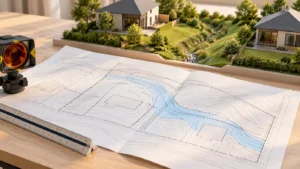
Rainfall follows the natural shape of the land until development changes the landscape. Buildings, driveways, parking areas, and roads prevent water from soaking into the ground. Consequently, runoff travels faster and reaches drainage systems in larger volumes. Engineers study these flow patterns before designing effective stormwater solutions. They identify low areas, drainage paths, and collection points throughout the property. Careful analysis creates safer developments with dependable drainage performance.
Why Drainage Planning Begins Before Construction
Successful projects start with drainage planning long before construction begins. Engineers review existing site conditions before preparing grading and servicing designs. They estimate future runoff and determine how every part of the property will perform after development. Early planning also identifies possible drainage conflicts before construction creates costly problems. Better preparation improves project schedules while supporting efficient municipal reviews. Careful engineering saves both time and money throughout the development process.
Understanding the Purpose of Stormwater Management Design Aurora
Stormwater management design Aurora controls how rainfall enters, moves through, and leaves a development. Engineers design systems that reduce flood risks while protecting nearby properties and public infrastructure. They also improve runoff quality before discharge reaches natural water bodies. Balanced drainage protects both urban development and surrounding ecosystems. Every engineering decision supports safe growth while satisfying municipal requirements. Reliable stormwater management creates stronger communities for future generations.
How Hard Surfaces Affect Stormwater
Hard surfaces change the natural water cycle because they stop rainfall from entering the soil. Instead, runoff flows quickly across pavement toward storm drains and nearby waterways. Greater runoff increases pressure on municipal drainage infrastructure during storms. Engineers reduce these impacts through carefully planned drainage systems. Effective designs restore part of the natural water movement while protecting surrounding developments. Smart engineering improves drainage throughout every season.
Protecting Homes and Buildings from Water Damage
Water creates expensive problems when drainage systems fail to perform properly. Excess runoff can damage foundations, parking lots, sidewalks, and landscaped areas. Engineers reduce these risks by directing stormwater safely through well-designed infrastructure. Proper grading also prevents standing water around buildings after rainfall. Reliable drainage protects property value while lowering future repair costs. Strong engineering improves safety and long-term performance across every development.
Supporting Sustainable Growth in Aurora
Growing communities require infrastructure that performs well today and remains dependable tomorrow. Engineers prepare stormwater management systems that support future development without overloading existing municipal infrastructure. Sustainable drainage also protects natural features while improving environmental performance. Careful planning balances community growth with responsible resource management. Better engineering helps Aurora expand while maintaining reliable public services. Long-term planning strengthens resilient neighborhoods across the municipality.
Reducing Flood Risks Through Better Engineering
Heavy rainfall can overwhelm drainage systems when developments lack proper stormwater planning. Engineers calculate runoff carefully before selecting suitable storage and discharge methods. Controlled water release reduces pressure on downstream infrastructure during severe storms. Well-designed systems also lower flood risks for nearby homes and businesses. Effective engineering protects both public and private investments. Practical drainage solutions improve community resilience during changing weather conditions.
Preserving Natural Water Resources
Healthy streams, ponds, and wetlands depend on responsible stormwater management practices. Engineers reduce pollution by treating runoff before it reaches natural environments. They also slow water movement to reduce erosion along stream banks. Cleaner runoff supports healthier aquatic habitats and stronger ecosystems. Sustainable engineering protects valuable environmental resources while allowing responsible development. Careful planning benefits both nature and growing communities.
How Engineers Evaluate Drainage Conditions
Every project begins with a detailed review of existing drainage conditions across the property. Engineers inspect land elevations, surrounding infrastructure, vegetation, drainage routes, and surface features. They also study nearby developments because neighboring properties influence runoff patterns. Accurate information supports better engineering decisions throughout the design process. Strong analysis reduces uncertainty before construction begins. Reliable field investigations improve project quality from the start.
Soil Conditions Influence Stormwater Design
Different soil types absorb rainfall at different speeds. Sandy soils often allow better infiltration than clay-rich soils. Engineers test soil conditions before selecting suitable drainage solutions for every project. They also evaluate groundwater conditions because underground water affects system performance. Better understanding leads to practical engineering decisions that match actual site conditions. Reliable drainage begins with accurate site information.
Site Grading Shapes Water Movement
Grading controls where stormwater travels after rainfall across a development. Engineers design finished elevations that guide runoff toward approved drainage systems. Proper grading also protects buildings by moving water away from foundations. Coordinated elevations improve drainage across roads, parking areas, and landscaped spaces. Accurate grading supports every part of the stormwater management system. Careful design reduces drainage problems after construction.
Stormwater Storage Improves System Reliability
Temporary stormwater storage reduces runoff entering municipal infrastructure during heavy rainfall. Engineers calculate storage needs according to site conditions and projected runoff volumes. Storage facilities hold excess water before releasing it gradually. Controlled discharge protects downstream drainage systems from excessive flow. Reliable storage also improves infrastructure performance during major storm events. Smart engineering supports dependable community drainage.
Improving Water Quality Before Discharge
Stormwater management does more than control runoff quantity. Engineers also improve runoff quality before water leaves the development site. Treatment systems remove sediment, debris, and pollutants from stormwater. Natural filtration further improves water quality through vegetation and healthy soil. Cleaner discharge protects nearby streams and supports environmental sustainability. Responsible engineering strengthens community health while preserving natural resources.
Engineering Calculations Support Better Decisions
Every stormwater management design relies on accurate engineering calculations. Engineers measure drainage areas, rainfall intensity, runoff volumes, storage capacity, and discharge rates before completing designs. Technical analysis confirms that every drainage component performs together efficiently. Reliable calculations also support municipal approvals and construction planning. Strong engineering reduces uncertainty while improving project performance. Careful analysis creates dependable infrastructure for future development.
Planning for Future Weather Conditions
Weather patterns continue changing, creating new challenges for modern infrastructure. Engineers design stormwater systems that perform during larger rainfall events than previous generations experienced. They evaluate future drainage demands instead of focusing only on past conditions. Resilient infrastructure protects communities from increasing weather risks. Forward-thinking engineering also reduces future maintenance and upgrade costs. Better planning creates stronger developments throughout Aurora.
Building Long-Term Drainage Performance
Stormwater management systems must continue performing long after construction finishes. Engineers select durable infrastructure that requires practical maintenance while providing dependable service. Regular inspections help maintain efficient drainage throughout the system’s lifespan. Well-designed infrastructure also adapts more effectively to future community growth. Strong engineering creates reliable drainage that protects developments for decades. Careful planning delivers lasting value for property owners and municipalities.

Creating Drainage Systems That Work with Nature
Stormwater management design Aurora achieves better results when engineering works alongside natural water movement. Engineers study existing landscapes before introducing new drainage infrastructure. They preserve suitable natural drainage paths whenever practical. Additionally, thoughtful designs reduce unnecessary runoff while improving groundwater recharge. Every solution aims to protect nearby ecosystems without limiting future development. Balanced engineering creates reliable drainage while supporting long-term environmental health.
Integrating Green Infrastructure into Modern Developments
Green infrastructure strengthens stormwater management by combining engineered systems with natural features. Engineers include landscaped drainage areas that improve infiltration and reduce runoff volumes. Healthy vegetation also filters pollutants before water reaches municipal infrastructure. Meanwhile, these systems improve property appearance and environmental value. Practical engineering creates developments that perform efficiently while supporting sustainable community growth. Natural solutions continue delivering benefits throughout every season.
Managing Runoff Before It Enters Municipal Systems
Effective stormwater management starts before runoff reaches public infrastructure. Engineers design collection systems that capture rainfall close to its source. Temporary storage and controlled discharge reduce pressure on municipal storm sewers. Better runoff management also lowers downstream flood risks during intense rainfall. Consequently, infrastructure performs more efficiently under changing weather conditions. Early runoff control strengthens every drainage network.
Surface Drainage Improves Site Performance
Surface drainage directs rainfall safely across developed properties without creating standing water. Engineers design swales, drainage channels, and collection areas that guide runoff efficiently. Proper surface drainage protects roads, parking areas, sidewalks, and landscaped spaces. It also reduces maintenance by preventing water accumulation after storms. Careful design improves both safety and long-term infrastructure performance. Reliable drainage begins at ground level.
Underground Drainage Networks Support Development
Underground drainage systems transport stormwater safely beneath developed properties. Engineers design interconnected pipes, catch basins, maintenance holes, and outlet structures that function together efficiently. Every component supports continuous runoff movement during rainfall events. Proper layouts reduce blockages while simplifying future maintenance activities. Well-designed underground infrastructure protects surrounding developments from drainage problems. Strong engineering improves long-term system reliability.
Coordinating Stormwater with Municipal Services
Stormwater management design Aurora requires close coordination with other municipal infrastructure throughout every project. Engineers carefully align drainage systems with watermains, sanitary sewers, utility corridors, and transportation infrastructure. Proper coordination reduces construction conflicts and improves future maintenance access. Efficient planning also prevents unnecessary project delays during approvals. Integrated engineering creates organized infrastructure that serves communities effectively for many years.
Designing Reliable Stormwater Ponds
Stormwater ponds remain one of the most effective methods for managing runoff from larger developments. Engineers determine pond size according to drainage area, storage requirements, and municipal standards. These facilities temporarily retain runoff before controlled release downstream. They also improve water quality by allowing sediment to settle naturally. Proper pond design protects surrounding infrastructure during severe storms. Reliable storage supports sustainable community growth.
Choosing the Right Stormwater Solution
Every development requires drainage systems that match its unique conditions. Engineers evaluate land size, topography, soil characteristics, groundwater levels, and proposed land use before selecting stormwater solutions. Some projects benefit from underground storage, while others perform better with natural drainage features. Careful evaluation improves system efficiency while reducing construction costs. Customized engineering produces dependable long-term results.
Improving Municipal Approval Success
Complete engineering documentation helps projects move through municipal reviews more efficiently. Engineers prepare detailed reports, drainage calculations, grading plans, and servicing drawings before submission. Clear technical information allows reviewers to understand every engineering decision. Prompt responses to review comments also reduce unnecessary delays. Better communication improves approval timelines while supporting successful project delivery. Organized engineering benefits developers and municipalities alike.
Why Stormwater Reports Matter
Stormwater management reports explain how proposed developments safely manage runoff under different rainfall conditions. Engineers include technical calculations, drainage analysis, infrastructure descriptions, and supporting engineering drawings. Every report demonstrates compliance with municipal engineering requirements. Accurate documentation also reduces uncertainty during project reviews. Professional reports strengthen project quality while improving approval efficiency. Reliable engineering begins with complete technical information.
Modern Technology Improves Engineering Accuracy
Advanced engineering technology improves every stage of stormwater management design Aurora. Engineers use digital terrain models, computer simulations, and detailed survey information during project development. These tools identify potential drainage concerns before construction begins. Accurate modeling also improves design confidence while reducing project risks. Better technology supports stronger engineering decisions throughout the planning process. Reliable analysis creates dependable drainage systems.
Preparing Infrastructure for Future Growth
Growing communities require infrastructure that continues performing as development expands. Engineers evaluate future drainage demands before finalizing stormwater management systems. They design infrastructure with sufficient capacity for expected community growth. Long-term planning reduces future upgrades while protecting municipal investments. Resilient engineering supports both present and future development. Strong infrastructure creates lasting value across Aurora.
Construction Monitoring Improves Quality
Engineering continues after design through construction monitoring and technical support. Engineers review installation work to confirm compliance with approved drawings and specifications. Early inspections identify issues before they become expensive repairs. Close communication also improves construction quality throughout the project. Professional oversight supports dependable infrastructure performance after completion. Careful monitoring protects long-term project success.
Routine Maintenance Protects Drainage Performance
Every stormwater management system requires regular maintenance to remain effective. Property owners should inspect drainage structures and remove accumulated debris before heavy rainfall. Engineers also recommend periodic reviews that identify wear before serious problems develop. Preventive maintenance extends infrastructure lifespan while reducing repair costs. Well-maintained systems continue protecting developments during changing weather conditions. Consistent care preserves drainage performance for decades.
Economic Benefits of Professional Stormwater Engineering
Professional stormwater management design provides financial benefits throughout a project’s lifespan. Effective drainage reduces future maintenance expenses and limits costly flood damage. Accurate engineering also minimizes construction changes and approval delays. Sustainable infrastructure increases long-term property value while supporting responsible development. Careful planning delivers dependable performance and better investment returns. Smart engineering benefits developers, municipalities, and property owners alike.
Comprehensive Engineering Services for Stormwater Management
Professional engineering firms provide complete stormwater management services from planning through final approvals. Engineers prepare drainage studies, grading plans, stormwater reports, servicing designs, and supporting technical calculations. They also coordinate with municipalities throughout the approval process to resolve technical comments efficiently. Elmid Design Inc. holds a Certificate of Authorization from Professional Engineers Ontario and provides practical engineering solutions that support sustainable development, reliable drainage, and successful infrastructure projects throughout Aurora and surrounding communities.
Balancing Development with Environmental Protection
Stormwater management design Aurora supports growth while protecting valuable natural resources. Engineers evaluate every project to reduce environmental impacts before construction begins. They protect nearby streams, woodlands, and sensitive drainage corridors through practical engineering decisions. Healthy landscapes also improve natural water movement across developed properties. Careful planning allows communities to expand without creating unnecessary environmental pressure. Responsible engineering strengthens both development and conservation goals.
Reducing Pressure on Existing Infrastructure
Growing communities place greater demand on municipal drainage systems every year. Engineers reduce that pressure by controlling runoff before it enters public infrastructure. They also improve drainage efficiency through carefully designed storage and discharge systems. Better planning prevents unnecessary upgrades to existing municipal networks. Reliable engineering protects community investments while supporting future development. Efficient infrastructure serves both current and future residents.
Designing Drainage Around Existing Communities
Many development projects take place beside established neighborhoods with existing drainage systems. Engineers study surrounding infrastructure before connecting new developments to municipal networks. They evaluate runoff changes that could affect nearby homes and businesses. Careful coordination protects neighboring properties from increased drainage risks. Thoughtful engineering also improves compatibility between new and existing infrastructure. Better planning creates smoother community expansion.
Protecting Roads and Public Infrastructure
Stormwater affects much more than individual properties during major rainfall events. Engineers design drainage systems that protect roads, intersections, sidewalks, parks, and public facilities. Proper runoff management reduces pavement damage while improving transportation safety. Controlled drainage also lowers maintenance costs for municipalities over time. Strong engineering protects essential infrastructure throughout Aurora. Reliable drainage supports safer public spaces every season.
Improving Project Efficiency Through Early Coordination
Successful developments depend on strong coordination between engineers, planners, architects, and municipal reviewers. Engineers share drainage information early to prevent conflicts during later project stages. Better communication improves design quality while reducing unnecessary revisions. Early teamwork also supports faster approvals and smoother construction activities. Organized project management creates dependable engineering outcomes. Efficient coordination benefits every development partner.
Building Flexible Drainage Systems
Weather patterns and development needs continue changing over time. Engineers design flexible stormwater systems that adapt to future demands whenever possible. Extra storage capacity and practical layouts improve long-term performance. Durable infrastructure also simplifies future improvements if community growth continues. Forward-looking engineering protects investments while reducing future construction costs. Flexible designs strengthen infrastructure resilience.
Managing Drainage During Construction
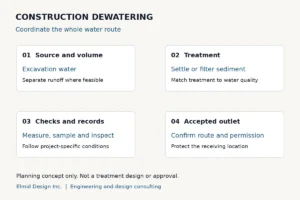
Construction activities temporarily change natural drainage across every development site. Engineers prepare temporary erosion and sediment control measures before work begins. These systems reduce muddy runoff and protect nearby streets and waterways. Regular inspections keep temporary drainage functioning throughout construction. Careful site management also improves environmental protection during every project phase. Responsible construction supports successful long-term stormwater performance.
Understanding Stormwater Facility Maintenance
Stormwater facilities continue protecting developments only through regular inspection and maintenance. Engineers recommend scheduled cleaning, vegetation management, and structural inspections throughout the infrastructure lifespan. Catch basins, storage systems, and outlet structures require routine attention to maintain efficiency. Preventive maintenance reduces repair costs while improving system reliability. Consistent care protects drainage investments for many years.
How Professional Engineering Reduces Project Risks
Experienced engineers identify drainage challenges before they affect construction schedules or project budgets. They analyze site conditions carefully before selecting practical stormwater solutions. Strong technical knowledge also reduces design errors and approval delays. Accurate calculations improve confidence throughout every project stage. Professional engineering creates dependable infrastructure with lower long-term risks. Better planning supports successful development outcomes.
Supporting Sustainable Communities Through Better Drainage
Reliable stormwater management improves community safety, environmental quality, and infrastructure performance. Engineers create drainage systems that support responsible growth while protecting valuable natural resources. Well-designed infrastructure also improves resilience during severe weather events. Sustainable planning benefits residents, businesses, and future developments alike. Smart engineering strengthens Aurora’s long-term success through dependable drainage solutions.
Why Local Engineering Knowledge Matters
Every municipality follows specific engineering standards, approval procedures, and servicing requirements. Engineers with local experience understand those expectations and prepare complete documentation accordingly. Familiarity with regional drainage practices also improves design efficiency. Better knowledge helps reduce review comments during municipal approvals. Experienced professionals create practical solutions that match local development conditions. Reliable expertise supports smoother project delivery.
Professional Stormwater Management Solutions for Aurora
Elmid Design Inc. provides professional stormwater management design services for residential, commercial, institutional, and industrial developments throughout Aurora and nearby communities. The company holds a Certificate of Authorization from Professional Engineers Ontario, demonstrating its commitment to professional engineering practice and technical excellence. Experienced engineers prepare stormwater management reports, grading plans, drainage studies, municipal servicing designs, and supporting calculations that satisfy local requirements. Practical solutions help clients secure efficient approvals while protecting infrastructure, surrounding properties, and the environment.
FAQ
What is stormwater management design Aurora?
Stormwater management design Aurora plans drainage systems that safely collect, control, treat, and release rainwater from development sites.
Why does every development need stormwater management?
Stormwater management reduces flooding, protects infrastructure, improves water quality, and supports safe community growth.
What does a stormwater management report include?
A stormwater management report includes drainage analysis, runoff calculations, grading information, storage design, erosion control measures, and engineering drawings.
Who prepares stormwater management reports in Aurora?
Licensed professional engineers prepare stormwater management reports using detailed site investigations and technical engineering analysis.
How does stormwater management improve water quality?
Engineers include treatment systems that remove sediment, debris, and pollutants before runoff reaches natural waterways.
What factors influence stormwater management design?
Engineers evaluate topography, soil conditions, rainfall intensity, groundwater levels, drainage patterns, and future land use before completing designs.
Why is grading important for stormwater management?
Proper grading directs runoff toward approved drainage systems while protecting buildings, roads, and surrounding properties from water damage.
How do stormwater storage systems work?
Stormwater storage systems temporarily hold excess runoff before releasing water gradually into municipal drainage infrastructure.
Can sustainable drainage reduce maintenance costs?
Yes. Sustainable drainage improves long-term system performance while reducing repair needs and infrastructure maintenance expenses.
Why choose Elmid Design Inc. for stormwater management design Aurora?
Elmid Design Inc. provides practical engineering solutions supported by a Certificate of Authorization from Professional Engineers Ontario. The experienced team delivers reliable stormwater management designs that support efficient approvals and sustainable development.

Trusted Stormwater Management Engineers in Aurora
Elmid Design Inc. delivers professional stormwater management design services for residential, commercial, institutional, and industrial developments in Aurora and throughout the Greater Toronto Area. The company holds a Certificate of Authorization from Professional Engineers Ontario, demonstrating its commitment to professional engineering standards and quality. Our experienced engineers prepare stormwater management reports, grading plans, drainage studies, and municipal servicing designs that support efficient approvals and sustainable development. Clients trust Elmid Design Inc. for practical solutions, dependable service, and engineering expertise that protects infrastructure and the environment.
Geographic Locations That We Service:
Our Licensed Professional Engineers specializing in Engineered Site Grading Plans offer the best-engineered site grading plan, lot grading and erosion plan, and drainage plan to obtain site plan approval and building permits in Ontario, including a wide range of municipalities. Each area boasts unique features and requirements, making our tailored approach essential for success.
Toronto and Surrounding Areas
In the vibrant heart of Ontario, we service Toronto (City of Toronto) and surrounding areas. Additionally, we cover Oshawa (City of Oshawa), Pickering (City of Pickering), and Clarington (Municipality of Clarington). Furthermore, our expertise extends to Ajax (Town of Ajax), Whitby (Town of Whitby), Brock (Township of Brock), Scugog (Township of Scugog and Uxbridge (Township of Uxbridge).
Halton Region
Moving to the Halton Region, our services encompass Burlington (City of Burlington) and Halton Hills (Town of Halton Hills). Also included are Milton (Town of Milton) and Oakville (Town of Oakville).
Peel Region
In the Peel Region, we provide services in Brampton (City of Brampton), Mississauga (City of Mississauga), and Caledon (Town of Caledon).
York Region
Our services in the York Region cover Vaughan (City of Vaughan), Aurora (Town of Aurora), and East Gwillimbury (Town of East Gwillimbury). We also cater to Georgina (Town of Georgina), Markham (City of Markham), Newmarket (Town of Newmarket), Richmond Hill (City of Richmond Hill), Whitchurch-Stouffville (Town of Whitchurch-Stouffville), King (Township of King), and Bradford-West Gwillimbury (Town of Bradford-West Gwillimbury). Each municipality here offers a distinct setting, requiring our specialized approach.
Other Southern Ontario Cities and Towns
We also serve many other cities and towns in Southern Ontario. These include Hamilton (City of Hamilton), St. Catharines (City of St. Catharines), Niagara on the Lake (Town of Niagara on the Lake), Brant (County of Brant), Cambridge (City of Cambridge), Kitchener (City of Kitchener), Waterloo (City of Waterloo), and Woodstock (City of Woodstock). Furthermore, we operate in Guelph (City of Guelph), Centre Wellington (Township of Centre Wellington), Shelburne (Town of Shelburne), Orangeville (Town of Orangeville), New Tecumseth (Town of New Tecumseth), Essa (Town of Essa), Collingwood (Town of Collingwood), Wasaga Beach (Town of Wasaga Beach), Barrie (City of Barrie), Midland (Town of Midland), Orillia (City of Orillia), Ramara (Town of Ramara), Minden Hills (Town of Minden Hills), North Kawartha (Town of North Kawartha), Kawartha Lakes (City of Kawartha Lakes), Peterborough (City of Peterborough), Selwyn (Town of Selwyn), and Brighton (Municipality of Brighton).