Proper Drainage Grading Toronto plays a major role in protecting homes from costly water damage and foundation problems. Many properties across Toronto face drainage issues because of heavy rainfall, melting snow, and clay-rich soil. Water always follows the easiest path, so poor grading often directs moisture toward the foundation instead of away from it. As a result, homeowners may experience basement leaks, soil erosion, and structural movement over time. Understanding how drainage grading works helps you prevent expensive repairs while improving your property’s long-term value. This guide explains every important aspect of drainage grading in Toronto using simple language, practical examples, and professional insights that help homeowners make informed decisions.
What Is Drainage Grading Toronto?
Drainage Grading Toronto refers to shaping the ground so water flows safely away from buildings instead of collecting around foundations. Proper grading creates a gentle slope that allows rainwater and melting snow to move toward safe drainage areas. Every property requires a grading plan that matches its elevation, soil conditions, and surrounding landscape. Poor grading often causes standing water because low areas trap moisture after every rainfall. Good grading reduces pressure against foundation walls while keeping basements dry throughout the year. Homeowners also enjoy healthier lawns because water spreads evenly instead of flooding one location. Professional grading creates long-lasting drainage performance that protects both the building and the surrounding landscape.
How Drainage Grading Works
Water naturally moves from higher ground to lower ground because gravity controls its direction. Therefore, proper grading changes the landscape to guide water away from structures before damage occurs. Contractors carefully measure elevations before adjusting soil levels across the property. They also create smooth transitions that prevent water from stopping in unwanted areas. Every grading project focuses on maintaining positive drainage while protecting nearby landscaping. Careful planning improves water movement without creating problems for neighboring properties. Effective grading also supports driveways, patios, sidewalks, and gardens because every surface drains correctly. Accurate grading protects the entire property while reducing maintenance costs for many years.
Why Proper Yard Slope Matters
A properly graded yard keeps water away from the foundation before it creates structural concerns. Even a small grading problem may allow moisture to remain beside exterior walls for extended periods. Eventually, saturated soil increases pressure against concrete foundations and basement walls. Consequently, cracks may develop as soil expands and contracts during seasonal weather changes. Proper slopes reduce these risks because water leaves the property more efficiently. Healthy drainage also protects lawns from muddy conditions after heavy rain. Furthermore, plants benefit because excess moisture no longer damages their root systems. A well-designed slope supports both attractive landscaping and reliable property protection.
Why Drainage Grading Is Important in Toronto
Toronto experiences changing weather throughout the year, making effective drainage essential for every property. Heavy rainstorms often arrive during warmer months, while large snow accumulations melt rapidly during spring. These weather patterns create significant amounts of surface water that require proper drainage. Without effective grading, water frequently collects around foundations before entering basements through cracks or weak joints. Proper grading minimizes these risks by directing water toward safe drainage locations. At the same time, homeowners reduce future repair expenses because dry soil places less stress on structural components. Investing in quality drainage grading protects homes from seasonal weather challenges while increasing long-term property value.
Toronto’s Clay Soil Creates Drainage Challenges
Large portions of Toronto contain clay-rich soil that absorbs water slowly compared with sandy soils. Consequently, rainwater often remains near the surface instead of draining naturally. Saturated clay expands after heavy rainfall and shrinks during dry weather, creating continuous ground movement. This cycle gradually affects foundations, walkways, and landscaped areas. Proper drainage grading reduces these problems because excess water leaves the property faster. Professional grading also limits erosion while maintaining stable soil conditions throughout changing seasons. Better drainage supports stronger foundations and healthier outdoor spaces. Homeowners benefit because their properties remain safer despite Toronto’s challenging soil conditions.
Heavy Rainfall Increases Drainage Problems
Toronto occasionally receives intense rainfall that overwhelms poorly graded properties within a short period. Water quickly fills low areas before reaching basement windows, foundation walls, or garage entrances. Good grading reduces this risk because runoff follows planned drainage paths instead of random directions. Proper slopes also prevent puddles that damage grass and create muddy conditions. Additionally, controlled water movement reduces erosion around flower beds and retaining areas. Consistent drainage protects outdoor spaces while preserving attractive landscaping. Effective grading becomes even more valuable as weather patterns continue changing across the region.
Snow Melt Can Damage Foundations
Winter snow creates another major drainage concern for Toronto homeowners because melting snow releases large amounts of water. During early spring, frozen ground often prevents water from soaking into the soil immediately. Therefore, surface runoff increases around homes that lack proper grading. Water may remain beside foundations until temperatures rise enough for complete drainage. This repeated exposure increases moisture around basement walls and weakens surrounding soil over time. Correct grading safely redirects snowmelt before structural damage develops. Reliable drainage also reduces icy areas that create safety hazards around entrances and walkways.
Freeze and Thaw Cycles Affect Ground Stability
Toronto experiences repeated freeze and thaw cycles throughout late winter and early spring. These temperature changes cause soil to expand when frozen and contract after thawing. Constant movement gradually shifts poorly supported ground around foundations and paved surfaces. Effective grading minimizes excessive moisture that contributes to this seasonal expansion. Stable soil provides better support for structures because water drains away before freezing. Homeowners also notice fewer uneven surfaces around patios, driveways, and sidewalks. Proper drainage creates stronger ground conditions that remain reliable throughout every season.
Basement Flood Prevention Through Proper Grading
Many basement flooding problems begin outside rather than inside the home. Poor grading allows water to accumulate beside the foundation until pressure forces moisture through small openings. Professional drainage grading interrupts this process by moving water away immediately after rainfall. Dry soil significantly reduces hydrostatic pressure against basement walls. Consequently, waterproofing systems perform more effectively because they handle less water. Property owners also reduce mold growth since moisture remains under control. Preventing flooding through proper grading costs far less than repairing water damage after repeated basement leaks.
Protecting Foundations with Drainage Grading
Every foundation depends on stable soil for long-term structural performance. Excess moisture weakens soil strength while increasing movement around the building. Drainage grading protects foundations because it maintains balanced moisture levels throughout the property. Water leaves the area quickly instead of remaining beside structural walls. Lower moisture levels reduce cracking, settlement, and concrete deterioration over time. Professional grading also supports future landscaping projects by creating stable ground conditions. Property owners protect one of their largest investments through careful drainage planning and proper land shaping.
Preventing Soil Erosion Around Your Home
Moving water carries loose soil away whenever drainage remains uncontrolled. Gradually, erosion damages gardens, lawns, walkways, and retaining structures throughout the property. Proper grading slows water enough to protect valuable topsoil while maintaining healthy landscapes. Controlled runoff also keeps mulch, decorative stone, and planting beds in place after storms. Better drainage improves lawn health because roots receive balanced moisture instead of excessive saturation. Attractive outdoor spaces remain easier to maintain when erosion no longer removes important soil. Effective grading supports both appearance and long-term property performance.
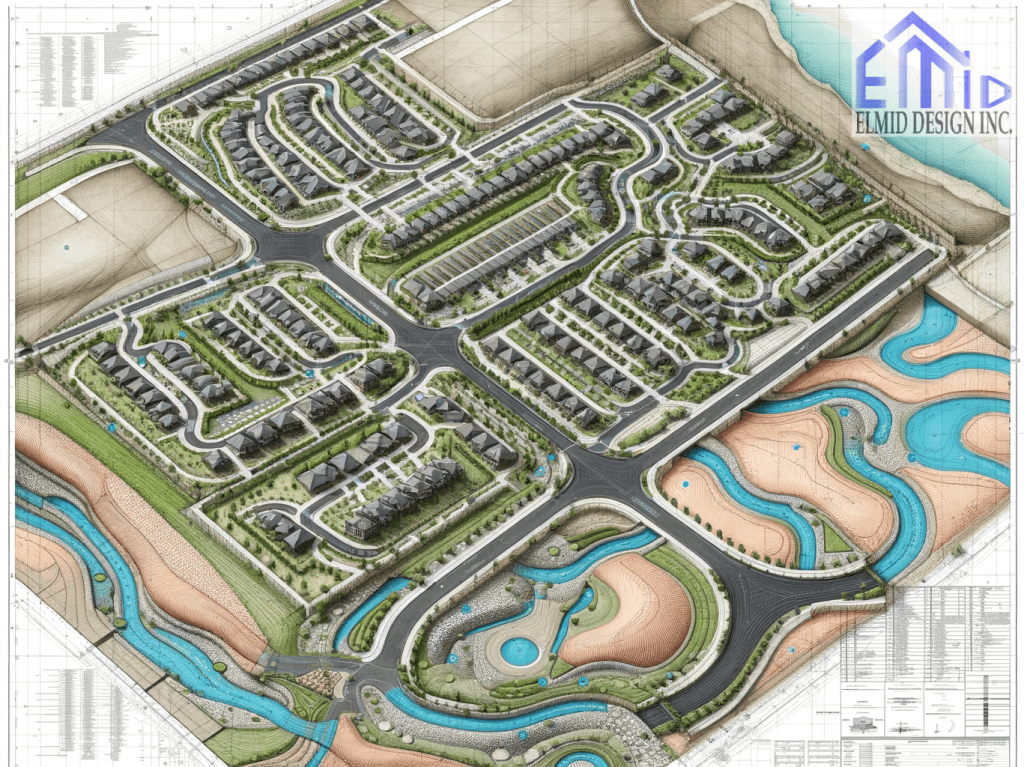
Signs You Need Drainage Grading Toronto
Many homeowners ignore early drainage problems until expensive repairs become unavoidable. Standing water often signals that the yard cannot move rainwater away efficiently. Wet areas that remain for several days usually indicate poor grading rather than heavy rainfall alone. Meanwhile, muddy sections prevent healthy grass growth because roots receive excessive moisture. Water stains on foundation walls also reveal that runoff follows the wrong direction. Furthermore, basement humidity often increases before visible leaks appear. Addressing these warning signs quickly protects the property while reducing future maintenance costs. Early grading improvements usually cost far less than repairing serious structural damage.
Standing Water Around the Property
Standing water creates one of the clearest signs that a property requires professional drainage grading. Rain should disappear within a reasonable time after every storm. However, water that remains for days usually indicates uneven ground or blocked drainage paths. Persistent puddles weaken soil while attracting insects and damaging nearby plants. Excess moisture also reduces lawn quality because grass roots cannot receive enough oxygen. Proper grading removes these low areas and encourages continuous water movement. Healthy drainage improves the appearance of the landscape while protecting valuable outdoor features from long-term deterioration.
Water Collecting Near the Foundation
Water should never remain beside a home’s foundation after rainfall or snowmelt. Instead, the surrounding ground should direct moisture away immediately. Constant water accumulation increases soil pressure against basement walls and foundation footings. Eventually, this pressure creates cracks that allow moisture to enter interior spaces. Proper drainage grading changes the slope so runoff leaves the building safely. Dry foundation soil improves structural stability while lowering future repair costs. Homeowners also reduce the risk of mold because moisture stays outside rather than entering basement areas.
Wet Basement Problems
A damp basement often begins with poor grading outside rather than plumbing problems inside. Surface water gradually finds weak points whenever soil remains saturated around foundation walls. Moisture then enters through cracks, construction joints, or small openings around utility lines. Proper grading reduces this pressure by directing runoff away before infiltration occurs. Lower moisture levels create healthier indoor air while protecting stored belongings. Families also benefit because finished basements remain comfortable throughout every season. Reliable drainage supports waterproofing systems by limiting the amount of water reaching foundation walls.
Lawn Damage Caused by Poor Drainage
Healthy lawns require balanced moisture instead of constant saturation. Poor grading creates wet areas where grass struggles to survive during every growing season. Waterlogged soil prevents roots from receiving enough oxygen for healthy development. Consequently, bare patches often replace attractive green lawns over time. Proper grading restores balanced drainage and improves growing conditions across the entire yard. Better soil conditions also support stronger plant growth while reducing disease problems. Attractive landscaping increases curb appeal and contributes to higher property value.
Foundation Cracks and Soil Movement
Foundation cracks often develop after years of uncontrolled drainage around the building. Wet soil expands during rainy periods before shrinking in dry weather. Continuous movement gradually places stress on concrete walls and footings. Small cracks frequently become larger if drainage problems remain unresolved. Professional grading limits excessive moisture while creating more stable ground conditions. Strong foundations maintain structural integrity because surrounding soil remains balanced throughout changing seasons. Long-term stability protects homeowners from costly structural repairs in the future.
Common Causes of Drainage Problems
Several factors contribute to drainage issues across residential properties in Toronto. Poor original grading remains one of the most common causes because water never follows the correct path. Soil settlement gradually changes elevations after construction finishes. Heavy rainfall also washes soil away from important drainage areas over time. Landscaping projects sometimes block natural runoff without proper planning. Hard surfaces may trap water if contractors install incorrect slopes. Identifying the true cause allows professionals to recommend solutions that provide lasting protection instead of temporary improvements.
Improper Original Grading
Some homes begin with grading that never directed water away correctly. Construction activities occasionally leave uneven ground after builders complete the project. Minor grading errors become larger problems as soil naturally settles during future years. Water then collects beside foundations instead of flowing toward drainage areas. Correcting these original mistakes protects the property before structural damage develops. Professional grading creates accurate elevations that improve water movement across the entire lot. Long-term drainage performance depends on proper planning from the beginning.
Soil Settlement Over Time
Every property experiences some degree of soil settlement after construction. Natural compaction gradually lowers certain areas while creating unexpected depressions across the yard. Water quickly fills these low spots during heavy rainfall. Repeated saturation weakens nearby soil and increases erosion around landscaped areas. Professional grading restores the original drainage pattern by filling settled sections with suitable material. Balanced elevations allow water to leave the property without creating additional problems. Stable ground supports healthier landscaping and stronger structural performance.
Downspout Drainage Issues
Roof drainage plays an important role in protecting foundations from water damage. Downspouts that discharge beside the home concentrate large amounts of water in one location. Saturated soil eventually creates drainage problems even if yard grading remains acceptable. Proper extensions move roof runoff farther from the building before it enters natural drainage paths. Combining correct grading with effective downspout placement provides stronger overall protection. Homeowners reduce moisture around foundations while improving the performance of the entire drainage system.
Landscaping That Blocks Water Flow
Beautiful landscaping should improve outdoor spaces without creating drainage problems. Unfortunately, raised garden beds, decorative borders, and improperly placed soil sometimes interrupt natural runoff. Water then pools behind these obstacles before reaching the foundation. Careful landscape design maintains attractive outdoor features while preserving efficient drainage. Professional planning ensures every landscaping element supports positive water movement. Balanced design protects both appearance and structural safety throughout the property.
Hardscape Drainage Problems
Patios, driveways, and walkways require correct slopes to prevent water accumulation. Flat or uneven surfaces often direct runoff toward buildings instead of away from them. Standing water also shortens the lifespan of concrete and paving materials. Proper grading creates smooth transitions between landscaped and paved areas. Consistent slopes improve safety because surfaces dry more quickly after rainfall. Homeowners enjoy lower maintenance costs while preserving the appearance of valuable outdoor improvements.
Retaining Walls Without Proper Drainage
Retaining walls require effective drainage because they hold back large amounts of soil. Water trapped behind these structures creates pressure that weakens their stability. Eventually, walls may crack, lean, or fail completely if moisture remains uncontrolled. Proper grading works together with drainage systems to reduce this pressure. Controlled runoff protects retaining walls while extending their service life. Strong drainage design also preserves nearby landscaping and prevents unnecessary erosion.
Drainage Problems Between Neighbouring Properties
Water often crosses property lines when grading changes unexpectedly between neighbouring lots. Poor drainage affects multiple homes because runoff always follows the lowest available route. Careful grading creates balanced elevations that reduce disputes while protecting surrounding properties. Professional planning considers nearby land levels before adjusting drainage patterns. Responsible grading improves neighborhood drainage without transferring problems elsewhere. Well-designed solutions benefit every property connected to the surrounding landscape.
Why Professional Drainage Assessment Matters
Every property presents unique drainage conditions that require careful evaluation before construction begins. Experienced professionals inspect elevations, soil characteristics, and existing drainage patterns before recommending improvements. Accurate measurements eliminate guesswork while supporting effective grading decisions. Engineering expertise becomes especially valuable for complex drainage challenges involving foundations, retaining walls, or significant elevation changes. Elmid Design Inc., a professional engineering company holding a Certificate of Authorization from Professional Engineers Ontario, provides engineering services for grading and drainage projects where professional design and technical expertise are required. Careful planning delivers reliable drainage performance while helping property owners protect their investment for many years.
Drainage Grading Solutions for Toronto Homes
Every property requires a drainage solution that matches its landscape, soil conditions, and water flow patterns. Professional grading creates positive slopes that move water away from structures without affecting neighboring properties. Careful planning also prevents future drainage problems before they become expensive repairs. Experienced contractors evaluate the entire site before recommending improvements because every lot behaves differently during heavy rainfall. Reliable drainage solutions protect foundations, preserve landscaping, and improve outdoor usability throughout every season. Smart investments today often eliminate major structural concerns for many years.
Lawn Regrading
Lawn regrading remains one of the most effective ways to improve drainage around residential properties. Contractors remove or add soil until the surface creates a consistent slope away from the home. Accurate grading allows rainwater to flow naturally toward safe drainage areas. Healthy lawns also benefit because balanced moisture supports stronger root growth. Proper regrading reduces muddy conditions while improving the appearance of outdoor spaces. Homeowners often notice immediate improvements after the first heavy rainfall because water no longer collects near the foundation.
French Drain Installation
French drains collect underground water before it reaches the foundation or low areas of the yard. Perforated pipes carry excess water through gravel-filled trenches toward approved discharge locations. This system works especially well where clay soil slows natural drainage. Professional installation ensures the drain follows the correct slope for continuous water movement. Combined with proper grading, French drains create dependable long-term protection against excessive moisture. Many homeowners choose this solution because it works below ground without affecting the landscape’s appearance.
Catch Basins for Surface Water
Catch basins remove surface water from driveways, patios, and landscaped areas before flooding develops. These structures collect runoff and direct it into underground drainage systems. Proper placement allows water to leave the property quickly during heavy storms. Routine cleaning also keeps catch basins operating efficiently throughout the year. Combining surface collection with accurate grading creates a complete drainage strategy. Homeowners reduce standing water while protecting paved surfaces from long-term damage.
Trench Drains for Hard Surfaces
Trench drains protect areas where large amounts of water flow across concrete or paved surfaces. Long drainage channels collect runoff before it reaches garages, entrances, or building foundations. Professional installation ensures proper elevation and continuous drainage performance. Correct grading directs water into the drain rather than allowing uncontrolled flow. This combination improves safety because walkways remain drier after rainfall. Durable trench drains also extend the lifespan of surrounding hardscape materials.
Swales Improve Natural Drainage
Swales create shallow channels that guide water safely across the landscape without causing erosion. Gentle slopes slow runoff while directing moisture toward suitable drainage areas. Well-designed swales blend naturally into residential landscapes without reducing curb appeal. Property owners often choose this solution because it handles large water volumes efficiently. Proper grading supports swales by maintaining continuous water movement throughout the entire property. Together, both systems create dependable drainage during every season.
Downspout Extensions Protect Foundations
Roof water should travel far from the foundation before entering the surrounding landscape. Downspout extensions move concentrated runoff away from vulnerable areas around the home. Proper extensions reduce soil saturation while limiting hydrostatic pressure against basement walls. Combined with accurate grading, they provide excellent protection during heavy rainfall and spring snowmelt. Homeowners also prevent erosion because water spreads evenly across suitable drainage areas. Simple improvements often deliver significant long-term benefits for foundation health.
Permeable Pavers Improve Water Infiltration
Permeable pavers allow rainwater to pass through surface openings instead of creating runoff. Water enters specially prepared base layers before soaking gradually into the surrounding ground. This process reduces flooding while supporting natural groundwater recharge. Professional installation ensures proper grading beneath the pavers for reliable performance. Attractive designs also improve outdoor living spaces without sacrificing drainage efficiency. Many Toronto homeowners choose permeable paving because it combines appearance with practical water management.
Dry Wells for Stormwater Control
Dry wells store excess rainwater underground until the surrounding soil absorbs it naturally. These systems reduce surface runoff while protecting nearby drainage infrastructure during heavy storms. Proper grading directs water toward the dry well instead of allowing uncontrolled flow. Professional design considers soil conditions before determining the appropriate system size. Reliable storage helps prevent localized flooding around residential properties. Dry wells also support sustainable stormwater management across urban neighborhoods.
Sump Pump Improvements
Sump pumps provide additional protection when groundwater approaches basement foundations. However, grading remains equally important because it reduces the amount of water reaching the system. Lower water volumes allow sump pumps to operate more efficiently during severe weather. Regular maintenance also ensures dependable performance whenever heavy rainfall occurs. Combining interior and exterior drainage solutions creates stronger property protection. Balanced systems reduce flood risks while extending equipment lifespan.
Residential and Commercial Drainage Grading
Residential and commercial properties require different drainage approaches because each site handles water differently. Homes usually focus on foundation protection, lawn drainage, and landscape preservation. Commercial developments often require larger drainage systems because paved areas generate greater runoff. Professional engineering evaluates every property before preparing grading recommendations. Careful planning supports safe water management while meeting project requirements. Proper grading benefits every property regardless of its size or intended use.
Toronto Drainage Grading Regulations
Property owners should understand local grading requirements before beginning major drainage improvements. Proper grading protects neighboring properties while supporting responsible stormwater management across the city. Projects involving significant land changes may require engineering review or municipal approvals. Following recognized standards also reduces future disputes regarding drainage between adjacent properties. Professional engineering guidance helps ensure grading plans satisfy applicable requirements. Early planning saves time while preventing unnecessary project delays.
How Professionals Complete Drainage Grading
Professional grading begins with a detailed site assessment that measures elevations across the property. Survey equipment identifies low areas, drainage paths, and foundation elevations before any work begins. Engineers and contractors then prepare grading plans that improve water movement safely. Construction crews carefully reshape the landscape while protecting existing structures and landscaping whenever possible. Final inspections verify that runoff follows the intended direction. Accurate workmanship delivers reliable drainage performance for many years.
Drainage Grading Costs in Toronto
Drainage grading costs vary according to property size, soil conditions, accessibility, and project complexity. Simple regrading projects usually require fewer materials and less construction time. Larger properties often need additional excavation, drainage systems, or landscaping restoration. Professional engineering services may also become necessary for complex grading designs. Investing in quality workmanship reduces future repair expenses by preventing water damage before it occurs. Long-term savings frequently outweigh the initial construction cost.
Maintaining Proper Yard Drainage
Routine maintenance helps every drainage system continue performing efficiently throughout the year. Homeowners should inspect grading after major storms and seasonal snowmelt. Low areas should receive additional soil before water begins collecting. Gutters and downspouts also require regular cleaning because blockages reduce drainage performance. Healthy vegetation further supports erosion control across landscaped areas. Consistent maintenance protects previous grading investments while extending the life of the drainage system.
Why Professional Engineering Matters
Drainage grading influences structural safety, landscape performance, and long-term property value. Engineering professionals evaluate every factor before recommending practical solutions. Accurate grading plans reduce construction errors while improving drainage reliability. Professional guidance also becomes valuable when projects involve retaining walls, new construction, or significant elevation changes. Elmid Design Inc. provides professional engineering services backed by a Certificate of Authorization from Professional Engineers Ontario for grading and drainage design projects. Technical expertise helps property owners achieve safe, durable, and code-conscious drainage solutions.
FAQ
What is drainage grading in Toronto?
Drainage grading shapes the land to move water away from buildings and toward safe drainage areas. Proper grading protects foundations, landscaping, and outdoor surfaces from water damage.
Why is drainage grading important?
Proper drainage grading prevents standing water, basement leaks, soil erosion, and foundation movement. It also improves property value while reducing future maintenance costs.
How do I know my property needs drainage grading?
Standing water, wet basements, foundation cracks, muddy lawns, and water flowing toward the house usually indicate grading problems. Early inspections help prevent costly structural repairs.
How much does drainage grading cost in Toronto?
Project costs depend on property size, soil conditions, accessibility, drainage requirements, and grading complexity. Professional assessments provide accurate pricing based on site conditions.
Can drainage grading stop basement flooding?
Proper grading greatly reduces basement flooding by directing water away from the foundation. Additional drainage systems may also improve protection for challenging properties.
How long does drainage grading last?
Quality drainage grading often lasts many years with regular maintenance. Periodic inspections help identify settlement before drainage performance declines.
Do I need professional engineering for drainage grading?
Simple projects may not require engineering services. Larger developments, complex grading plans, or projects involving structural elements often benefit from professional engineering expertise.
What is the best slope for proper drainage?
A gentle slope directing water away from the building usually provides effective drainage. Site conditions determine the most suitable grading design for each property.
Can poor drainage reduce property value?
Poor drainage often decreases property value because buyers recognize the risks of foundation damage and basement flooding. Effective grading improves both appearance and long-term reliability.
When should I inspect my drainage system?
Property owners should inspect drainage after heavy rainfall, spring snowmelt, landscaping changes, or whenever standing water appears. Regular inspections help identify problems before significant damage develops.

Why Choose Elmid Design Inc. for Drainage Grading in Toronto?
Elmid Design Inc. provides professional engineering services for drainage grading, lot grading, and site development across Toronto and the GTA. As a company holding a Certificate of Authorization from Professional Engineers Ontario, Elmid Design Inc. delivers practical engineering solutions that protect properties from drainage and foundation issues. Every project focuses on accurate grading design, regulatory compliance, and long-term performance. Clients benefit from experienced engineering guidance that supports safe, reliable, and cost-effective drainage solutions for residential and commercial developments.
Geographic Locations That We Service:
Our Licensed Professional Engineers specializing in Engineered Site Grading Plans offer the best-engineered site grading plan, lot grading and erosion plan, and drainage plan to obtain site plan approval and building permits in Ontario, including a wide range of municipalities. Each area boasts unique features and requirements, making our tailored approach essential for success.
Toronto and Surrounding Areas
In the vibrant heart of Ontario, we service Toronto (City of Toronto) and surrounding areas. Additionally, we cover Oshawa (City of Oshawa), Pickering (City of Pickering), and Clarington (Municipality of Clarington). Furthermore, our expertise extends to Ajax (Town of Ajax), Whitby (Town of Whitby), Brock (Township of Brock), Scugog (Township of Scugog and Uxbridge (Township of Uxbridge).
Halton Region
Moving to the Halton Region, our services encompass Burlington (City of Burlington) and Halton Hills (Town of Halton Hills). Also included are Milton (Town of Milton) and Oakville (Town of Oakville).
Peel Region
In the Peel Region, we provide services in Brampton (City of Brampton), Mississauga (City of Mississauga), and Caledon (Town of Caledon).
York Region
Our services in the York Region cover Vaughan (City of Vaughan), Aurora (Town of Aurora), and East Gwillimbury (Town of East Gwillimbury). We also cater to Georgina (Town of Georgina), Markham (City of Markham), Newmarket (Town of Newmarket), Richmond Hill (City of Richmond Hill), Whitchurch-Stouffville (Town of Whitchurch-Stouffville), King (Township of King), and Bradford-West Gwillimbury (Town of Bradford-West Gwillimbury). Each municipality here offers a distinct setting, requiring our specialized approach.
Other Southern Ontario Cities and Towns
We also serve many other cities and towns in Southern Ontario. These include Hamilton (City of Hamilton), St. Catharines (City of St. Catharines), Niagara on the Lake (Town of Niagara on the Lake), Brant (County of Brant), Cambridge (City of Cambridge), Kitchener (City of Kitchener), Waterloo (City of Waterloo), and Woodstock (City of Woodstock). Furthermore, we operate in Guelph (City of Guelph), Centre Wellington (Township of Centre Wellington), Shelburne (Town of Shelburne), Orangeville (Town of Orangeville), New Tecumseth (Town of New Tecumseth), Essa (Town of Essa), Collingwood (Town of Collingwood), Wasaga Beach (Town of Wasaga Beach), Barrie (City of Barrie), Midland (Town of Midland), Orillia (City of Orillia), Ramara (Town of Ramara), Minden Hills (Town of Minden Hills), North Kawartha (Town of North Kawartha), Kawartha Lakes (City of Kawartha Lakes), Peterborough (City of Peterborough), Selwyn (Town of Selwyn), and Brighton (Municipality of Brighton).