
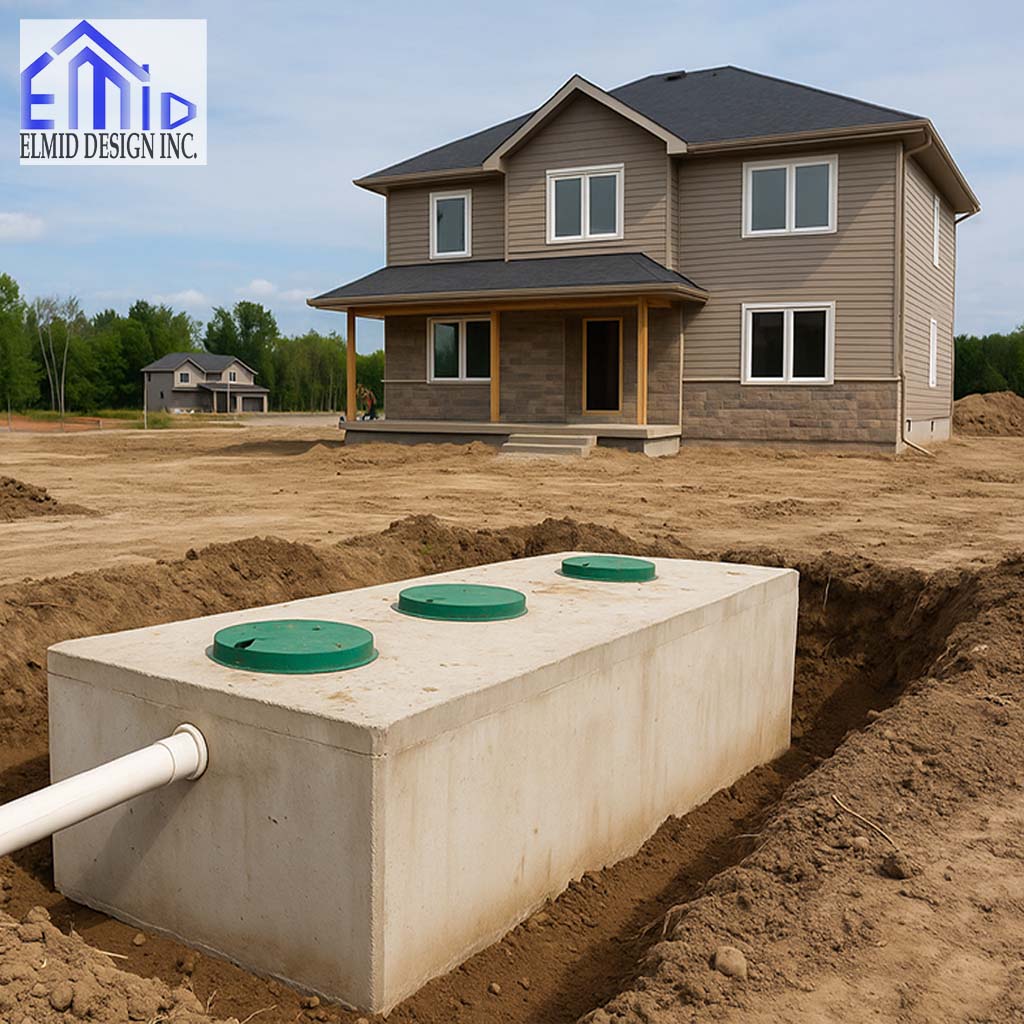
A septic engineer Vaughan helps property owners design safe and reliable wastewater systems that meet strict Ontario rules, and many homeowners depend on this service when building, renovating, or replacing older systems. The work requires accuracy because Vaughan soil conditions change quickly between neighbourhoods, and each property has unique drainage limits. Understanding what a septic engineer Vaughan does makes the design process easier and helps property owners protect their home, land, and investment. This guide explains how engineering works, why it matters, and how professionals create septic systems that perform well for many years.
Understanding the Role of a Septic Engineer Vaughan
A septic engineer Vaughan evaluates the land, studies soil conditions, and creates a system layout that treats wastewater safely. The engineer measures distances, checks slopes, and reviews how the soil absorbs water. These steps ensure the design fits the property and follows Ontario standards. Vaughan has a mix of clay, sand, and compacted soils, so the engineer must choose solutions that match each condition. Strong engineering prevents system overload and supports clean and reliable wastewater treatment.
Why Septic Engineering Matters in Vaughan
Many homes in Vaughan rely on private wastewater systems because not all areas have access to municipal sewers. A septic engineer Vaughan helps these properties stay safe by designing systems that manage household waste without harming the environment. The engineer reviews possible risks such as high groundwater, tight lot sizes, and seasonal drainage patterns. This leads to designs that operate safely every day. Professional engineering also prevents costly repairs by avoiding mistakes that can occur when systems are not properly planned.
Key Steps a Septic Engineer Vaughan Follows
A septic engineer Vaughan works through several steps before completing a final design. The process starts with gathering property details and reviewing local zoning requirements. The engineer performs a soil test, checks groundwater depth, and examines the slope of the land. After collecting this information, the engineer completes calculations for tank size, pipe layout, and septic bed placement. Each step ensures the final plan meets performance and safety standards that protect the property and environment.
Soil Testing for Septic Design in Vaughan
Soil testing is a vital step because it shows how well the soil can filter wastewater. A septic engineer Vaughan digs test pits, checks soil texture, and studies how water moves through the ground. Vaughan has areas with heavy clay that drain slowly and others with sandy soil that drains quickly. The engineer uses this data to choose the right system type and size. Accurate soil testing prevents system failure and ensures the wastewater receives proper treatment before reaching the natural ground.
Site Evaluation and Property Layout
A septic engineer Vaughan studies the full property layout to ensure the septic system fits safely within the available space. The engineer looks at property boundaries, nearby wells, elevation changes, landscaping, and possible flood zones. These details influence where the tank, pipes, and septic bed can be placed. A strong site evaluation prevents future issues such as poor drainage or system overflow. Proper planning improves system lifespan and keeps the property safe for years.
Designing a System That Meets Ontario Standards
Ontario has strict rules for wastewater treatment, and a septic engineer Vaughan must design systems that follow these standards closely. The engineer calculates daily flow rates, bed sizing, safety setback distances, and soil loading limits. These rules protect groundwater and prevent contamination. A well-designed system meets all technical requirements and passes municipal review without delays. Homeowners benefit from a design that is safe, efficient, and compliant with provincial codes.
Producing Engineering Drawings
Engineering drawings explain every detail of the septic system. A septic engineer Vaughan creates drawings that show tank placement, pipe slopes, septic bed layout, and soil information. These drawings guide installers during construction and help inspectors verify that the system was built correctly. Clear drawings reduce confusion and prevent expensive mistakes. They also become part of the property record and help future homeowners understand the system layout.
Managing High Water Table Conditions in Vaughan
Some Vaughan neighbourhoods experience high groundwater levels during spring or after heavy rain. A septic engineer Vaughan checks water table depth to prevent systems from saturating or leaking. When the water table is too close to the surface, the engineer may design a raised bed or use advanced treatment systems. These solutions keep the system operating safely throughout the year. Proper groundwater evaluation protects the environment and strengthens long-term reliability.
Long-Term System Reliability Through Engineering
A septic engineer Vaughan designs systems that last many years by selecting strong materials and creating layouts that reduce stress on the septic bed. Good engineering improves filtration, protects soil health, and limits the chance of clogging. A reliable system saves homeowners money because it needs fewer repairs. Planning for long-term performance ensures the system stays safe even as the home’s needs change over time.
The Advantage of Using a Licensed Engineering Firm
Working with a licensed engineering firm gives homeowners confidence that the work follows professional and ethical standards. Elmid Design Inc holds a Certificate of Authorization from Professional Engineers Ontario, which confirms that all designs are supervised by licensed engineers. This level of oversight protects the homeowner and supports faster municipal approvals. It also ensures the system performs properly and meets safety standards throughout its lifespan.
How Septic Engineers Support the Approval Process
Getting approval from local authorities is an important step in septic system installation. A septic engineer Vaughan prepares the documents required for review and submits detailed reports that show how the design meets code requirements. The engineer also answers questions from municipal staff and provides clarifications when needed. Clear communication helps prevent delays and makes the process easier for homeowners. Strong engineering documents increase the chance of fast approvals.
Design Challenges on Small or Narrow Lots
Some properties in Vaughan have limited outdoor space. A septic engineer Vaughan creates solutions that fit safe systems into tight areas while still meeting all setback rules. The engineer may use a compact bed layout, raised system, or advanced treatment unit. Creative planning allows homeowners to stay compliant without sacrificing yard usability. Proper design avoids costly adjustments during construction and ensures the system works well even in restricted spaces.
Environmental Protection Through Strong Engineering
A septic engineer Vaughan helps protect local streams, groundwater, and natural areas by designing systems that treat wastewater safely. The engineer ensures wastewater filters through soil layers at the correct speed and does not reach water sources. Vaughan has sensitive environmental zones that require careful planning. Well-designed systems support clean water, protect wildlife, and reduce environmental risk for homeowners.
Advanced Technology in Septic System Planning
Modern tools help a septic engineer Vaughan design systems with greater accuracy. Digital modeling, soil analysis equipment, and advanced measurement tools give the engineer precise data. These technologies help analyze slopes, drainage patterns, and soil behaviour, leading to better system performance. Technology also speeds up design revisions and supports clear communication with municipal reviewers. High-quality tools lead to better long-term system results.
The Link Between Engineering and Property Value
A well-engineered septic system improves property value because buyers trust systems designed by licensed professionals. A septic engineer Vaughan creates drawings, soil reports, and approvals that show the system meets Ontario rules. These documents help during selling or refinancing. They also prove that the system was built with care and technical accuracy. A documented, engineered design reduces future issues and strengthens buyer confidence.
How a Septic Engineer Vaughan Selects the Right System Type
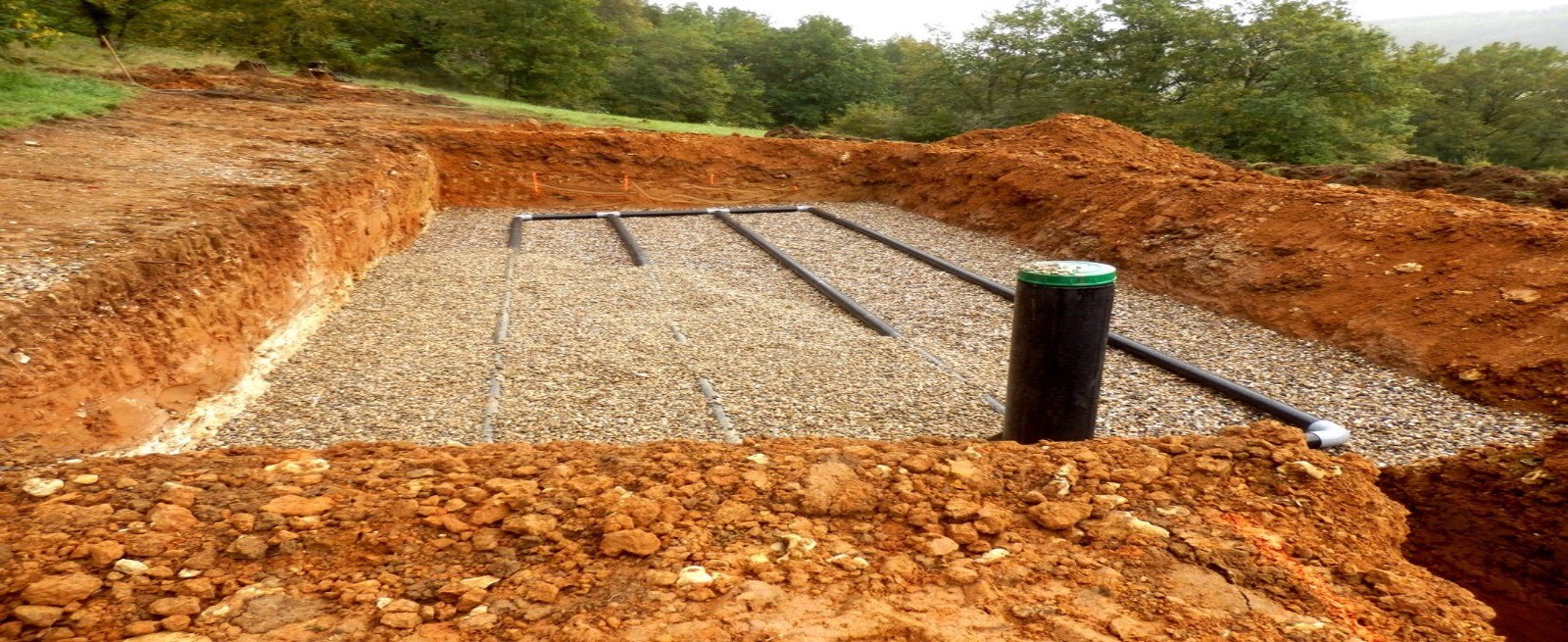
A septic engineer Vaughan selects the system type by comparing soil depth, groundwater levels, and available property space because each site has different limits that affect system safety. The engineer studies how the soil absorbs water and chooses a design that works with natural conditions instead of against them. Some Vaughan homes require raised beds while others work well with conventional layouts. These choices protect homeowners from future issues by creating systems that handle daily wastewater flow with stability and consistency.
Engineering Steps After Initial Testing
Once the engineer completes soil tests and site reviews, a septic engineer Vaughan begins detailed calculations that determine tank size, pipe slope, and wastewater loading needs. This stage transforms raw data into a clear design that matches Ontario rules and local site limits. The engineer evaluates how the system will behave during heavy rainfall or winter freeze and adjusts the layout to protect the property. These steps reduce risk and support long-term system reliability for Vaughan homeowners.
The Importance of Detailed Engineering Reports
Clear engineering reports help municipal reviewers understand every part of the design. A septic engineer Vaughan writes reports that explain soil results, system sizing, and safety controls so the reviewer can confirm compliance without delays. Strong reporting prevents the project from being held up during approval and helps homeowners avoid repeated submissions. These documents also serve as future reference for repairs, upgrades, or home sales, adding lasting value to the property.
The Role of Elmid Design Inc in Septic Engineering Quality
Elmid Design Inc provides septic engineering services backed by licensed professionals and a Certificate of Authorization from Professional Engineers Ontario, which assures property owners that all work meets the highest professional standards. The firm uses accurate soil review methods, strong design tools, and clear documentation that help systems pass approval and perform well for many years. This level of expertise helps homeowners protect their property and ensures their septic system meets Ontario’s rules.
How a Septic Engineer Vaughan Supports Construction
Design is only the first stage of a safe system. A septic engineer Vaughan often supports construction by guiding installers and confirming that each step follows the approved plan. The engineer may check trench depth, pipe alignment, and bed placement to ensure the system functions as intended. This guidance prevents errors that could shorten system life or cause early failure. Installers appreciate the clarity, and homeowners gain confidence knowing the system is built correctly.
The Value of Construction Inspections
Construction inspections help protect homeowners from hidden problems. A septic engineer Vaughan may visit the site at key moments to confirm that the tank is set at the right elevation, the pipes follow the correct grade, and the septic bed matches the design. These inspections prevent issues that are difficult or expensive to fix later. Regular oversight leads to a system that operates safely and remains compliant with Ontario regulations.
Why Maintenance Planning Starts at the Design Stage
A septic engineer Vaughan plans maintenance access points during design so the system stays easy to manage over time. The engineer includes inspection ports, filter access, and clear routing that allow technicians to service the system without digging or making complicated repairs. This preparation reduces maintenance costs and helps the system last longer. Strong design choices support easier care and create safer long-term performance for the property.
Environmental Protection Through Strong Engineering
A septic engineer Vaughan ensures wastewater is treated safely before it reaches the environment. The engineer selects system depth, filtration stages, and bed layout that keep harmful bacteria away from groundwater and streams. Because Vaughan has sensitive natural areas, careful planning reduces environmental risks and protects local water quality. Strong engineering supports both the homeowner and the community by controlling how wastewater flows through soil and natural drainage paths.
Modern Technology Used in Septic Engineering
Modern tools improve accuracy at every stage of design. A septic engineer Vaughan may use digital mapping, GPS measurements, and soil analysis software to analyze the property. These tools help confirm slopes, measure distances, and detect drainage patterns that affect system placement. Technology speeds up design revisions and strengthens communication with municipal reviewers. This leads to safer systems and fewer surprises during installation.
How Septic Engineers Manage Small or Narrow Vaughan Lots
Many Vaughan properties have limited space due to lot shape or existing structures. A septic engineer Vaughan creates solutions that meet safety rules without wasting space. The engineer may design compact systems, raised beds, or advanced units that fit within tight boundaries. These approaches keep the property usable while still meeting Ontario rules. Careful planning prevents layout conflicts and avoids costly redesigns during construction.
The Role of Advanced Treatment Systems
Advanced treatment systems give homeowners more flexibility when soil or space is limited. A septic engineer Vaughan recommends these units when the property cannot support a standard bed or when environmental protection requires higher treatment quality. Advanced systems treat wastewater more effectively before it enters the soil. This helps the system stay stable even when conditions are difficult. Proper design and planning ensure these systems work efficiently.
How Climate and Weather Impact Septic Systems
Vaughan experiences cold winters, heavy rain, and rapid snowmelt, all of which affect septic system performance. A septic engineer Vaughan studies these factors and designs systems that stay stable in extreme conditions. The engineer may adjust pipe depth to avoid frost damage or choose layouts that handle large amounts of water during storms. These decisions prevent seasonal failures and protect the property throughout the year.
The Importance of Early Engineering Consultation
Consulting a septic engineer Vaughan early in a project helps homeowners avoid unexpected issues. Early evaluation reveals soil limits, groundwater concerns, and layout restrictions that may influence the final design. The engineer provides advice that guides the project in the right direction and helps homeowners plan the budget more accurately. Early involvement reduces stress and supports faster and smoother approvals.
Monitoring and Long-Term System Health
Some systems benefit from long-term monitoring. A septic engineer Vaughan designs systems with inspection points that allow easy performance checks. Monitoring helps catch issues early and protects the soil from contamination. It also helps determine when maintenance is needed. This approach increases system lifespan and supports long-term reliability for Vaughan homeowners.
How Septic Engineers Support Real Estate Needs
A septic engineer Vaughan helps homeowners during real estate transactions by reviewing system condition and confirming compliance with Ontario rules. Buyers appreciate engineering documentation because it proves the system is safe and properly designed. Sellers benefit from having clear records because it adds value to the property. Engineering support reduces uncertainty and improves trust during the transaction.
How a Septic Engineer Vaughan Addresses Seasonal Soil Movement
Seasonal soil movement can affect how wastewater travels through the ground, and a septic engineer Vaughan studies this pattern before designing a system. Vaughan soils may expand during wet seasons and tighten during dry months, which changes how the soil absorbs water. The engineer adjusts pipe elevation, tank placement, and bed layout to keep the system stable all year. This planning prevents strain on the system during seasonal shifts and protects the property from unexpected drainage issues.
The Impact of Climate Change on Septic Design
Climate change creates heavier storms, faster melt cycles, and longer wet seasons, and a septic engineer Vaughan must design systems that handle these new conditions. Changing weather affects how soil drains and increases the risk of groundwater fluctuations. The engineer plans for stronger filtration, improved water flow control, and layouts that remain steady during extreme conditions. These choices help the system stay reliable and protect both homeowners and the environment.
Rising Demand for Advanced Septic Solutions in Vaughan
As Vaughan continues to grow, more properties need advanced septic solutions to meet environmental and land-use standards. A septic engineer Vaughan may recommend treatment units that clean wastewater more thoroughly before it reaches the soil. These systems are useful when the lot is small or when conditions demand extra protection. This approach allows homeowners to meet strict regulations while keeping the property functional and safe.
Balancing Cost and Long-Term Value
Homeowners want a system that performs well without unnecessary costs, and a septic engineer Vaughan helps balance these needs through smart planning. The engineer compares different system options and explains how each one affects budget and future maintenance. This helps homeowners make decisions that fit both immediate goals and long-term reliability. Strong engineering avoids wasteful spending and creates a system that remains dependable.
Collaboration Between Engineers and Installers
Clear communication between the engineer and the installation team is important for safe construction. A septic engineer Vaughan provides guidance so that installers follow the approved design accurately. This prevents changes in the field that could weaken the system. When both sides work together, construction moves smoothly and the final system performs as planned. This teamwork supports better results for homeowners.
Why Inspection Points Improve System Care
Inspection points are an important part of a safe septic system. A septic engineer Vaughan includes access locations in the design so technicians can check performance without disrupting the yard. These features allow early detection of blockages, filter issues, or drainage changes. Proper monitoring keeps the system healthy and extends its lifespan. This preparation begins at the design stage and supports easier care for homeowners.
How Septic Engineers Protect Vaughan’s Natural Areas
Vaughan has sensitive natural zones that require careful wastewater planning. A septic engineer Vaughan selects system depths, treatment stages, and soil loading rates that protect waterways. The engineer studies how water moves across the property and plans layouts that prevent contamination. These steps support healthy ecosystems, safe groundwater, and long-term environmental protection for the community.
Technology That Improves Engineering Accuracy
Digital tools help a septic engineer Vaughan achieve greater accuracy in every stage of planning. Elevation modeling, soil analysis tools, and advanced measurement systems make it easier to map slopes and drainage paths. Accurate data leads to better designs and fewer surprises during installation. Technology also helps engineers prepare clearer documents for municipal review, which speeds up approvals and reduces delays.
Creative Solutions for Irregular Vaughan Properties
Some Vaughan properties have irregular shapes, steep slopes, or obstacles that complicate design. A septic engineer Vaughan uses creative layouts and modern treatment systems to overcome these limits. The engineer may shift the septic bed, adjust grading, or select alternative treatment units that adapt to the land. These solutions help homeowners stay compliant while making full use of their property.
Why Choosing the Right Septic Engineer Vaughan Matters
The quality of the engineer affects the safety and performance of the entire system. A septic engineer Vaughan with strong training and local experience can design systems that meet Ontario rules and match the property’s unique challenges. Homeowners benefit from choosing a licensed engineering firm such as Elmid Design Inc, which holds a Certificate of Authorization from Professional Engineers Ontario. This professional oversight ensures that every step follows accepted engineering standards and protects the homeowner’s investment.
Frequently Asked Questions
What does a septic engineer Vaughan do
A septic engineer Vaughan designs wastewater systems by testing soil, evaluating the property, and creating plans that follow Ontario regulations. The engineer ensures the system treats wastewater safely and works with the land.
Why do Vaughan homeowners need a licensed septic engineer
Vaughan has mixed soil conditions and strict rules, so a licensed septic engineer Vaughan helps avoid problems by designing systems that stay safe, reliable, and compliant with provincial standards.
How long does septic engineering approval take in Vaughan
Timing depends on the property and municipal workload. A septic engineer Vaughan prepares clear documents that help reduce delays and support a smoother review process.
Can a septic engineer Vaughan increase property value
A well-designed septic system increases property value because buyers trust engineered systems that meet Ontario requirements. Clear reports and drawings help with future sales and renovations.
What makes Elmid Design Inc a strong choice for septic design
Elmid Design Inc is supervised by licensed professionals and holds a Certificate of Authorization from Professional Engineers Ontario. This gives homeowners confidence that every design meets strict engineering and safety standards.

Why Homeowners Trust Elmid Design Inc for Septic Engineering
Elmid Design Inc provides licensed septic engineering supported by a Certificate of Authorization from Professional Engineers Ontario, which ensures every design meets strict safety and regulatory standards. The firm uses accurate soil analysis, clear documentation, and modern tools to create reliable septic solutions for Vaughan properties. Homeowners value Elmid Design Inc for its technical precision, strong professional oversight, and commitment to long-term system performance.
Geographic Locations That We Service:
Our Licensed Professional Engineers specializing in Engineered Site Grading Plans offer the best-engineered site grading plan, lot grading and erosion plan, and drainage plan to obtain site plan approval and building permits in Ontario, including a wide range of municipalities. Each area boasts unique features and requirements, making our tailored approach essential for success.
Toronto and Surrounding Areas
In the vibrant heart of Ontario, we service Toronto (City of Toronto) and surrounding areas. Additionally, we cover Oshawa (City of Oshawa), Pickering (City of Pickering), and Clarington (Municipality of Clarington). Furthermore, our expertise extends to Ajax (Town of Ajax), Whitby (Town of Whitby), Brock (Township of Brock), Scugog (Township of Scugog and Uxbridge (Township of Uxbridge).
Halton Region
Moving to the Halton Region, our services encompass Burlington (City of Burlington) and Halton Hills (Town of Halton Hills). Also included are Milton (Town of Milton) and Oakville (Town of Oakville).
Peel Region
In the Peel Region, we provide services in Brampton (City of Brampton), Mississauga (City of Mississauga), and Caledon (Town of Caledon).
York Region
Our services in the York Region cover Vaughan (City of Vaughan), Aurora (Town of Aurora), and East Gwillimbury (Town of East Gwillimbury). We also cater to Georgina (Town of Georgina), Markham (City of Markham), Newmarket (Town of Newmarket), Richmond Hill (City of Richmond Hill), Whitchurch-Stouffville (Town of Whitchurch-Stouffville), King (Township of King), and Bradford-West Gwillimbury (Town of Bradford-West Gwillimbury). Each municipality here offers a distinct setting, requiring our specialized approach.
Other Southern Ontario Cities and Towns
We also serve many other cities and towns in Southern Ontario. These include Hamilton (City of Hamilton), St. Catharines (City of St. Catharines), Niagara on the Lake (Town of Niagara on the Lake), Brant (County of Brant), Cambridge (City of Cambridge), Kitchener (City of Kitchener), Waterloo (City of Waterloo), and Woodstock (City of Woodstock). Furthermore, we operate in Guelph (City of Guelph), Centre Wellington (Township of Centre Wellington), Shelburne (Town of Shelburne), Orangeville (Town of Orangeville), New Tecumseth (Town of New Tecumseth), Essa (Town of Essa), Collingwood (Town of Collingwood), Wasaga Beach (Town of Wasaga Beach), Barrie (City of Barrie), Midland (Town of Midland), Orillia (City of Orillia), Ramara (Town of Ramara), Minden Hills (Town of Minden Hills), North Kawartha (Town of North Kawartha), Kawartha Lakes (City of Kawartha Lakes), Peterborough (City of Peterborough), Selwyn (Town of Selwyn), and Brighton (Municipality of Brighton).