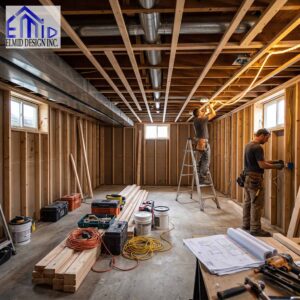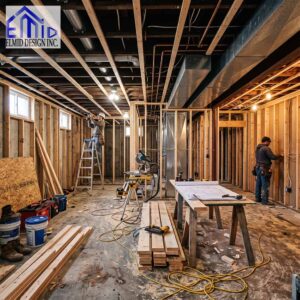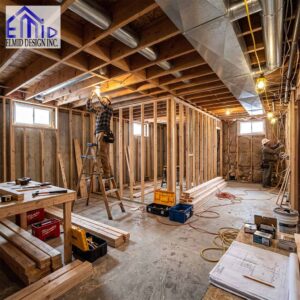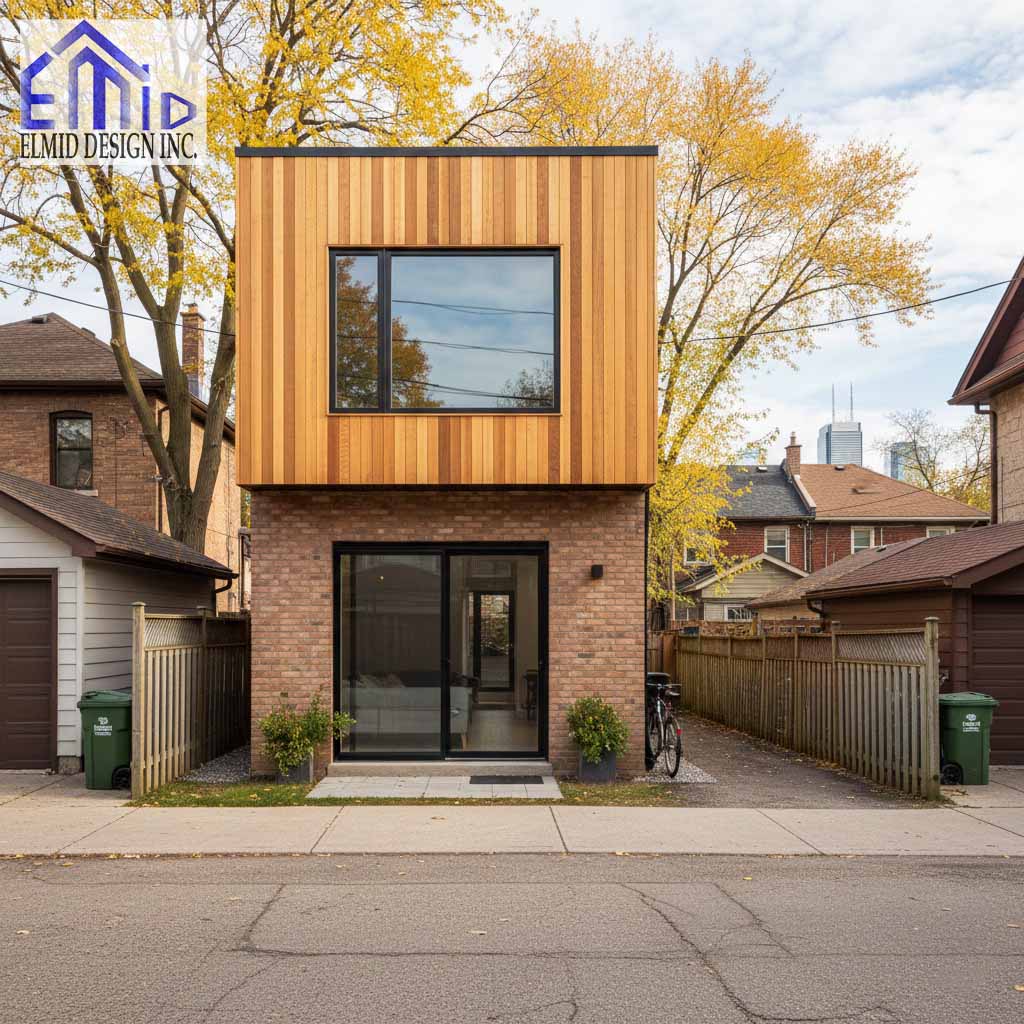
A laneway suite Toronto project helps homeowners add valuable living space within dense neighbourhoods, yet many people feel unsure about the rules that shape each build. Toronto supports laneway housing because it adds rental options and improves urban density. Every laneway suite requires careful planning because zoning rules, design limits, and servicing needs affect final approval. Strong guidance helps owners understand each step without stress. Elmid Design Inc provides expert engineering that matches Toronto’s expectations and supports safe construction. Licensed professionals bring authority and clarity, which improves project success and aligns with modern housing goals. This guide explains essential details about laneway suites across Toronto using simple language that supports confident decision-making.
What a Laneway Suite Toronto Offers Homeowners
A laneway suite Toronto provides flexible housing space on residential lots. Many owners create rental units that add income and support long-term property value. Others create private living areas for family members who need a comfortable home close to support and services. Laneway suites improve neighbourhood density without large developments. Designs fit behind existing homes and use space that usually sits unused. Toronto encourages these units because the city needs more housing choices. Elmid Design Inc helps owners plan layouts that respect zoning rules and keep construction straightforward. Proper planning ensures long-term function and strong financial value.
Toronto Rules That Shape Every Laneway Suite
Toronto uses detailed rules to control how each laneway suite fits within local neighbourhoods. Designers must respect minimum setbacks, height limits, privacy rules, and service access requirements. Many sites also face shadow limits that shape building massing. Careful planning ensures the building respects the character of nearby homes. Toronto also needs safe fire access from the street or laneway. These rules protect residents and ensure each suite remains safe. Elmid Design Inc reviews zoning expectations and outlines clear design steps that help owners avoid costly changes. Strong understanding of the rules supports quicker approvals and smoother construction.
The Value of Strong Design for a Laneway Suite Toronto
Good design improves comfort, privacy, and long-term value. Laneway suites need smart layouts because space remains tight on many Toronto lots. Engineers and designers shape compact rooms that feel open and bright. Windows also require careful placement to avoid privacy issues with neighbouring homes. Sound structural planning protects the building and supports energy-efficient construction. Sewage, water, and power lines also require thoughtful routing. Elmid Design Inc provides detailed structural and civil planning that strengthens every project. Clear designs help builders understand requirements and keep work aligned with city expectations.
Zoning Constraints for Laneway Suite Toronto Projects
Zoning rules guide building placement, height, and overall massing. Many lots allow laneway suites, yet each property must meet access and setback rules before designs begin. Designers must consider tree protection, lot coverage, and neighbouring context. Some laneways remain narrow, which affects fire access and building placement. Strong assessment avoids design changes that cost time and money. Elmid Design Inc examines zoning constraints early and outlines design strategies that fit each property. Owners gain realistic expectations, which supports efficient decision-making. Careful zoning review protects project timelines and reduces approval risks.
Engineering Requirements for a Laneway Suite Toronto
A laneway suite Toronto requires structural engineering that supports safe construction in tight urban spaces. Foundations must match soil conditions because laneway areas often vary across neighbourhoods. Structural systems must also fit small building footprints while supporting modern loads. Mechanical and plumbing routing requires careful attention because services connect through the main house. Electrical upgrades may also be needed to support the suite. Clear engineering documents help builders avoid mistakes during construction. Elmid Design Inc provides licensed engineering that meets Ontario expectations and follows best practices. Strong engineering creates safer buildings and supports faster approvals.
Servicing Needs for Laneway Suite Toronto Construction
Servicing plays a major role in laneway suite success. Water and sewer lines often connect through the main house, so careful routing becomes essential. Many older Toronto homes require service upgrades to handle the added load. Drainage design must guide water away from structures and prevent pooling along the laneway. Fire access also affects servicing because clear pathways allow emergency crews to reach the site. Elmid Design Inc reviews site servicing early and recommends practical solutions that maintain safe flow and strong performance. Clear servicing plans reduce confusion during approvals and construction.
Fire Access Design for Laneway Suites in Toronto
Fire access rules shape many laneway suite Toronto designs because narrow spaces require safe routes for emergency crews. Designers must ensure fire personnel can reach the suite without obstruction. Routes must stay clear, stable, and direct, which influences building placement and landscaping choices. Some lots need unique design strategies to meet fire access rules. Strong planning prevents issues during review and protects future occupants. Elmid Design Inc evaluates each property and prepares clear design steps that satisfy Toronto’s fire access requirements. These steps support safety and improve approval speed.
Grading Requirements for Laneway Suite Toronto Sites
Grading design protects buildings from drainage problems and supports safe paths around the property. Toronto rules expect positive drainage that directs water away from buildings and toward safe outlets. Tight sites require careful grading because small slope changes affect water flow. Improper grading may cause pooling or foundation issues. Engineers study the lot shape and create grading plans that support drainage without affecting neighbours. Elmid Design Inc provides grading solutions that match city expectations and promote long-term performance. Strong grading plans prevent problems and reduce construction delays.
Structural Considerations for Laneway Suites
Laneway suites require compact yet strong structural systems. Engineers must design framing that fits limited footprints while supporting modern loads. Many suites include upper floors, which adds weight and requires careful support. Snow loads also affect roofs across Toronto, so structures must withstand local weather. Energy-efficient designs often include thicker walls, which influence framing choices. Elmid Design Inc evaluates structural needs and prepares safe, clear designs that follow Ontario standards. Good engineering reduces construction risks and improves building quality.
Planning Interior Layouts for Comfort and Practical Use
Interior layouts affect daily comfort and long-term property value. Designers shape living spaces that feel open despite small footprints. Kitchens, bathrooms, and sleeping areas must remain functional and efficient. Careful placement of windows improves light and ventilation. Designs also consider privacy from the main house and nearby properties. Engineers and designers coordinate structural supports with interior spaces to keep layouts flexible. Elmid Design Inc helps owners create spaces that feel larger than their size and support comfortable living. Thoughtful interior planning improves overall project success.
Energy Efficiency in a Laneway Suite Toronto
Energy efficiency supports comfort and reduces long-term costs. Toronto encourages high-performance designs because they reduce environmental impact. Good insulation, smart window placement, and efficient mechanical systems keep suites warm in winter and cool in summer. Engineers review options to match the compact size of laneway suites. Smaller buildings require balanced systems that deliver consistent performance. Elmid Design Inc provides energy-minded planning that supports city goals and improves homeowner satisfaction. Energy-focused design strengthens comfort and long-term building value.
Materials and Durability for Laneway Suites
Durability matters because laneway suites face varied Toronto weather conditions. Exterior materials must remain strong against rain, snow, and sun exposure. Designers choose cladding and roofing that resist moisture and support long service life. Interiors also need durable finishes that handle frequent use. Good material choices reduce maintenance and protect long-term value. Elmid Design Inc recommends materials that match structural needs and site conditions. Durable materials keep suites attractive and safe for many years.
Landscaping and Privacy for Laneway Suites
Landscaping shapes how laneway suites blend into neighbourhoods. Carefully placed greenery improves privacy and softens building edges. Many Toronto lots require thoughtful design because space remains limited. Plants also help manage drainage and control erosion. Owners often seek private outdoor areas for comfort and relaxation. Elmid Design Inc provides landscape guidance that respects zoning rules and improves site function. Strong landscaping design supports visual appeal and long-term property value.
Cost Planning for Laneway Suite Toronto Projects
Cost planning helps owners stay confident through construction. Laneway suites vary in price depending on size, materials, servicing needs, and structural design. Early engineering and zoning review helps avoid surprises. Clear budgets keep projects on schedule and within expected limits. Toronto’s rules require specific design elements that influence cost. Elmid Design Inc provides accurate estimates that reflect real conditions and project goals. Strong cost planning protects owners from unexpected challenges.

Permits Required for a Laneway Suite Toronto
Permits shape every laneway suite Toronto project because each build must follow strict municipal rules. Toronto reviews zoning, grading, servicing, fire access, and structural documents before granting approval. Permit delays often occur when drawings lack detail or ignore site limits. Strong planning reduces problems and creates smoother review cycles. Many owners feel overwhelmed, yet clear guidance transforms the process into manageable steps. Elmid Design Inc prepares accurate engineering documents that support fast approval and limit revisions. Efficient permitting improves project stability and protects construction budgets.
Survey and Site Analysis for Accurate Planning
Survey data supports precise laneway suite design because lot shapes vary across Toronto. Each site includes unique slopes, boundaries, and access points that influence layout. Accurate survey information helps designers understand real constraints before shaping plans. Soil conditions also matter because foundation strength depends on ground behaviour. Engineers study these details and outline structural needs with clarity. Elmid Design Inc reviews each site carefully and integrates survey data into strong engineering strategies. Detailed analysis sets a reliable path forward and reduces unexpected issues.
Utility Coordination for Laneway Suite Toronto Builds
Utility planning remains essential because laneway suites depend on safe connections for water, power, and sewer services. Many older Toronto homes need upgrades that support the added load. Coordination with utility providers helps identify required changes early. Careful routing prevents conflicts with existing structures and landscaping. Engineers design service lines that follow safety standards and maintain reliable performance. Elmid Design Inc provides clear utility plans that simplify installation and improve long-term reliability. Strong coordination protects project timelines and limits construction problems.
Fire Separation and Safety Requirements
Fire safety rules influence laneway suite Toronto designs because buildings sit close to neighbouring structures. Designers include fire-rated assemblies that protect residents and meet city standards. Window placement and material choices also change when fire separation becomes critical. Clear safety planning reduces risks and improves comfort for future occupants. Engineers review wall systems, structural components, and layout choices to maintain compliance. Elmid Design Inc guides owners through safety requirements with detailed explanations that support confident decisions. Strong fire protection strengthens every laneway suite and aligns with Toronto expectations.
Structural Engineering for Tight Urban Lots
Laneway suites need efficient structural systems because Toronto lots often provide limited space. Engineers design frames that support loads without creating unnecessary bulk. Foundation choices reflect soil strength, building height, and environmental factors. Structural solutions must handle snow, wind, and long-term use. Elmid Design Inc prepares engineered systems that fit compact footprints while providing strong durability. Well-planned structures reduce construction challenges and improve safety throughout the building’s life.
Mechanical and Electrical Planning for Efficiency
Mechanical and electrical systems require thoughtful coordination because space remains tight inside laneway suites. Proper ventilation keeps air quality high and reduces moisture buildup. Heating and cooling equipment must fit within compact rooms without reducing comfort. Electrical loads also require review to ensure safe power access. Elmid Design Inc helps owners select equipment that offers efficient performance without unnecessary complexity. Good mechanical and electrical planning improves comfort and long-term reliability.
Accessibility Considerations for Laneway Suites
Accessibility supports safe use and improves long-term value. Designers may include ground-level entries, wider circulation paths, and clear layouts that support comfortable movement. Many owners choose accessible features because they help future tenants and family members. Engineers review slope, doorway width, and structural needs before integrating accessibility into the design. Elmid Design Inc supports accessibility planning with practical solutions that match site conditions. Thoughtful design expands the usefulness of laneway suites across Toronto.
Noise Control for Urban Living
Noise management enhances comfort because laneway suites sit near active spaces. Sound travels easily along narrow laneways, so walls and windows need proper design. Strong insulation reduces interior noise and improves privacy. Mechanical equipment placement also affects sound levels, so careful planning keeps units quiet. Elmid Design Inc integrates acoustic considerations into structural and layout choices. Reliable noise control creates enjoyable living spaces in dense neighbourhoods.
Sustainable Features for a Laneway Suite Toronto
Sustainable design improves energy performance and reduces long-term costs. Many laneway suites benefit from high-efficiency systems, smart insulation, and thoughtful window placement. Green strategies improve comfort and reduce environmental impact. Designers consider solar orientation, shading, and ventilation to increase natural efficiency. Elmid Design Inc supports sustainable planning that fits Toronto’s climate and building standards. Sustainability strengthens property value and supports long-term livability.
Interior Finishes for Durable Living
Interior finishes must handle daily use while maintaining aesthetic quality. Durable flooring, moisture-resistant walls, and long-lasting fixtures help reduce maintenance. Compact layouts require thoughtful finish choices that create a sense of space. Designers select colours and materials that improve brightness and comfort. Elmid Design Inc offers guidance that aligns durability with visual appeal. Strong finish planning improves overall usability and tenant satisfaction.
Construction Planning for Laneway Suite Toronto Projects
Construction planning shapes each project’s success because laneway sites offer limited access. Crews need clear routes for materials and equipment. Scheduling also requires attention because space restrictions slow certain tasks. Structural, mechanical, and grading plans must align before work begins. Elmid Design Inc supports construction planning with detailed engineering documents that help avoid delays. Strong preparation reduces stress and improves build quality.
Managing Construction Access for Laneway Suite Toronto Projects
Laneway sites often challenge construction teams because narrow routes limit equipment movement. Careful planning improves safety and efficiency throughout each build. Crews need predictable schedules that consider traffic, neighbours, and material storage. Designers also coordinate staging areas to avoid disruptions. Strong access strategies protect property and reduce delays. Elmid Design Inc evaluates each laneway and prepares plans that support smooth construction in tight spaces. Thoughtful access management helps owners maintain stable timelines and predictable costs.
Landscaping Strategies for Compact Laneway Lots
Landscaping supports comfort and privacy for laneway suite Toronto residents. Small yards benefit from plants that create soft boundaries and enhance outdoor use. Designers select vegetation that suits sun exposure, soil conditions, and maintenance needs. Strong landscape planning also improves drainage and reduces erosion. Each decision strengthens the connection between the suite and its surroundings. Elmid Design Inc provides landscape guidance that respects city rules and enhances property appeal.
Long-Term Maintenance for a Laneway Suite Toronto
Maintenance planning protects long-term value and reduces repair costs. Mechanical systems require scheduled service because small buildings rely on efficient operation. Exterior finishes need periodic inspection to prevent moisture issues. Drainage areas also require monitoring to keep water moving away from structures. Owners benefit from simple maintenance routines that preserve comfort and safety. Elmid Design Inc offers clear maintenance advice that supports long-lasting performance.
Rental Potential for a Laneway Suite Toronto
Laneway suites create strong rental opportunities because Toronto faces high housing demand. Proper layouts attract tenants who value privacy and modern comfort. Energy-efficient systems reduce bills and increase appeal. Good design also supports long-term income stability. Owners appreciate the financial flexibility that a legal rental unit provides. Elmid Design Inc helps shape suites that meet city standards and strengthen rental value.
Financial Planning for Laneway Suite Investments
Financial planning shapes project success because costs change with design choices, servicing needs, and lot conditions. Early budgeting reduces stress and guides decision-making. Owners review construction expenses, permit fees, and utility upgrades before committing. Clear financial analysis supports steady progress and avoids interruption. Elmid Design Inc provides engineering details that help owners build accurate budgets and protect long-term investment goals.
Neighbour Considerations for Laneway Suite Toronto Projects
Neighbour relations matter because laneway construction affects shared surroundings. Transparent communication reduces frustration and sets honest expectations. Designers respect privacy and limit shadow impacts wherever possible. Good planning helps maintain neighbourhood character and support positive community experiences. Elmid Design Inc prepares designs that consider neighbouring homes and foster cooperative development.
Integrating Smart Home Features in Laneway Suites
Smart technology improves daily living by offering efficient control of lighting, temperature, and security. Compact suites benefit from connected systems that maximize comfort with minimal equipment. Designers plan wiring and placements that support modern features without reducing space. Many owners appreciate smart controls because they improve energy use and convenience. Elmid Design Inc integrates these features into engineering plans that support long-lasting performance.
Winter Considerations for a Laneway Suite Toronto
Toronto winters influence drainage, heating, and access needs. Designers shape pathways that remain safe during snow and ice. Mechanical systems must handle cold temperatures while maintaining comfortable indoor environments. Proper insulation protects walls and prevents heat loss. Roof design also matters because snow loads affect structural requirements. Elmid Design Inc reviews winter conditions and prepares plans that strengthen performance in cold weather.
Enhancing Privacy Between Primary Homes and Laneway Suites
Privacy improves living comfort for both units. Designers use window placement, screening, and landscaping to create separation. Outdoor spaces also require thoughtful planning to avoid uncomfortable overlap. Smart layouts ensure each household enjoys independent use of the property. Elmid Design Inc plans privacy strategies that respect site limits and improve daily living.
Coordinating Inspections for Laneway Suite Toronto Builds
Inspections support safety and quality during construction. Engineers guide owners through required steps and ensure work aligns with approved plans. Clear documentation smooths each inspection and avoids costly corrections. Regular communication helps crews stay aligned with expectations. Elmid Design Inc provides inspection support that keeps projects on track and maintains compliance with city standards.
FAQs for Laneway Suite Toronto
Do I need a survey for a laneway suite Toronto?
Most properties need a current survey because accurate boundaries support safe design and confirm zoning compliance.
How long does a laneway suite project take in Toronto?
Timelines differ with design complexity, approvals, and construction conditions. Early planning reduces delays and keeps work organized.
Can any Toronto property build a laneway suite?
Many lots qualify, yet some fail access or setback rules. Professional review confirms eligibility and outlines required adjustments.
What affects laneway suite construction costs?
Costs depend on servicing needs, structural design, lot size, material choices, and required upgrades to existing utilities.
Do laneway suites add rental value?
Laneway suites create strong rental opportunities because Toronto maintains high housing demand and limited supply.
Why is engineering important for laneway suites?
Engineering ensures structural safety, proper drainage, reliable servicing, and compliance with municipal requirements.
How does Elmid Design Inc support laneway suite projects?
Elmid Design Inc provides licensed engineering, zoning review, grading design, and structural planning that support safe and efficient construction.
What servicing upgrades are common?
Many older homes require electrical, water, or sewer upgrades to support added demand from the new suite.
Can laneway suites include two floors?
Two-storey designs remain common when height limits, fire access, and shadow rules allow. Engineering ensures safe structural performance.
Why does fire access matter for laneway suites?
Fire access protects residents and ensures emergency crews can reach the unit quickly under all conditions.

Why Elmid Design Inc Delivers Trusted Laneway Suite Engineering in Toronto
Elmid Design Inc provides licensed engineering that supports safe and efficient laneway suite Toronto projects. The firm holds a PEO Certificate of Authorization, which confirms regulated practice and strong professional oversight. Each design reflects Toronto’s zoning rules, servicing needs, and structural demands. Engineers offer clear guidance that simplifies approvals and strengthens construction quality. Homeowners rely on Elmid Design Inc for dependable expertise that protects property value and ensures long-term performance.
Geographic Locations That We Service:
Our Licensed Professional Engineers specializing in Engineered Site Grading Plans offer the best-engineered site grading plan, lot grading and erosion plan, and drainage plan to obtain site plan approval and building permits in Ontario, including a wide range of municipalities. Each area boasts unique features and requirements, making our tailored approach essential for success.
Toronto and Surrounding Areas
In the vibrant heart of Ontario, we service Toronto (City of Toronto) and surrounding areas. Additionally, we cover Oshawa (City of Oshawa), Pickering (City of Pickering), and Clarington (Municipality of Clarington). Furthermore, our expertise extends to Ajax (Town of Ajax), Whitby (Town of Whitby), Brock (Township of Brock), Scugog (Township of Scugog and Uxbridge (Township of Uxbridge).
Halton Region
Moving to the Halton Region, our services encompass Burlington (City of Burlington) and Halton Hills (Town of Halton Hills). Also included are Milton (Town of Milton) and Oakville (Town of Oakville).
Peel Region
In the Peel Region, we provide services in Brampton (City of Brampton), Mississauga (City of Mississauga), and Caledon (Town of Caledon).
York Region
Our services in the York Region cover Vaughan (City of Vaughan), Aurora (Town of Aurora), and East Gwillimbury (Town of East Gwillimbury). We also cater to Georgina (Town of Georgina), Markham (City of Markham), Newmarket (Town of Newmarket), Richmond Hill (City of Richmond Hill), Whitchurch-Stouffville (Town of Whitchurch-Stouffville), King (Township of King), and Bradford-West Gwillimbury (Town of Bradford-West Gwillimbury). Each municipality here offers a distinct setting, requiring our specialized approach.
Other Southern Ontario Cities and Towns
We also serve many other cities and towns in Southern Ontario. These include Hamilton (City of Hamilton), St. Catharines (City of St. Catharines), Niagara on the Lake (Town of Niagara on the Lake), Brant (County of Brant), Cambridge (City of Cambridge), Kitchener (City of Kitchener), Waterloo (City of Waterloo), and Woodstock (City of Woodstock). Furthermore, we operate in Guelph (City of Guelph), Centre Wellington (Township of Centre Wellington), Shelburne (Town of Shelburne), Orangeville (Town of Orangeville), New Tecumseth (Town of New Tecumseth), Essa (Town of Essa), Collingwood (Town of Collingwood), Wasaga Beach (Town of Wasaga Beach), Barrie (City of Barrie), Midland (Town of Midland), Orillia (City of Orillia), Ramara (Town of Ramara), Minden Hills (Town of Minden Hills), North Kawartha (Town of North Kawartha), Kawartha Lakes (City of Kawartha Lakes), Peterborough (City of Peterborough), Selwyn (Town of Selwyn), and Brighton (Municipality of Brighton).