Grading plan requirements Oakville help ensure safe drainage and stable land development for residential and commercial properties. Proper grading plans control water flow and protect nearby structures from damage. Many projects require grading plans before construction begins. Therefore, property owners must understand local grading requirements early. Accurate grading plans support faster approvals and smoother construction timelines. In addition, proper drainage design reduces erosion and moisture problems significantly. Good planning also improves long-term property performance and safety. Homeowners who follow grading requirements often avoid costly future repairs. Reliable grading plans support stronger and safer land development.
What Are Grading Plan Requirements Oakville
Grading plan requirements Oakville define how land must be shaped during development projects. These requirements help control drainage and protect neighboring properties from runoff problems. Grading plans show slopes, elevations, and water flow paths across the site. In addition, they outline drainage systems and grading details clearly. Contractors follow these plans during construction work. Therefore, grading requirements support safe and compliant land development. Municipal authorities review plans before approving projects. Proper grading plans reduce future water damage risks significantly. Strong planning supports reliable property performance.
Why Grading Plan Requirements Oakville Matter
Grading plan requirements Oakville protect properties from drainage and erosion problems. Poor grading may direct water toward foundations and neighboring lots. In addition, uncontrolled runoff can damage landscaping and paved surfaces. Therefore, proper grading plans improve water management significantly. Accurate slopes support safer and more stable land conditions. Good drainage also protects basements and outdoor areas from moisture damage. Property owners benefit from fewer long-term repair issues. Reliable grading supports healthier landscapes and stronger property value. Smart planning prevents many future drainage concerns.
Purpose of Grading Plans in Oakville
Grading plans guide contractors during construction and landscaping projects. These plans show how land elevations will change across the property. In addition, grading plans explain how runoff will move safely away. Proper drainage design protects structures and outdoor surfaces from water damage. Therefore, municipalities require grading plans for many projects. Contractors rely on these drawings for accurate grading work. Good plans reduce construction mistakes significantly. Property owners benefit from smoother approvals and inspections. Strong grading design improves project success.
Difference Between Grading Plans and Site Plans
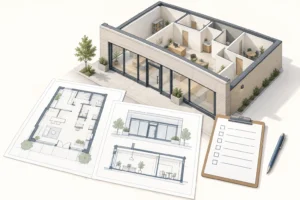
Grading plans focus on drainage, slopes, and land elevations. Site plans show building layouts, driveways, and property features. Both documents may support the same project. However, each plan serves a different purpose during development. Grading plans control runoff and water management carefully. Site plans organize structures and property layout details. Therefore, both plans support safe and efficient construction. Contractors rely on accurate drawings throughout the project. Clear planning improves overall project coordination significantly.
Why Oakville Requires Grading Plans
Oakville requires grading plans to protect properties and public infrastructure from drainage problems. Water runoff may affect neighboring homes and roads without proper planning. In addition, poor grading can increase erosion and flooding risks. Therefore, authorities review grading plans before approving projects. Proper grading protects foundations, landscaping, and outdoor surfaces effectively. Good drainage also improves long-term property stability. Municipal requirements support safer land development practices. Property owners benefit from reduced drainage disputes later. Reliable grading improves community safety and property performance.
When Grading Plans Are Required in Oakville
Many construction and landscaping projects require grading plans in Oakville. New home construction usually needs full grading approval before work begins. In addition, major renovations and additions may require grading plans. Pool installations can also change drainage patterns across the property. Large landscaping projects often affect runoff movement significantly. Therefore, grading plans help control water safely. Property owners should review local requirements before starting projects. Early planning reduces delays and approval issues later. Proper grading supports safer development.
Grading Plans for New Home Construction
New homes require accurate grading plans for safe drainage and stable foundations. Contractors shape the lot before construction begins. In addition, grading plans direct runoff away from the future structure. Proper land preparation reduces moisture problems significantly. Builders rely on grading plans during site development work. Therefore, grading design supports smoother construction timelines. Homeowners benefit from long-term drainage protection. Good grading also supports healthier landscaping and outdoor surfaces. Reliable plans improve overall project quality significantly.
Grading Requirements for Additions and Renovations
Home additions and renovations may change drainage conditions around the property. Therefore, grading plans help prevent water from moving toward structures. Contractors inspect slopes before construction begins. In addition, grading plans show how runoff will flow after changes occur. Proper planning protects foundations and neighboring properties from water damage. Municipal authorities may review plans before issuing approvals. Good grading supports safer renovation projects significantly. Property owners benefit from fewer drainage concerns later. Strong planning improves project performance.
Pool Installation and Drainage Planning
Pool projects often require grading plans because they change land elevation and drainage patterns. Contractors inspect the property carefully before excavation begins. In addition, grading plans show runoff control around the pool area. Proper drainage protects nearby structures and landscaping from water damage. Therefore, municipalities often require grading approval for pool installations. Good planning also supports safer pool deck performance. Homeowners benefit from cleaner and drier outdoor spaces afterward. Reliable grading improves long-term pool area stability.
Major Landscaping Projects and Grading Plans
Large landscaping projects may affect drainage across the property significantly. Retaining walls, patios, and outdoor structures can change runoff patterns. Therefore, grading plans help manage water safely during these projects. Contractors create balanced slopes for proper drainage performance. In addition, grading plans protect neighboring lots from runoff problems. Good water management improves landscape stability significantly. Homeowners benefit from healthier lawns and outdoor surfaces. Proper planning supports safer landscaping results. Reliable grading improves long-term outdoor performance.
Residential Grading Plan Requirements Oakville
Residential grading plan requirements Oakville include several important design elements. Plans must show existing and proposed elevations clearly. In addition, grading drawings include drainage slopes and runoff directions. Contractors also identify swales and drainage systems where needed. Proper grading protects homes from standing water and erosion. Therefore, accurate plans support safer residential development. Municipal authorities review these drawings carefully before approval. Good planning reduces future drainage issues significantly. Reliable grading supports long-term property protection.
Elevation Drawings and Slope Details
Elevation drawings show height differences across the property accurately. Contractors use these drawings to create balanced grading slopes. In addition, slope details explain how water will move during storms. Proper runoff control protects foundations and landscaping effectively. Therefore, elevation accuracy remains critical during grading design. Surveyors provide measurements that support grading plans carefully. Good elevation data improves drainage performance significantly. Property owners benefit from stronger land stability and safety. Accurate drawings support successful project outcomes.
Drainage Slopes and Water Flow Control
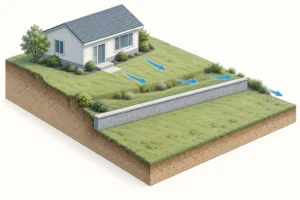
Drainage slopes direct water safely away from structures and outdoor spaces. Contractors shape the land carefully to improve runoff performance. In addition, grading plans identify low areas and drainage paths clearly. Proper water flow control reduces standing water and erosion significantly. Therefore, drainage design supports long-term property protection. Good runoff management also protects neighboring properties during storms. Homeowners benefit from drier and safer outdoor spaces. Reliable grading improves drainage performance year-round. Strong planning supports safer land development.
Inspection Requirements for Grading Plans
Inspection requirements help ensure grading work follows approved plans accurately. Inspectors review slopes, drainage paths, and elevations during construction. In addition, they check runoff conditions after grading work finishes. Proper inspections reduce the risk of drainage failures significantly. Therefore, contractors must follow grading plans carefully throughout the project. Good preparation improves inspection success and project timelines. Property owners benefit from safer and more reliable grading results. Accurate inspections support long-term property performance.
Soil Conditions and Grading Plan Design
Soil conditions affect grading plan requirements Oakville projects significantly. Clay soil often drains slowly and increases moisture risks. Loose soil may require compaction before final grading begins. Therefore, contractors inspect soil carefully during planning stages. Proper soil analysis improves grading accuracy and drainage performance. Some properties may require additional drainage systems because of poor soil conditions. Good preparation reduces settlement and runoff problems later. Stable soil supports stronger and safer property development.
Importance of Professional Grading Plan Preparation
Professional grading plan preparation improves project safety and approval success significantly. Experienced engineers understand local grading requirements and drainage conditions well. In addition, they create accurate plans for runoff and slope control. Proper design reduces construction mistakes and future drainage problems. Therefore, professional planning supports smoother project timelines. Contractors rely on these plans during grading work carefully. Property owners benefit from safer and more reliable results. Strong engineering improves long-term property performance significantly.
Engineering Support for Grading Plan Requirements Oakville
Some projects require engineering expertise for grading plan approval and drainage design. Engineers prepare grading drawings and runoff solutions carefully. In addition, they help property owners meet local requirements efficiently. Elmid Design Inc provides trusted engineering support for grading plan requirements Oakville projects. Their team creates practical grading and drainage solutions for long-term property protection. Strong engineering reduces delays and costly revisions significantly. Therefore, homeowners benefit from reliable project guidance and safer land development.

Grading Plan Requirements Oakville Process
Grading plan requirements Oakville follow a detailed process for safe and compliant land development. First, contractors inspect the property carefully. Next, surveyors measure elevations and property boundaries accurately. Then, engineers prepare grading and drainage designs for the site. After that, property owners submit plans for approval review. Inspectors later verify grading work during construction stages. Therefore, every step supports proper drainage and project safety. Good planning reduces approval delays significantly. Accurate grading improves long-term land stability. Reliable processes support successful project completion.
Site Inspection and Property Review
Every grading plan project begins with a detailed site inspection. Contractors inspect slopes, runoff patterns, and soil conditions carefully. In addition, they identify low areas and drainage concerns around the property. This review helps engineers create accurate grading solutions. Therefore, inspections support better project planning and safer land development. Contractors also inspect nearby structures and landscaping features. Good site analysis reduces future grading mistakes significantly. Property owners benefit from stronger drainage performance later. Proper inspections support reliable grading outcomes.
Survey and Elevation Measurements
Surveyors measure land elevations and property boundaries before grading plan preparation begins. Accurate measurements support safe drainage design and slope calculations. In addition, elevation data helps engineers identify runoff paths across the site. Proper surveys reduce grading errors during construction significantly. Therefore, measurement accuracy remains critical for grading approval. Contractors rely on survey information throughout the project carefully. Good elevation data improves runoff control and land stability. Property owners benefit from safer and more reliable grading results.
Grading Design Preparation
Engineers prepare grading designs after reviewing site conditions and survey data carefully. These plans show slopes, elevations, and runoff directions across the property. In addition, grading designs include drainage systems where needed. Proper planning protects structures and landscaping from water damage. Therefore, accurate grading design supports safer property development. Engineers also ensure plans meet Oakville grading requirements completely. Good design reduces future drainage problems significantly. Property owners benefit from smoother project approvals and inspections. Reliable planning improves long-term property performance.
Submission and Approval Process
Property owners submit grading plans to local authorities for review and approval. Officials inspect drawings and drainage details carefully before approving projects. In addition, reviewers check compliance with grading requirements and safety standards. Therefore, accurate plans support faster approval timelines significantly. Missing information may delay project approvals and inspections later. Engineers often revise plans when authorities request changes. Good communication improves the approval process greatly. Property owners benefit from organized and complete submissions. Reliable planning reduces costly project delays.
Final Inspection Requirements
Inspectors review grading work during and after construction stages carefully. They compare completed grading with approved plans and drainage requirements. In addition, inspectors check slopes and runoff performance around the property. Proper inspections help prevent drainage failures and erosion problems later. Therefore, contractors must follow approved grading plans accurately. Good preparation improves inspection success and project completion timelines. Property owners benefit from safer and more reliable grading results. Strong inspections support long-term property stability.
Drainage Design Requirements in Oakville
Drainage design requirements support proper runoff control and property protection. Engineers create drainage solutions that move water away safely. In addition, grading plans include swales and runoff paths where needed. Proper drainage reduces erosion and standing water risks significantly. Therefore, drainage design remains a key part of grading requirements Oakville projects. Contractors follow these drainage plans carefully during construction work. Good runoff control protects foundations and landscaping effectively. Property owners benefit from safer and drier outdoor spaces.
Surface Runoff Control Requirements
Surface runoff control prevents water from damaging structures and neighboring properties. Engineers design grading slopes that improve runoff movement safely. In addition, drainage systems may support areas with heavy water flow. Proper runoff control reduces erosion and moisture problems significantly. Therefore, grading plans must include clear runoff directions and drainage details. Contractors shape the land carefully to match approved designs. Good water management improves property safety and performance. Homeowners benefit from stronger long-term drainage protection.
Swales and Drainage Systems
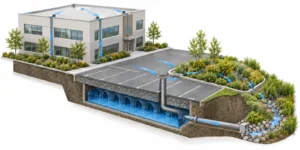
Swales and drainage systems help manage excess runoff during storms effectively. Engineers design swales to guide water across the property safely. In addition, drainage systems remove water from low areas quickly. Proper drainage protects foundations, landscaping, and paved surfaces from moisture damage. Therefore, many grading plans include these drainage features. Contractors install systems carefully to improve long-term performance. Good drainage reduces future repair costs significantly. Property owners benefit from safer and cleaner outdoor spaces.
Foundation Drainage Requirements
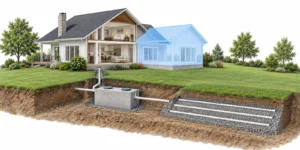
Foundation drainage requirements protect homes from basement moisture and structural damage. Engineers create grading slopes that direct runoff away from foundations safely. In addition, drainage systems may support properties with heavy water flow conditions. Proper foundation drainage reduces moisture pressure around basement walls significantly. Therefore, grading plans must include foundation runoff details clearly. Contractors follow drainage designs carefully during construction stages. Good water control improves long-term structural stability. Homeowners benefit from drier and safer living conditions.
Common Mistakes in Grading Plan Applications
Many grading plan applications face delays because of common planning mistakes. Incorrect elevations often create drainage and runoff problems later. In addition, incomplete drainage details may slow approval timelines significantly. Missing documents can also delay project reviews and inspections. Therefore, accurate grading plans support smoother approvals and construction schedules. Engineers review designs carefully before submission to reduce errors. Good preparation prevents unnecessary project delays and costs. Property owners benefit from organized and complete applications.
Incorrect Elevations and Drainage Errors
Incorrect elevations often lead to poor runoff control and drainage failures. Water may move toward structures instead of away safely. In addition, inaccurate slopes can increase erosion and moisture problems significantly. Therefore, grading plans require precise elevation measurements and calculations. Engineers review survey data carefully before finalizing plans. Good design reduces future drainage issues and property damage. Contractors rely on accurate grading information during construction work. Proper planning supports stronger and safer runoff control.
Missing Drainage Details
Missing drainage details may delay grading plan approvals significantly. Reviewers need clear runoff directions and drainage system information. In addition, incomplete plans may increase future water damage risks. Therefore, grading plans must include all required drainage features carefully. Engineers prepare detailed runoff and drainage drawings for approval. Good planning improves communication with reviewers and contractors. Property owners benefit from smoother project timelines and inspections. Complete applications reduce unnecessary revisions and delays.
Incomplete Documents and Approval Delays
Incomplete grading plan documents often create project approval delays. Missing surveys, drawings, or drainage details may slow review timelines significantly. In addition, unclear information can increase revision requests during approvals. Therefore, property owners should organize documents carefully before submission. Engineers help prepare complete and accurate grading applications. Good communication improves approval speed and project coordination. Property owners benefit from fewer delays and smoother inspections. Strong preparation supports successful project completion.
Cost of Meeting Grading Plan Requirements Oakville
Grading plan requirements Oakville involve several costs during project development stages. Engineering services often form the largest project expense. In addition, survey work and drainage design increase total costs. Permit fees and inspections may also affect project budgets significantly. Therefore, property owners should plan grading expenses carefully before construction begins. Accurate planning reduces unexpected costs later. Good budgeting supports smoother project approvals and timelines. Reliable grading plans improve long-term property performance and safety.
Engineering and Survey Costs
Engineering and survey services support accurate grading plan preparation and approvals. Engineers create grading and drainage designs carefully for each property. In addition, surveyors provide elevation data and property measurements. Proper surveys improve grading accuracy and runoff control significantly. Therefore, these services remain essential for grading plan requirements Oakville projects. Good planning reduces future drainage and construction problems. Property owners benefit from safer and more reliable development results. Accurate designs support long-term property stability.
Permit Fees and Inspection Costs
Permit fees and inspections form part of grading plan requirement costs. Municipal authorities review grading plans before approving development projects. In addition, inspectors verify grading work during construction stages carefully. Proper inspections support safer and more reliable runoff performance. Therefore, property owners should include these costs during project budgeting. Good preparation improves inspection success significantly. Accurate grading plans reduce future repair expenses later. Reliable approvals support smoother project completion and long-term property safety.
How to Choose Professionals for Grading Plans
Choosing experienced professionals improves grading plan quality and approval success significantly. Engineers with local experience understand Oakville grading requirements well. In addition, qualified professionals create accurate drainage and runoff solutions carefully. Good communication also improves project planning and approvals greatly. Therefore, property owners should review qualifications and project experience first. Contractors rely on reliable grading plans during construction work. Strong engineering reduces future drainage problems significantly. Proper professional support improves long-term property protection.
Engineering Expertise and Local Knowledge
Engineering expertise improves grading accuracy and drainage design performance significantly. Experienced engineers understand local soil and runoff conditions carefully. In addition, they create practical grading solutions for complex properties. Good local knowledge supports faster approvals and smoother inspections greatly. Therefore, experienced professionals improve project safety and efficiency. Property owners benefit from accurate grading plans and reliable runoff control. Strong engineering reduces future maintenance and drainage concerns significantly.
Communication and Project Support
Clear communication improves grading plan projects from beginning to completion. Engineers explain grading requirements and drainage solutions carefully to property owners. In addition, regular updates help reduce confusion and project delays. Good project support also improves coordination with contractors and inspectors. Therefore, communication remains important during grading plan development. Property owners benefit from organized and efficient project management. Reliable support improves approval timelines and construction performance significantly.
Why Choose Elmid Design Inc
Elmid Design Inc provides trusted engineering support for grading plan requirements Oakville projects. Their team prepares accurate grading and drainage plans carefully. In addition, they help property owners meet local grading requirements efficiently. Strong engineering improves runoff control and project compliance significantly. Therefore, projects move forward with fewer delays and revisions. The company focuses on practical and cost-effective grading solutions. Property owners benefit from clear communication throughout every stage. Reliable engineering support improves long-term property protection and development success.
Benefits of Following Grading Plan Requirements Oakville
Following grading plan requirements Oakville improves drainage performance and long-term property protection significantly. Proper grading controls runoff and prevents standing water near structures. In addition, approved grading plans reduce erosion and moisture problems. Therefore, homeowners benefit from safer and more stable outdoor conditions. Good grading also protects landscaping and paved surfaces from damage. Contractors follow approved plans for accurate land shaping and drainage control. Reliable grading improves overall property function and appearance. Strong planning supports safer development and fewer future repairs.
Better Drainage Performance
Proper grading plans improve drainage performance across residential and commercial properties. Engineers create slopes that move runoff safely away from structures. In addition, drainage systems help control excess water during storms. Therefore, approved grading plans reduce standing water and runoff issues significantly. Good drainage protects lawns, patios, and foundations from moisture damage. Contractors shape the land carefully to support long-term runoff control. Property owners benefit from cleaner and safer outdoor spaces. Reliable drainage improves land stability and property performance greatly.
Reduced Property Damage Risks
Poor grading often causes water damage and erosion problems around properties. Moisture may collect near foundations and basement walls after rainfall. In addition, runoff can damage landscaping and paved surfaces over time. Therefore, grading plan requirements Oakville help reduce these risks significantly. Proper drainage design protects outdoor features and structural supports effectively. Good grading also improves water movement across the property safely. Property owners benefit from fewer long-term repair costs. Reliable planning supports stronger property protection and stability.
Faster Approvals and Inspections
Accurate grading plans improve project approval and inspection timelines significantly. Municipal reviewers inspect grading drawings and drainage details carefully. In addition, complete plans reduce revision requests and delays during approval stages. Therefore, organized submissions support smoother project coordination. Contractors also benefit from clear grading instructions during construction work. Good planning improves communication between engineers and inspectors greatly. Property owners benefit from faster project progress and fewer interruptions. Reliable grading plans support efficient and safer development outcomes.
Improved Property Value
Properties with proper grading and drainage often hold stronger market value. Buyers prefer homes with reliable runoff control and dry foundations. In addition, healthy landscaping improves overall property appearance significantly. Therefore, grading plan requirements Oakville support long-term investment protection. Good grading also reduces concerns about future drainage repairs. Homeowners benefit from stronger buyer confidence during resale opportunities. Reliable drainage performance improves property appeal and functionality greatly. Strong grading supports safer and more valuable land development.
Grading Plan Requirements Oakville and Property Value
Grading plan requirements Oakville help protect property value through safe and compliant land development. Proper drainage reduces the risk of water damage and erosion problems. In addition, approved grading plans improve outdoor appearance and land stability. Therefore, buyers often trust properties with reliable grading systems more. Good runoff control also protects foundations and landscaping effectively. Property owners benefit from fewer maintenance concerns over time. Strong grading plans improve long-term property performance and marketability significantly.
Buyer Confidence and Safe Development
Buyer confidence increases when grading plans support proper drainage and runoff control. Water problems often discourage buyers during property inspections quickly. Therefore, approved grading plans improve trust and property appeal significantly. In addition, safe land development reduces concerns about future structural issues. Good grading also protects outdoor features and landscaping from damage. Property owners benefit from stronger resale opportunities and market value. Reliable grading systems support long-term property confidence effectively.
Long-Term Drainage Protection
Long-term drainage protection depends on accurate grading plans and runoff management. Engineers create drainage solutions that protect the property year-round. In addition, contractors shape slopes carefully during construction work. Proper grading reduces standing water and erosion risks significantly. Therefore, grading plan requirements Oakville improve long-term property stability. Good runoff control protects foundations and outdoor surfaces from damage. Homeowners benefit from fewer repair expenses later. Reliable drainage improves property safety and performance greatly.
Maintaining Grading Performance Over Time
Grading systems require regular maintenance for reliable long-term performance. Heavy rain and soil movement may create low spots over time. In addition, drainage systems may collect debris and reduce runoff flow. Therefore, homeowners should inspect grading conditions regularly. Contractors can correct small drainage issues before they worsen significantly. Good maintenance supports stronger property protection and water control. Reliable upkeep also improves landscape condition and outdoor safety. Preventive care reduces future grading repair costs effectively.
Why Choose Elmid Design Inc
Elmid Design Inc provides trusted engineering support for grading plan requirements Oakville projects. Their team prepares accurate grading and drainage plans carefully. In addition, they help property owners meet local grading requirements efficiently. Strong engineering improves runoff control and project compliance significantly. Therefore, projects move forward with fewer delays and revisions. The company focuses on practical and cost-effective grading solutions. Homeowners benefit from clear communication throughout every stage. Reliable engineering support improves long-term property protection and development success.
FAQ
What are grading plan requirements Oakville?
Grading plan requirements Oakville define how land should manage drainage and runoff during development projects safely.
When do I need a grading plan in Oakville?
Many projects require grading plans, including new homes, additions, pools, and major landscaping work.
Who prepares grading plans in Oakville?
Qualified engineers and grading professionals prepare grading plans for residential and commercial developments.
What information must grading plans include?
Grading plans include elevations, drainage slopes, runoff directions, and drainage system details for the property.
Do grading plans require permits?
Many grading projects require permits and municipal approval before construction work begins.
How much do grading plans cost?
Costs depend on property size, drainage complexity, engineering services, and survey requirements.
Can grading plans prevent drainage problems?
Proper grading plans improve runoff control and reduce standing water, erosion, and foundation moisture risks.
Why are grading plans important for property value?
Good grading improves drainage, protects structures, and increases buyer confidence during resale opportunities.
How often should grading systems be inspected?
Homeowners should inspect grading conditions yearly and after major storms for proper drainage performance.
Why should I hire professionals for grading plans?
Professional engineers create accurate grading solutions that improve approvals, drainage performance, and long-term property safety.

Reliable Engineering Support for Grading Plan Compliance
Elmid Design Inc. provides professional engineering services for grading plans, drainage design, and site development projects. Their experienced team prepares accurate grading solutions that support proper runoff control and municipal compliance. In addition, they help homeowners and developers manage approvals with clear guidance and practical planning. As a result, projects move forward efficiently with fewer delays and revisions. Strong engineering support from Elmid Design Inc. improves drainage performance, protects property value, and supports safe long-term development.
Geographic Locations That We Service:
Our Licensed Professional Engineers specializing in Engineered Site Grading Plans offer the best-engineered site grading plan, lot grading and erosion plan, and drainage plan to obtain site plan approval and building permits in Ontario, including a wide range of municipalities. Each area boasts unique features and requirements, making our tailored approach essential for success.
Toronto and Surrounding Areas
In the vibrant heart of Ontario, we service Toronto (City of Toronto) and surrounding areas. Additionally, we cover Oshawa (City of Oshawa), Pickering (City of Pickering), and Clarington (Municipality of Clarington). Furthermore, our expertise extends to Ajax (Town of Ajax), Whitby (Town of Whitby), Brock (Township of Brock), Scugog (Township of Scugog and Uxbridge (Township of Uxbridge).
Halton Region
Moving to the Halton Region, our services encompass Burlington (City of Burlington) and Halton Hills (Town of Halton Hills). Also included are Milton (Town of Milton) and Oakville (Town of Oakville).
Peel Region
In the Peel Region, we provide services in Brampton (City of Brampton), Mississauga (City of Mississauga), and Caledon (Town of Caledon).
York Region
Our services in the York Region cover Vaughan (City of Vaughan), Aurora (Town of Aurora), and East Gwillimbury (Town of East Gwillimbury). We also cater to Georgina (Town of Georgina), Markham (City of Markham), Newmarket (Town of Newmarket), Richmond Hill (City of Richmond Hill), Whitchurch-Stouffville (Town of Whitchurch-Stouffville), King (Township of King), and Bradford-West Gwillimbury (Town of Bradford-West Gwillimbury). Each municipality here offers a distinct setting, requiring our specialized approach.
Other Southern Ontario Cities and Towns
We also serve many other cities and towns in Southern Ontario. These include Hamilton (City of Hamilton), St. Catharines (City of St. Catharines), Niagara on the Lake (Town of Niagara on the Lake), Brant (County of Brant), Cambridge (City of Cambridge), Kitchener (City of Kitchener), Waterloo (City of Waterloo), and Woodstock (City of Woodstock). Furthermore, we operate in Guelph (City of Guelph), Centre Wellington (Township of Centre Wellington), Shelburne (Town of Shelburne), Orangeville (Town of Orangeville), New Tecumseth (Town of New Tecumseth), Essa (Town of Essa), Collingwood (Town of Collingwood), Wasaga Beach (Town of Wasaga Beach), Barrie (City of Barrie), Midland (Town of Midland), Orillia (City of Orillia), Ramara (Town of Ramara), Minden Hills (Town of Minden Hills), North Kawartha (Town of North Kawartha), Kawartha Lakes (City of Kawartha Lakes), Peterborough (City of Peterborough), Selwyn (Town of Selwyn), and Brighton (Municipality of Brighton).