Planning a basement renovation starts with accurate basement secondary unit multiplex permit drawings that support safe construction and legal occupancy. Complete permit drawings help homeowners meet municipal requirements before work begins. Careful planning also reduces costly revisions during the approval process. Every property has different conditions that influence the final design. Professional drawings explain proposed renovations with clear dimensions and construction details. Elmid Design Inc, a Professional Engineers Ontario Certificate of Authorization holder, provides engineering expertise for residential renovation projects. Our team prepares practical permit drawings that support code compliance, structural safety, and efficient permit approvals throughout the renovation process.
What Are Basement Secondary Unit Multiplex Permit Drawings?
Basement secondary unit multiplex permit drawings include detailed construction documents prepared for building permit applications. These drawings describe every proposed change inside the building. Municipal reviewers study them before issuing construction approval. Contractors also follow the approved drawings during renovation work. Accurate plans reduce confusion and improve project coordination. Detailed documentation supports better communication between designers, engineers, inspectors, and homeowners. Professional drawings also reduce delays by identifying important construction requirements before work starts. Complete permit packages create a stronger path toward successful project completion.
Why Basement Secondary Unit Multiplex Permit Drawings Matter
Professional permit drawings protect homeowners from avoidable construction problems. Accurate documents demonstrate compliance with current building regulations before renovations begin. Municipal reviewers examine structural details, fire protection, and life safety requirements carefully. Proper planning also reduces permit revisions during technical review. Contractors complete work more efficiently when drawings provide clear instructions. Organized documentation creates consistency throughout every construction stage. Better preparation improves both project quality and approval success. Reliable permit drawings also protect your long-term investment.
Understanding Basement Secondary Units
A basement secondary unit creates an independent living space within an existing home. Many homeowners choose this option to increase usable space and generate rental income. Others build secondary units for extended family members. Every legal unit requires careful planning before construction starts. Building regulations establish minimum standards for safety and habitability. Proper design improves comfort while supporting municipal compliance. Professional permit drawings explain these requirements through detailed construction information. Careful planning creates functional and attractive living spaces.
Understanding Multiplex Conversions
Multiplex conversions divide one residential building into multiple legal dwelling units. These projects require greater coordination because several building systems work together. Designers evaluate the existing structure before preparing construction documents. Engineers also review structural elements whenever modifications affect load-bearing components. Fire protection requirements become more detailed during multiplex renovations. Proper planning improves occupant safety throughout the building. Basement secondary unit multiplex permit drawings organize every construction requirement into one coordinated package. Complete documentation supports efficient permit review and successful project execution.
When Permit Drawings Become Necessary
Most basement secondary unit and multiplex projects require building permits before construction begins. Structural modifications almost always require professional review. New kitchens and bathrooms also require detailed permit documentation. Additional bedrooms may require larger emergency escape windows. Mechanical upgrades often accompany major renovations. Municipal officials examine every proposed change before granting approval. Professional planning identifies permit requirements early. Careful preparation prevents unnecessary delays during project review.
Key Components of Permit Drawings
Every permit package contains several important construction documents. Floor plans illustrate proposed room layouts and dimensions clearly. Building sections explain wall assemblies and ceiling construction. Elevations identify exterior modifications when renovations affect the building envelope. Construction details describe materials and installation methods. Structural drawings explain framing modifications where necessary. Mechanical layouts coordinate heating and ventilation improvements. Plumbing drawings identify fixture locations accurately. Together, these documents create complete basement secondary unit multiplex permit drawings.
Existing Conditions Assessment
Accurate measurements create reliable permit drawings from the beginning. Designers carefully inspect every basement before drafting construction documents. Existing walls, beams, windows, and utilities require detailed documentation. Mechanical equipment also influences the proposed design. Precise field measurements reduce drafting errors during project development. Better information improves drawing accuracy and construction quality. Professional assessments also identify potential challenges before renovation begins. Thorough preparation supports efficient permit applications.
Planning Safe Living Spaces
Safe living spaces depend on thoughtful design and careful engineering. Designers arrange rooms to improve movement throughout the unit. Emergency exits receive special attention during planning. Proper lighting also increases comfort and visibility. Ventilation systems improve indoor air quality every day. Structural stability remains a priority during every renovation. Basement secondary unit multiplex permit drawings coordinate these elements into one practical design. Strong planning protects occupants while improving long-term functionality.
Building Code Compliance
Building code compliance remains essential for every permit application. Designers review applicable requirements before preparing construction documents. Fire separation protects occupants between dwelling units. Ceiling heights must satisfy minimum standards wherever required. Emergency escape routes improve occupant safety during emergencies. Proper ventilation supports healthier indoor environments. Sound insulation increases comfort between separate living areas. Structural modifications require careful engineering evaluation. Accurate permit drawings explain compliance through organized technical information. Complete documentation improves municipal confidence during review.
Fire Protection Requirements
Fire safety plays an important role in every secondary unit and multiplex renovation. Fire-rated wall and ceiling assemblies slow the spread of fire. Smoke alarms provide early warning during emergencies. Carbon monoxide alarms improve protection where fuel-burning equipment exists. Proper exit routes help occupants leave the building safely. Designers coordinate every fire safety feature before permit submission. Basement secondary unit multiplex permit drawings identify these requirements clearly. Careful planning strengthens overall building safety.
Structural Engineering Considerations
Structural engineering supports safe renovations whenever load-bearing components change. Engineers examine beams, columns, and foundation walls carefully. Professional calculations verify that proposed modifications remain safe. Accurate structural drawings also improve construction quality. Contractors understand framing requirements before work begins. Municipal reviewers examine engineering details during permit evaluation. Elmid Design Inc provides professional engineering services that support reliable structural solutions. Strong engineering improves safety throughout every renovation project.
Plumbing and Mechanical Planning
Modern secondary units require dependable plumbing and mechanical systems. Designers coordinate water supply, drainage, and ventilation carefully. Heating equipment must provide adequate comfort throughout every room. Exhaust systems also improve indoor air quality. Efficient layouts simplify future maintenance while reducing installation challenges. Basement secondary unit multiplex permit drawings explain every system with accurate dimensions and technical notes. Good coordination supports reliable building performance for years to come.
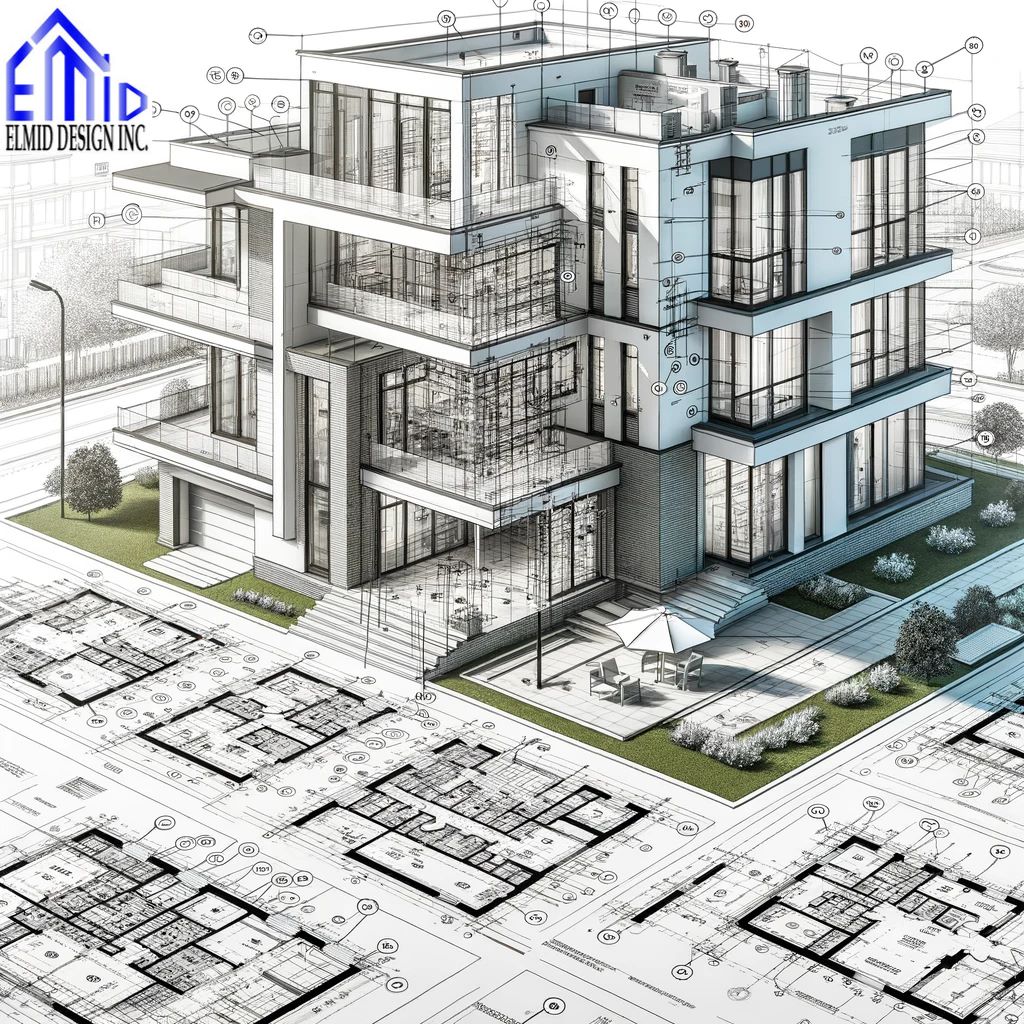
Designing Functional Basement Layouts
Successful layouts improve comfort while making every square foot useful. Designers organize bedrooms, kitchens, bathrooms, and living areas carefully. Practical room placement supports convenient daily living. Natural light also improves the overall appearance of finished spaces. Efficient layouts reduce wasted space without affecting safety. Every design balances comfort with building requirements. Basement secondary unit multiplex permit drawings explain each room with accurate dimensions and construction details. Smart planning creates attractive and practical living environments.
Electrical Design Requirements
Reliable electrical systems support modern basement living. Designers coordinate lighting, receptacles, smoke alarms, and dedicated circuits during planning. Every room requires safe electrical distribution that meets current standards. Careful coordination reduces installation problems during construction. Electrical layouts also improve convenience for future occupants. Basement secondary unit multiplex permit drawings identify electrical changes clearly for contractors and inspectors. Professional planning supports dependable electrical performance throughout the building.
Insulation and Energy Efficiency
Proper insulation improves comfort while reducing energy use. Designers recommend insulation systems that support long-term building performance. Exterior foundation walls often require additional thermal protection. Air sealing also reduces unwanted heat loss during colder months. Good insulation improves indoor comfort throughout every season. Basement secondary unit multiplex permit drawings identify insulation locations and construction methods clearly. Better energy performance creates lower operating costs over time.
Moisture Management
Moisture protection remains essential during every basement renovation. Designers evaluate existing foundation conditions before recommending improvements. Proper drainage and waterproofing reduce future water problems. Ventilation systems also help control indoor humidity. Suitable construction materials improve durability under changing conditions. Careful planning protects finished spaces from unnecessary damage. Basement secondary unit multiplex permit drawings explain moisture control details accurately. Reliable protection extends the life of every renovation.
Sound Separation Between Units
Sound control improves privacy inside secondary units and multiplex buildings. Designers select wall and ceiling assemblies that reduce noise transfer effectively. Floor systems also influence acoustic performance between living spaces. Careful material selection creates quieter homes for every occupant. Professional planning balances comfort with construction efficiency. Basement secondary unit multiplex permit drawings identify important sound separation details before construction begins. Better acoustic performance improves everyday living.
Window and Emergency Exit Planning
Windows improve natural light while supporting emergency escape requirements. Bedroom windows often require minimum opening dimensions for safety. Existing homes sometimes need larger window openings during renovation. Designers evaluate every location before preparing permit drawings. Structural changes may also become necessary during installation. Basement secondary unit multiplex permit drawings explain every proposed modification with clear construction details. Careful planning supports both safety and appearance.
Permit Submission Process
Complete permit applications improve municipal review efficiency. Designers organize every drawing and supporting document before submission. Municipal staff first verify application completeness. Technical reviewers then evaluate compliance with zoning and building regulations. Additional comments sometimes require drawing revisions. Quick responses help maintain project progress. Basement secondary unit multiplex permit drawings remain the foundation of every permit application. Organized documentation supports faster approvals.
Municipal Review Process
Municipal reviewers examine every permit drawing carefully before issuing approval. They verify structural safety, fire protection, accessibility, and code compliance. Accurate documentation reduces clarification requests during technical review. Professional preparation also improves communication with municipal staff. Every approved revision moves the project closer to construction. Basement secondary unit multiplex permit drawings simplify the review process through organized technical information. Better preparation improves overall approval success.
Construction Following Permit Approval
Construction begins after receiving the required permit approval. Contractors follow approved basement secondary unit multiplex permit drawings throughout every renovation stage. Inspectors verify completed work during scheduled site visits. Accurate construction reduces future correction costs significantly. Good communication keeps every trade working efficiently. Homeowners benefit from organized project management and professional oversight. Careful execution supports high-quality renovation results.
Common Permit Application Mistakes
Incomplete permit applications often delay construction schedules. Missing dimensions create unnecessary review comments during examination. Incorrect structural information also increases revision requests. Poor coordination between building systems creates avoidable construction challenges. Professional preparation prevents these common issues before submission. Basement secondary unit multiplex permit drawings should always present complete and accurate information. Organized documentation supports smoother approvals.
Project Timeline Expectations
Every renovation follows a different schedule depending on project complexity. Existing building conditions often influence design and engineering requirements. Larger multiplex projects usually require additional planning time. Permit reviews also vary between municipalities. Quick responses to reviewer comments reduce unnecessary delays. Professional coordination keeps projects moving efficiently from planning through construction. Basement secondary unit multiplex permit drawings support organized timelines and predictable progress.
Benefits of Professional Engineering
Professional engineering strengthens every major renovation project. Engineers evaluate structural changes before construction begins. Their expertise supports safe design solutions and reliable building performance. Engineering calculations also improve permit applications involving structural modifications. Elmid Design Inc provides engineering services under a Professional Engineers Ontario Certificate of Authorization. Professional guidance reduces uncertainty while improving construction quality and code compliance.
Why Professional Permit Drawings Matter
Professional permit drawings improve communication between homeowners, contractors, engineers, and inspectors. Accurate documentation reduces misunderstandings throughout construction. Organized drawings also support efficient municipal review. Careful planning identifies challenges before renovation begins. Basement secondary unit multiplex permit drawings protect homeowners from avoidable mistakes and unexpected costs. Better preparation creates safer living spaces and stronger long-term property value.
Choosing the Right Professionals
Choosing experienced professionals improves every stage of a renovation project. Qualified designers understand municipal requirements and current building regulations. Professional engineers also provide safe structural solutions when necessary. Careful coordination reduces permit revisions and construction delays. Strong communication keeps every project moving efficiently. Basement secondary unit multiplex permit drawings become more accurate through experienced planning. Elmid Design Inc provides professional engineering services under a Professional Engineers Ontario Certificate of Authorization. Our team supports homeowners with practical engineering solutions and reliable permit documentation.
Zoning Review Before Design
Every successful project starts with a detailed zoning review. Designers confirm that the property supports the proposed renovation before drafting begins. Local regulations may affect entrances, parking, setbacks, and building size. Early planning prevents unnecessary redesigns later. Professional advice also identifies possible restrictions before permit submission. Basement secondary unit multiplex permit drawings should always reflect applicable zoning requirements. Accurate planning creates smoother approvals and better project outcomes.
Planning for Long-Term Value
Thoughtful planning improves both property value and everyday living. Legal residential units often attract future buyers and investors. Well-designed layouts also increase comfort for every occupant. Professional permit drawings demonstrate responsible renovation practices. Complete documentation provides confidence during future property transactions. Basement secondary unit multiplex permit drawings support lasting value through safe and compliant construction. Smart planning continues delivering benefits for many years.
Coordinating Multiple Building Systems
Successful renovations require careful coordination between structural, plumbing, electrical, and mechanical systems. Designers organize every system before construction begins. Engineers also review structural modifications where required. Proper coordination reduces installation conflicts during renovation. Clear documentation helps contractors complete every stage correctly. Basement secondary unit multiplex permit drawings combine every building system into one organized package. Better coordination improves quality throughout construction.
Creating Safe Rental Units
Safe rental units protect both property owners and occupants. Designers plan emergency exits according to current building requirements. Fire separation also improves safety between dwelling units. Proper ventilation supports healthier indoor conditions every day. Structural stability remains essential throughout the renovation. Basement secondary unit multiplex permit drawings explain these safety features through detailed construction documents. Careful planning supports legal and dependable rental spaces.
Improving Construction Quality
Accurate permit drawings improve workmanship from the beginning. Contractors understand construction details before starting each task. Organized drawings reduce misunderstandings throughout the project. Clear dimensions also improve installation accuracy. Better planning minimizes unnecessary changes during construction. Basement secondary unit multiplex permit drawings support efficient work while protecting project quality. Professional preparation delivers stronger renovation results.
Inspection Process During Construction
Building inspections confirm that completed work matches approved permit drawings. Inspectors review structural framing before interior finishes continue. Plumbing, electrical, and mechanical systems also receive careful examination. Final inspections verify compliance before occupancy. Good preparation reduces correction requests during every inspection stage. Basement secondary unit multiplex permit drawings guide both contractors and inspectors throughout construction. Organized documentation supports successful project completion.
Avoiding Costly Renovation Mistakes
Careful planning prevents expensive construction problems before work begins. Accurate measurements reduce drafting errors and permit revisions. Professional engineering also identifies structural concerns early. Good coordination improves scheduling between different construction trades. Complete permit drawings eliminate unnecessary confusion during installation. Basement secondary unit multiplex permit drawings protect homeowners from avoidable delays and unexpected expenses. Better preparation creates smoother renovation experiences.
Why Engineering Matters
Engineering plays an important role in complex basement and multiplex renovations. Structural changes require careful analysis before construction starts. Professional engineers evaluate existing conditions and recommend safe solutions. Their calculations support permit applications involving structural work. Basement secondary unit multiplex permit drawings become stronger through professional engineering review. Elmid Design Inc provides dependable engineering services that improve safety, compliance, and construction quality.
Supporting Future Renovation Success
Professional planning creates lasting benefits beyond permit approval. Organized drawings simplify future maintenance and renovation work. Homeowners also maintain accurate records of completed improvements. Well-documented projects increase confidence during future property sales. Basement secondary unit multiplex permit drawings provide valuable information long after construction finishes. Careful preparation supports reliable building performance for many years.
FAQ
What are basement secondary unit multiplex permit drawings?
Basement secondary unit multiplex permit drawings are detailed construction documents prepared for building permit applications. They explain proposed renovations and demonstrate compliance with building regulations. Municipal reviewers examine these drawings before approving construction.
When do I need basement secondary unit multiplex permit drawings?
Most projects require permit drawings before creating a basement secondary unit or converting a building into a multiplex. Structural changes, additional kitchens, new bathrooms, and major renovations usually require permit approval.
Why are professional permit drawings important?
Professional permit drawings improve construction quality and reduce approval delays. They also provide clear information for contractors, inspectors, and municipal reviewers. Accurate documentation supports safer and more efficient renovations.
Who prepares basement secondary unit multiplex permit drawings?
Qualified building designers prepare architectural permit drawings. Professional engineers contribute when structural modifications require engineering review. Their combined expertise creates complete permit packages.
Do multiplex renovations require engineering?
Many multiplex renovations require professional engineering because structural modifications often affect load-bearing elements. Engineers verify structural safety and prepare supporting calculations when necessary.
What information appears on permit drawings?
Permit drawings usually include floor plans, building sections, elevations, construction details, structural information, plumbing layouts, and mechanical plans. Every drawing supports the permit review process.
How long does the permit approval process take?
Approval timelines depend on project complexity and municipal workloads. Complete basement secondary unit multiplex permit drawings often reduce review delays. Prompt responses to municipal comments also improve processing times.
Can I renovate without a building permit?
Many basement secondary unit and multiplex renovations require building permits before construction begins. Starting work without approval may create legal issues, financial penalties, and costly corrections.
How do professional permit drawings reduce renovation costs?
Professional drawings reduce construction mistakes, improve project coordination, and minimize unnecessary revisions. Better planning also prevents unexpected expenses during construction.
Why choose Elmid Design Inc?
Elmid Design Inc provides professional engineering services for residential renovation projects. As a Professional Engineers Ontario Certificate of Authorization holder, the company prepares reliable engineering solutions that support basement secondary unit multiplex permit drawings, structural safety, code compliance, and efficient permit approvals.

Professional Engineering Solutions for Basement Secondary Unit Multiplex Permit Drawings
Elmid Design Inc provides professional engineering services for homeowners and property investors planning basement secondary units and multiplex conversions. As a Professional Engineers Ontario Certificate of Authorization holder, our team prepares accurate permit drawings that comply with the Ontario Building Code and municipal requirements. We deliver practical engineering solutions, structural expertise, and dependable permit support to help clients achieve safe, efficient, and code-compliant renovation projects.
Geographic Locations That We Service:
Our Licensed Professional Engineers specializing in Engineered Site Grading Plans offer the best-engineered site grading plan, lot grading and erosion plan, and drainage plan to obtain site plan approval and building permits in Ontario, including a wide range of municipalities. Each area boasts unique features and requirements, making our tailored approach essential for success.
Toronto and Surrounding Areas
In the vibrant heart of Ontario, we service Toronto (City of Toronto) and surrounding areas. Additionally, we cover Oshawa (City of Oshawa), Pickering (City of Pickering), and Clarington (Municipality of Clarington). Furthermore, our expertise extends to Ajax (Town of Ajax), Whitby (Town of Whitby), Brock (Township of Brock), Scugog (Township of Scugog and Uxbridge (Township of Uxbridge).
Halton Region
Moving to the Halton Region, our services encompass Burlington (City of Burlington) and Halton Hills (Town of Halton Hills). Also included are Milton (Town of Milton) and Oakville (Town of Oakville).
Peel Region
In the Peel Region, we provide services in Brampton (City of Brampton), Mississauga (City of Mississauga), and Caledon (Town of Caledon).
York Region
Our services in the York Region cover Vaughan (City of Vaughan), Aurora (Town of Aurora), and East Gwillimbury (Town of East Gwillimbury). We also cater to Georgina (Town of Georgina), Markham (City of Markham), Newmarket (Town of Newmarket), Richmond Hill (City of Richmond Hill), Whitchurch-Stouffville (Town of Whitchurch-Stouffville), King (Township of King), and Bradford-West Gwillimbury (Town of Bradford-West Gwillimbury). Each municipality here offers a distinct setting, requiring our specialized approach.
Other Southern Ontario Cities and Towns
We also serve many other cities and towns in Southern Ontario. These include Hamilton (City of Hamilton), St. Catharines (City of St. Catharines), Niagara on the Lake (Town of Niagara on the Lake), Brant (County of Brant), Cambridge (City of Cambridge), Kitchener (City of Kitchener), Waterloo (City of Waterloo), and Woodstock (City of Woodstock). Furthermore, we operate in Guelph (City of Guelph), Centre Wellington (Township of Centre Wellington), Shelburne (Town of Shelburne), Orangeville (Town of Orangeville), New Tecumseth (Town of New Tecumseth), Essa (Town of Essa), Collingwood (Town of Collingwood), Wasaga Beach (Town of Wasaga Beach), Barrie (City of Barrie), Midland (Town of Midland), Orillia (City of Orillia), Ramara (Town of Ramara), Minden Hills (Town of Minden Hills), North Kawartha (Town of North Kawartha), Kawartha Lakes (City of Kawartha Lakes), Peterborough (City of Peterborough), Selwyn (Town of Selwyn), and Brighton (Municipality of Brighton).