Finding the right septic permit engineer Vaughan property owners trust makes every project easier and faster. A professional engineer reviews the property, studies site conditions, and prepares a design that meets Ontario requirements. Proper engineering protects public health, groundwater, and nearby properties. It also reduces costly delays during permit review. Homeowners often need professional guidance before building a new house or expanding an existing one. A qualified engineering team understands municipal expectations and prepares accurate documents from the beginning. This careful approach improves approval chances and helps construction move forward without unnecessary setbacks.
Why a Septic Permit Matters
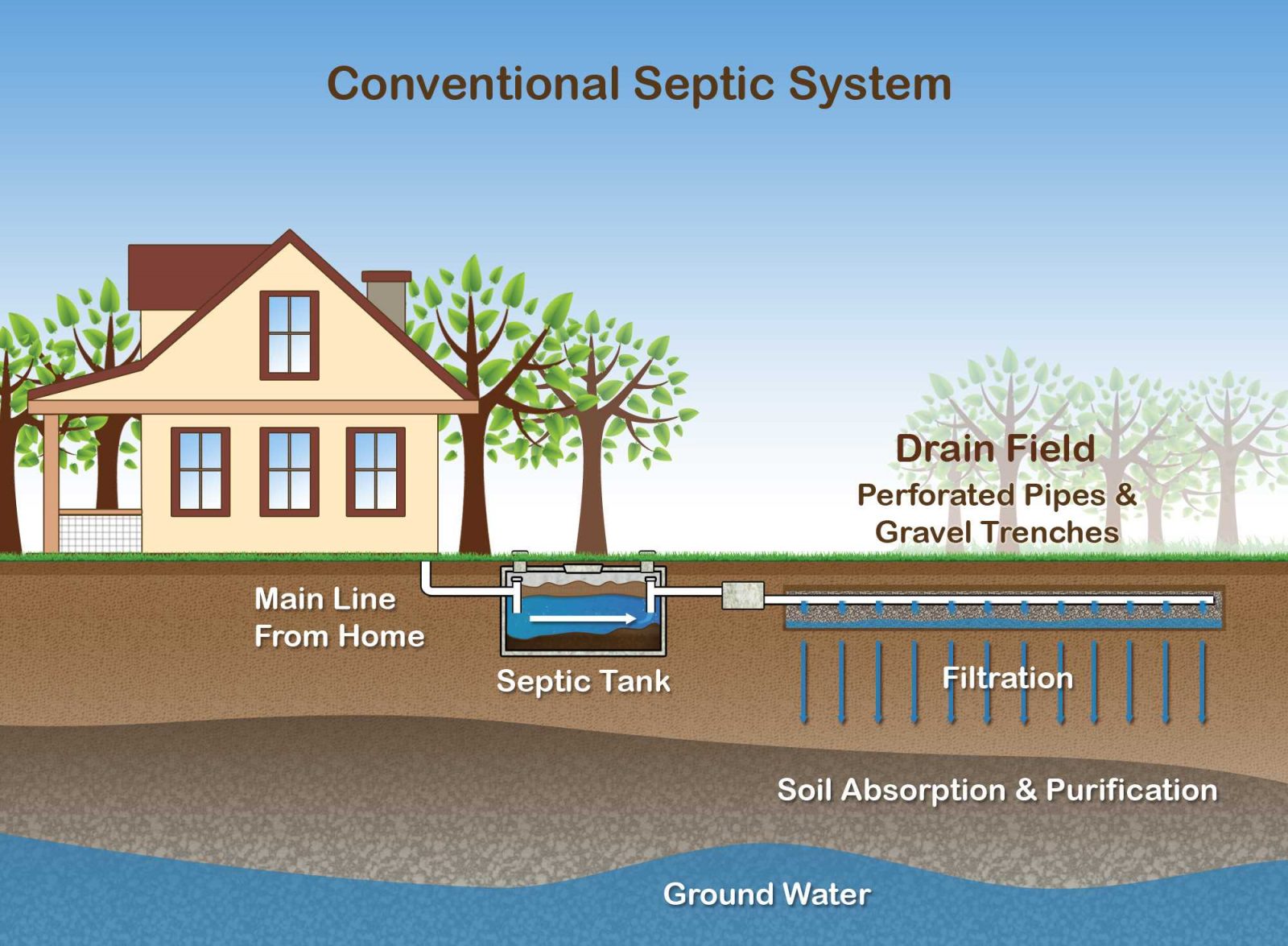
Every septic system must safely collect, treat, and disperse wastewater. Local authorities require permits because every property has different conditions. Soil type, groundwater, lot size, and setbacks all affect system performance. A permit confirms that the proposed design meets current regulations and protects the environment. Early planning also prevents expensive changes after construction begins. Homeowners who skip proper engineering often face unexpected costs and project delays. Careful planning creates a reliable system that performs well for many years.
Understanding the Engineer’s Role
A septic permit engineer Vaughan residents hire performs much more than simple drafting work. The engineer studies the property and determines whether the land supports a septic system. Careful calculations establish the proper tank capacity and leaching bed size. Every drawing reflects site conditions instead of generic layouts. Professional engineers also coordinate with surveyors and other specialists when needed. Their technical knowledge reduces errors before permit submission. Strong communication keeps every stage organized and efficient.
Engineering Knowledge Creates Better Results
Engineering decisions affect every part of a septic system. Small design mistakes can create expensive problems later. Professional engineers evaluate drainage patterns before selecting system locations. They also consider future property improvements during the design process. Smart planning protects both the homeowner and nearby properties. Accurate engineering creates dependable wastewater treatment under changing weather conditions. Reliable designs also extend the life of septic components.
When You Need a Septic Permit Engineer Vaughan
Several projects require professional engineering support. Building a new home usually requires a complete septic design. Adding bedrooms often increases wastewater flow and demands system upgrades. Property severance may also require new septic evaluations. Cottage redevelopment frequently needs engineering because older systems rarely satisfy current requirements. Commercial developments often require even more detailed analysis. Early engineering guidance saves valuable time throughout each project.
New Home Construction
Building a new house starts with understanding the property. Every lot has unique soil and drainage characteristics. Engineers investigate these conditions before designing the septic system. Proper planning ensures enough space for current and future needs. Local regulations also influence the final design. Accurate drawings support permit approval and reduce construction changes. Homeowners benefit from a smoother building process when engineering begins early.
Home Additions and Renovations
Many homeowners forget that renovations can affect septic capacity. Additional bedrooms usually increase wastewater production. Larger homes often require larger septic systems. Engineers calculate expected daily wastewater flow before recommending upgrades. Proper planning protects both the property and the environment. Municipal reviewers also expect supporting engineering documents. Meeting these expectations avoids unnecessary permit delays.
Replacing an Existing Septic System
Older septic systems eventually reach the end of their service life. Aging tanks, damaged pipes, and failing leaching beds reduce system performance. Engineers inspect site conditions before recommending replacement options. Modern designs often improve treatment efficiency and reliability. Updated systems also satisfy current regulatory requirements. Investing in professional engineering helps homeowners avoid repeated repair costs.
Property Conditions Affect Every Design
No two properties share identical conditions. Soil texture changes even across short distances. Groundwater levels also influence septic performance. Engineers evaluate natural slopes before selecting system locations. Nearby wells, buildings, and property lines require careful consideration. Every measurement contributes to a safer final design. Detailed investigations reduce future operational problems.
Soil Testing for Septic Design
Soil testing provides essential information before design begins. Engineers study how quickly water moves through the soil. Fast drainage and slow drainage create different design challenges. Testing also identifies unsuitable soil conditions early. Reliable results support accurate engineering calculations. Strong technical information improves permit applications and construction planning. Homeowners gain confidence through informed decisions.
Percolation Testing
Percolation testing measures how quickly water enters the surrounding soil. Engineers perform this work under controlled conditions. Accurate measurements determine suitable leaching bed dimensions. Poor drainage may require alternative design solutions. Proper testing prevents undersized or oversized systems. Reliable results also strengthen engineering recommendations during permit review.
Topographic Information
Property elevations influence wastewater movement. Engineers review slopes before locating septic components. Good grading helps protect the leaching bed from surface water. Careful placement also supports long-term system performance. Topographic information reduces flooding risks during heavy rainfall. Better planning creates dependable wastewater treatment throughout the year.
Septic System Design Process
After collecting field information, engineers prepare detailed calculations and drawings. Every component must work together efficiently. Tank size depends on expected wastewater flow. Leaching bed dimensions depend on soil conditions. Required setbacks protect neighbouring properties and water sources. Engineers review every measurement before completing the design. Thorough preparation reduces revisions during municipal review.
Ontario Requirements
Ontario regulations establish clear standards for private sewage systems. Engineers understand these technical requirements and apply them throughout every project. Proper setbacks protect wells, buildings, and property boundaries. Minimum sizing requirements also improve system performance. Regulatory compliance reduces approval delays and construction issues. Professional guidance helps homeowners understand every design decision.
Common Challenges During Permit Applications
Many projects encounter unexpected site challenges. High groundwater often limits available installation areas. Small lots create additional design restrictions. Existing structures may reduce placement options. Poor soil sometimes requires modified solutions. Experienced engineers identify these issues early. Fast problem solving helps projects continue with fewer interruptions.
Choosing an Experienced Engineering Team
Selecting an experienced engineering firm improves every stage of the project. Local knowledge helps engineers understand municipal expectations. Clear communication keeps homeowners informed throughout the process. Accurate drawings reduce permit questions and revision requests. Professional experience also supports practical design solutions. Careful planning delivers reliable results while protecting long-term property value.
Working with Elmid Design Inc.
Elmid Design Inc. provides professional engineering services for septic permit applications and site servicing projects across Ontario. The company holds a Certificate of Authorization from Professional Engineers Ontario, demonstrating its commitment to professional standards. Its engineering team evaluates site conditions, prepares detailed septic designs, and supports clients throughout the approval process. Practical experience, technical knowledge, and careful project coordination help homeowners and developers complete projects with greater confidence while meeting applicable engineering and regulatory requirements.
How Much Does a Septic Permit Engineer Cost in Vaughan?
Many homeowners ask about the cost of hiring a septic permit engineer Vaughan residents trust. Several factors influence the final engineering fee. Property size often affects the amount of field work required. Challenging site conditions also increase design complexity. Larger projects usually require additional engineering analysis and documentation. Furthermore, multiple site visits may become necessary during permit preparation. Investing in professional engineering saves money by reducing design errors and approval delays. Early planning also prevents unexpected expenses during construction.
Factors That Affect Engineering Fees
Every property presents unique conditions that influence engineering costs. Soil quality often determines the amount of testing required. Steep slopes may require additional design work. Existing buildings also affect septic placement options. Moreover, limited space increases engineering complexity. Municipal requirements can vary depending on project details. Accurate information allows engineers to prepare practical solutions efficiently. Better planning also reduces future modification costs.
Soil Investigation and Site Evaluation
Soil investigation forms the foundation of every successful septic design. Engineers examine soil texture, drainage, and groundwater conditions carefully. These findings determine suitable septic system locations. Proper evaluation also identifies potential construction challenges before permit submission. Meanwhile, reliable field data improves engineering calculations. Thorough investigations reduce uncertainty during municipal review. Homeowners benefit from a design that reflects actual site conditions rather than assumptions.
Percolation Testing and Design Accuracy
Percolation testing measures how quickly wastewater moves through the soil. Engineers use these results to size the leaching bed correctly. Accurate testing prevents future drainage problems. Proper measurements also support regulatory compliance. Furthermore, dependable data strengthens the permit application. Careful analysis reduces the chance of expensive redesigns. Every successful project begins with reliable site information.
Survey Information Supports Better Designs
Accurate surveys help engineers position septic components correctly. Property boundaries influence every design decision. Building locations also determine setback requirements. Existing wells require careful consideration during planning. Additionally, elevation information improves drainage management. Reliable survey data reduces conflicts during construction. Strong coordination creates smoother permit approvals and more efficient installations.
Municipal Permit Fees
Municipal permit fees remain separate from engineering costs. Local authorities establish these fees according to project type. Application reviews require complete documentation before approval. Missing information often delays the review process. Therefore, accurate engineering drawings become extremely important. Professional preparation helps applicants avoid unnecessary revisions. Faster approvals allow construction schedules to remain on track.
Construction Costs for Septic Systems
Construction costs vary according to system size and site conditions. Material prices also influence the overall budget. Excavation requirements often differ between properties. Difficult access may increase installation expenses. Furthermore, specialized equipment sometimes becomes necessary. High-quality construction materials improve long-term performance. Careful engineering planning helps contractors complete installations efficiently.
Inspection Requirements During Construction
Construction inspections verify that installation follows the approved design. Engineers may inspect critical stages during construction. Accurate installation protects long-term system performance. Contractors also benefit from clear engineering guidance. Meanwhile, inspection records support final approval. Proper coordination minimizes delays throughout the project. Every completed inspection brings the project closer to completion.
Common Reasons Permit Applications Face Delays
Incomplete applications often create unnecessary delays. Missing reports require additional review time. Incorrect measurements may also trigger revision requests. Furthermore, inaccurate site information complicates municipal evaluations. Professional engineering reduces these risks through careful preparation. Complete submissions improve approval efficiency. Organized documentation supports smoother communication with reviewing authorities.
Poor Soil Conditions
Some properties contain unsuitable soil for standard septic systems. Clay soils often drain too slowly. Sandy soils may drain too quickly. Engineers evaluate these conditions before selecting suitable designs. Alternative solutions sometimes provide better long-term performance. Proper analysis protects groundwater and nearby properties. Reliable engineering decisions improve overall system durability.
High Groundwater Challenges
High groundwater creates significant design challenges for septic systems. Engineers evaluate seasonal groundwater conditions carefully. Elevated water levels reduce available treatment areas. Consequently, design adjustments often become necessary. Professional analysis identifies practical solutions early. Better planning prevents construction delays and future operating problems. Thorough investigations improve permit success.
Property Size and Setback Requirements
Every septic system must respect minimum setback distances. Buildings, wells, roads, and property lines all affect placement. Small lots often require creative engineering solutions. Engineers review every measurement before completing drawings. Careful planning protects neighbouring properties and environmental resources. Accurate layouts also improve municipal confidence during review.
Importance of Accurate Engineering Drawings
Engineering drawings communicate every design detail clearly. Contractors depend on these drawings during installation. Municipal reviewers also verify regulatory compliance through detailed plans. Clear documentation reduces misunderstandings throughout construction. Moreover, accurate drawings support efficient inspections. Professional engineering improves project coordination from beginning to completion.
Environmental Protection
Proper septic design protects local groundwater and surrounding ecosystems. Engineers consider natural drainage patterns during planning. Appropriate setbacks reduce contamination risks. Careful sizing improves wastewater treatment performance. Furthermore, responsible engineering supports sustainable land development. Every design decision contributes to environmental protection. Long-lasting systems benefit both homeowners and nearby communities.
Choosing the Right Septic Permit Engineer Vaughan
Selecting the right septic permit engineer Vaughan homeowners trust requires careful evaluation. Experience remains one of the most valuable qualifications. Engineers who understand local regulations often deliver faster approvals. Strong communication also improves every stage of the project. Technical knowledge supports practical and reliable solutions. Homeowners should choose professionals who prioritize quality, accuracy, and transparency.
Professional Licensing and Qualifications
Professional qualifications demonstrate engineering competence and accountability. Licensed engineers follow strict professional standards. Continuing education also strengthens technical knowledge. Clients benefit from accurate advice and dependable engineering services. Professional responsibility builds confidence throughout every project. Qualified engineers remain committed to public safety and regulatory compliance.
Communication Throughout the Project
Clear communication improves project outcomes from the first meeting. Engineers explain technical information using simple language. Homeowners understand each design decision more easily. Regular updates also reduce uncertainty during permit review. Prompt responses help resolve questions quickly. Strong communication creates a more efficient and less stressful experience.
Why Homeowners Choose Elmid Design Inc.
Many property owners rely on Elmid Design Inc. for professional septic engineering services because the company combines technical expertise with practical project experience. The firm holds a Certificate of Authorization from Professional Engineers Ontario, demonstrating its commitment to professional engineering standards. Its engineers evaluate site conditions carefully, prepare detailed septic designs, and coordinate permit documentation efficiently. Every project receives careful attention from the initial consultation through the approval process. This structured approach helps homeowners, builders, and developers complete projects confidently while meeting applicable engineering and municipal requirements.
Septic Design Vaughan for Residential Properties
Every residential property requires a septic design that matches its unique conditions. Engineers study soil, slope, drainage, and available space before creating the layout. Proper planning improves wastewater treatment and supports long-term performance. Moreover, a well-designed system reduces maintenance problems and future repair costs. Local regulations also influence every design decision. Experienced engineers prepare detailed drawings that satisfy permit requirements. Homeowners benefit from a system that protects both their investment and the surrounding environment.
Engineered Septic Systems in Vaughan
Some properties require engineered septic systems because standard designs cannot satisfy site conditions. Difficult soil, limited space, or high groundwater often create additional challenges. Engineers evaluate every restriction before selecting suitable solutions. Furthermore, advanced designs improve treatment performance where conventional systems cannot succeed. Professional calculations ensure every component works together efficiently. Careful engineering also supports permit approval and long-term reliability.
Importance of Proper Septic Tank Sizing
Proper septic tank sizing affects the performance of the entire wastewater system. Engineers calculate expected daily wastewater flow using building information. Larger homes often require larger septic tanks. Likewise, future expansions may influence design recommendations. Correct sizing reduces overload risks and extends system life. Accurate engineering protects homeowners from avoidable operating problems. Smart planning also supports better wastewater treatment.
Leaching Bed Design Requirements
The leaching bed plays an important role in wastewater treatment. Engineers determine the required size using soil test results and wastewater flow calculations. Proper dimensions improve treatment efficiency and protect groundwater quality. Additionally, suitable placement prevents future drainage problems. Every design follows applicable engineering standards and regulatory requirements. Careful planning creates dependable system performance throughout changing weather conditions.
Common Septic System Maintenance Tips
Routine maintenance protects the performance of every septic system. Homeowners should schedule regular septic tank pumping according to system use. Water conservation also reduces unnecessary stress on the system. Heavy vehicles should never travel across the leaching bed. Likewise, deep-rooted trees should remain away from septic components. Simple maintenance habits extend system life and reduce expensive repair costs.
Signs Your Septic System Needs Attention
Several warning signs indicate potential septic system problems. Slow drains often suggest restricted wastewater flow. Standing water near the leaching bed also deserves immediate attention. Unpleasant odours may signal system failure. Furthermore, unusually green grass above the septic area often indicates excessive moisture. Early inspections prevent small problems from becoming expensive repairs. Professional evaluation provides reliable recommendations before conditions worsen.
Benefits of Hiring a Professional Engineer
Professional engineering provides confidence throughout every septic project. Engineers prepare accurate calculations and detailed drawings using current standards. Their technical knowledge improves permit applications and construction planning. Moreover, professional guidance helps homeowners avoid common design mistakes. Reliable engineering also protects public health and environmental quality. Experienced professionals deliver practical solutions that support long-term system performance.
Working with Local Authorities
Successful permit applications require effective communication with local authorities. Engineers prepare complete documentation before submission. Accurate drawings simplify the review process and reduce revision requests. Meanwhile, organized project information supports faster approvals. Professional coordination also improves communication between homeowners, contractors, and municipal reviewers. Efficient teamwork helps projects progress without unnecessary delays.
Long-Term Value of Professional Septic Engineering
Professional engineering creates lasting value beyond permit approval. Well-designed septic systems require fewer major repairs over time. Reliable designs also improve property value and buyer confidence. Careful planning protects environmental resources while supporting efficient wastewater treatment. Additionally, quality engineering reduces future upgrade costs. Investing in experienced professionals provides long-term benefits for homeowners and property developers.
Why Elmid Design Inc. Stands Out
Elmid Design Inc. delivers professional septic engineering services backed by technical expertise and practical experience. The company holds a Certificate of Authorization from Professional Engineers Ontario. Its engineering team prepares detailed septic designs that satisfy regulatory requirements and project objectives. Every assignment begins with careful site evaluation and continues through permit support and engineering coordination. This comprehensive approach helps homeowners and developers complete projects efficiently while maintaining high professional standards.
FAQ
What does a septic permit engineer in Vaughan do?
A septic permit engineer evaluates the property, performs technical analysis, prepares engineering drawings, and supports the permit application process. Professional engineering helps ensure the proposed septic system satisfies applicable regulations and site requirements.
When do I need a septic permit in Vaughan?
You usually need a septic permit before installing a new septic system, replacing an existing system, or expanding a building that increases wastewater flow. Early planning helps avoid construction delays.
How long does the septic permit process take?
Project timelines vary according to site conditions, engineering requirements, and municipal review periods. Complete applications with accurate drawings often move through the approval process more efficiently.
Why is soil testing important?
Soil testing determines drainage characteristics and helps engineers design a septic system that performs safely and efficiently. Reliable field data also supports accurate engineering calculations.
What is a percolation test?
A percolation test measures how quickly water moves through the soil. Engineers use the results to determine the appropriate leaching bed size and overall system design.
Can I install a septic system without professional engineering?
Many projects require professional engineering because site conditions and regulatory requirements demand technical analysis. Professional guidance reduces design errors and improves permit success.
What factors affect septic system costs?
Property size, soil conditions, excavation requirements, engineering services, permit fees, and construction complexity all influence total project costs. Every property presents different design challenges.
How long does a septic system last?
A properly designed and maintained septic system often provides reliable service for many years. Regular inspections and scheduled maintenance help maximize its lifespan.
Can I add more bedrooms without upgrading my septic system?
Additional bedrooms usually increase wastewater flow. Engineers evaluate the existing system before determining whether upgrades become necessary. Professional assessment protects system performance.
Why should I choose Elmid Design Inc.?
Elmid Design Inc. combines professional engineering knowledge with practical project experience. The company prepares accurate septic designs, supports permit applications, and delivers engineering services under the standards required by Professional Engineers Ontario.

Choose Elmid Design Inc. for Professional Septic Engineering Services
Elmid Design Inc. provides professional septic engineering services for residential and commercial projects throughout Ontario. Our experienced engineers prepare septic system designs, complete permit drawings, and support approvals with technical accuracy. As a company holding a Certificate of Authorization from Professional Engineers Ontario, we deliver reliable engineering solutions that meet regulatory requirements. We focus on quality, efficiency, and clear communication to help homeowners, builders, and developers complete septic permit projects with confidence.
Geographic Locations That We Service:
Our Licensed Professional Engineers specializing in Engineered Site Grading Plans offer the best-engineered site grading plan, lot grading and erosion plan, and drainage plan to obtain site plan approval and building permits in Ontario, including a wide range of municipalities. Each area boasts unique features and requirements, making our tailored approach essential for success.
Toronto and Surrounding Areas
In the vibrant heart of Ontario, we service Toronto (City of Toronto) and surrounding areas. Additionally, we cover Oshawa (City of Oshawa), Pickering (City of Pickering), and Clarington (Municipality of Clarington). Furthermore, our expertise extends to Ajax (Town of Ajax), Whitby (Town of Whitby), Brock (Township of Brock), Scugog (Township of Scugog and Uxbridge (Township of Uxbridge).
Halton Region
Moving to the Halton Region, our services encompass Burlington (City of Burlington) and Halton Hills (Town of Halton Hills). Also included are Milton (Town of Milton) and Oakville (Town of Oakville).
Peel Region
In the Peel Region, we provide services in Brampton (City of Brampton), Mississauga (City of Mississauga), and Caledon (Town of Caledon).
York Region
Our services in the York Region cover Vaughan (City of Vaughan), Aurora (Town of Aurora), and East Gwillimbury (Town of East Gwillimbury). We also cater to Georgina (Town of Georgina), Markham (City of Markham), Newmarket (Town of Newmarket), Richmond Hill (City of Richmond Hill), Whitchurch-Stouffville (Town of Whitchurch-Stouffville), King (Township of King), and Bradford-West Gwillimbury (Town of Bradford-West Gwillimbury). Each municipality here offers a distinct setting, requiring our specialized approach.
Other Southern Ontario Cities and Towns
We also serve many other cities and towns in Southern Ontario. These include Hamilton (City of Hamilton), St. Catharines (City of St. Catharines), Niagara on the Lake (Town of Niagara on the Lake), Brant (County of Brant), Cambridge (City of Cambridge), Kitchener (City of Kitchener), Waterloo (City of Waterloo), and Woodstock (City of Woodstock). Furthermore, we operate in Guelph (City of Guelph), Centre Wellington (Township of Centre Wellington), Shelburne (Town of Shelburne), Orangeville (Town of Orangeville), New Tecumseth (Town of New Tecumseth), Essa (Town of Essa), Collingwood (Town of Collingwood), Wasaga Beach (Town of Wasaga Beach), Barrie (City of Barrie), Midland (Town of Midland), Orillia (City of Orillia), Ramara (Town of Ramara), Minden Hills (Town of Minden Hills), North Kawartha (Town of North Kawartha), Kawartha Lakes (City of Kawartha Lakes), Peterborough (City of Peterborough), Selwyn (Town of Selwyn), and Brighton (Municipality of Brighton).