
Site grading King City projects require careful planning because drainage performance directly affects property safety, development success, and long-term site functionality. Proper site grading controls surface water, protects structures, and supports efficient land development across residential and commercial properties. Since every site contains unique elevations, soil conditions, and drainage patterns, professional engineering analysis remains essential throughout the design process. Moreover, effective grading helps reduce erosion, improve usability, and support municipal compliance requirements. Property owners who address site grading early often avoid costly construction issues and drainage problems. Therefore, site grading remains one of the most important elements of successful development in King City.
What Is Site Grading in King City?
Site grading involves shaping land elevations to create safe drainage patterns and functional site conditions. Engineers analyze existing grades and develop proposed elevations that support construction and water management objectives. Since rainfall generates runoff across every property, grading helps direct water away from structures and critical areas. Furthermore, site grading establishes relationships between buildings, driveways, landscaping, and drainage systems. Proper design creates a balanced site that performs effectively during changing weather conditions. Consequently, site grading serves as a foundation for successful development projects.
Why Site Grading Is Important
Site grading affects nearly every aspect of property development and long-term site performance. Water that flows incorrectly can damage structures, landscapes, and outdoor features over time. Additionally, poor grading often creates ponding, erosion, and drainage conflicts with neighboring properties. Engineers design grading solutions that support efficient water movement while maintaining site functionality. Since drainage issues frequently result in expensive repairs, proper grading delivers significant long-term value. Therefore, site grading plays a critical role in protecting both property owners and surrounding communities.
Understanding Existing Site Conditions
Engineers begin every grading project by evaluating existing site conditions carefully. Topography, drainage routes, vegetation, and structures all influence grading decisions throughout the design process. Furthermore, surrounding properties often affect how water enters and exits a site. Since successful grading depends on accurate site information, detailed analysis remains essential. Proper understanding of existing conditions helps engineers identify challenges before construction begins. As a result, site evaluations support more effective and practical grading solutions.
The Role of Topographic Surveys
Topographic surveys provide detailed measurements that support grading design and engineering analysis. Surveyors collect elevation data and identify site features that influence drainage performance. Engineers then use this information to develop grading strategies and proposed elevations. Because accurate measurements reduce uncertainty, surveys help improve project efficiency and design quality. Moreover, reliable survey data supports smoother approvals and construction coordination. Therefore, topographic surveys remain a critical component of every site grading project.
Site Grading and Surface Water Management
Surface water management represents one of the primary goals of site grading design. Engineers create grading plans that guide runoff toward approved drainage locations while protecting buildings and landscapes. Furthermore, effective drainage helps prevent water accumulation during heavy rainfall events. Since unmanaged runoff can damage property and infrastructure, proper grading remains essential. Careful planning supports long-term drainage performance and site stability. Consequently, surface water management drives many grading decisions throughout project development.
Drainage Design for Residential Properties
Residential properties require effective drainage systems that protect structures and outdoor spaces from water-related issues. Engineers establish grading elevations that move runoff away from homes and toward appropriate outlets. Additionally, drainage design supports healthy landscapes and improved property usability. Since residential developments often contain multiple drainage challenges, professional planning remains important. Effective grading helps reduce maintenance concerns while protecting valuable investments. Therefore, drainage design forms a key element of residential site grading.
Site Grading for New Home Construction
New home construction changes natural drainage conditions and often requires detailed grading analysis. Engineers coordinate grading plans with architectural drawings and site development objectives. Moreover, they establish elevations that support both drainage performance and practical construction requirements. Since new homes influence surrounding drainage patterns, municipal reviewers often examine grading carefully. Proper design helps prevent future drainage problems while supporting project approvals. Consequently, site grading remains essential during residential development.
Site Grading and Foundation Protection
Foundation protection depends heavily on proper drainage around the building perimeter. Water that accumulates near foundations can contribute to moisture issues and structural concerns. Engineers design grading systems that direct runoff away from buildings quickly and efficiently. Furthermore, proper grading helps reduce hydrostatic pressure and improve site performance. Since foundation repairs often involve significant costs, preventive drainage measures offer substantial value. Therefore, foundation protection remains a major objective of site grading design.
Managing Runoff Across Development Sites
Runoff management helps control how water moves across developed properties during rainfall events. Engineers analyze drainage patterns and identify routes that support safe water movement. Additionally, grading plans help prevent runoff from creating problems on neighboring lands. Since development alters natural site conditions, effective runoff control remains essential. Proper planning improves drainage efficiency while reducing environmental impacts. Consequently, runoff management plays a central role in successful site grading projects.
Site Grading and Driveway Design
Driveways influence drainage because they create hard surfaces that generate runoff during storms. Engineers evaluate driveway elevations and slopes to ensure proper water movement across the site. Furthermore, grading design helps prevent runoff from flowing toward buildings or outdoor living areas. Since driveways often connect multiple site features, coordination remains important throughout design development. Effective grading improves functionality while reducing drainage concerns. Therefore, driveway design frequently affects site grading strategies.
Walkways, Patios, and Outdoor Spaces
Walkways and patios require proper grading to remain safe, durable, and functional. Engineers establish slopes that support drainage while maintaining comfortable use for occupants. Additionally, grading helps protect outdoor features from water damage and deterioration. Since outdoor spaces contribute to property enjoyment and value, drainage performance remains important. Proper planning creates attractive and reliable environments for everyday use. Consequently, grading design supports long-term outdoor space performance.
Site Grading and Landscaping Integration
Landscaping influences drainage patterns and therefore requires coordination with grading design. Engineers consider trees, gardens, lawns, and decorative features during project development. Moreover, landscaping can support erosion control and improve site appearance. Since poorly planned landscapes may interfere with drainage, collaboration remains essential. Effective integration creates a balance between aesthetics and functionality. Therefore, landscaping plays an important role in comprehensive site grading solutions.
Soil Conditions and Grading Performance
Soil conditions affect drainage performance because different soil types absorb and transmit water differently. Engineers evaluate soil characteristics before developing grading recommendations. Furthermore, soil stability influences construction methods and long-term site performance. Since soil behavior varies between properties, site-specific analysis remains necessary. Proper understanding of soil conditions supports more effective grading solutions. Consequently, soil evaluation forms a key part of engineering design.
Preventing Erosion Through Site Grading
Erosion can damage landscapes, expose soil, and reduce property usability. Engineers develop grading solutions that control runoff and minimize erosion risks across the site. Additionally, stable slopes help maintain drainage performance during heavy rainfall events. Since erosion affects both private and public property, prevention remains important. Proper grading supports long-term stability and site protection. Therefore, erosion control remains a common objective during site grading design.
Site Grading for Property Improvements
Property improvements often require grading adjustments to maintain proper drainage conditions. Additions, pools, garages, and landscape projects can alter water movement across a site. Engineers evaluate these changes and develop grading solutions that support overall site performance. Furthermore, proper planning helps avoid future drainage conflicts. Since even small improvements can affect runoff patterns, grading review remains valuable. Consequently, property upgrades frequently benefit from professional grading analysis.
Retaining Walls and Grade Changes
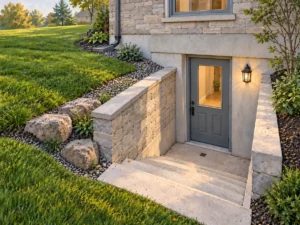
Retaining walls help manage significant elevation differences where traditional grading solutions may not work effectively. Engineers assess site conditions and determine appropriate wall locations and drainage requirements. Additionally, retaining walls influence water movement and site stability. Since these structures affect both grading and drainage, careful design remains essential. Proper integration improves functionality while supporting long-term performance. Therefore, retaining walls often play an important role in challenging grading projects.
Site Grading and Development Planning
Development planning requires coordination between grading, architecture, servicing, and landscape design. Engineers work closely with project teams to create integrated solutions that support site functionality. Moreover, grading decisions often influence other aspects of development. Since successful projects depend on coordination, early planning remains important. Effective collaboration helps reduce conflicts and improve project efficiency. Consequently, site grading contributes significantly to overall development success.
Professional Engineering for Site Grading
Professional engineering expertise helps property owners navigate technical requirements and site development challenges. Engineers analyze drainage conditions, prepare grading plans, and support permit applications throughout the project lifecycle. Furthermore, professional guidance helps identify potential concerns before construction begins. Elmid Design Inc provides engineering services for site grading, drainage design, and land development projects across Ontario. Holding a Certificate of Authorization from Professional Engineers Ontario demonstrates commitment to professional standards and quality service. Therefore, experienced engineering support remains valuable for successful site grading projects.
Site Grading Permit Requirements in King City
Site grading King City projects often require approvals before construction activities begin. Municipal authorities review grading plans to ensure safe drainage and responsible land development. Additionally, reviewers assess how proposed grading affects neighboring properties and municipal infrastructure. Since grading changes can influence runoff patterns significantly, proper documentation remains important. Engineers prepare drawings that demonstrate compliance with applicable requirements. Therefore, complete permit submissions often support a smoother approval process.
Residential Site Grading Requirements
Residential site grading supports safe drainage conditions around homes and outdoor spaces. Engineers establish elevations that move water away from structures while maintaining practical site layouts. Furthermore, residential grading helps protect landscaping, driveways, and recreational areas from water-related issues. Since every lot contains unique characteristics, grading solutions vary between properties. Effective planning helps reduce future maintenance concerns and drainage problems. Consequently, residential site grading remains a critical component of property development.
Commercial Site Grading Considerations
Commercial developments require grading systems that accommodate larger sites and increased surface runoff. Engineers analyze building locations, parking areas, and site circulation patterns during design. Moreover, grading plans help support safe drainage while maintaining operational efficiency. Since commercial projects often involve extensive hard surfaces, water management remains especially important. Proper grading protects infrastructure and improves long-term site functionality. Therefore, commercial developments benefit from detailed engineering analysis and planning.
Site Development and Grading Coordination
Successful site development depends on coordination between grading design and other project disciplines. Engineers work with architects, planners, and contractors to create integrated development solutions. Additionally, grading decisions influence servicing, landscaping, and building placement throughout the site. Since changes in one area often affect others, collaboration remains essential. Effective coordination improves efficiency while reducing design conflicts. Consequently, integrated planning supports stronger development outcomes.
Stormwater Management and Site Grading
Stormwater management focuses on controlling runoff generated during rainfall events. Engineers use grading techniques that guide water toward designated drainage areas. Furthermore, proper grading reduces the risk of flooding, erosion, and property damage. Since stormwater affects both private and public infrastructure, effective management remains important. Well-designed grading systems support long-term environmental and operational performance. Therefore, stormwater planning remains a key element of site grading projects.
Site Grading for Land Development Projects
Land development projects require grading strategies that support future construction and site functionality. Engineers evaluate site conditions and establish elevations that accommodate development objectives. Moreover, grading plans help prepare land for buildings, roads, and outdoor amenities. Since development activities alter natural drainage patterns, proper grading becomes essential. Effective site preparation reduces construction challenges and improves project efficiency. Consequently, grading plays a central role in land development success.
Site Drainage Design Principles
Site drainage design focuses on directing runoff safely across the property. Engineers establish slopes and drainage routes that minimize water accumulation and erosion risks. Additionally, drainage design supports the performance of buildings and outdoor features. Since water movement affects many aspects of site development, careful planning remains necessary. Effective drainage solutions help improve long-term property performance. Therefore, drainage design forms a fundamental part of grading engineering.
Addressing Challenging Site Conditions
Some properties present conditions that require additional engineering attention during grading design. Steep terrain, irregular lot shapes, and limited drainage outlets often create challenges. Furthermore, existing structures may restrict grading opportunities across the site. Engineers evaluate these factors and develop practical solutions that support project objectives. Since each property differs, customized approaches often produce the best results. Consequently, detailed analysis remains important for challenging sites.
Construction Planning for Site Grading
Construction planning helps ensure grading activities follow approved engineering drawings. Contractors use grading plans to establish elevations and drainage features during site preparation. Additionally, coordination between project teams supports accurate implementation. Since grading performance depends on construction quality, attention to detail remains important. Effective planning reduces errors and helps maintain compliance. Therefore, construction preparation contributes significantly to project success.
Site Grading Inspections and Quality Control
Inspections help verify that grading work matches approved design requirements. Engineers and municipal officials may review site conditions during different project stages. Moreover, inspections identify issues before they affect long-term drainage performance. Since grading influences site functionality and safety, quality control remains essential. Proper oversight supports successful project completion and reliable drainage outcomes. Consequently, inspections provide valuable protection for property owners and developers.
Preventing Drainage Conflicts
Drainage conflicts often occur when site changes direct runoff toward neighboring properties. Engineers evaluate existing and proposed drainage patterns before finalizing grading designs. Furthermore, proper planning helps prevent disputes and property damage. Since drainage concerns can create costly corrective work, prevention remains the preferred approach. Effective grading supports positive relationships between neighboring property owners. Therefore, responsible drainage management remains a key design objective.
Site Grading and Environmental Protection
Environmental protection benefits from grading solutions that control erosion and manage runoff responsibly. Engineers design drainage systems that reduce negative impacts on surrounding areas. Additionally, proper grading supports sustainable land development practices. Since water movement affects environmental conditions, careful planning remains important. Effective grading balances development goals with environmental responsibility. Consequently, site grading contributes to both property performance and environmental stewardship.
Improving Site Functionality Through Grading
Site functionality depends on how well different property features work together. Engineers create grading plans that support accessibility, drainage, and efficient land use. Moreover, proper grading improves the usability of driveways, parking areas, and outdoor spaces. Since site performance influences long-term value, functionality remains an important consideration. Effective grading enhances both practicality and appearance. Therefore, grading design supports a more successful development outcome.
Site Grading Cost Factors
Site grading costs vary depending on property characteristics and project complexity. Engineers evaluate lot size, drainage conditions, and development requirements during project planning. Furthermore, challenging site conditions may require additional analysis and design effort. Since every project presents different needs, costs often vary significantly. Early consultation helps property owners understand project scope and budgeting considerations. Consequently, accurate planning supports more informed decision-making.
Benefits of Early Site Grading Planning
Early site grading planning allows engineers to identify potential issues before construction begins. Property owners gain more flexibility when grading considerations enter the design process early. Additionally, proactive planning improves coordination between project stakeholders. Since grading affects many aspects of development, early analysis often reduces delays and revisions. Effective preparation supports smoother approvals and construction activities. Therefore, early planning provides valuable advantages for successful site development.
Long-Term Benefits of Site Grading in King City
Site grading King City property owners invest in provides benefits that extend far beyond construction completion. Proper drainage helps protect structures, landscapes, and outdoor improvements from water-related damage. Furthermore, effective grading reduces maintenance demands and improves overall site performance. Since drainage issues often worsen over time, preventive grading solutions offer long-term value. Well-designed sites remain more functional during changing weather conditions. Consequently, proper site grading supports durability, usability, and property protection for many years.
Site Grading and Property Value
Property value often benefits from effective drainage and professionally planned site development. Buyers typically prefer properties that demonstrate strong maintenance and reliable site performance. Moreover, proper grading reduces visible drainage concerns that may discourage future purchasers. Since water-related problems can affect marketability, grading plays an important role in protecting investments. Effective drainage systems support both appearance and functionality. Therefore, site grading contributes positively to long-term property value.
Choosing a Site Grading Engineer in King City
Selecting the right engineering consultant can influence project success significantly. Experienced engineers understand grading requirements, drainage principles, and local development considerations. Additionally, they provide technical guidance that helps property owners make informed decisions. Since grading affects many aspects of site performance, professional expertise remains valuable. Qualified engineers identify potential challenges before construction begins. Consequently, experienced engineering support often leads to stronger project outcomes.
Site Grading for Future Development
Future development opportunities often depend on proper site preparation and drainage planning. Engineers design grading systems that accommodate both current needs and potential future improvements. Furthermore, flexible grading solutions help property owners adapt to changing requirements over time. Since development plans may evolve, long-term thinking remains important during project design. Effective grading creates a strong foundation for future growth. Therefore, strategic planning supports lasting site functionality.
Managing Water Efficiently Across a Site
Efficient water management helps maintain stable and functional site conditions throughout the year. Engineers establish grading patterns that guide runoff toward designated drainage locations. Additionally, proper water control reduces erosion and standing water concerns. Since rainfall events vary in intensity, grading systems must perform consistently under different conditions. Effective drainage planning improves site reliability and resilience. Consequently, water management remains a core objective of grading design.
Site Grading and Sustainable Development
Sustainable development benefits from grading solutions that manage water responsibly and minimize environmental impacts. Engineers create designs that support efficient drainage while preserving site functionality. Moreover, thoughtful grading helps reduce erosion and improve landscape performance. Since sustainable practices contribute to long-term property value, many owners prioritize responsible site development. Effective grading balances development objectives with environmental considerations. Therefore, sustainable site planning often begins with proper grading design.
Improving Site Accessibility Through Grading
Accessibility depends on safe and practical movement throughout a property. Engineers design grading solutions that support comfortable access to buildings, driveways, and outdoor spaces. Furthermore, proper grading improves usability during both dry and wet conditions. Since accessibility influences daily property use, thoughtful planning remains important. Effective grading helps create convenient and functional environments. Consequently, accessibility considerations often shape grading decisions.
Site Grading and Infrastructure Protection
Infrastructure requires proper drainage to maintain long-term performance and reliability. Engineers develop grading plans that protect driveways, walkways, utilities, and other site improvements. Additionally, controlled water movement reduces wear and damage caused by uncontrolled runoff. Since infrastructure repairs can become costly, preventive grading measures provide substantial value. Effective site design helps preserve important property features. Therefore, infrastructure protection remains a major benefit of proper grading.
Avoiding Future Drainage Repairs
Many drainage repairs result from inadequate grading and poor water management. Engineers address potential concerns during the design phase to reduce future risks. Moreover, proper grading helps prevent issues before they affect buildings or landscapes. Since corrective work often costs more than preventive planning, early investment remains worthwhile. Effective drainage systems support long-term site stability and performance. Consequently, proper grading helps property owners avoid unnecessary repair expenses.
Engineering Support Throughout the Project
Engineering support continues throughout many phases of site development and construction. Engineers review site conditions, answer technical questions, and assist with grading implementation. Furthermore, ongoing involvement helps ensure grading objectives remain achievable during construction. Since site conditions occasionally change, professional guidance remains valuable. Effective communication improves project coordination and problem solving. Therefore, engineering support contributes to smoother project delivery.
Professional Site Grading Services in King City
Professional grading services provide technical expertise that supports successful drainage and development outcomes. Engineers evaluate site characteristics and develop solutions tailored to project requirements. Additionally, professional design improves compliance and long-term functionality. Since grading influences many aspects of site performance, qualified engineering involvement offers significant benefits. Property owners often achieve better results through expert guidance. Consequently, professional grading services remain an important investment.
Trusted Engineering Expertise for Site Grading Projects
Experienced engineering firms help property owners navigate grading challenges with confidence and clarity. Elmid Design Inc provides professional engineering services for site grading, drainage design, and land development projects across Ontario. Furthermore, the company holds a Certificate of Authorization from Professional Engineers Ontario, demonstrating commitment to professional standards. Since successful grading requires technical knowledge and practical experience, qualified engineering support remains essential. Reliable expertise helps property owners achieve efficient approvals and long-term site performance.
FAQ
What is site grading in King City?
Site grading in King City involves shaping land elevations to control drainage and support safe property development.
Why is site grading important?
Site grading helps direct water away from structures, reduces erosion, and improves overall property performance.
When do I need a site grading plan?
You may need a site grading plan for new construction, additions, pools, retaining walls, or major site improvements.
Who prepares a site grading plan?
Professional engineers prepare site grading plans using survey data, drainage analysis, and development requirements.
How does site grading improve drainage?
Site grading creates slopes and drainage paths that move runoff safely toward approved discharge locations.
Can site grading protect foundations?
Yes, proper grading helps keep water away from foundations and reduces moisture-related risks around buildings.
Does site grading affect neighboring properties?
Yes, grading changes can influence runoff patterns, so engineers consider surrounding properties during design.
How much does a site grading project cost?
Costs vary depending on lot size, project complexity, drainage conditions, and overall development requirements.
Why should I hire a professional engineer for site grading?
Professional engineers provide technical expertise, regulatory knowledge, and practical solutions that support successful project outcomes.
What are the long-term benefits of site grading?
Proper site grading improves drainage, protects infrastructure, reduces maintenance concerns, and supports long-term property value.

Professional Site Grading Engineering Services in King City
Elmid Design Inc. provides professional engineering services for site grading, drainage design, land development, and permit applications in King City and across Ontario. Our team develops practical grading solutions that support effective water management, foundation protection, and municipal compliance. Backed by a Certificate of Authorization from Professional Engineers Ontario, we deliver accurate engineering drawings and reliable technical guidance for homeowners, builders, and developers. Through careful planning and industry expertise, we help clients achieve efficient approvals and long-term site performance.
Geographic Locations That We Service:
Our Licensed Professional Engineers specializing in Engineered Site Grading Plans offer the best-engineered site grading plan, lot grading and erosion plan, and drainage plan to obtain site plan approval and building permits in Ontario, including a wide range of municipalities. Each area boasts unique features and requirements, making our tailored approach essential for success.
Toronto and Surrounding Areas
In the vibrant heart of Ontario, we service Toronto (City of Toronto) and surrounding areas. Additionally, we cover Oshawa (City of Oshawa), Pickering (City of Pickering), and Clarington (Municipality of Clarington). Furthermore, our expertise extends to Ajax (Town of Ajax), Whitby (Town of Whitby), Brock (Township of Brock), Scugog (Township of Scugog and Uxbridge (Township of Uxbridge).
Halton Region
Moving to the Halton Region, our services encompass Burlington (City of Burlington) and Halton Hills (Town of Halton Hills). Also included are Milton (Town of Milton) and Oakville (Town of Oakville).
Peel Region
In the Peel Region, we provide services in Brampton (City of Brampton), Mississauga (City of Mississauga), and Caledon (Town of Caledon).
York Region
Our services in the York Region cover Vaughan (City of Vaughan), Aurora (Town of Aurora), and East Gwillimbury (Town of East Gwillimbury). We also cater to Georgina (Town of Georgina), Markham (City of Markham), Newmarket (Town of Newmarket), Richmond Hill (City of Richmond Hill), Whitchurch-Stouffville (Town of Whitchurch-Stouffville), King (Township of King), and Bradford-West Gwillimbury (Town of Bradford-West Gwillimbury). Each municipality here offers a distinct setting, requiring our specialized approach.
Other Southern Ontario Cities and Towns
We also serve many other cities and towns in Southern Ontario. These include Hamilton (City of Hamilton), St. Catharines (City of St. Catharines), Niagara on the Lake (Town of Niagara on the Lake), Brant (County of Brant), Cambridge (City of Cambridge), Kitchener (City of Kitchener), Waterloo (City of Waterloo), and Woodstock (City of Woodstock). Furthermore, we operate in Guelph (City of Guelph), Centre Wellington (Township of Centre Wellington), Shelburne (Town of Shelburne), Orangeville (Town of Orangeville), New Tecumseth (Town of New Tecumseth), Essa (Town of Essa), Collingwood (Town of Collingwood), Wasaga Beach (Town of Wasaga Beach), Barrie (City of Barrie), Midland (Town of Midland), Orillia (City of Orillia), Ramara (Town of Ramara), Minden Hills (Town of Minden Hills), North Kawartha (Town of North Kawartha), Kawartha Lakes (City of Kawartha Lakes), Peterborough (City of Peterborough), Selwyn (Town of Selwyn), and Brighton (Municipality of Brighton).