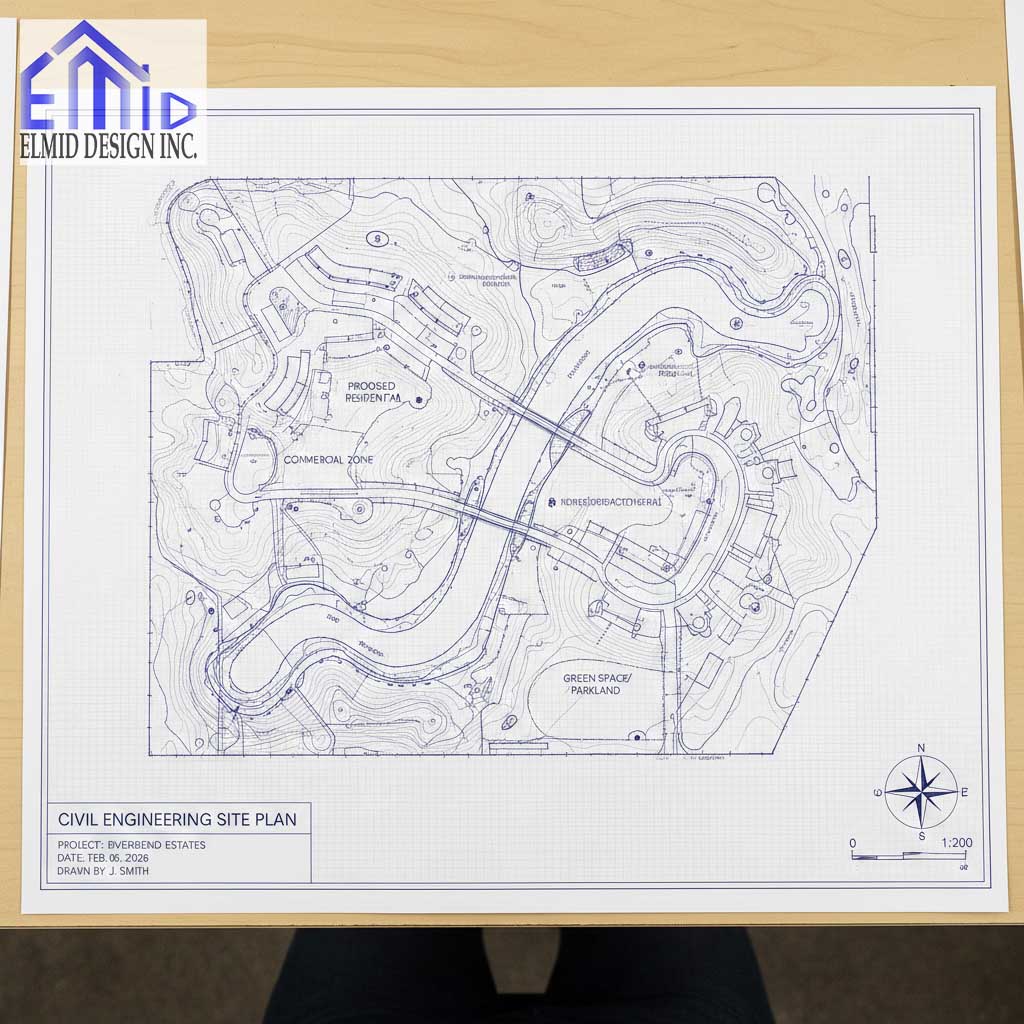
Civil engineering drawings Ajax provide the foundation needed for safe development and support every planning stage across Ajax. This topic matters because strong engineering drawings guide owners, contractors, and city reviewers through clear details that reduce mistakes and improve outcomes. Readers gain value because the sections below explain how grading, drainage, servicing, and site planning come together to support efficient development in Ajax. Engineers rely on structured methods that improve accuracy, limit risk, and strengthen results for residential and commercial projects.
Why Civil Engineering Drawings Ajax Matter
Civil engineering drawings Ajax influence every project decision because they present accurate information that supports safe design. Reviewers depend on clear drawings to confirm compliance with municipal standards. Contractors follow proper layouts to complete work correctly. Owners gain confidence because strong designs reduce risk and protect budget. Engineering teams such as Elmid Design Inc prepare drawings through licensed professionals working under a PEO certificate of authorization. Reliable engineering shapes better outcomes across Ajax.
How Civil Engineering Drawings Ajax Support Permits
Permit approval becomes smoother when drawings meet Ajax requirements. Engineers include grading, servicing, and drainage details that answer reviewer concerns early. Reviewers handle complete drawings faster because clarity reduces questions. Contractors prepare efficient schedules when information stays consistent. Owners avoid delays because fewer revisions are required. Strong engineering supports faster approvals and strengthens early planning steps. Ajax projects advance more efficiently when drawings stay complete.
Types of Civil Engineering Drawings Ajax Requires
Civil engineering drawings Ajax include several sheet types used for safe design. Site plans outline property limits, access points, and building location. Grading plans show slopes and elevations. Drainage plans direct runoff toward safe discharge points. Servicing plans display water, sewer, and utility routes. Detail sheets explain construction features in simple terms. Engineers align these sheets to maintain consistency. Contractors depend on that structure to complete work without confusion.
How Civil Engineering Drawings Ajax Improve Construction
Construction teams work safely when engineering drawings remain clear and complete. Grading plans guide heavy equipment as land is shaped. Servicing layouts help installers avoid conflict with existing lines. Drainage plans support safe water flow across the property. Reviewers approve changes faster when drawings show clear logic. Owners enjoy better timelines because quality design limits rework. Ajax construction becomes more predictable when drawings support field operations.
Role of Licensed Engineers in Civil Engineering Drawings Ajax
Licensed engineers strengthen civil engineering drawings Ajax through training and professional responsibility. Their skills allow them to design grading, drainage, and servicing systems that meet municipal rules. Engineers at Elmid Design Inc complete work under a PEO certificate of authorization. Owners trust licensed engineers because they deliver reliable results. Contractors depend on accurate drawings because correct design reduces risk. Ajax benefits from the leadership provided by qualified professionals.
Steps in Creating Civil Engineering Drawings Ajax
Engineering teams follow structured steps to create complete drawings. Work begins with a review of survey information and existing site features. Engineers study Ajax standards and apply them to grading, drainage, and servicing decisions. Drawings receive clear labels and simple notes that guide contractors. Final reviews confirm accuracy and compliance. Owners receive organized drawings ready for submission. Structured planning reduces confusion and strengthens each project stage.
How Civil Engineering Drawings Ajax Reduce Project Risk
Project risk decreases when drawings include accurate slopes, drainage routes, and service paths. Engineers identify issues early and correct them before construction begins. Contractors avoid mistakes because instructions remain clear. Reviewers uncover potential problems in the planning stage. Owners avoid surprise expenses because design reflects real site behavior. Ajax developments stay safer when planning addresses concerns before field work starts.
Common Mistakes in Civil Engineering Drawings Ajax
Mistakes in engineering drawings create delays and additional cost. Missing elevations cause drainage issues. Incorrect servicing paths create conflict with utilities. Poor labeling slows review. Contractors face confusion when information lacks clarity. Owners face redesign charges when errors appear late. Skilled engineers prevent mistakes through careful review and structured design practices. Ajax projects gain stability when drawings avoid common errors.
How Technology Improves Civil Engineering Drawings Ajax
Technology strengthens drawing quality by improving accuracy and speed. Engineers use software that supports precise grading, servicing, and drainage design. Digital models help predict slope and water movement. Contractors access updates quickly, which improves coordination. Reviewers understand digital drawings easily because information stays organized. Owners appreciate fast updates when project needs shift. Ajax development becomes more efficient through modern engineering tools.
Why Experience Matters in Civil Engineering Drawings Ajax
Experience influences engineering decisions because seasoned teams understand local soil, drainage patterns, and municipal expectations. Engineers familiar with Ajax anticipate reviewer concerns and design challenges. Contractors rely on drawings that reflect real site conditions. Owners value predictable results produced by experienced professionals. Elmid Design Inc brings strong technical knowledge that supports dependable outcomes across Ajax. Experience strengthens design decisions at every stage.
How Civil Engineering Drawings Ajax Affect Project Cost
Accurate engineering drawings help manage budget. Correct grading plans reduce rework. Clear servicing layouts prevent costly utility conflicts. Efficient drainage design reduces long-term maintenance needs. Reviewers complete approvals faster when drawings remain organized. Contractors estimate more accurately when design stays complete. Owners avoid unnecessary expense because engineering predicts site needs. Ajax projects maintain stronger cost control when design remains consistent.
Civil Engineering Drawings Ajax and City Compliance
Compliance with Ajax standards supports safe and reliable development. Engineers design grading, servicing, and drainage systems that follow municipal rules. Reviewers approve compliant drawings faster. Contractors follow approved details to reduce errors. Owners experience fewer delays because compliance reduces revisions. Ajax benefits from engineering work that supports long-term community growth and safety.

Growth in Demand for Civil Engineering Drawings Ajax
Demand for civil engineering drawings Ajax increases as development expands across Ajax. New subdivisions, commercial centers, and infill projects rely on accurate drawings that support safe design. Reviewers complete assessments faster when drawings stay clear. Contractors improve coordination because layouts remain consistent. Owners gain confidence because strong engineering reduces risk. Ajax continues to grow as reliable engineering supports each new development.
Infrastructure Planning in Civil Engineering Drawings Ajax
Infrastructure planning shapes many projects across Ajax because servicing systems must support long-term growth. Engineers prepare drawings that show correct water, sewer, and utility routes. Reviewers confirm each alignment to ensure compliance with local rules. Contractors depend on precise layouts to avoid costly errors. Owners benefit from strong planning that protects essential systems. Ajax development becomes more stable when infrastructure drawings remain accurate.
Stormwater Design in Civil Engineering Drawings Ajax
Stormwater design remains critical across Ajax because safe drainage prevents damage and protects nearby properties. Engineers prepare drawings that show runoff direction, slopes, and required storage areas. Reviewers study these plans to confirm performance under storm conditions. Contractors follow clear drainage details to shape final grades. Owners avoid flooding issues because good design predicts water behavior. Ajax neighbourhoods achieve safer results when stormwater work follows reliable engineering.
Utility Coordination in Civil Engineering Drawings Ajax
Utility coordination strengthens civil engineering drawings Ajax by aligning water, sewer, and service lines within available space. Engineers design layouts with proper separation and depth. Reviewers check each system to confirm protection standards. Contractors avoid conflict because drawings show clear utility paths. Owners reduce extra charges because coordination removes unexpected changes. Ajax projects run smoothly when utilities follow organized design.
Sustainable Design in Civil Engineering Drawings Ajax
Sustainable design improves long-term site performance and supports environmental goals. Engineers include features that manage runoff naturally and reduce soil disturbance. Reviewers support these measures because sustainability aligns with Ajax planning policies. Contractors follow drawings that present simple steps. Owners appreciate reduced maintenance and stronger durability. Ajax development grows responsibly when sustainable design remains part of engineering work.
Civil Engineering Drawings Ajax for Residential Areas
Residential projects in Ajax depend on accurate grading, drainage, and servicing design. Engineers create drawings that reflect realistic site conditions. Reviewers confirm that each plan meets municipal standards. Contractors rely on clear details to avoid onsite problems. Owners understand project impacts because drawings present information simply. Ajax neighbourhoods develop safely when residential engineering remains consistent.
Civil Engineering Drawings Ajax for Commercial Sites
Commercial sites across Ajax require strong engineering because heavier traffic and larger buildings increase design needs. Engineers prepare drawings that support safe access, efficient circulation, and proper servicing. Reviewers examine these plans to confirm compliance. Contractors coordinate work smoothly when drawings stay clear. Owners gain predictable outcomes because strong engineering reduces uncertainty. Ajax businesses benefit from reliable planning.
Sequencing and Planning in Civil Engineering Drawings Ajax
Sequencing improves construction planning because it shows the correct order of tasks. Engineers prepare drawings that outline steps for grading, servicing, and drainage work. Reviewers appreciate clear sequencing because it shows responsible management. Contractors avoid delays when tasks follow a logical order. Owners experience smoother timelines because planning remains organized. Ajax projects progress more efficiently when sequencing supports each phase.
Quality Control in Civil Engineering Drawings Ajax
Quality control enhances engineering drawings by removing errors before submission. Engineers review each note, label, and elevation. Reviewers complete assessments faster when information appears accurate. Contractors avoid rework because drawings remain dependable. Owners reduce unexpected cost because quality stays consistent. Ajax development benefits from engineering teams that maintain strong quality standards.
Risk Reduction Through Civil Engineering Drawings Ajax
Risk reduction begins with drawings that address issues early. Engineers adjust slopes, drainage paths, and servicing routes before construction. Reviewers confirm each adjustment to ensure safety. Contractors reduce field mistakes because drawings guide proper work. Owners avoid costly revisions because design predicts potential issues. Ajax development becomes safer when planning focuses on reducing risk.
Training Supporting Civil Engineering Drawings Ajax
Training influences the quality of civil engineering drawings Ajax because skilled engineers understand complex site behavior. Engineers use their knowledge to design grading, drainage, and servicing that follow municipal expectations. Reviewers trust work prepared by trained professionals. Contractors value drawings that reflect field realities. Owners gain clear explanations that support informed decisions. Ajax projects rely on strong engineering education.
Long-Term Value in Civil Engineering Drawings Ajax
Long-term value increases when drawings document grading, servicing, and drainage clearly. Contractors reference these documents during future work. Owners use them to plan upgrades confidently. Reviewers depend on them when assessing nearby projects. Strong documentation reduces confusion and protects long-term function. Ajax development remains stable when long-term planning guides engineering decisions.
Digital Standards Improving Civil Engineering Drawings Ajax
Digital standards improve civil engineering drawings Ajax because modern tools create clear layouts and accurate design information. Engineers use updated software that supports precise grading, servicing, and drainage work. These tools allow quick adjustments when site conditions change. Reviewers understand digital plans easily because information stays organized. Contractors depend on updated drawings to complete work safely. Owners gain stability because digital accuracy reduces unexpected issues. Ajax development grows stronger when digital tools support engineering design.
Municipal Expectations for Civil Engineering Drawings Ajax
Municipal expectations guide every design decision across Ajax. Engineers follow rules for grading, access, servicing, and drainage. Reviewers confirm that each drawing meets city standards. Contractors rely on approved details because they reduce uncertainty during construction. Owners gain smoother progress because compliant drawings reduce revision needs. Ajax development becomes more reliable when engineering aligns with municipal requirements.
Engineering Drawings Ajax in High-Density Areas
High-density areas across Ajax require precise engineering because limited space increases design pressure. Engineers prepare drawings that balance grading, servicing, and building placement carefully. Reviewers study these plans closely to confirm workable solutions. Contractors depend on accurate details to avoid conflict between trades. Owners value predictable results that reduce field risk. Ajax communities thrive when dense developments follow structured engineering planning.
Coordination Between Architects and Civil Engineering Drawings Ajax
Coordination between architects and engineers strengthens overall design quality. Engineering drawings reflect shared decisions about grades, drainage, and servicing connections. Reviewers accept coordinated submissions faster because information remains consistent. Contractors follow unified plans that support efficient work. Owners trust collaborative teams because coordination reduces the chance of costly changes. Ajax benefits from projects that maintain alignment between engineering and architecture.
Civil Engineering Drawings Ajax and Public Safety
Public safety guides all civil engineering drawings Ajax because safe communities depend on responsible design. Engineers study land behavior to create safe slopes, drainage routes, and servicing systems. Reviewers confirm that each feature meets safety standards. Contractors follow drawings that reduce onsite hazards. Owners rely on engineering decisions that protect long-term value. Ajax neighbourhoods stay secure when engineering places safety first.
Future Trends in Civil Engineering Drawings Ajax
Future trends reshape civil engineering drawings Ajax as technology continues to advance. Engineers use modelling tools that show drainage flow and grade behavior under real conditions. Reviewers understand these models easily because visuals highlight important patterns. Contractors plan tasks earlier when digital tools reveal challenges. Owners value improved accuracy that supports stronger planning. Ajax development grows more efficient as these trends progress.
Education and Awareness in Civil Engineering Drawings Ajax
Education helps owners understand how engineering decisions affect project outcomes. Engineers explain grading, servicing, and drainage details in clear language. Clients make better decisions when information stays simple. Reviewers appreciate submissions supported by informed owners. Contractors avoid confusion when everyone understands the design intent. Ajax projects move forward smoothly when education supports strong communication.
FAQ
What do civil engineering drawings Ajax include?
Civil engineering drawings Ajax include grading plans, servicing layouts, drainage paths, and site details. Engineers prepare these drawings to meet municipal standards. Contractors use them to complete work safely and accurately.
Why do I need civil engineering drawings in Ajax?
Civil engineering drawings support safe planning, permit approval, and proper construction. Ajax requires accurate site details for grading, drainage, and servicing. Strong drawings reduce delays and prevent costly issues.
Who prepares civil engineering drawings Ajax?
Licensed engineers prepare civil engineering drawings Ajax. Engineering firms such as Elmid Design Inc complete this work under a PEO certificate of authorization. Their training ensures accuracy and compliance.
How long do civil engineering drawings Ajax take?
Timelines vary based on project size and complexity. Smaller projects require shorter design phases. Larger developments need more coordination. Drawings finish faster when owners provide full details early.
Do civil engineering drawings Ajax help with construction?
Civil engineering drawings guide construction by showing slopes, servicing routes, drainage features, and elevations. Contractors rely on these drawings to avoid mistakes. Clear design supports safe and efficient progress.

Engineering Expertise Strengthening Ajax Development
Elmid Design Inc delivers civil engineering drawings Ajax property owners rely on for accurate, compliant, and efficient development. Licensed engineers complete each project under a PEO certificate of authorization and prepare precise grading, drainage, and servicing designs that follow municipal requirements. Clients trust their structured approach because every drawing supports faster approvals, reduces construction risk, and improves long-term site performance across Ajax.
Geographic Locations That We Service:
Our Licensed Professional Engineers specializing in Engineered Site Grading Plans offer the best-engineered site grading plan, lot grading and erosion plan, and drainage plan to obtain site plan approval and building permits in Ontario, including a wide range of municipalities. Each area boasts unique features and requirements, making our tailored approach essential for success.
Toronto and Surrounding Areas
In the vibrant heart of Ontario, we service Toronto (City of Toronto) and surrounding areas. Additionally, we cover Oshawa (City of Oshawa), Pickering (City of Pickering), and Clarington (Municipality of Clarington). Furthermore, our expertise extends to Ajax (Town of Ajax), Whitby (Town of Whitby), Brock (Township of Brock), Scugog (Township of Scugog and Uxbridge (Township of Uxbridge).
Halton Region
Moving to the Halton Region, our services encompass Burlington (City of Burlington) and Halton Hills (Town of Halton Hills). Also included are Milton (Town of Milton) and Oakville (Town of Oakville).
Peel Region
In the Peel Region, we provide services in Brampton (City of Brampton), Mississauga (City of Mississauga), and Caledon (Town of Caledon).
York Region
Our services in the York Region cover Vaughan (City of Vaughan), Aurora (Town of Aurora), and East Gwillimbury (Town of East Gwillimbury). We also cater to Georgina (Town of Georgina), Markham (City of Markham), Newmarket (Town of Newmarket), Richmond Hill (City of Richmond Hill), Whitchurch-Stouffville (Town of Whitchurch-Stouffville), King (Township of King), and Bradford-West Gwillimbury (Town of Bradford-West Gwillimbury). Each municipality here offers a distinct setting, requiring our specialized approach.
Other Southern Ontario Cities and Towns
We also serve many other cities and towns in Southern Ontario. These include Hamilton (City of Hamilton), St. Catharines (City of St. Catharines), Niagara on the Lake (Town of Niagara on the Lake), Brant (County of Brant), Cambridge (City of Cambridge), Kitchener (City of Kitchener), Waterloo (City of Waterloo), and Woodstock (City of Woodstock). Furthermore, we operate in Guelph (City of Guelph), Centre Wellington (Township of Centre Wellington), Shelburne (Town of Shelburne), Orangeville (Town of Orangeville), New Tecumseth (Town of New Tecumseth), Essa (Town of Essa), Collingwood (Town of Collingwood), Wasaga Beach (Town of Wasaga Beach), Barrie (City of Barrie), Midland (Town of Midland), Orillia (City of Orillia), Ramara (Town of Ramara), Minden Hills (Town of Minden Hills), North Kawartha (Town of North Kawartha), Kawartha Lakes (City of Kawartha Lakes), Peterborough (City of Peterborough), Selwyn (Town of Selwyn), and Brighton (Municipality of Brighton).