
A Georgia Building Permit is an essential authorization required before starting most construction, renovation, or demolition projects in the state. It ensures that every building meets Georgia’s construction standards, zoning laws, and safety regulations. Understanding how this process works saves time, prevents fines, and protects property value. Whether you are building a new home, expanding a commercial facility, or remodeling a kitchen, following Georgia’s building permit process keeps your project compliant, efficient, and secure from start to finish.
Key Takeaways
A Georgia Building Permit confirms that your project follows state and local construction codes.
Submitting accurate plans and documentation reduces approval delays.
Inspections during construction guarantee structural safety and code compliance.
Working with licensed engineers or architects ensures professional and legal approval.
What Is a Georgia Building Permit
A Georgia Building Permit is a formal approval granted by local building departments under the Georgia State Minimum Standard Codes. It authorizes specific construction or renovation work on residential and commercial properties. The permit process protects public safety by ensuring that buildings meet standards for fire prevention, structural integrity, plumbing, and electrical systems. Each county and city within Georgia enforces its own regulations under state guidelines. Obtaining a permit is a legal requirement before beginning most types of construction work.
Why Georgia Building Permits Matter
Permits ensure safety, accountability, and legal compliance. Construction without a Georgia Building Permit may lead to fines, stop-work orders, or demolition of unauthorized work. Permits confirm that professional inspections will occur during each stage of construction. This oversight protects homeowners, contractors, and future occupants. A valid permit also simplifies home sales, insurance claims, and mortgage approvals. It demonstrates that the property meets safety and quality standards set by Georgia’s building codes and local authorities.
When You Need a Georgia Building Permit
Most structural, mechanical, or electrical projects require a Georgia Building Permit. New home builds, room additions, garages, decks over thirty inches, and major renovations all fall under this category. Projects that alter load-bearing walls or plumbing layouts also require prior approval. Even smaller structures like sheds or fences may need permits depending on local zoning rules. Each county or municipality may have slightly different thresholds, so confirming with local building officials before starting ensures full compliance with the law.
Projects That May Not Require a Permit in Georgia
Some minor projects may not need a Georgia Building Permit. These include interior cosmetic improvements such as painting, flooring, or replacing cabinets. Small sheds under a specific size or minor repairs that do not affect structure, plumbing, or electrical systems may also be exempt. However, local governments often have unique criteria, and even small projects may need inspection for zoning or safety reasons. Homeowners should always verify exemptions before beginning work to avoid potential violations or costly corrections.
Steps to Prepare Before Applying for a Permit
Preparation is crucial before applying for a Georgia Building Permit. Applicants should review local zoning requirements, setbacks, and building code restrictions that apply to their property. Gathering accurate information about property boundaries and site conditions prevents design conflicts later. Preparing professional drawings, surveys, and engineering documents ensures a smoother review process. Meeting with planning staff or consulting licensed experts before submission helps identify potential issues early, improving the chances of fast and successful approval.
Working with Licensed Professionals in Georgia
Hiring licensed architects and engineers makes the building permit process more reliable. These professionals understand Georgia’s construction codes and help design compliant plans that meet all technical standards. They can also handle calculations for structural loads, energy efficiency, and foundation design. Professional involvement reduces review time and increases approval success. Engineering firms like Elmid Design Inc, certified by Professional Engineers Ontario and experienced in North American standards, provide trusted guidance for Georgia projects that require technical documentation and accuracy.
Required Documents for a Georgia Building Permit
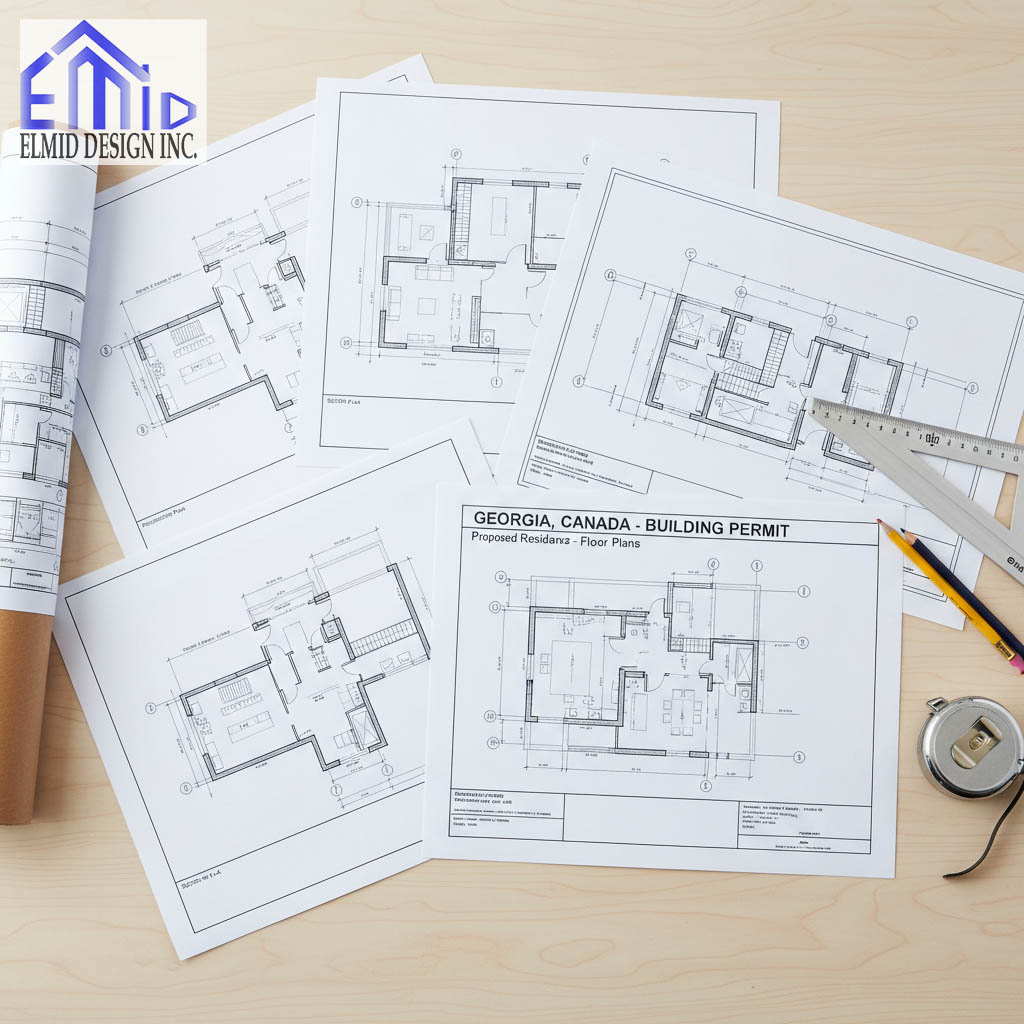
Applicants must prepare several key documents before submitting their Georgia Building Permit application. A complete set includes site plans, floor plans, elevation drawings, foundation details, and mechanical layouts. Structural and electrical designs must comply with state and local codes. Licensed engineers or architects must review and stamp these documents when required. Supporting paperwork such as application forms, construction cost estimates, and energy compliance reports must also be included. Incomplete or inaccurate documentation can cause significant delays during review.
Submitting the Georgia Building Permit Application
Once all documents are ready, applicants submit them to the local building department, either online or in person, depending on jurisdiction. Each submission must include completed forms, drawings, and payment for required fees. Officials review the application for zoning compliance and code accuracy. If revisions are necessary, they notify the applicant to make corrections. Submitting complete and accurate information the first time shortens review times. After approval, the permit must remain visible on the project site during construction.
Georgia Building Permit Review and Approval Process
The review process ensures that proposed work meets all building, zoning, and safety standards. Building officials evaluate plans for structure, energy performance, and fire protection. Depending on the project’s scope, the review may also involve planning, public works, and environmental departments. Review time varies by project complexity. Small residential projects may receive approval within two weeks, while commercial or multi-family developments can take longer. Quick responses to reviewer comments help maintain consistent progress toward final approval.
Common Mistakes During Application Review
Common mistakes that slow down approval include incomplete drawings, missing professional seals, or incorrect dimensions. Applicants often overlook zoning setbacks or miscalculate square footage, which leads to rejection. Failing to provide proper energy compliance documentation also causes delays. Clear communication between applicants, designers, and reviewers prevents these issues. Ensuring that every document matches site conditions and meets code requirements keeps the process efficient. Avoiding errors saves time and prevents costly re-submissions during the review phase.
How to Track the Status of Your Georgia Building Permit
Most Georgia jurisdictions allow applicants to monitor permit progress online. Tracking tools display current review status, comments from officials, and inspection schedules. Regularly checking updates helps applicants address issues quickly. If the system shows missing documents or pending actions, contacting the building department directly can resolve them faster. Keeping digital and printed copies of all submissions and communications ensures transparency throughout the process. Staying informed allows smooth coordination from submission to permit issuance.
Expected Timeline for Georgia Building Permits
Permit timelines vary based on location and project complexity. Smaller residential projects with complete documentation often receive approval within ten to fifteen business days. Larger developments or projects needing multiple agency reviews may take up to forty-five days. Factors such as workload, incomplete applications, or zoning complications can extend timelines. Applicants who prepare detailed plans and respond promptly to reviewer requests typically experience faster approvals. Patience and accuracy throughout the process lead to predictable, successful outcomes.
The Role of Inspections After Permit Approval
After a Georgia Building Permit is issued, inspections confirm that each construction phase complies with approved plans. Inspectors visit the site at major milestones, such as foundation, framing, plumbing, and final completion. They verify safety, materials, and workmanship against building codes. Construction must pause at each stage until the inspection passes. Scheduling inspections early prevents delays. Maintaining communication with inspectors ensures that issues are resolved quickly, leading to final approval and occupancy clearance.
Cost of a Georgia Building Permit
Permit fees depend on the type, size, and value of the construction project. Residential permits are often calculated based on square footage, while commercial permits may use valuation or complexity as the basis. Additional charges may apply for plan reviews, re-inspections, or amendments. Knowing the fee structure in advance helps applicants budget accurately. Paying fees promptly prevents administrative delays. Investing in accurate drawings and professional support reduces overall costs by avoiding revisions or failed inspections later.
Getting Professional Support for Georgia Building Permits
Working with experienced engineers or architects ensures accuracy and compliance during every step of the permit process. Firms familiar with Georgia’s building regulations provide expert design, code analysis, and documentation support. Elmid Design Inc offers reliable engineering services that align with both Canadian and U.S. building standards. Their team assists clients with structural design, energy analysis, and permit preparation. Partnering with professionals reduces the chance of error and helps applicants achieve faster, stress-free approvals.
Inspections During Construction
Inspections play a vital role in verifying that every phase of construction meets Georgia’s building codes. Inspectors visit at several stages, such as foundation, framing, electrical, plumbing, and final completion. They assess safety, structure, and workmanship against approved plans. Each inspection must occur before the next construction phase starts. Failing to schedule an inspection on time can delay your project. Timely communication with inspectors and adherence to code requirements keep construction progressing smoothly without interruption.
Scheduling Construction Inspections
Property owners or contractors must schedule inspections directly with the local building department. Most jurisdictions require notice at least twenty-four to forty-eight hours before the inspection date. The approved building permit number, project address, and contact details must be included. Inspectors verify the site conditions and record results in the official file. If a problem arises, builders must correct the issue before requesting another inspection. Organizing inspection schedules early ensures timely verification and steady progress toward project completion.
Maintaining Compliance During Inspections
Compliance during inspections ensures safety and smooth approvals. Builders must follow all approved drawings and specifications exactly. Any field modifications must receive prior authorization from the building department. Inspectors may stop work if they find deviations or safety concerns. Regular communication between contractors, engineers, and inspectors prevents misunderstandings and rework. Keeping approved plans accessible on-site also allows inspectors to verify information quickly. Consistent compliance builds confidence with officials and keeps the project on track.
Handling Electrical and Specialty Inspections
Electrical inspections in Georgia are managed by certified local inspectors or approved state agencies. They verify that all electrical installations meet state safety standards. Other specialized systems, such as gas lines, elevators, or fire protection, may require additional inspections by licensed professionals. Coordinating these inspections with the building department avoids scheduling conflicts. Contractors should ensure all reports are submitted promptly for record keeping. These specialty inspections confirm that technical systems operate safely before final occupancy approval.
Managing Design Changes During Construction
Changes often occur once construction begins. When modifications affect structure, layout, or major systems, the applicant must submit revised plans for review. These updates require formal approval before implementation. Starting unapproved work can result in stop-work orders or penalties. Submitting design amendments early prevents disruptions and ensures legal compliance. Professional engineers and architects assist in revising drawings quickly to meet Georgia’s building standards while maintaining the integrity of the original permit.
Consequences of Unauthorized Modifications
Unauthorized modifications create significant risks. If inspectors find unapproved work, they can issue violation notices or demand reconstruction. Such actions increase project costs and cause major delays. Insurance providers may deny claims for damages caused by unapproved alterations. Following the proper amendment process protects your investment and keeps your project on schedule. Maintaining open communication with inspectors and submitting all revisions for review guarantees compliance and prevents future legal or safety issues.
The Final Inspection and Occupancy Permit
The final inspection marks the last step before occupancy. Inspectors verify that the entire building complies with Georgia’s codes and approved plans. They review safety systems, mechanical equipment, and accessibility features. Once all requirements are met, the local authority issues a Certificate of Occupancy. This document confirms the building is safe for use. Without it, the property cannot legally open or be occupied. Proper record keeping and coordination help ensure a smooth and timely approval process.
Closing a Georgia Building Permit
A building permit remains open until all inspections are complete. After the final inspection passes and all fees are paid, the local department officially closes the file. This step confirms that the project meets every safety and code standard. Property owners should request written confirmation of closure to keep for their records. If a permit stays open too long, the department may require new inspections or updated plans before closure is granted. Completing closure promptly avoids unnecessary complications.
Understanding Permit Expiration and Renewal
Georgia building permits have expiration dates based on local ordinances. Typically, a permit expires if work does not begin within six months or stops for more than six months. Applicants can request an extension before expiration by providing valid reasons. Renewing on time prevents additional fees or reapplication requirements. Monitoring deadlines and maintaining consistent progress ensures the permit remains valid. Keeping active communication with local officials helps avoid unexpected expiration issues that can halt construction.
Estimating Inspection and Amendment Fees
Inspection and amendment fees vary by county and project type. Residential projects often pay smaller fees compared to commercial developments. Some jurisdictions charge per inspection visit, while others include inspections in the initial permit cost. Amendment requests may require additional fees based on the number of revised drawings. Understanding these costs before submission helps applicants budget accurately. Paying fees promptly prevents processing delays and keeps the construction timeline aligned with the approved schedule.
Addressing Common Inspection Challenges
Common inspection issues include incomplete work, missing documentation, and discrepancies between drawings and site conditions. Poor scheduling or communication often leads to repeat visits. Builders should maintain clear records of inspection results and correct any deficiencies immediately. Regular coordination between contractors and inspectors reduces conflicts. When in doubt, consulting a licensed engineer helps resolve technical concerns before inspections occur. Consistency, preparation, and professionalism are the best ways to ensure successful inspection outcomes in Georgia.
Using Digital Tools to Track Permit Status
Many Georgia counties now offer digital tracking systems for permit management. These tools allow property owners and contractors to check inspection results, receive status updates, and upload revised plans online. Real-time updates improve communication between applicants and reviewers. Staying informed through digital systems reduces delays caused by missing paperwork or unanswered inquiries. Efficient use of these tools creates transparency throughout the entire building process and simplifies coordination between different departments and stakeholders.
Example Project: Home Addition in Georgia
A homeowner planning to add a new bedroom applies for a Georgia Building Permit. After submitting complete drawings and engineering documents, the project receives approval within two weeks. During construction, inspectors visit to check the foundation, framing, and electrical systems. Each stage passes without delay because the builder follows the approved plans closely. The final inspection confirms full compliance, and the homeowner receives a Certificate of Occupancy. The process demonstrates how preparation and professional support ensure success.
Example Project: Small Commercial Renovation
A small business owner remodels an existing storefront in Georgia. The project includes plumbing and electrical upgrades, requiring both standard and specialty inspections. Coordination between contractors and inspectors allows each phase to proceed efficiently. When a design change occurs, the team submits a quick amendment for approval. The project finishes on schedule, and the final inspection confirms compliance. The timely cooperation between all parties results in a smooth approval and successful completion of the renovation.
Communicating Effectively with Georgia Building Officials
Clear communication with building officials is crucial throughout the permit process. Applicants should remain respectful, organized, and responsive to feedback. Providing complete information the first time shortens review and inspection timelines. Building trust with inspectors and reviewers encourages smoother coordination. Regular updates and timely responses to requests maintain progress. Strong communication builds professional credibility and ensures your Georgia Building Permit proceeds efficiently from submission to final approval.
Avoiding Common Mistakes in Permit Closure
Many applicants delay closure by forgetting final steps such as scheduling inspections or submitting completion forms. Missing documents or unpaid fees can also prevent official closure. Regularly checking project status and following up with the building department eliminates oversights. Ensuring that every inspection record is complete and accurate simplifies final review. Staying organized and proactive during the closing phase guarantees smooth completion and legal certification of the property under Georgia’s building regulations.
Completing Your Georgia Building Permit Project
Finishing a project under a Georgia Building Permit demonstrates accountability and compliance. Proper inspections, approved amendments, and final documentation confirm the safety and legality of the structure. Property owners benefit from increased value and easier resale when all permits are closed. Working with qualified professionals like engineers and architects ensures every step meets technical and legal standards. Completing the process successfully provides lasting peace of mind and long-term assurance of structural quality and safety.
Maintaining Records After Permit Closure
Keeping detailed records after closing a Georgia Building Permit is essential. Property owners should store approved drawings, inspection reports, and certificates in a secure location. These documents serve as legal proof of compliance when selling or refinancing the property. Maintaining digital and physical copies ensures easy access for future renovations or insurance purposes. Proper documentation demonstrates responsibility and builds confidence with future buyers, inspectors, and financial institutions involved in property transactions.
Importance of Code Updates in Georgia
Georgia updates its construction codes periodically to reflect new safety standards and building technologies. Staying informed about these updates helps property owners and contractors maintain long-term compliance. Engineers and architects play a vital role in interpreting new code requirements and adjusting designs accordingly. Reviewing changes before starting new projects ensures that all work aligns with the latest state regulations. Continuous awareness of updates keeps every property safe, efficient, and legally approved under evolving building laws.
Sustainable Building Practices in Georgia
Sustainable construction continues to grow across Georgia. Energy-efficient materials, modern insulation systems, and green design strategies lower energy consumption and reduce long-term costs. Builders who follow sustainable practices often gain faster approvals since their projects meet or exceed energy compliance standards. Many counties in Georgia now encourage energy rating certifications for new homes. Incorporating these eco-friendly methods early improves property value and ensures that construction contributes positively to the state’s environmental goals.
The Role of Professional Engineers in Building Permits
Professional engineers guide property owners through every stage of the Georgia Building Permit process. Their expertise ensures structural integrity and regulatory compliance. Engineers prepare accurate load calculations, material specifications, and safety assessments required for approval. Partnering with licensed professionals eliminates technical errors and minimizes the risk of rejection. Firms such as Elmid Design Inc bring proven experience and engineering precision that align with Georgia’s construction standards. Professional involvement guarantees accuracy, safety, and confidence throughout the project.
How Elmid Design Inc Supports Georgia Building Projects
Elmid Design Inc delivers trusted engineering and design solutions for clients across Georgia and beyond. The company’s licensed professionals provide structural, mechanical, and architectural drawings that comply with Georgia’s building regulations. Their focus on efficiency, safety, and compliance helps clients navigate complex permitting processes smoothly. With a Certificate of Authorization from Professional Engineers Ontario and international project experience, Elmid Design Inc represents technical expertise, reliability, and quality in every project stage from concept to completion.
Advantages of Professional Permit Assistance
Working with professionals simplifies the entire Georgia Building Permit process. Engineers, architects, and code consultants understand how to interpret local regulations accurately. Their experience minimizes mistakes during design and review stages. Professional guidance also speeds up approvals because officials trust documentation that meets all standards. Property owners benefit from reduced stress, shorter timelines, and improved safety outcomes. Expert collaboration builds lasting assurance that each structure meets both functional and legal requirements under Georgia’s building code.
Preparing for Future Construction in Georgia
Planning ahead for future projects ensures consistent compliance and efficiency. Reviewing property records and previous permits helps identify potential zoning or environmental constraints before designing new additions. Consulting professionals early allows better coordination with planning departments and avoids unnecessary delays. Establishing clear project goals, budgets, and schedules from the beginning strengthens communication between owners and engineers. Proper preparation builds a solid foundation for every new Georgia construction or renovation project moving forward.
Enhancing Property Value Through Compliance
A closed and compliant Georgia Building Permit enhances property value immediately. Buyers and investors trust properties that show verified documentation and safety compliance. Proper permits prove that all work meets official standards, which reduces risk during inspection or sale. Homeowners who maintain compliance avoid future disputes and costly rework. Compliance also ensures long-term stability, safety, and durability of the structure. A fully approved project strengthens market appeal and demonstrates responsible ownership under Georgia’s strict building codes.
Technology’s Role in Modern Building Permits
Digital innovation continues to transform Georgia’s building permit system. Online submission portals, electronic signatures, and real-time inspection tracking streamline approvals. Builders can now submit drawings, check review progress, and receive updates instantly. These advancements save time and reduce administrative workload for both applicants and officials. Technology ensures transparency at every stage and encourages better communication between departments. Using digital tools effectively allows faster, more accurate approvals for Georgia’s growing construction industry.
Encouraging Compliance Culture in Construction
A strong culture of compliance defines successful construction practices in Georgia. Builders, homeowners, and engineers must understand their shared responsibility for safety and quality. Following proper procedures from planning to occupancy builds trust with regulatory authorities and communities. Training workers, using certified materials, and maintaining accurate documentation foster long-term compliance. Promoting this culture protects both lives and property, ensuring that every Georgia building stands as a safe, durable, and lawful structure for years to come.
The Future of Building Permits in Georgia
Georgia continues to modernize its permitting process to improve efficiency and public service. Many counties are transitioning to paperless submissions and integrated digital review systems. These improvements shorten timelines, enhance communication, and reduce environmental impact. As urban development expands, the demand for transparent and accessible permit processes grows stronger. The future of building permits in Georgia promises faster approvals, improved safety oversight, and greater collaboration between officials, professionals, and property owners.
Final Thoughts on the Georgia Building Permit Process
The Georgia Building Permit process ensures safety, stability, and accountability across all construction activities. Completing every stage properly—from application to inspection and closure—prevents future problems and strengthens property value. Homeowners and contractors who plan carefully, follow regulations, and work with licensed professionals experience smoother approvals and long-term benefits. The process reflects Georgia’s dedication to responsible development, safe structures, and community well-being through consistent compliance and engineering precision.
Frequently Asked Questions about Georgia Building Permits
How long does it take to get a Georgia Building Permit
Most simple residential permits take ten to fifteen business days, while large or complex projects may require up to forty-five days depending on review workload and documentation quality.
What happens if I start work without a Georgia Building Permit
Starting work without a valid permit can result in fines, stop-work orders, or even mandatory removal of unapproved construction. It also creates legal and insurance complications for the property owner.
Do I need a Georgia Building Permit for small repairs
Small cosmetic repairs like painting or flooring typically do not require a permit, but structural or electrical changes almost always do. Confirm with your local authority before starting any work.
Who conducts inspections for Georgia Building Permits
Local government inspectors perform most construction inspections, while specialized systems such as electrical or gas installations require additional review from certified state-approved inspectors.
How can Elmid Design Inc help with Georgia Building Permits
Elmid Design Inc provides complete engineering and design services for permit applications, ensuring that all drawings, calculations, and documents comply with Georgia’s building regulations and technical standards.
Can a building permit in Georgia expire
Yes, permits expire if work does not begin within six months or stops for an extended period. Renewal requests must be submitted before expiration to avoid reapplication.

Elmid Design Inc: Expert Engineering and Building Permit Solutions
Elmid Design Inc is a trusted engineering firm providing structural, architectural, and building permit design services across Georgia and Ontario. With a Certificate of Authorization from Professional Engineers Ontario, the company ensures every project meets strict safety and code standards. Its experienced team delivers precise engineering drawings and permit documentation that simplify approval processes. Elmid Design Inc’s commitment to quality, compliance, and innovation makes it a reliable partner for homeowners, contractors, and developers seeking expert guidance in efficient and compliant building design.
Geographic Locations That We Service:
Our Licensed Professional Engineers specializing in Engineered Site Grading Plans offer the best-engineered site grading plan, lot grading and erosion plan, and drainage plan to obtain site plan approval and building permits in Ontario, including a wide range of municipalities. Each area boasts unique features and requirements, making our tailored approach essential for success.
Toronto and Surrounding Areas
In the vibrant heart of Ontario, we service Toronto (City of Toronto) and surrounding areas. Additionally, we cover Oshawa (City of Oshawa), Pickering (City of Pickering), and Clarington (Municipality of Clarington). Furthermore, our expertise extends to Ajax (Town of Ajax), Whitby (Town of Whitby), Brock (Township of Brock), Scugog (Township of Scugog), and Uxbridge (Township of Uxbridge).
Halton Region
Moving to the Halton Region, our services encompass Burlington (City of Burlington) and Halton Hills (Town of Halton Hills). Also included are Milton (Town of Milton) and Oakville (Town of Oakville).
Peel Region
In the Peel Region, we provide services in Brampton (City of Brampton), Mississauga (City of Mississauga), and Caledon (Town of Caledon).
York Region
Our services in the York Region cover Vaughan (City of Vaughan), Aurora (Town of Aurora), and East Gwillimbury (Town of East Gwillimbury). We also cater to Georgina (Town of Georgina), Markham (City of Markham), Newmarket (Town of Newmarket), Richmond Hill (City of Richmond Hill), Whitchurch-Stouffville (Town of Whitchurch-Stouffville), King (Township of King), and Bradford-West Gwillimbury (Town of Bradford-West Gwillimbury). Each municipality here offers a distinct setting, requiring our specialized approach.
Other Southern Ontario Cities and Towns
We also serve many other cities and towns in Southern Ontario. These include Hamilton (City of Hamilton), St. Catharines (City of St. Catharines), Niagara on the Lake (Town of Niagara on the Lake), Brant (County of Brant), Cambridge (City of Cambridge), Kitchener (City of Kitchener), Waterloo (City of Waterloo), and Woodstock (City of Woodstock). Furthermore, we operate in Guelph (City of Guelph), Centre Wellington (Township of Centre Wellington), Shelburne (Town of Shelburne), Orangeville (Town of Orangeville), New Tecumseth (Town of New Tecumseth), Essa (Town of Essa), Collingwood (Town of Collingwood), Wasaga Beach (Town of Wasaga Beach), Barrie (City of Barrie), Midland (Town of Midland), Orillia (City of Orillia), Ramara (Town of Ramara), Minden Hills (Town of Minden Hills), North Kawartha (Town of North Kawartha), Kawartha Lakes (City of Kawartha Lakes), Peterborough (City of Peterborough), Selwyn (Town of Selwyn), and Brighton (Municipality of Brighton).