

Septic design Whitby is an essential process for homeowners and developers planning to build or renovate properties that are not connected to municipal sewer systems. In Whitby and the surrounding Durham Region, septic systems play a critical role in managing wastewater safely and efficiently. A well-engineered septic design ensures proper treatment of household wastewater, protects groundwater quality, and prevents costly future failures. Local soil types, groundwater depth, and environmental regulations all influence how a septic system must be planned. That is why professional expertise is necessary to create a system that meets provincial standards while adapting to Whitby’s unique terrain. With the guidance of licensed engineers, including those from Elmid Design Inc, which holds a Certificate of Authorization from Professional Engineers Ontario, residents can expect designs that combine compliance, performance, and environmental sustainability.
Why Septic Design Matters in Whitby
The Whitby area features a mix of rural, suburban, and waterfront properties that depend on properly designed septic systems. These systems must handle wastewater in a way that prevents contamination of wells, streams, and Lake Ontario. Septic design Whitby takes into account the town’s varied landscape, which ranges from dense clay soils to more permeable sandy regions. Incorrect design could result in system overload or groundwater pollution, both of which pose serious environmental and health risks. A well-planned septic design extends the system’s lifespan, minimizes maintenance, and ensures consistent wastewater treatment. Local engineers consider every property’s unique conditions, helping homeowners avoid long-term issues while maintaining compliance with Ontario Building Code Part 8.
What Septic Design Involves
Creating a septic design Whitby begins with detailed evaluation and planning. Engineers perform a site inspection to identify the topography, drainage patterns, and available space for installation. Next, soil testing determines how quickly water infiltrates the ground, which influences system type and leaching bed dimensions. The designer calculates expected wastewater flow based on the number of occupants and plumbing fixtures. This data informs the layout of tanks, pipes, and absorption areas. Engineers also ensure appropriate setbacks from wells, buildings, and property boundaries. The design includes technical drawings, load calculations, and documentation required for permit approval. Each system is tailored to handle wastewater efficiently while meeting environmental and safety regulations.
Factors Affecting Septic Design Whitby
Multiple variables determine how septic systems function in Whitby. Soil texture directly influences how wastewater is absorbed and treated underground. Properties with sandy soil allow faster infiltration, while clay-heavy areas need engineered drainage solutions to prevent saturation. The local groundwater level is another crucial factor since it affects the placement and depth of leaching beds. Lot size and slope also influence design feasibility, particularly in rural or lakefront areas. Engineers evaluate each condition carefully to avoid future problems such as sewage backup or system flooding. Septic design Whitby must integrate all these factors harmoniously to produce a reliable and compliant system that operates effectively under varying environmental conditions.
Common Septic Systems Used in Whitby
Different types of septic systems serve the diverse properties found across Whitby. The conventional gravity system remains the most common, where wastewater flows naturally from the tank into a subsurface leaching bed. However, this setup is only suitable for sites with proper soil drainage and slope. In areas with dense soil or high groundwater, engineers often design mound systems that elevate the leaching area to improve filtration and reduce contamination risks. Aerobic treatment units offer another advanced option, using oxygen to accelerate bacterial breakdown of waste. Pressure distribution systems ensure even dispersal of effluent in challenging terrain. Each system type requires custom engineering to match the property’s soil profile and hydrological conditions.
Site Evaluation and Soil Testing
Before any septic design Whitby can be approved, a comprehensive site evaluation must take place. Engineers collect soil samples at multiple depths to analyze structure, permeability, and composition. The percolation test measures how long it takes water to drain through the soil layers, indicating how large and deep the system’s leaching bed should be. Engineers also assess slope, vegetation, and groundwater levels to ensure optimal placement of tanks and drainage components. The evaluation process provides the technical foundation for the entire design. Without accurate data, the system could be undersized or poorly located, leading to expensive repairs later. Proper soil testing ensures the septic system will operate efficiently for many years.
Environmental Considerations in Whitby
Whitby’s proximity to Lake Ontario and various creeks demands environmentally responsible septic system design. Septic design Whitby prioritizes groundwater protection and pollution prevention by ensuring wastewater is properly treated before it reenters the environment. Engineers design systems that prevent nitrogen, phosphorus, and harmful bacteria from reaching natural water sources. Setback distances from wells and shorelines are enforced to reduce contamination risk. The use of advanced treatment systems or filtration media further enhances water quality. Engineers also incorporate sustainable materials and energy-efficient components that minimize environmental impact. Through professional planning and compliance with provincial standards, septic systems in Whitby safeguard both human health and natural ecosystems.
Regulations Governing Septic Design Whitby
In Ontario, septic systems with a daily capacity under 10,000 liters fall under the jurisdiction of the Ontario Building Code Part 8. In Whitby, the Durham Region Health Department oversees inspections, testing, and permits for these systems. Engineers preparing septic design Whitby documents must submit certified drawings and calculations that demonstrate compliance. The process involves site review, soil test verification, and system sizing approval. Once the design is accepted, installation can proceed under the supervision of qualified professionals. Following these regulations ensures that every septic system built in Whitby meets both provincial safety standards and municipal environmental policies. Compliance protects property owners from future legal or environmental liabilities.
Engineering Expertise in Septic Design Whitby
The success of any septic system depends heavily on the knowledge and precision of the engineer who designs it. Licensed professionals understand how to balance soil limitations, hydraulic loads, and environmental requirements. Firms such as Elmid Design Inc bring both experience and accountability to septic design Whitby projects. Their certification from Professional Engineers Ontario means every plan they produce adheres to technical standards and ethical guidelines. Professional oversight ensures that calculations are accurate, materials are suitable, and system layouts optimize performance. This level of expertise prevents common design errors that can cause long-term system failure. Engaging a professional engineering firm guarantees durability, efficiency, and regulatory compliance.
Importance of Local Knowledge
Understanding Whitby’s landscape and municipal requirements is vital for successful septic system design. The region’s varying soil composition and water table conditions can change dramatically within a few kilometers. Local engineers familiar with the terrain can predict potential issues before they occur. They also understand Durham Region’s permitting procedures, which reduces delays and ensures faster project completion. Septic design Whitby must reflect not just technical standards but also local environmental priorities. By combining engineering expertise with local insight, designers create systems that meet both performance expectations and community safety standards. Local experience often becomes the deciding factor between an efficient design and one that fails prematurely.
Choosing the Right Design Firm
Selecting the right engineering company for septic design Whitby ensures peace of mind and long-term reliability. Property owners should prioritize firms with Professional Engineers Ontario authorization, verifiable experience, and a proven track record. A reputable firm will handle soil testing, system design, and permit applications while maintaining communication with the local health department. Transparency, detailed documentation, and ongoing support indicate professionalism and accountability. Choosing Elmid Design Inc, for instance, means partnering with a team that values safety, sustainability, and technical excellence. Their experience across Durham Region provides clients with accurate, code-compliant, and environmentally responsible designs tailored to Whitby’s conditions.
Project Planning and Design Timeline
The timeline for septic design Whitby projects depends on site conditions, testing schedules, and regulatory review periods. The process begins with site evaluation and soil testing, followed by data analysis and system design. Engineers then prepare documentation for permit submission. Review by the Durham Region Health Department typically takes several weeks, depending on project complexity. Once approval is granted, construction can proceed. Clear communication between engineers, contractors, and inspectors ensures timely progress. A realistic schedule helps property owners plan efficiently and prevents costly delays. Proper planning reflects the professionalism and coordination that define effective septic design in Whitby.
Cost Considerations in Septic Design
The cost of septic design Whitby varies based on property conditions, system type, and environmental requirements. Basic gravity-fed systems are more affordable than advanced treatment or mound systems that require additional engineering. Soil composition and lot accessibility also influence costs. Although professional engineering services represent an upfront investment, they save money in the long term by preventing premature system failures. A well-designed septic system reduces maintenance frequency, avoids contamination penalties, and extends service life. Investing in quality design provides lasting value and peace of mind for property owners. In Whitby, quality engineering translates directly into system reliability and environmental protection.
Advanced Engineering in Septic Design Whitby
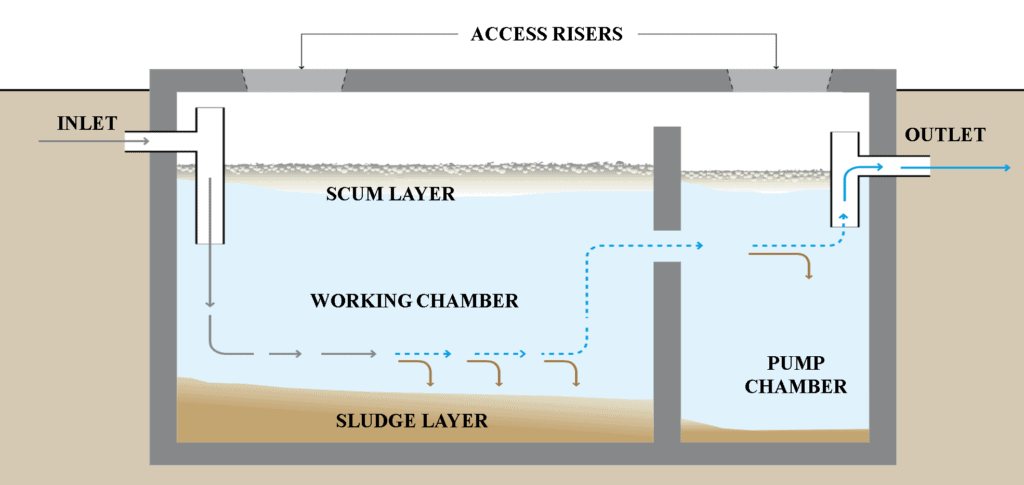
Modern septic design Whitby relies on advanced engineering techniques that combine environmental data with hydraulic modeling to create accurate and efficient systems. Engineers use specialized software to simulate water flow, soil absorption, and seasonal variations in groundwater levels. These digital tools eliminate guesswork and produce designs that perform consistently under changing weather and usage conditions. Engineers also analyze soil layers to determine permeability, ensuring that the wastewater treatment process meets health and safety standards. By using scientific precision and innovative design methods, professionals deliver systems that exceed regulatory expectations while maintaining long-term functionality for properties throughout Whitby.
Sustainable Septic Solutions for Whitby Properties
Sustainability is central to septic design Whitby because the goal is to treat wastewater without harming the environment. Engineers design systems that use minimal energy, conserve water, and promote natural filtration. Components like energy-efficient pumps and oxygenated treatment units reduce operational costs while enhancing purification. In addition, sustainable design practices incorporate recyclable materials and low-impact construction techniques. Engineers prioritize protecting groundwater, vegetation, and nearby lakes from contamination. The result is a system that supports Whitby’s environmental goals while offering long-term savings for homeowners. Sustainability ensures each project balances modern convenience with ecological responsibility.
Importance of Licensed Engineers in Whitby
The role of licensed engineers in septic design Whitby cannot be overstated. Professional engineers bring technical knowledge, regulatory understanding, and accountability to every project. They are trained to analyze site conditions, calculate hydraulic loads, and produce compliant system layouts. Firms such as Elmid Design Inc, authorized by Professional Engineers Ontario, provide certified designs recognized by municipalities and regulatory agencies. Their expertise ensures that every septic system is engineered to function efficiently under Whitby’s unique soil and climate conditions. Licensed engineers also manage permit submissions and coordinate inspections, providing clients with confidence that their investment meets both legal and environmental standards.
Inspection and Quality Assurance Process
Inspection plays a critical role in the success of septic design Whitby. Engineers oversee construction to confirm that installation matches the approved design specifications. During installation, they check tank placement, pipe slope, and bed configuration for accuracy. Quality assurance ensures that all components meet Ontario Building Code standards and local health department requirements. This process prevents common issues such as leaks, poor drainage, or uneven effluent distribution. Engineers also verify that materials meet performance standards and are properly installed for long-term durability. Continuous inspection protects homeowners from future maintenance costs and environmental hazards, ensuring system reliability for years to come.
Cost Efficiency in Septic System Design
Although cost is often a concern for property owners, professional septic design Whitby offers long-term value that far outweighs initial expenses. An accurately designed system prevents premature failure, which could result in costly repairs or environmental damage. Engineers evaluate every factor, from soil type to water usage, to ensure the design is both efficient and cost-effective. A properly engineered septic system reduces pumping frequency, minimizes energy use, and extends service life. While the upfront design fee represents a small portion of the total project cost, it provides security, durability, and regulatory compliance that protect homeowners’ investments well into the future.
Long-Term Maintenance Planning
A well-thought-out design includes strategies for future maintenance. Septic design Whitby considers accessibility for inspection, pumping, and repair. Engineers plan systems with clearly marked access points and sufficient clearance for maintenance equipment. They also recommend regular inspection intervals based on household size and usage. Proper design reduces the likelihood of overloading and helps maintain optimal bacterial activity for wastewater treatment. By emphasizing maintenance from the start, engineers ensure the system remains efficient and environmentally safe over its lifespan. Preventive design planning significantly reduces long-term operational costs while preserving the property’s value and safety.
Climate Resilience in Septic Design Whitby
Whitby’s seasonal climate presents challenges that must be addressed during the design stage. Engineers account for freezing temperatures, heavy rain, and fluctuating groundwater levels to ensure system resilience. For example, insulation materials and proper burial depths protect tanks and pipes from frost damage. Drainage systems are designed to handle heavy runoff while preventing surface contamination. Climate-resilient septic design Whitby ensures the system functions effectively year-round without performance loss. By anticipating local weather impacts, engineers create systems that are durable, adaptable, and sustainable under Ontario’s diverse environmental conditions.
Integration of Modern Technology
Technological advancement continues to enhance septic design Whitby. Engineers now implement monitoring sensors, automated aeration systems, and smart alarms that provide real-time performance updates. These innovations allow early detection of issues such as blockages or overloading, preventing system failure. Remote monitoring helps engineers analyze data to improve future designs and optimize maintenance schedules. Modern systems not only enhance reliability but also reduce operating costs and environmental risks. The integration of technology reflects the evolution of engineering practices toward smarter, data-driven septic management solutions across Whitby and surrounding communities.
Environmental Protection and Groundwater Safety
Environmental protection remains at the core of septic design Whitby. Engineers carefully design systems to prevent contamination of soil and groundwater. Proper filtration layers, soil depth calculations, and effluent flow rates ensure that wastewater is purified before re-entering the environment. Advanced treatment units can remove up to 95 percent of organic contaminants, significantly reducing pollution risk. By adhering to environmental standards, engineers help protect local ecosystems, particularly near Lake Ontario and regional waterways. Groundwater safety is not just a design requirement but a responsibility that engineers take seriously to preserve Whitby’s natural resources.
Coordination Between Homeowners and Engineers
Collaboration between homeowners and engineers enhances the overall success of septic design Whitby. Property owners provide key information about household size, water usage, and long-term property plans. Engineers then interpret this data to create efficient and personalized designs. Clear communication during the site evaluation, testing, and installation phases prevents misunderstandings and delays. Regular updates from engineers keep property owners informed and involved throughout the process. This partnership ensures that every design aligns with both the client’s expectations and regulatory requirements. Collaborative communication builds trust and guarantees project satisfaction from start to finish.
Documentation and Legal Compliance
Detailed documentation forms the backbone of a compliant septic design Whitby. Engineers prepare and maintain technical reports, soil test data, and design drawings required for permit approval. This documentation serves as an official record for future reference, property resale, or system modification. Engineers ensure that all designs meet the standards outlined by the Ontario Building Code and the Durham Region Health Department. Maintaining transparent documentation not only satisfies legal obligations but also promotes accountability and client confidence. Organized records demonstrate professionalism and commitment to public safety, reinforcing the importance of proper engineering oversight.
Role of Local Health Authorities
Local health authorities in Whitby oversee septic system approval and inspection to ensure compliance with environmental regulations. Engineers work closely with these authorities to provide test results, design calculations, and construction plans. Once the design is reviewed and approved, the health department conducts inspections during and after installation. This partnership ensures that every septic design Whitby project meets or exceeds public health and environmental protection standards. Cooperation between engineers and local regulators contributes to a safer community by guaranteeing that wastewater is managed responsibly and sustainably.
Community Growth and Septic Design
As Whitby continues to expand, septic design has become increasingly important in supporting sustainable development. Many rural and semi-rural areas rely on engineered septic systems instead of municipal sewers. Engineers design systems capable of handling higher population densities while maintaining environmental safety. Septic design Whitby now incorporates regional planning considerations such as lot subdivision, stormwater management, and groundwater recharge zones. Sustainable infrastructure ensures that growth does not compromise natural resources. Engineering foresight allows Whitby to continue developing while preserving the health and integrity of its environment for future generations.
Engineering Leadership and Professional Excellence
Elmid Design Inc represents leadership in septic design Whitby through its dedication to accuracy, sustainability, and innovation. The firm’s team of Professional Engineers Ontario–certified experts provides tailored solutions that combine engineering precision with environmental stewardship. Each design undergoes comprehensive analysis and quality assurance before submission. The company’s focus on ethical practice, technical excellence, and client satisfaction sets it apart within the industry. Through consistent professionalism and engineering integrity, Elmid Design Inc ensures that every septic system designed in Whitby is safe, efficient, and built to the highest regulatory standards.
Future of Engineering Innovation in Septic Design Whitby
The future of septic design Whitby continues to evolve with advancements in engineering precision, environmental technology, and digital integration. Engineers are adopting predictive modeling to anticipate changes in soil absorption and water table fluctuations caused by climate variability. These predictive systems allow more accurate sizing and placement of septic components. Engineers are also introducing biofiltration technologies that enhance natural treatment efficiency while reducing maintenance needs. As innovation progresses, septic systems become smarter, more sustainable, and better equipped to protect Whitby’s sensitive ecosystems. Continuous research and adaptive design practices ensure wastewater systems remain effective for decades to come.
Smart Systems and Data Integration in Modern Septic Design
Digital transformation is reshaping septic design Whitby through the use of smart technology and real-time data analysis. Engineers now integrate sensors that track effluent flow, tank levels, and oxygen levels within treatment units. These systems send data to monitoring platforms, enabling early detection of irregularities. Predictive maintenance powered by data analytics prevents costly issues before they occur. Moreover, this integration allows engineers to refine design parameters for future projects based on real-world performance data. Smart systems not only increase reliability but also promote accountability and efficiency. As a result, Whitby homeowners benefit from intelligent wastewater management designed for modern living.
Sustainable Engineering Practices in Septic Design Whitby
Sustainable engineering has become a guiding principle in septic design Whitby. Engineers strive to minimize environmental impact through energy-efficient pumps, eco-friendly materials, and low-disturbance installation methods. Systems are now designed to support groundwater recharge and soil regeneration, reducing long-term ecological footprints. Incorporating vegetation buffers and natural filtration fields enhances wastewater purification while preserving biodiversity. Furthermore, engineers consider carbon reduction at every stage, from design to maintenance. By aligning with Ontario’s sustainability goals, septic designs contribute to a cleaner environment and resilient infrastructure. This balance between progress and preservation defines the modern engineering approach within Whitby’s growing communities.
Collaboration Between Engineers and Municipal Authorities
Collaboration between professional engineers and municipal authorities ensures seamless project execution. In septic design Whitby, engineers coordinate with the Durham Region Health Department to align designs with local environmental objectives. This partnership accelerates the approval process while maintaining compliance with Ontario Building Code Part 8. Municipal authorities rely on engineers to provide accurate site data, hydraulic analyses, and environmental assessments. In turn, this collaboration promotes transparency, consistency, and public safety. Strong coordination builds mutual trust and ensures that Whitby’s wastewater infrastructure grows sustainably alongside its expanding population.
Environmental Monitoring and Groundwater Protection
Engineers incorporate continuous environmental monitoring into septic design Whitby to protect groundwater resources. Monitoring wells and soil observation points track system performance and detect potential contamination. Data gathered during post-installation monitoring helps verify that effluent disperses correctly within the soil layers. These preventive strategies reduce environmental risks and ensure regulatory compliance. Engineers also adjust future designs using findings from long-term monitoring studies. Through proactive environmental management, septic systems in Whitby maintain water quality, safeguard public health, and preserve the natural balance of local ecosystems.
Role of Research and Development in Septic Engineering
Research and development continue to shape the engineering standards behind septic design Whitby. Ongoing studies explore new filtration media, advanced aeration techniques, and biodegradable materials that improve system efficiency. Engineers collaborate with universities and industry partners to test innovative solutions in laboratory and field environments. These findings influence policy updates and design best practices across Ontario. Research also focuses on reducing construction footprints and developing hybrid systems that integrate renewable energy sources. Through scientific inquiry and experimentation, the field of septic design advances steadily, providing Whitby with more resilient and sustainable wastewater infrastructure.
Adapting Septic Design to Whitby’s Expanding Communities
As Whitby experiences steady population growth, septic design must adapt to higher wastewater demands and limited space availability. Engineers are designing compact systems capable of serving multiple units without compromising performance. Cluster systems allow small communities or developments to share treatment facilities while minimizing land use. These engineered systems balance efficiency and affordability, making them ideal for rural or semi-urban neighborhoods. Adapting design strategies ensures Whitby’s development aligns with both environmental conservation and modern infrastructure needs. Engineers play a crucial role in supporting responsible growth through innovative and data-informed design methods.
Importance of Climate Adaptation in Septic Design Whitby
Climate adaptation has become essential in maintaining system performance year-round. Engineers account for severe weather, fluctuating precipitation, and temperature extremes when designing systems. They calculate frost depth, design advanced drainage, and implement insulation techniques to prevent freezing. Elevated systems are used in flood-prone areas to prevent contamination during heavy rainfall. Climate-adapted septic design Whitby enhances system reliability while reducing environmental vulnerability. Proactive planning and resilient engineering ensure that wastewater management continues uninterrupted, even as weather patterns become less predictable. This approach reflects Whitby’s commitment to sustainability and environmental responsibility.
Professional Accountability and Ethical Standards
Professional accountability remains a core value in septic design Whitby. Firms like Elmid Design Inc uphold strict ethical standards established by Professional Engineers Ontario. Their work emphasizes transparency, honesty, and public welfare. Engineers document every design step, from soil testing to final inspection, maintaining records for verification and compliance. Ethical practice guarantees that decisions are made in the best interest of both clients and the environment. Through consistent integrity and technical rigor, professional engineers build trust with homeowners, municipalities, and environmental authorities. Ethical engineering creates lasting confidence in every septic system designed and approved in Whitby.
Educational Outreach and Homeowner Awareness
Educating homeowners is vital for the success of septic design Whitby. Engineers provide guidance on proper system care, usage habits, and inspection schedules. By understanding how their systems work, homeowners can prevent misuse and extend service life. Engineers also emphasize the environmental consequences of neglecting maintenance, promoting responsible water use and routine inspection. Educational outreach transforms residents into active participants in environmental protection. Informed homeowners support sustainable living practices, contributing to the overall health of Whitby’s groundwater and soil systems. Through awareness, engineering principles extend beyond design into daily environmental stewardship.
Leadership and Innovation by Elmid Design Inc
Elmid Design Inc continues to lead in septic design Whitby through technical expertise, innovation, and an unwavering commitment to quality. Their team of Professional Engineers Ontario–certified professionals provides tailored designs that address site-specific conditions and regulatory requirements. Each project undergoes detailed analysis and verification to ensure compliance, efficiency, and durability. Elmid Design Inc incorporates sustainable materials and forward-thinking design strategies that reduce environmental impact while optimizing performance. Their reputation for excellence reflects dedication to public safety, engineering integrity, and client satisfaction. By combining precision with innovation, Elmid Design Inc remains a trusted name in Whitby’s engineering community.
FAQs — Septic Design Whitby
What does septic design Whitby include?
Septic design Whitby includes detailed site analysis, soil testing, hydraulic calculations, and engineering drawings that comply with Ontario Building Code Part 8. It ensures wastewater is treated safely and efficiently for residential or commercial use.
How long does the septic design process take in Whitby?
The process usually takes between three and six weeks, depending on site complexity, testing results, and permit approval timelines from local authorities.
Why should a licensed engineer handle septic design Whitby?
Licensed engineers ensure the system meets provincial and municipal regulations while optimizing safety and performance. Their certification under Professional Engineers Ontario guarantees legal accountability and professional accuracy.
What factors affect septic design in Whitby?
Factors such as soil composition, groundwater level, lot size, slope, and household water usage all influence design choices. Each variable determines tank size, bed type, and system placement.
Can existing septic systems in Whitby be upgraded?
Yes, existing systems can be upgraded using modern technologies like aerobic treatment units or pressure distribution systems. Engineers assess the current setup and design improvements for better efficiency and compliance.
How can homeowners maintain their septic system effectively?
Homeowners should schedule inspections regularly, pump tanks as needed, and avoid flushing chemicals or non-biodegradable materials. Proper care reduces maintenance costs and extends the system’s lifespan.
Does Elmid Design Inc provide septic design services in Whitby?
Yes, Elmid Design Inc offers professional septic design Whitby services supported by certified engineers. The firm delivers efficient, sustainable, and code-compliant wastewater solutions tailored to local conditions.

Trusted Engineering Experts in Septic Design Whitby
Elmid Design Inc stands as a leading engineering firm specializing in septic design Whitby, offering precise, sustainable, and regulation-compliant solutions. With authorization from Professional Engineers Ontario, the company delivers certified designs that ensure safety, efficiency, and environmental protection. Each project combines technical accuracy with a deep understanding of local soil and groundwater conditions. Through innovation and professional integrity, Elmid Design Inc continues to set the standard for quality engineering in Whitby, helping homeowners and developers achieve reliable wastewater systems that meet Ontario’s strict regulatory and environmental requirements.
Geographic Locations That We Service:
Our Licensed Professional Engineers specializing in Engineered Site Grading Plans offer the best-engineered site grading plan, lot grading and erosion plan, and drainage plan to obtain site plan approval and building permits in Ontario, including a wide range of municipalities. Each area boasts unique features and requirements, making our tailored approach essential for success.
Toronto and Surrounding Areas
In the vibrant heart of Ontario, we service Toronto (City of Toronto) and surrounding areas. Additionally, we cover Oshawa (City of Oshawa), Pickering (City of Pickering), and Clarington (Municipality of Clarington). Furthermore, our expertise extends to Ajax (Town of Ajax), Whitby (Town of Whitby), Brock (Township of Brock), Scugog (Township of Scugog and Uxbridge (Township of Uxbridge).
Halton Region
Moving to the Halton Region, our services encompass Burlington (City of Burlington) and Halton Hills (Town of Halton Hills). Also included are Milton (Town of Milton) and Oakville (Town of Oakville).
Peel Region
In the Peel Region, we provide services in Brampton (City of Brampton), Mississauga (City of Mississauga), and Caledon (Town of Caledon).
York Region
Our services in the York Region cover Vaughan (City of Vaughan), Aurora (Town of Aurora), and East Gwillimbury (Town of East Gwillimbury). We also cater to Georgina (Town of Georgina), Markham (City of Markham), Newmarket (Town of Newmarket), Richmond Hill (City of Richmond Hill), Whitchurch-Stouffville (Town of Whitchurch-Stouffville), King (Township of King), and Bradford-West Gwillimbury (Town of Bradford-West Gwillimbury). Each municipality here offers a distinct setting, requiring our specialized approach.
Other Southern Ontario Cities and Towns
We also serve many other cities and towns in Southern Ontario. These include Hamilton (City of Hamilton), St. Catharines (City of St. Catharines), Niagara on the Lake (Town of Niagara on the Lake), Brant (County of Brant), Cambridge (City of Cambridge), Kitchener (City of Kitchener), Waterloo (City of Waterloo), and Woodstock (City of Woodstock). Furthermore, we operate in Guelph (City of Guelph), Centre Wellington (Township of Centre Wellington), Shelburne (Town of Shelburne), Orangeville (Town of Orangeville), New Tecumseth (Town of New Tecumseth), Essa (Town of Essa), Collingwood (Town of Collingwood), Wasaga Beach (Town of Wasaga Beach), Barrie (City of Barrie), Midland (Town of Midland), Orillia (City of Orillia), Ramara (Town of Ramara), Minden Hills (Town of Minden Hills), North Kawartha (Town of North Kawartha), Kawartha Lakes (City of Kawartha Lakes), Peterborough (City of Peterborough), Selwyn (Town of Selwyn), and Brighton (Municipality of Brighton).